
Over the last ten years, the global wholesale fashion business has changed a lot. The ecosystem used to depend on trade shows, catalogs, emails, and face-to-face talks. Now, B2B garment portals are the only way to do business. These platforms bring together sourcing teams, makers, brands, designers, exporters, retailers, and more into a single, useful system.
Modern portals offer speed, transparency, automation, real-time data, and global access, in contrast to older methods that were often slow, expensive, and not always reliable. This piece talks about how B2B garment portals are changing the way fashion is sourced, the features that are driving this digital shift, and how a wholesale fabric sourcing platform like Fabriclore helps with smart, scalable buying.
1. The Transformation of Wholesale Fashion Buying
It took some time for people to switch from buying fashion in bulk in stores to doing it online. It changed as companies started to want speed, visibility, and low costs. Traditional ways of getting had a lot of problems, like:
- High cost of attending trade shows.
- Limited availability of new collections.
- Delayed communication.
- Manual paperwork and spreadsheets.
- Slow sampling and approvals.
- No real-time inventory visibility.
- Difficult international sourcing.
By putting the whole supply chain online, B2B clothing sites have fixed these problems. They have a centralized buying ecosystem that is open 24 hours a day, seven days a week, and can be accessed from anywhere in the world.
These systems are made to meet the real needs of fashion companies today, which are speed, consistency, quality, and making decisions based on data.

2. Key Features That Are Redefining Wholesale Buying
Today's business-to-business clothing platforms are much more advanced than catalogs or e-commerce sites. To make fashion buying easier, they use AI tools, digital supply chains, ERP sync, and rich product visualization.
Each feature is clearly explained below, with an introductory text coming before the details.
2.1 Immersive Digital Showrooms & Virtual Collections
Digital stores have taken away the need to spend a lot of money on trips to trade shows and buying fairs. These virtual places let buyers look at whole collections right away, with better pictures of the items.
What's important:
- 360° product imagery.
- High-resolution product videos.
- Zoom and texture view options.
- Digital line sheets with fabric details, composition & measurements.
- Curated catalogs based on buyer history.
This experience is like being in a real store, and buyers can be sure that they are judging clothes correctly and with trust.
2.2 Real-Time Inventory & Supply Chain Transparency
One of the worst things about wholesale buying was that there was no way to know what was in stock, how production was going, or when deliveries would happen. This is taken care of by B2B portals:
- Livestock updates.
- Automated out-of-stock alerts.
- Real-time order tracking.
- Visibility of production steps.
- Accurate, AI-based delivery estimates.
This openness helps sellers avoid running out of stock, plan their store's inventory, and lower the risk of having deadstock.
2.3 Streamlined Order Management & Flexible Pricing
When you buy fashion in bulk, you have to deal with a lot of different sizes, colors, patterns, minimum order quantities (MOQs), and price ranges. This is easier with B2B platforms because:
- Bulk ordering tools.
- One-click reordering.
- CSV order uploads.
- Tier-based pricing structures.
- Region-based wholesale prices.
- Integrated payment terms (Net 30 / Net 60).
- ERP, CRM & accounts sync.
This automation cuts down on mistakes, communication delays, and work that needs to be done by hand. This saves stores and suppliers hours of work.
2.4 Data Analytics, AI Insights & Demand Forecasting
B2B clothing sites are getting smarter at helping people make decisions. They help stores make the best decisions about what to buy by:
- Product performance analytics.
- Customer buying pattern insights.
- AI-driven recommendations.
- Demand forecasting tools.
- Trend identification based on large dataset patterns.
These insights help stores order the right number of high-performing items and cut down on the losses that come from getting too many or out-of-date collections.
3. Benefits of B2B Garment Portals for Wholesale Buyers
B2B clothing sites are most useful for helping businesses deal with real issues like cost, time, inventory, risk, and making money. This part talks about how platforms improve productivity and help companies grow.
3.1 Cost Reduction & Operational Efficiency
Portals help brands save a lot of money on business costs by getting rid of the need to do things by hand.
- No travel expenses for trade shows.
- No physical catalogs or samples required initially.
- Reduced communication delays.
- Lower-order errors.
- Faster order confirmation.
- Shorter production timelines.
Better margins, smarter buying, and high operating accuracy are the results.
3.2 Democratized Access & Global Sourcing Opportunities
In the past, top manufacturers were only available to big names. That obstacle is taken away by B2B websites, which give users access to:
- Verified suppliers from around the world.
- Low MOQ clothing manufacturers.
- Sustainable garment manufacturers.
- Specialty fabric suppliers.
- Trend-specific wholesalers.
- Country-specific compliance factories.
This lets small and medium-sized stores fight with big brands on an even playing field.

3.3 Empowering Smarter Decision-Making
Because of the following, wholesale buyers can now make decisions based on facts:
- Real-time inventory.
- Daily trend insights.
- Category-level performance.
- Visual product comparisons.
- Accurate cost breakdowns.
This turns buying into a plan instead of a guessing game, which leads to better sell-through and faster inventory turnover.
4. How B2B Portals Build Trust & Long-Term Relationships
Trust is important in the wholesale business. B2B websites make trust stronger by:
- Vetting suppliers.
- Verifying certifications.
- Providing transparent ratings.
- Offering secure payments.
- Allowing direct communication.
- Storing historical order data.
This openness makes buyers and sellers more reliable, which lowers risk and leads to more repeat orders.
5. How B2B Portals Continuously Evolve With Technology
Technology will play a big role in the future of buying clothes in bulk. New features are being added to modern websites, such as
5.1 Better UX/UI for Real Buyers
Portals are made to make complicated tasks easy:
- Easy navigation.
- Product tagging.
- Mobile-responsive platforms.
- Personalized dashboards.
- Saved carts.
- One-click reorders.
These make it easier for buyers and save hours of work.
5.2 Data-Driven Product Strategy
By looking at how buyers act and how they source goods, websites can now:
- Suggest best-selling products.
- Identify trending fabrics.
- Recommend styles by region.
- Forecast seasonal demand.
In this way, buyers can stay on top of fashion trends.
5.3 Emerging Technologies in B2B Fashion
- Blockchain for supply chain authentication.
- VR & AR for immersive virtual showrooms.
- Machine learning for personalized product recommendations.
- Integrated financing for better cash flow.
- Multicurrency payments for global buyers.
These new ideas will shape the next age of the wholesale fashion business.

6. Fabriclore: A Powerful Example of Modern B2B Garment Sourcing
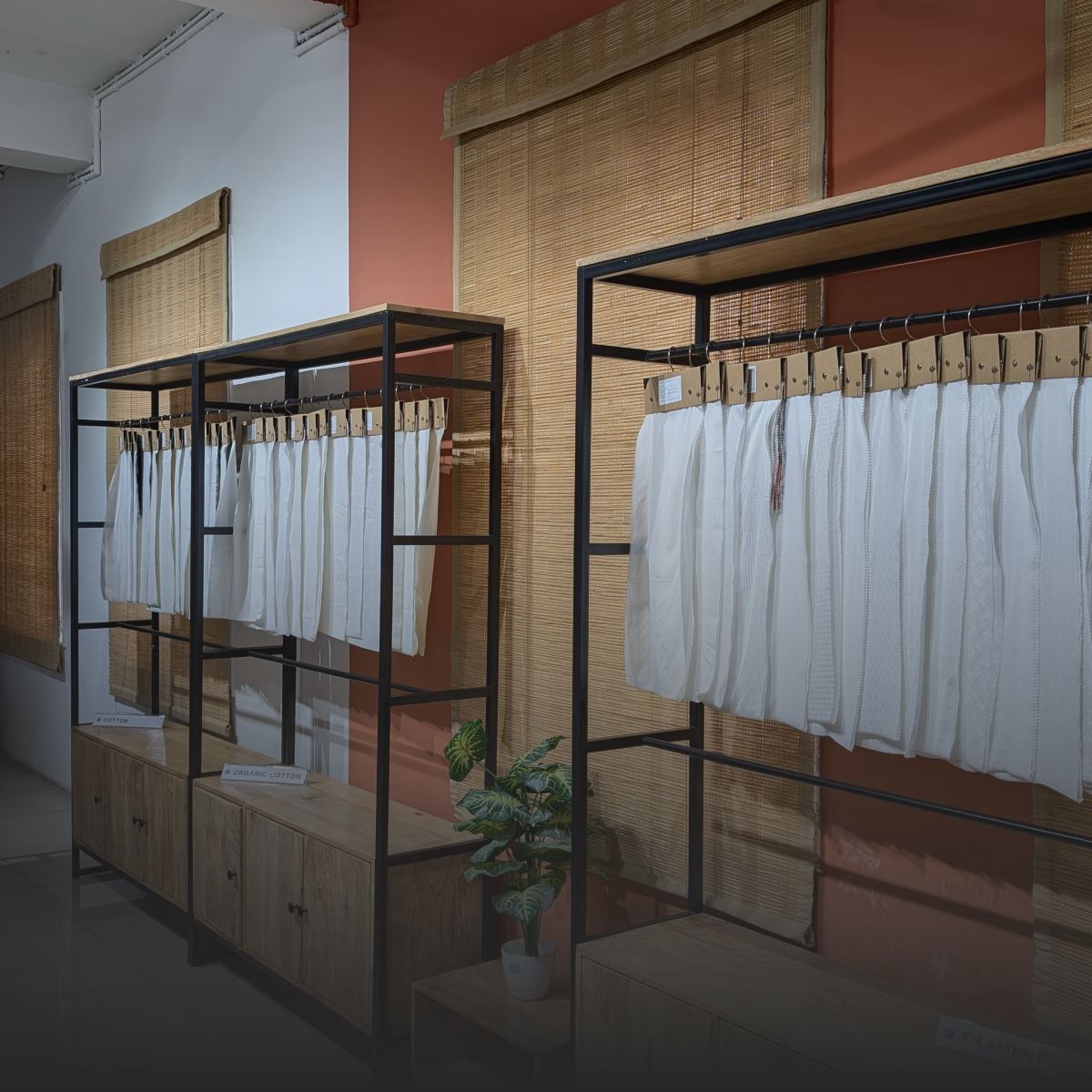
Fabriclore is a new digital business-to-business tool for brands, boutiques, designers, exporters, and private labels to find clothes and fabrics. It has helped customers around the world with their real sourcing problems for more than 10 years through fabric sourcing , custom dyeing, printing, sampling, and low-MOQ garment manufacturing.
What Makes Fabriclore Valuable for B2B Buyers
✔ Wide Fabric Range
- RFD, greige & dyed fabrics.
- Cotton, rayon, and modal.
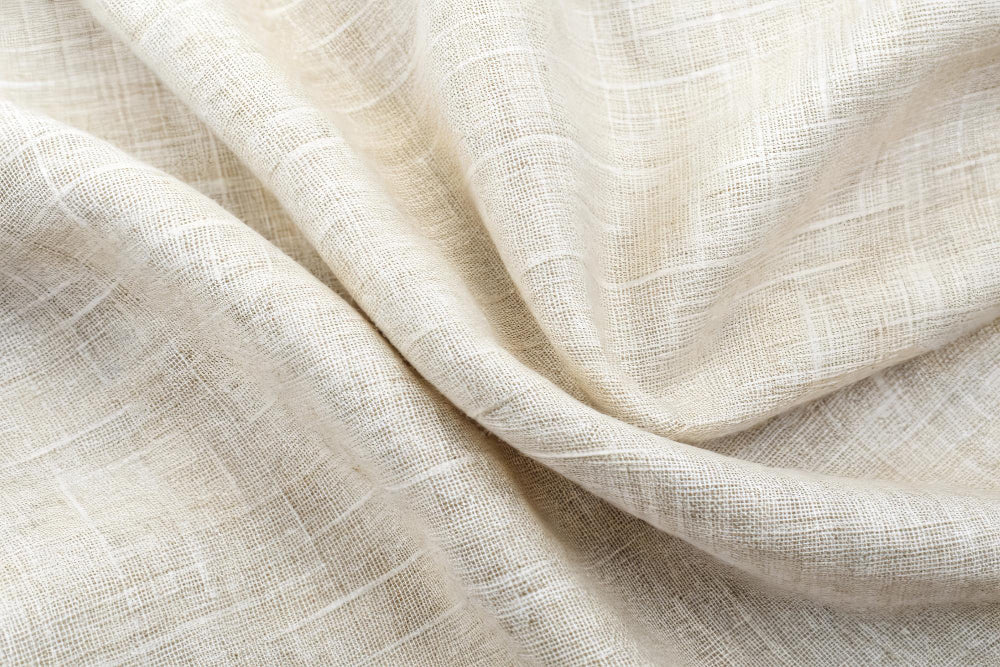
- Linen, blends & sustainable materials.
- Designer prints, solids & textures.
✔ Customization Capabilities
- Digital printing.
- Screen printing.
- Reactive & pigment dyeing.
- Pantone-matched custom colors.
✔ Low-MOQ Clothing Manufacturing
Ideal for:
- Private labels.
- Startups.
- Boutique brands.
- Fashion designers.
✔ Sampling + Fabric Swatches
People can order swatches before bulk orders to make sure they like the quality, feel, drape, and print performance.
✔ Global Shipping Network
Serving the US, UK, EU, Middle East, Australia & more.
Fabriclore shows how current B2B platforms make it easier to find fabrics, make customizations, and make a lot of clothes at once, all within a single connected ecosystem.
7. Challenges B2B Garment Portals Must Overcome
When B2B systems grow, they still need to deal with:
- Consistent fabric quality.
- On-time delivery.
- Inventory accuracy.
- Customer retention.
- International logistics.
- Pricing transparency.
The market will continue to be dominated by platforms that put money into digital automation, quality control, and strong supply networks.
8. The Future of B2B Garment Portals
It is hyper-digital, transparent, and consumer-driven, so that wholesale fashion will grow in the future.
Expect more people to adopt:
- AI-based buying assistance.
- Virtual product testing.
- Automated sourcing workflows.
- Sustainable supply chains.
- Integrated production-tracking dashboards.
B2B portals will keep growing to include more than just shopping. They will eventually become intelligent business partners for fashion stores around the world.

Conclusion
The way that people buy clothes in bulk has been significantly altered by business-to-business apparel websites. For what they provide:
- Speed.
- Transparency.
- Global supplier access.
- Low MOQ opportunities.
- Real-time data.
- Automated ordering.
- Digital showrooms.
- AI-powered insights.
These portals help brands lower risk, make more money, and make faster, smarter choices by making sourcing easier and more efficient. Technology-based business-to-business (B2B) platforms like Fabriclore show how they can help fashion brands, designers, shops, and private labels by providing them with high-quality fabrics and custom manufacturing.
It's no longer a choice for retailers and brands that want to update their sourcing to use B2B garment portals—it is the future of wholesale fashion commerce.
FAQs
1. What Is A B2B Garment Portal And How Does It Work?
A business-to-business (B2B) clothing portal is an online market that makes it easier to find clothes, check inventory, communicate, and order in quantities. It takes the place of trade shows and manual processes, making it easy and quick for buyers to see collections, compare prices, see real-time stock, and place bulk orders.
2. How Do B2B Garment Portals Benefit Wholesale Fashion Buyers?
B2B clothing sites make buying in bulk easier by getting rid of delays, misunderstandings, and high costs. Who buys gets:
- Real-time inventory visibility.
- Digital showrooms and virtual catalogs.
- Automated bulk ordering tools.
- Verified suppliers and transparent pricing.
- Lower MOQs and global sourcing access.
This helps stores lower their risk, avoid having too much dead stock, find new makers, and make more profitable assortments based on data.
3. Why Are Fashion Brands Shifting From Traditional Sourcing To Digital B2b Platforms?
Speed, scalability, and accuracy are now important to brands, which is something that standard sourcing doesn't always deliver. B2B clothing sites offer:
- Faster approvals and sampling.
- AI-based demand forecasting.
- Full supply chain transparency.
- Lower buying costs.
- Access to international suppliers.
Digital sourcing is vital for keeping current and profitable as fashion cycles become shorter and global competition intensifies.
4. How Does Fabriclore Support B2 Buyers In Garment And Fabric Sourcing?
Fabriclore is a modern wholesale fabric sourcing platform that has been in the business for more than 10 years. It gives you:
- RFD, greige, dyed fabrics & 200+ fabric types.
- Custom dyeing, printing & Pantone-matched colors.
- Low-MOQ garment manufacturing.
- Fabric swatches before bulk orders.
- Global shipping for brands across the USA, UK, EU & Middle East
Private labels, designers, exporters, and boutique companies use Fabriclore's ecosystem to streamline sourcing and launch collections faster.
5. What Is The Future Of B2b Garment Portals In The Wholesale Fashion Industry?
Digital wholesale fashion buying is the future. B2B portals integrate:
- AI-driven buying assistance.
- Blockchain for supply chain verification.
- Virtual/augmented reality showrooms.
- Automated sourcing workflows.
- Sustainability scoring and ethical sourcing tools
As fashion grows more global and rapid, B2B portals will help firms make smarter decisions while reducing risks and expenses.
We also happen to be a magnet for suggestions, and would love to catch yours….throw us yours on hello@fabriclore.com
Learn, Create & Grow with us 

Also Read Related Blogs:
1. Top High-Margin Apparel Categories for B2B Resale
2. Best B2B Platforms To Buy Custom Apparel In Bulk
3. Best B2B Platforms to Source Sustainable Fabric for Your Business
4. B2B Fabric Sourcing Platforms Transforming The Eastern European Textile Industry
5. Partnering with Fashion Brands: How Garment Manufacturers Can Grow B2B