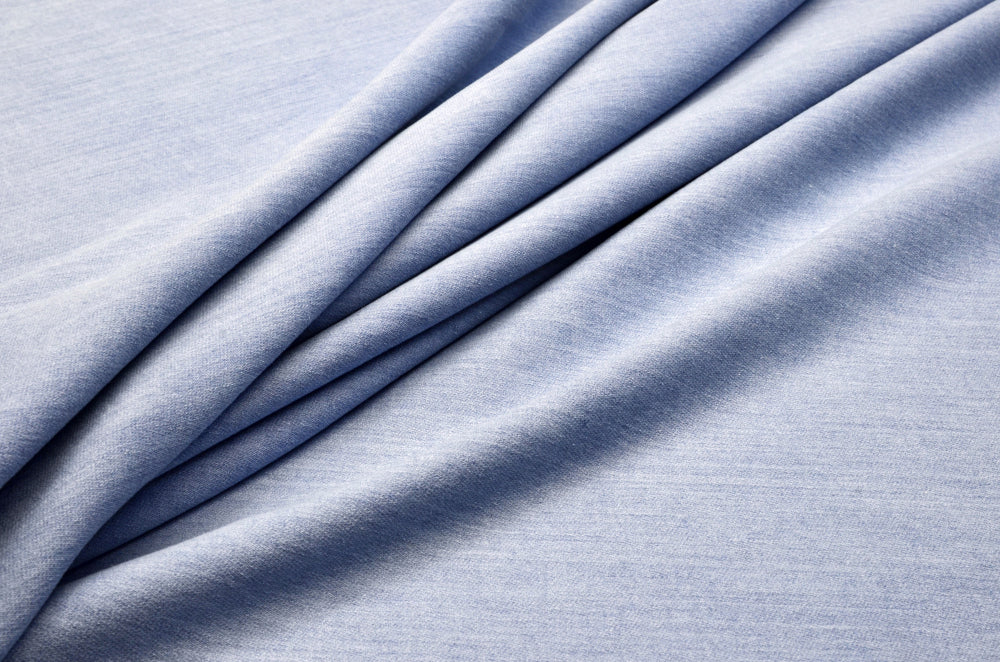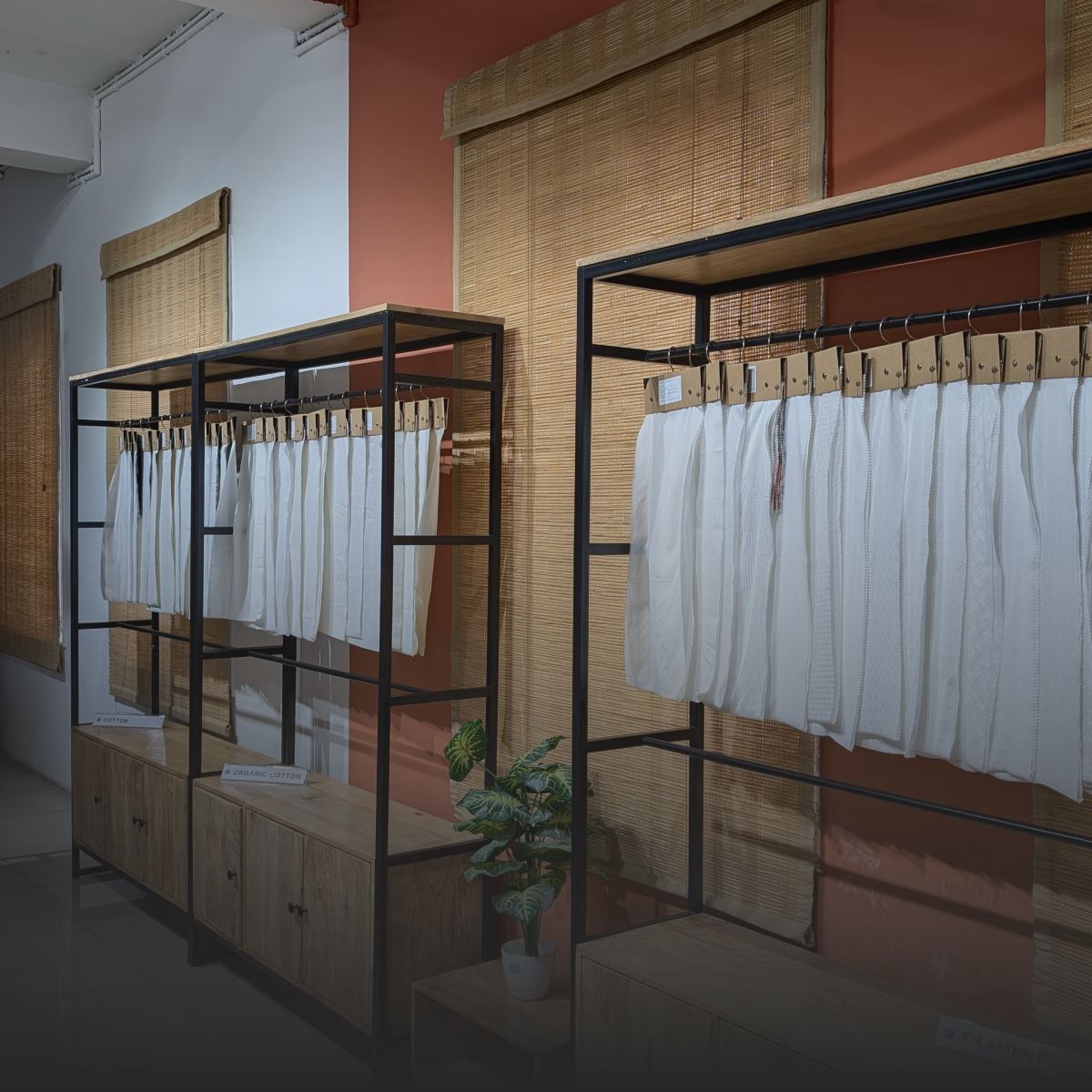
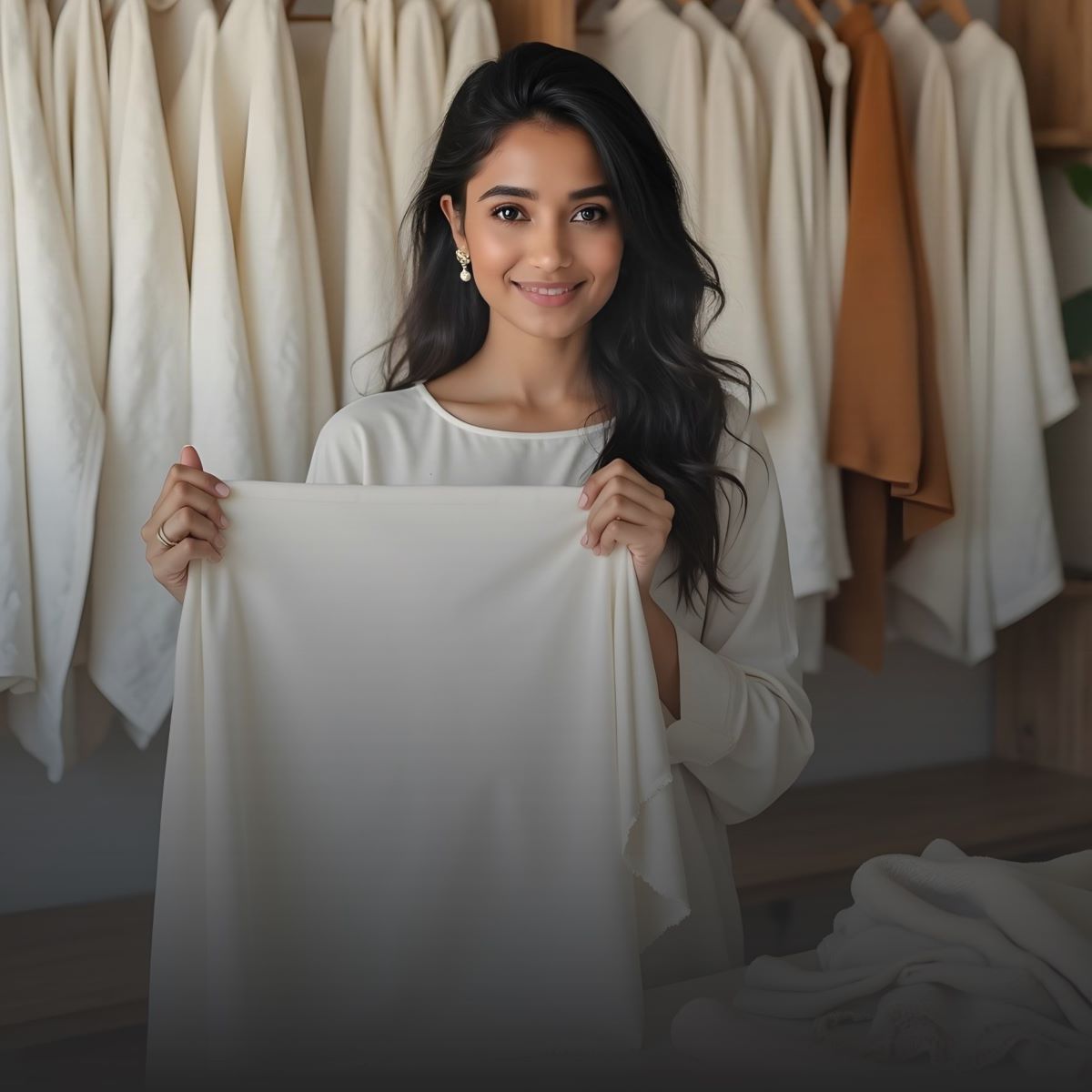
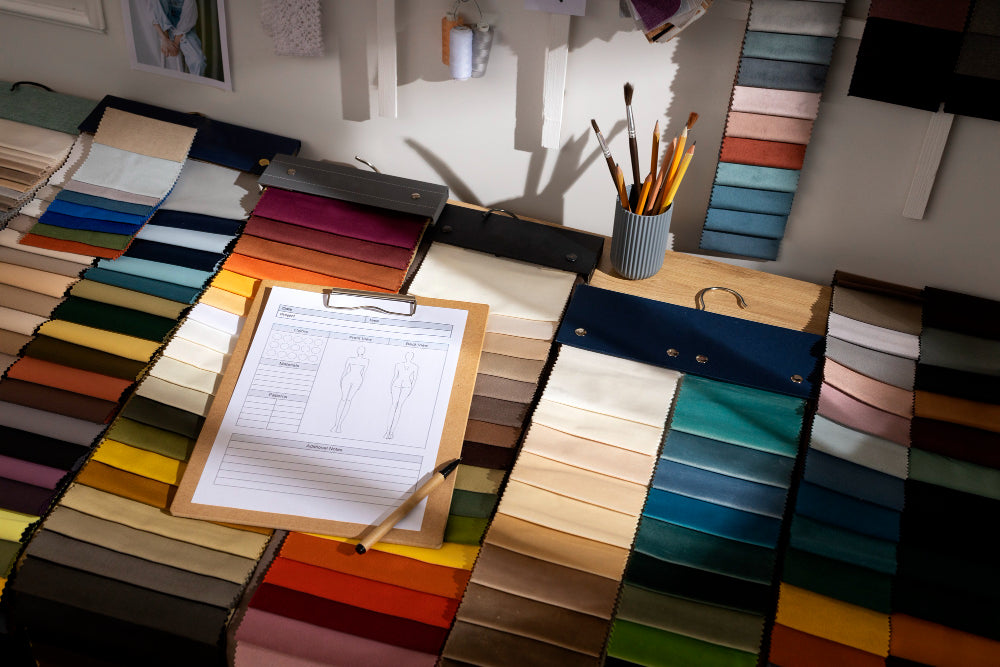
As fashion brands place greater emphasis on customized designs, adaptable production, and trend-driven manufacturing, Ready For Dye (RFD) fabrics have become the fabric of choice for designers buying fabric online. Clothing companies today often look for RFD cotton fabric wholesale, Pantone-matched, dyeable fabric, and low-MOQ RFD fabric sourcing because these fabrics give them greater control over color development, digital printing, sampling, and inventory management. RFD fabrics, on the other hand, come with a clean, already-treated base that makes the dye more consistent, the print better, and the production process run more smoothly overall. RFD fabrics are often used for capsule collections, eco-friendly clothing, vacation wear, and modern fashion. They give designers more creative freedom while also speeding up product development and making apparel manufacturing more scalable.
What is Ready For Dye (RFD) Fabric?

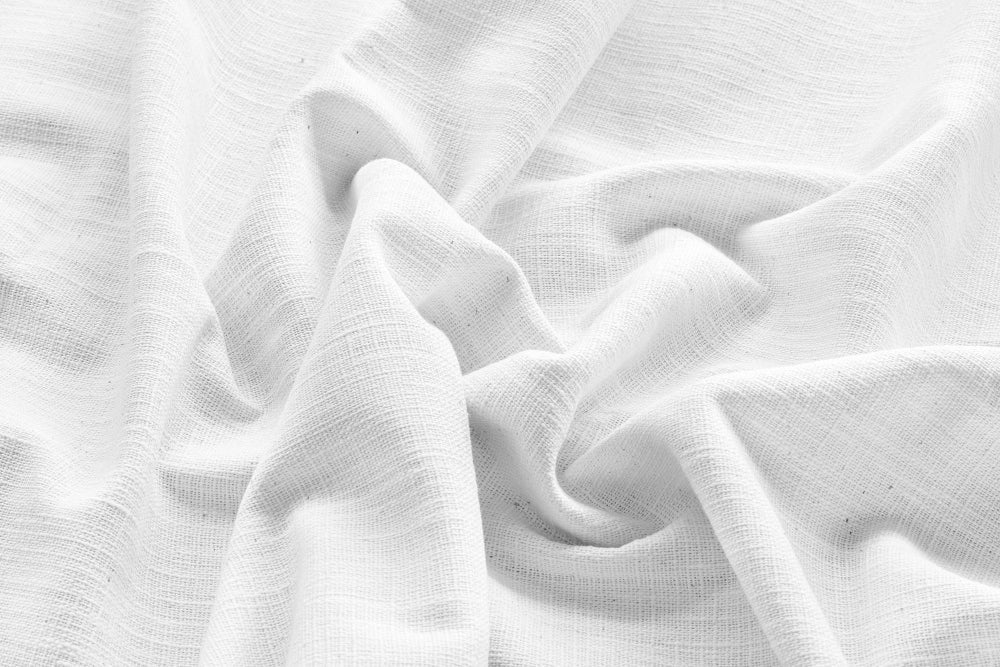
Ready For Dye (RFD) fabric is a type of fabric that has already been handled to make it ready for dying, printing, garment washing, and other processes that let you make the fabric your own. The fabric stays in its raw form before it is turned into RFD. This is called greige fabric, and it contains natural oils, waxes, starches, dirt, and processing byproducts. These impurities can affect how well dyes absorb, how clear prints are, and the fabric's overall consistency.
To make RFD fabrics work better, they undergo important cleaning and preparation steps that create a base that is clean, neutral, and highly absorbent, ready for custom textile development.
Key benefits of RFD processing:
- Better dye absorption
- Improved print clarity
- More uniform color results
- Enhanced fabric consistency
How RFD Fabric is Processed
A greige fabric is transformed into a Ready For Dye fabric through several steps designed to make it more absorbent, cleaner, and more receptive to dye. Desizing, scouring, bleaching, washing, pH neutralization, and surface cleaning are common methods for treating materials.
Some high-end RFD cotton fabrics may also be mercerized to make them shinier, more stable in size, and more colorful. The result is a smooth, clean, and absorbent cloth base, perfect for custom printing and dying.
Common RFD processing stages:
- Desizing & scouring
- Bleaching & washing
- Surface cleaning
- pH neutralization
- Mercerization (for premium fabrics)
RFD vs Greige Fabric vs PFD Fabric
Greige fabric, RFD fabric, and PDF fabric are textile terms that are often used interchangeably, but they mean very different things in textile processing and clothing production. Fashion designers and buying teams can choose the right fabric for dyeing, printing, samples, and bulk production if they understand the steps for preparing the fabric.
|
Fabric Type |
Processing Level |
Dye Readiness |
Common Use |
|
Greige Fabric |
Raw & untreated |
Not suitable for dyeing |
Industrial processing |
|
RFD Fabric |
Pre-treated & cleaned |
Ready for dyeing & printing |
Fashion production |
|
PFD Fabric |
More extensively processed |
Premium dye uniformity |
High-end color applications |
RFD fabric is the best of both worlds for making clothes and creating unique fashions.
- Cost efficiency
- Dye consistency
- Production flexibility
- Customization support
Why Fashion Designers Prefer RFD Fabrics

The best thing about sourcing RFD fabric online is the freedom it offers.
Instead of choosing from a small stock of pre-dyed fabrics, artists can:
- Create custom colors
- Match Pantone shades
- Develop seasonal palettes
- Experiment with natural dyes
- Produce limited edition collections
- Launch capsule drops
- Control final garment aesthetics
This level of control is increasingly important for:
- D2C fashion brands
- Sustainable labels
- Boutique designers
- Resort wear brands
- Private label clothing businesses
- Global fashion startups
Major Advantages of Using RFD Fabrics for Fashion Designers
Ready For Dye (RFD) fabrics are becoming more popular because they can be customized more effectively, products can be made more quickly, production can be more flexible, and artistic control is improved. RFD fabrics are a smarter, more scalable way for modern fashion designers and clothing brands to build their own fashion lines when buying fabric online.
1. Complete Color Customization
One great thing about RFD fabrics is that they can be used to make custom colors and new fabric designs that fit the needs of a particular collection. This helps fashion brands maintain a stronger visual identity, stay up to date with trends, and keep their collections consistent across many product categories.
Key advantages include:
- Pantone-matched and brand-specific shades.
- Seasonal color story development.
- Custom garment washes and dye effects.
- Support for reactive, pigment, natural, and garment dyeing.
2. Better Dye Absorption & Color Uniformity
RFD fabrics soak up dyes more evenly than raw fabrics because they have already been cleaned and chemically balanced. This helps make the final clothing look better and reduces common dyeing mistakes that occur during bulk production and repeat manufacturing.
Some important benefits are:
- More depth of color and more even shades
- Sharpness and smoothness of the text have been improved
- Less uneven coloring and color mismatch
- More reliable results for the creation of export-quality goods
3. Excellent Base for Digital Printing
Demand for high-quality RFD fabrics online has increased due to digital textile printing and small-batch fashion production. With varied printing procedures, their clean, absorbent surface produces crisper, more vivid images.
Some important benefits are:
- More color saturation and sharpness in the print
- Better wash durability
- Perfect for bold fashion and designer prints
- Fits kids' clothes, vacation wear, and modern clothes
4. Faster Sampling & Product Development
Modern fashion brands have shorter production times and need to handle tasks like samples and designs more quickly. RFD fabrics make it easier for brands to develop new products by allowing them to test colors, prints, and clothing ideas more quickly.
Key advantages are:
- Samples and prototypes can be made faster
- Quick permits and color tests
- Fewer delays in sourcing
- Faster time to market for lines that follow trends
5. Supports Sustainable Fashion Production
As environmentally friendly sourcing grows, many fashion brands like RFD fabrics because they support more eco-friendly production methods and reduce inventory loss. This makes them perfect for making environmentally friendly clothes.
Key advantages include:
- Less cloth waste and overproduction
- On-demand dyeing helps you keep track of your goods better
- Natural dyes work together
- You can choose from organic cotton, linen, TENCELTM, and eco-friendly mixes.
6. Lower Inventory Risk for Fashion Brands
When brands use traditional sources, they often have to keep a lot of pre-dyed fabrics in stock before they know how much demand there is. RFD fabric sourcing reduces this risk by allowing brands to dye fabrics based on how they will be used in production.
Key advantages include:
- Better inventory and working capital management
- Faster restocking flexibility
- Smaller and more controlled production runs
- Improved seasonal collection planning
7. Better for Small MOQ Production
One of the hardest things for new designers is dealing with the high MOQ requirements of standard textile suppliers. These days, RFD fabric sourcing platforms let fashion businesses make smaller amounts more easily as they grow.
Key advantages include:
- Low MOQ custom dyeing support
- Small-batch and capsule collection production
- Suitable for boutique and D2C brands
- Reduced inventory commitment for startups
8. Greater Creative Freedom
RFD textiles online give creative versatility, which may be their greatest benefit. Designers can now create more original and fashion-forward collections without stock colors or supplier inventory limits.
Key advantages include:
- Freedom to create exclusive color identities
- Better experimentation with dyeing and washes
- More cohesive seasonal collections
- Greater flexibility for trend-responsive fashion design
Types of RFD Fabrics Available Online

As the number of people shopping for RFD fabrics online grows, more types of fabric are becoming available for fashion, eco-friendly clothing, vacation wear, digital printing, and custom dyeing. Depending on the final design needs, different Ready To Dye fabrics have different textures, dyeing, draping, and performance as clothing. Let us find the types of RFD fabrics:
RFD Cotton Fabric
RFD cotton fabric is still one of the most popular types of fabric for fashion designers and clothing makers because it can be used in many ways, lets air flow through it, and absorbs dyes well. It's used a lot for both everyday clothes and styles that are good for the environment.
Common applications include:
- Shirts
- Dresses
- Kurtis
- Kidswear
- Sustainable basics
RFD Linen Fabric
Because it has a natural texture and breathes, RFD linen fabric is highly sought after for high-end summer collections and resort wear. Fashion brands often use linen RFD fabrics for high-end casualwear and modern luxury clothing.
Common applications include:
- Resort wear
- Summer collections
- Luxury casualwear
- Vacation apparel
- Contemporary fashion
RFD Rayon & Viscose Fabric
RFD rayon and viscose fabrics are often used to make women's clothing that is soft and flowy, has a smooth surface, and has flowing shapes and the latest fashions. These fabrics soak up dyes very well and give printed and dyed clothes bright color development.
Common applications include:
- Women’s wear
- Printed garments
- Flowy dresses
- Contemporary tops
- Fashion co-ords
RFD Modal & TENCEL™ Fabric
Increasingly sustainable fashion brands are using RFD Modal and TENCELTM fabrics because they are soft, keep wetness away, and are eco-friendly fiber innovations. These materials are often used for high-end clothing and clothing that comes into contact with the skin.
Common applications include:
- Premium basics
- Loungewear
- Contemporary apparel
- Athleisure
- Skin-contact garments
RFD Silk Fabric
RFD silk fabric is often used in high-end fashion and designer collections because it drapes beautifully, has a rich texture, and dyes very brightly. Designers like silk RFD materials for high-end clothes that need deep colors and high-end finishing.
Common applications include:
- Luxury apparel
- Premium occasionwear
- Designer collections
- Couture garments
- Fashion eveningwear
What to Check Before Buying RFD Fabrics Online
Fashion makers should carefully consider several key technical and production factors when ordering large quantities of RFD fabrics online. When you properly evaluate a fabric, you can get better dyeing results, a smoother production process, uniform garment quality, and lower sourcing risks for both small batches and large production runs.
|
Factor to Check |
What to Verify Before Buying RFD Fabrics |
|
Fabric Composition |
Cotton, linen, rayon, TENCEL™, blends, dye compatibility |
|
Fabric Preparation Quality |
Proper scouring, bleaching, absorbency, residue removal |
|
GSM & Fabric Weight |
Fabric drape, opacity, structure, seasonal suitability |
|
Swatches & Lab Dips |
Shade approval, sample yardage, shrinkage testing, dye trials |
How Online Platforms Simplify RFD Fabric Sourcing
Textile sourcing tools that use technology have made things a lot easier:
- Fabric discovery
- Custom dyeing
- Sampling
- Printing
- Production coordination
This helps designers source globally with:
- Lower sourcing complexity
- Faster approvals
- Better transparency
- Improved communication
Why Fabriclore is a Preferred Platform for RFD Fabric Sourcing
Fabriclore has become a preferred sourcing platform for fashion designers looking for RFD fabrics online because it combines:
- Fabric sourcing
- Custom dyeing
- Digital printing
- Sampling
- Fabric processing
- Bulk production support
into one environment that is centralized.
The platform lets you get to:
- Cotton RFD fabrics
- Linen RFD fabrics
- Viscose RFD fabrics
- Modal fabrics
- TENCEL™ fabrics
- Organic fabrics
- Sustainable textiles
Fabriclore also supports:
- Pantone-matched dyeing
- Digital printing
- Screen printing
- Block printing
- Swatch development
- Sample yardage
- Low MOQ sourcing
- Bulk production coordination
Backed by:
- 5000+ fabrics
- 20 million meter manufacturing network
- 10+ years of textile expertise
Both new fashion designers and well-known fashion companies can use the platform.
Today, more than 500 private brands around the world rely on Fabriclore to help them with sourcing and production in:
- USA
- UK
- Europe
- Middle East
- Australia
- Canada
- New Zealand
Future Demand for RFD Fabrics
The fashion industry’s shift toward:
- Personalized fashion
- Sustainable production
- Small-batch manufacturing
- Digital textile printing
- On-demand collections
is driving global demand for Ready For Dye fabrics.
As fashion brands seek:
- Faster production
- Better customization
- Lower inventory risk
- Greater design flexibility
RFD materials are quickly becoming one of the most important parts of making clothes today.
Conclusion
When fashion makers buy fabric online, using Ready For Dye (RFD) fabrics offers many benefits beyond ease of dyeing.
RFD fabrics offer:
- Full control over color
- Better uniformity of the dye
- More rapid sampling
- Support for sustainable production
- Low freedom in MOQ
- Better results with digital printing
- Less risk with goods
- More freedom to be creative
RFD fabrics have become one of the most useful and smart ways for modern fashion brands, small labels, eco-friendly businesses, and private-label companies to source textiles.
Platforms like Fabriclore make this process even easier by combining sourcing, customization, printing, dying, and support for scalable production into a single technology-powered environment.
RFD fabrics will remain central to the production of flexible, customizable, and trend-responsive apparel, even as the way people buy clothes online changes.
FAQs
1. What Does RFD Fabric Mean In Textiles?
Ready For Dye fabric is what RFD fabric means. It means fabric that has already been cleaned, treated, and processed to get rid of impurities. This makes it better at absorbing and holding colors, so it can be dyed, printed, washed, and customized.
2. Why Do Fashion Designers Prefer RFD Fabrics?
People who make clothes should use RFD fabrics instead of other types because they can be dyed to order, digitally printed, Pantone color-matched, and made in small amounts. Also, these materials help make prints better, speed up sample production, and give designers more freedom when designing clothes.
3. Which Fabrics Are Commonly Available In RFD Form?
As RFD fabrics online, you can choose from different types of materials based on how they will be used and dyed in the final garment.
Common RFD fabric types include:
- Cotton fabrics
- Linen fabrics
- Rayon & viscose fabrics
- Modal fabrics
- TENCEL™ fabrics
- Silk fabrics
- Organic cotton fabrics
4. Are RFD Fabrics Suitable For Sustainable Fashion Brands?
RFD fabrics are widely used in sustainable fashion production because they enable natural coloring, low-waste production, on-demand color development, and small-batch production. You can get a lot of RFD fabrics in eco-friendly fibers, such as organic cotton, linen, and TENCELTM.
5. What Should I Check Before Buying RFD Fabrics Online?
Before buying RFD fabrics online, fashion brands should carefully check the fabric's quality, how well it dyes, and the supplier's reliability. This will make production go more smoothly, and the end product will perform better.
Important factors to check include:
- Fabric composition
- GSM & fabric weight
- Dye and print compatibility
- Fabric preparation quality
- Swatches & sampling support
- Shrinkage behavior
- Bulk consistency and supplier credibility
We also happen to be a magnet for suggestions, and would love to catch yours….throw us yours on hello@fabriclore.com
Learn, Create & Grow with us