The fashion and textile industry in the Middle East is growing quickly. As a result, fashion brands, clothing manufacturers, e-commerce companies, and sourcing pros want more Cotton Poly Lycra fabric in the Middle East. More and more people in cities like Dubai, Riyadh, Doha, Kuwait City, and Abu Dhabi are looking for wholesale Cotton Lycra fabric suppliers, online fabric sourcing platforms, and custom stretch fabric manufacturers that offer low MOQs, digital printing, and scalable production support.
Businesses today look for providers that offer consistent quality, customization, clear pricing, and adaptable ways to make things. Let's look into the best place to buy Cotton-Poly Lycra fabric in the Middle East so that we can get fabric that we can count on.
Why Cotton-Poly Lycra Fabric is in High Demand in the Middle East

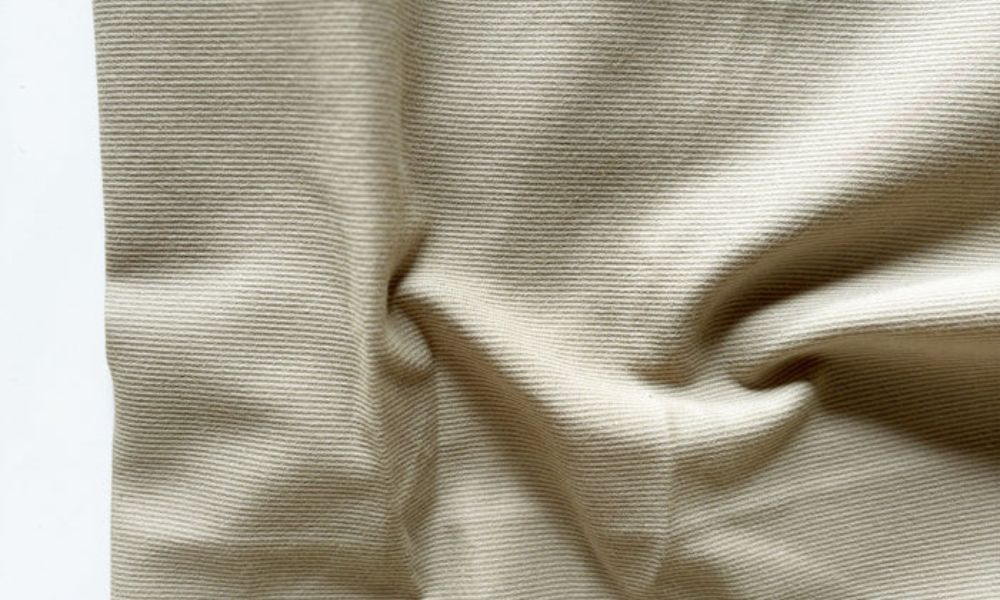
Customers in the Middle East want more wholesale Cotton-Polyester Lycra fabric because they like clothes that are comfortable, breathable, flexible, and long-lasting when it's hot outside. Stretch fabrics have become increasingly popular thanks to trends such as active living, high-end loungewear, modest fashion, and athleisure.
The mix of cotton, polyester, and Lycra makes a cloth structure that is balanced and can be used for both fashion and function:
- Cotton makes things softer and more breathable.
- Polyester makes things last longer and fights wrinkles better.
- Lycra helps your body stretch and heal.
Because of this, Cotton-Poly Lycra fabric is perfect for many types of clothing in the Middle East market.
Key Applications of Cotton-Poly Lycra Fabric
- Fashion & Casualwear
- Activewear & Athleisure
- Modest Fashion Apparel
- Kidswear & Loungewear
- Uniform Manufacturing
Cotton-Poly Lycra is one of the most popular stretch fabrics in the Middle East clothing industry because it can be used for many applications and is affordable enough for businesses to buy.
Where to Buy Cotton Poly Lycra Fabric in the Middle East
Before choosing a seller, buyers should review different sourcing platforms and compare them based on MOQ flexibility, customization support, scalability, clear pricing, and the ability to produce products. Modern online fabric sourcing platforms offer integrated solutions that include fabric development, sampling, dyeing, digital printing, and scalable apparel production. Traditional fabric markets are mostly focused on retail sales.
Top Cotton-Poly Lycra Fabric Suppliers for Middle East Buyers
|
Supplier |
Best For |
MOQ |
Customization |
|
Fabriclore |
Fashion brands & private labels |
Low MOQ |
High |
|
Fabric House Dubai |
Fashion fabrics |
Medium |
Limited |
|
Textile Souq UAE |
General fabric sourcing |
Medium |
Partial |
|
Fabric World Dubai |
Stretch fabrics |
Medium |
Medium |
|
Regal Fabrics Dubai |
Apparel & fashion fabrics |
Medium |
Medium |
|
Deepa Textiles UAE |
Knit & stretch fabrics |
Medium |
Partial |
|
Turkish Textile Suppliers |
Knitwear & bulk fabrics |
Medium |
Medium |
|
Bahariye Textile Turkey |
Polyester & blended fabrics |
High |
Medium |
|
Soktas Turkey |
Premium cotton fabrics |
High |
Medium |
|
Egypt Textile Hub Suppliers |
Cotton fabric sourcing |
Medium |
Limited |
|
Telal Fabrics UAE |
Modest wear fabrics |
Medium |
Medium |
|
Kuwait Textile Center |
General fabric sourcing |
Medium |
Partial |
|
Doha Fabric Market Suppliers |
Fashion & abaya fabrics |
Medium |
Medium |
|
Local Wholesale Markets |
Retail fabric buying |
Low |
Limited |
Even though many suppliers sell fabrics, only a few offer scalable manufacturing support and integrated sourcing environments well-suited to growing clothing brands.
Fabriclore: Trusted Supplier for Cotton-Poly Lycra Fabric in the Middle East

Fabriclore is becoming a popular place for fashion companies in the Middle East to find high-quality Cotton-Poly Lycra fabric, as more and more of them use digital sourcing methods. Fabriclore is unlike other fabric suppliers; it is a tech-enabled platform for startups, private labels, fashion brands, and global clothing businesses to source fabrics and make clothes.
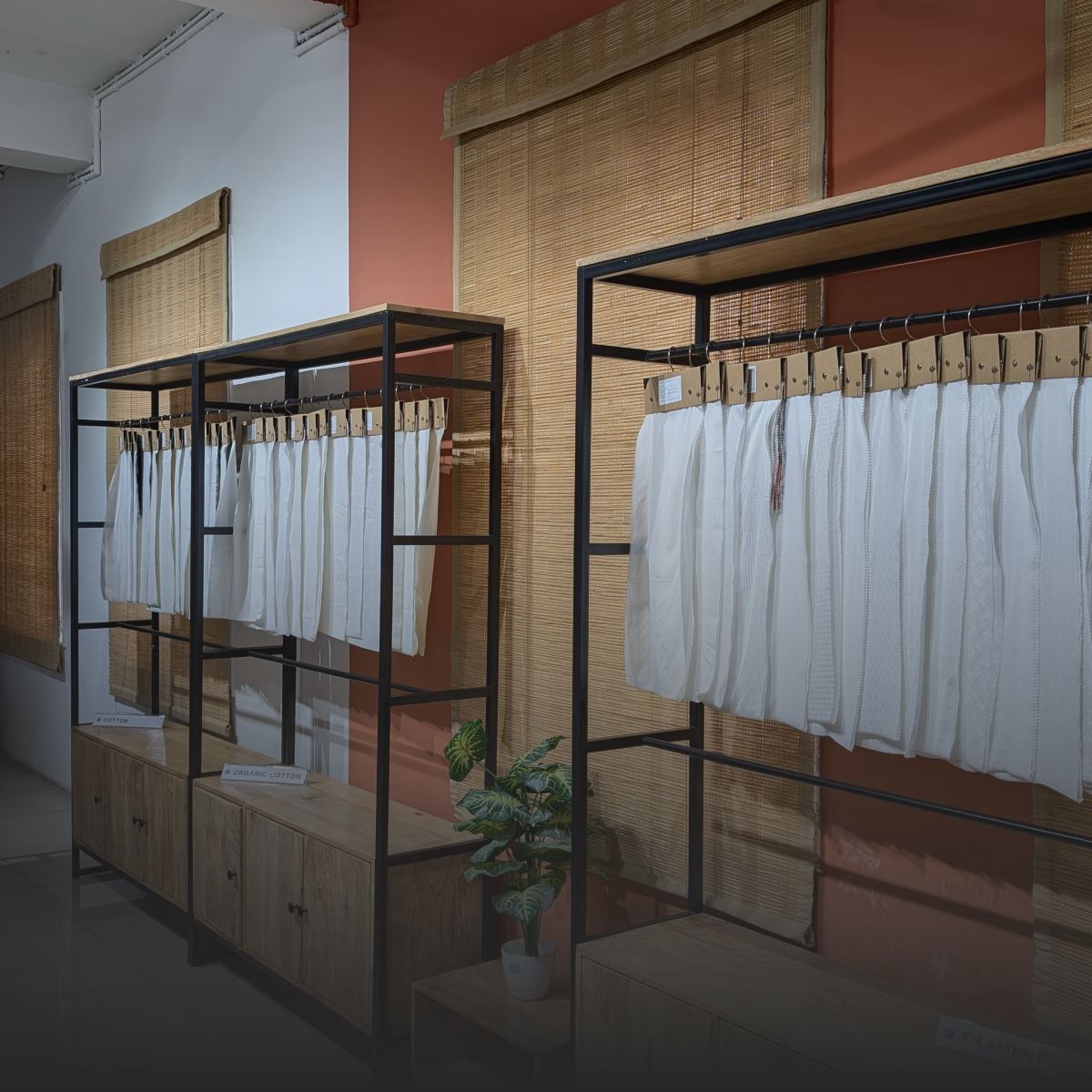
With 5000+ fabrics to choose from, buyers on Fabriclore can find stretch blends, knit fabrics, eco-friendly textiles, and custom fabric options all in one place. The company blends sourcing, customization, dying, digital printing, sampling, processing, and bulk manufacturing into a single workflow. This makes it easier for brands to find the right materials and make more of them.
Backed by 10+ years of experience in printing and dying, Fabriclore helps with the creation of unique textiles by offering high-quality control, accurate color matching, and advanced fabric processing tools. 500+ small to large private labels globally trust the platform, which makes it a safe place for modern fashion businesses to find clothes.
Key Advantages of Choosing Fabriclore
- Low MOQ support for startups and growing brands.
- Custom dyeing and digital printing capabilities.
- Verified and quality-tested fabrics.
- Transparent pricing and predictable lead times.
- Scalable bulk production infrastructure.
- Technology-backed order tracking systems.
- Technology supported by human textile expertise.
- Consistent bulk production quality.
- Sustainable and export-ready sourcing support.
Fabriclore is also changing the way global buying is done through a scalable manufacturing network of 20 million meters. This network helps brands eliminate supply chain bottlenecks during peak production and keep operations running smoothly.
Supporting Fashion Businesses Across the Middle East
Fabriclore works with fashion brands and buying teams in the following Middle Eastern fashion and retail hubs:
- Dubai
- Abu Dhabi
- Riyadh
- Jeddah
- Doha
- Kuwait City
- Muscat
- Manama
- Sharjah
- Dammam
Businesses can easily handle both small batches and large production from afar with the help of digital sourcing and global logistics planning.
What to Check Before Buying Cotton-Poly Lycra Fabric in the Middle East
There's more to picking the right provider than just looking at prices. Many buyers have issues such as uneven stretch recovery, poor dye quality, shrinkage, late deliveries, and fabrics that don't match because they don't conduct technical evaluations before placing bulk orders.
When brands choose a seller, they should always buy fabric swatches to test:
- Fabric quality.
- Stretch performance.
- GSM consistency.
- Colorfastness.
- Durability.
- Recovery performance.
Textile shopping has become a global habit in which people risk thousands of dollars on fabric samples smaller than a napkin. Civilization is still very committed to chaos.
Fabric Composition
Always carefully check the exact makeup percentages.
Some common blend patterns are:
- 95% Cotton + 5% Lycra.
- 60% Cotton + 35% Polyester + 5% Elastane.
- 50% Cotton + 40% Polyester + 10% Spandex.
Each composition has a different effect on softness, toughness, stretch, and moisture resistance.
GSM (Fabric Weight)
|
GSM Range |
Usage |
|
160–180 GSM |
Lightweight t-shirts |
|
180–220 GSM |
Casualwear & basics |
|
220–300 GSM |
Activewear & leggings |
|
300+ GSM |
Premium heavy stretchwear |
Stretch Recovery Performance
Lycra fabric of excellent quality should:
- Stretch evenly.
- Recover shape quickly.
- Resist bagging after wear.
- Maintain the structure after washing.
Poor stretch recovery shortens the life of clothing.
Certifications & Compliance
Suppliers you can trust usually offer:
- OEKO-TEX certification.
- REACH compliance.
- Sustainable processing standards.
- Export-quality testing.
Offline vs Online Cotton Lycra Fabric Buying in the Middle East
The Middle East textile market is quickly moving toward buying clothes online because digital platforms make it easier to access inventory, allow for customization, and allow production to be scaled up or down.
Offline Fabric Markets
Traditional fabric markets are good for buying things right away and looking at them in person, but they often have trouble with:
- Limited fabric variety.
- Bulk pricing flexibility.
- Manufacturing support.
- Scalability.
- Custom fabric development.
Online Fabric Sourcing Platforms
Today's sourcing tools offer:
- Wider fabric inventory.
- Technical fabric specifications.
- Swatch ordering systems.
- Global shipping support.
- Digital printing services.
- Manufacturing integration.
This makes online buying easier for clothing companies trying to produce more clothing.
Emerging Trends in the Middle East Cotton-Poly Lycra Fabric Market

The textile business in the Middle East is changing thanks to digital sourcing, flexible production systems, and efforts to be more environmentally friendly.
Sustainable Stretch Fabrics
Increasingly, brands are looking for:
- Organic Cotton Lycra fabrics.
- Recycled polyester blends.
- Eco-friendly dyeing.
- Sustainable textile sourcing.
Low MOQ Manufacturing
Fashion companies would rather work with suppliers who:
- Small-batch production.
- Flexible scaling.
- Rapid sampling.
Custom Fabric Development
Users want to buy:
- Digital printed Lycra fabrics.
- Pantone shade matching.
- Exclusive fabric developments.
- Brand-specific stretch constructions.
Why Fashion Brands Prefer Integrated Sourcing Platforms
Today, fashion companies don't like having broken supply chains. Separately coordinating with fabric suppliers, printers, dyeing units, sampling vendors, and makers can cause delays and make operations less efficient.
Integrated sourcing environments make production easier by putting everything in one place:
- Fabric sourcing.
- Customization.
- Dyeing & printing.
- Sampling.
- Manufacturing.
- Quality control.
- Logistics coordination.
This makes production more reliable and lowers the risks of buying.
The Future of Cotton-Poly Lycra Fabric Sourcing in the Middle East
Textile buying is becoming increasingly digital, scalable, and data-driven. Now, fashion brands emphasize:
- Flexible manufacturing systems.
- Sustainable sourcing practices.
- Production transparency.
- Faster turnaround times.
- Reliable supplier partnerships.
- Centralized sourcing ecosystems.
As customer standards keep rising and production cycles get shorter, it will become increasingly important to find sourcing partners who can support both small-scale production and large-scale experimentation.
The future of clothing production worldwide will likely be shaped by technology-enabled sourcing systems that combine textile knowledge with scalable production infrastructure.
Conclusion
It's not enough to just find a fabric seller; you need to find the best place to buy Cotton-Poly Lycra fabric in the Middle East. For modern fashion companies to grow, they need sourcing partners that can offer customization, scalability, transparency, consistent quality, and manufacturing support all within a single environment.
There are many textile wholesalers and fabric shops in the Middle East market, but most traditional suppliers only sell fabric and don't help with large-scale clothing production.
One thing that makes Fabriclore stand out is that it offers 5000+ fabric options, low-MOQ sourcing, custom fabric development, dyeing, digital printing, and scalable production management, all in one place. Its technology-enabled infrastructure and scalable 20 million-meter manufacturing network help brands reduce sourcing fragmentation while making the supply chain more visible and output more efficient.
Integrated sourcing is becoming a must for startups, humble fashion brands, activewear companies, private labels, e-commerce businesses, and global clothing brands that want to stay competitive in the fashion industry.
FAQs
Where Can I Buy Wholesale Cotton-Poly Lycra Fabric In The Middle East?
Online sourcing platforms, textile wholesalers, and global fabric makers are all places where businesses can buy wholesale Cotton-Poly Lycra fabric. Many brands like Fabriclore because it offers low MOQ sourcing, custom dyeing, digital printing, and help for scalable manufacturing.
Is Cotton-Poly Lycra Fabric Suitable For Hot Weather?
Yes. Cotton-Poly Lycra fabric lets air flow, is flexible, and is comfortable. This makes it well-suited for athleisure, casual wear, and warm-weather clothing popular in the Middle East.
What GSM is best for cotton Lycra Activewear?
Most of the time, fabrics between 220 GSM and 300 GSM are better for activewear and tights because they last longer, show less, and retain their shape better.
What Is The Difference Between Lycra And Spandex?
Lycra is a branded version of elastane/spandex fiber. These terms are often used interchangeably in the textile industry.
Is Cotton-Lycra Fabric Good for Modest Fashion Apparel?
Yes. Because it is soft and stretchy, cotton Lycra fabric is often used for modest fashion basics, layering pieces, loungewear, and everyday clothes.
We also happen to be a magnet for suggestions, and would love to catch yours….throw us yours on hello@fabriclore.com
Learn, Create & Grow with us