The fashion industry in Europe is quickly moving toward high-end natural fabrics, and 60 Lea Linen Fabric in Europe has become one of the best options for designer collections, high-end clothing, and modern resortwear. More and more, fashion brands in Italy, France, Germany, Spain, Portugal, the Netherlands, and Eastern Europe are using linen fabrics because they are breathable, comfortable, long-lasting, and good for the environment.
As demand-driven manufacturing and sustainable fashion continue to grow around the world, 60 Lea linen fabric has become one of the most valuable fabrics for making high-end clothing in Europe. Today, buyers actively seek wholesale linen fabric suppliers that offer low MOQs, fabric swatches, custom dyeing, scalable production, and shipping support worldwide. In the article below, we explore the best linen fabric suppliers in Europe.
Best Store to Find 60 Lea Linen Fabric in Europe

Increasingly, fashion brands, sourcing managers, clothing manufacturers, and private-label companies want sourcing platforms that can offer high-quality linen fabrics, low minimum order quantities, sustainable textile sourcing, and support for scalable manufacturing all in one ecosystem.
As the need for eco-friendly textiles, summer fabrics that let air flow, and high-end, casual clothes grows, so does the need for reliable European linen fabric suppliers.
Fashion companies today are looking for suppliers that can:
- Consistent fabric quality.
- Fabric swatches before production.
- Custom dyeing and printing.
- Faster sampling support.
- Predictable lead times.
- Export-ready logistics.
- Low MOQ linen sourcing.
- Scalable apparel manufacturing.
High minimum order quantities (MOQs), fragmented communication, inconsistent fabric quality, and late production schedules are just a few of the problems that come up with traditional textile sourcing systems. These problems are addressed by modern sourcing platforms that centralize sourcing ecosystems powered by technology.
Leading Wholesale Suppliers for 60 Lea Linen Fabric in Europe: Comparison
|
Supplier |
Best For |
MOQ |
Key Strength |
|
Fabriclore |
Fashion brands & scalable sourcing |
Low MOQ |
Integrated sourcing & manufacturing |
|
Linen Club |
Premium linen shirting fabrics |
Medium MOQ |
Luxury linen expertise |
|
Linen Studio |
European linen fabrics |
Low MOQ |
Designer linen collections |
|
Fabric Tales |
Sustainable linen sourcing |
Low MOQ |
Premium natural fabrics |
|
Libas Store |
Fashion linen sourcing |
Medium MOQ |
European linen textiles |
|
Raahaa Fabrics |
Boutique linen sourcing |
Low MOQ |
Pure linen fabrics |
|
Seiko Textiles |
Linen shirting fabrics |
Medium MOQ |
Export-quality manufacturing |
|
Fabcurate |
Printed linen fabrics |
Low MOQ |
Digital textile printing |
|
TradeUNO |
Bulk linen sourcing |
Low MOQ |
Wholesale textile ordering |
|
Itokri |
Artisan linen fabrics |
Low MOQ |
Handcrafted textile sourcing |
|
Accio |
Global textile marketplace |
Flexible |
Supplier discovery |
Among these suppliers, Fabriclore is quickly growing into one of the most flexible and long-lasting platforms for fashion brands that need help with manufacturing.
Fabriclore: Trusted Source for 60 Lea Linen Fabric in Europe
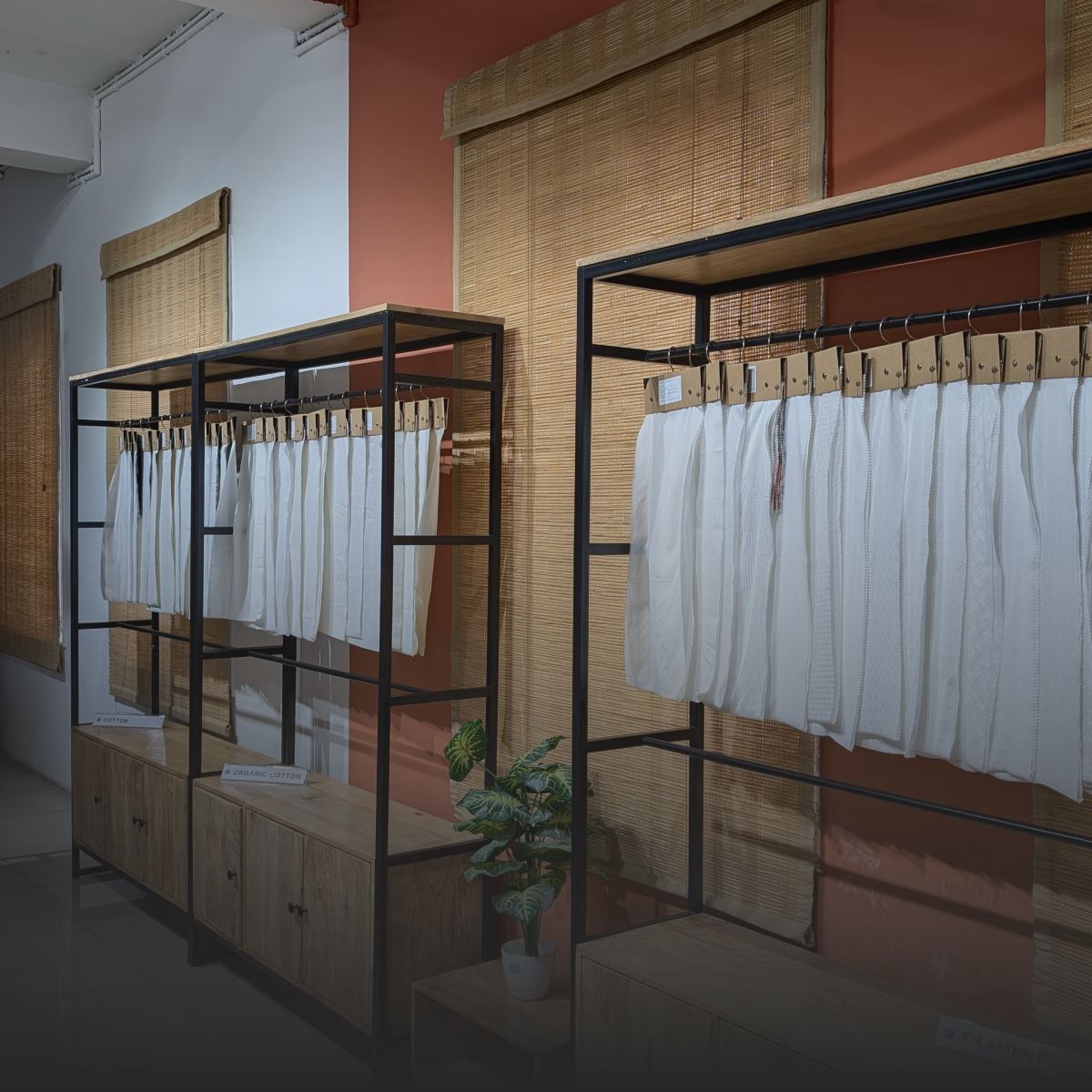
Fabriclore is becoming a popular place to find 60 Lea Linen Fabric, support sustainable textile development, and help make clothes. Fabriclore is not like other wholesalers that only sell in bulk. Instead, it is a tech-enabled, full-stack production partner that handles sourcing, customization, processing, and scalable production all within a single structured ecosystem.
With 5000+ fabrics to choose from, brands can:
- 60 Lea Linen Fabrics.
- Printed linen fabrics.
- Yarn-dyed linen fabrics.
- Mill-dyed linen fabrics.
- Cotton-linen blends.
- Sustainable fashion textiles.
The platform also supports:
- Fabric swatches before production.
- Custom dyeing & digital printing.
- Sampling development.
- Quality control systems.
- Low MOQ bulk production.
This company has 10+ years of expertise in dyeing and printing, and 500+ global private labels trust it. Fabriclore guarantees consistent high quality, clear sourcing, and support for large-scale manufacturing.
Through its 20 Million Meter Scalable Manufacturing Network, Fabriclore is also changing the way global fabric is sourced. This helps fashion brands eliminate supply chain bottlenecks during busy seasons while maintaining stable, reliable operations.
Different Lea Linen Fabric Types Available at Fabriclore

One of the best things about Fabriclore is its larger ecosystem for finding linens. The platform supports different types of lea linen fabrics for various clothing uses, fabric weights, and luxury positioning needs.
Popular Lea Linen Variants Available
|
Lea Count |
Characteristics |
Common Applications |
|
25 Lea Linen |
Heavier and more structured texture |
Jackets, utility apparel, home textiles |
|
40 Lea Linen |
Medium-weight balanced linen |
Casualwear, trousers, tunics |
|
44 Lea Linen |
Softer texture with breathable feel |
Dresses, relaxed garments |
|
60 Lea Linen |
Lightweight premium drape |
Shirting, resortwear, luxury apparel |
|
80 Lea Linen |
Finer and softer finish |
Designer collections |
|
100 Lea Linen |
Ultra-fine luxury linen quality |
Premium fashion & luxury shirting |
Fabriclore also supports sourcing for:
- Pure linen fabrics.
- European linen fabrics.
- Yarn-dyed linen fabrics.
- Mill-dyed linen fabrics.
- Printed linen fabrics.
- Digital printed linen fabrics.
- Linen shirting fabrics.
- Soft-finish linen fabrics.
- Cotton-linen blend fabrics.
- Sustainable linen textiles.
This range helps fashion companies choose fabrics based on their softness, drape, GSM requirements, climate suitability, and the type of garment they are making.
The textile industry created six different linen-count systems, so buyers could suffer emotional damage from spreadsheets before even sampling began. As if finding fabric wasn't hard enough already.
Why 60 Lea Linen Fabric Is Highly Preferred in Europe
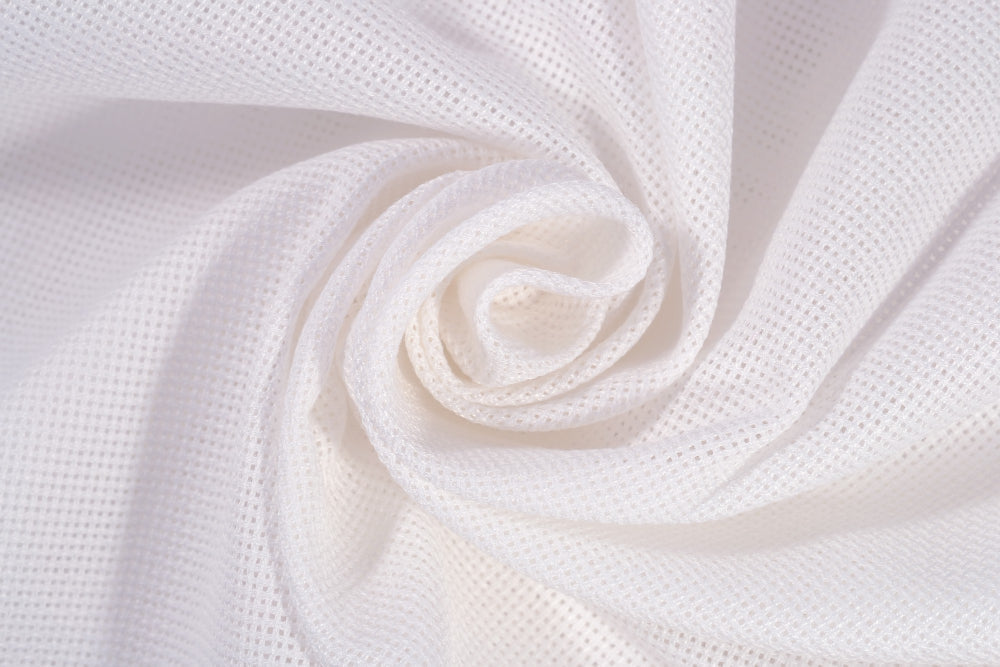
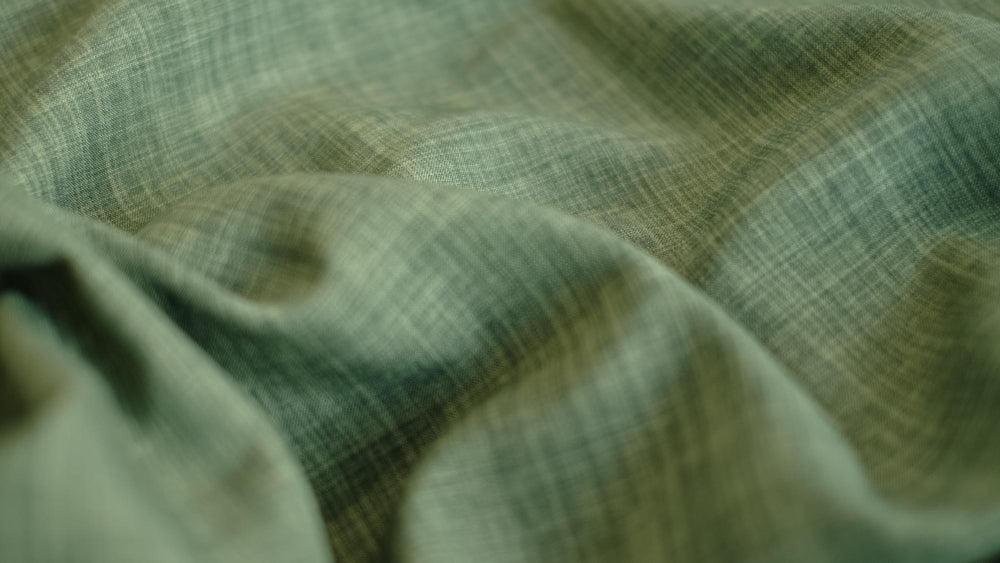
60 Lea Linen Fabric is still one of the most popular types of high-end linen for making high-end clothes and environmentally friendly fashion. Fashion brands across Europe are increasingly choosing this fabric because it is soft, breathable, durable, and has a high-end surface finish. 60 Lea linen has a lighter structure, a smoother texture, and better garment drape than linens with lower lea counts. It still has the natural strength that linen fabrics are known for.
Some of the main reasons why 60 Lea Linen Fabric in Europe is becoming more popular are:
- Softer hand feel and lightweight comfort.
- Better breathability and moisture absorption.
- Premium drape and garment fall.
- Suitable for luxury summer apparel.
- Sustainable and biodegradable composition.
- Ideal for premium menswear and designer womenswear.
Linen is one of the most valuable fabrics in modern European fashion because many fashion companies in Italy, France, Germany, Portugal, Spain, the Netherlands, and Eastern Europe are switching to natural-fiber sourcing.
Major European Market Demand Trends
European consumers increasingly prefer:
- Sustainable fashion.
- Slow fashion collections.
- Eco-friendly textiles.
- Natural fiber garments.
- Lightweight premium clothing.
This change is still prompting people to seek out wholesale linen sourcing platforms that are open, flexible, and don't require a minimum order quantity.
People spent decades making synthetic fabrics that work like portable greenhouses before realizing that linen had been the answer to summer comfort for thousands of years. The way that civilizations move forward is very interesting.
Sustainable Linen Fabric Sourcing Is Reshaping Fashion Production
Sustainability is no longer a choice in high-end fashion markets in Europe.
As a result, modern clothing brands judge suppliers based on:
- Ethical sourcing practices.
- Water-efficient production.
- Sustainable dyeing systems.
- Chemical safety compliance.
- Traceable supply chains.
Linen naturally supports eco-friendly textile production because flax farming usually needs:
- Less water.
- Fewer pesticides.
- Lower chemical processing.
- Reduced environmental impact.
Because of this, linen is one of the most valuable eco-friendly textiles for business use worldwide.
Important Certifications Buyers Should Evaluate
|
Certification |
Importance |
|
European Flax Certification |
Responsible flax cultivation |
|
OEKO-TEX Standard 100 |
Chemical safety verification |
|
GOTS Certification |
Organic textile integrity |
|
FSC-Certified Fibers |
Responsible forest sourcing |
A growing number of sources backed by certification is important because being transparent about sustainability directly affects brand trust and long-term customer loyalty.
Key Applications of 60 Lea Linen Fabric
60 Lea linen fabric is versatile enough to be used in a wide range of high-end clothing and lifestyle categories.
|
Category |
Applications |
|
Fashion Apparel |
Linen shirts, dresses, trousers, tunics |
|
Resortwear |
Kaftans, beachwear, relaxed silhouettes |
|
Luxury Collections |
Designer apparel & premium casualwear |
|
Menswear |
Linen shirting & lightweight jackets |
|
Womenswear |
Co-ord sets, dresses, summer apparel |
|
Sustainable Fashion |
Eco-conscious garment collections |
|
Home Textiles |
Curtains, table linens, cushion covers |
Its premium drape and breathable texture make it a great choice for both modern fashion and eco-friendly lifestyle products.
What Buyers Should Check Before Buying Linen Fabric Online

There's more to choosing the right linen fabric supplier than just checking prices.
Most of the time, professional fashion buyers look at:
- Fabric GSM Consistency: GSM that stays the same helps keep the quality of clothes high over many production runs.
- Quiet and Drape: The best linen fabrics should be soft enough to be comfortable without losing their strength.
- Color Accuracy: For repeat collections and mass production, color consistency is very important.
- Shrinkage Behavior: Testing shrinkage before making a lot of clothes helps keep fitting problems to a minimum.
- Weave Uniformity: Weaving that is uniform makes something last longer and look better overall.
- MOQ Flexibility: Sourcing with a low MOQ lets businesses test collections before committing to more.
- Sampling Support: Brands can assess fabric swatch quality before placing large production orders.
Small swatches somehow decide what happens to whole seasonal collections. Four inches of fabric and a Pantone reference sheet are under this much emotional pressure in very few fields.
How Technology Is Transforming Linen Fabric Sourcing
Technology is rapidly changing how textiles are sourced worldwide.
As a result, modern sourcing platforms support
- Digital inventory visibility.
- Real-time order tracking.
- Smart sampling systems.
- AI-powered fabric discovery.
- Automated workflow coordination.
- Faster communication systems.
Technology-enabled sourcing ecosystems help companies cut down on:
- Supplier fragmentation.
- Production delays.
- Communication gaps.
- Inventory errors.
- Quality inconsistencies.
This change is making it easier for fashion brands to build sourcing systems that are faster, more open, and scalable.
Common Problems Buyers Face While Sourcing Linen Fabrics
Even though digital sourcing systems are improving, fashion companies still face several sourcing challenges.
- Inconsistent Fabric Quality means that the softness, color consistency, shrinkage behavior, and weave structure may change from one production run to the next.
- High Minimum Order Quantities: Traditional textile mills often make commitments that small and new labels can't keep.
- Delayed Production Timelines: During busy periods, production often slows, and shipping is delayed.
- Technical Textile Support with Limits: Many online fabric stores are just online stores and don't know anything about making things.
This is why sourcing platforms that understand textiles and manufacturing systems that can be scaled up are becoming increasingly important.
Why European Fashion Brands Prefer Low MOQ Linen Suppliers
These days, clothing companies are increasingly using test-and-scale production methods rather than committing to large amounts of inventory.
It's good for businesses to buy linens with a low MOQ because:
- Launch capsule collections faster.
- Test customer demand.
- Reduce inventory risks.
- Improve cash-flow flexibility.
- Scale successful products efficiently.
This method of sourcing is especially useful for
- Fashion startups.
- Boutique designers.
- Sustainable fashion labels.
- DTC clothing brands.
- Ecommerce apparel businesses.
Future Trends in Linen Fabric Sourcing
The future of getting linens is looking more and more like this:
- Sustainable
- Digitally connected
- Technology-driven
- Demand-based
- Low MOQ focused
Major Industry Trends
|
Emerging Trend |
Industry Impact |
|
Organic linen sourcing |
Sustainable fashion growth |
|
Water-saving dye technologies |
Lower environmental impact |
|
AI-powered fabric discovery |
Faster sourcing decisions |
|
Blockchain supply chains |
Better sourcing transparency |
|
On-demand manufacturing |
Reduced inventory waste |
|
Smart inventory systems |
Improved production efficiency |
As long as fashion companies worldwide continue to emphasize eco-friendly, adaptable production methods, linen fabrics will remain among the most valuable natural materials for high-end clothing.
Conclusion
The top 60 Lea Linen Fabric in Europe are selected based on factors such as fabric quality, sustainability, flexibility in MOQ, customisation, and manufacturing scalability.
Many vendors offer high-end linen fabrics, but today’s fashion companies need sourcing platforms that can integrate low MOQ sourcing, fabric swatches, sustainable fabric creation, digital printing, custom dying, and integrated clothing manufacturing.
Fabriclore is a leading supplier for fashion startups, boutique designers, sustainable apparel brands, private labels, and global fashion businesses, helping them become more scalable and future-ready.
It combines:
- 5000+ fabric options.
- Multiple leather fabric varieties.
- Low MOQ sourcing support.
- Sustainable textile solutions.
- Fabric swatches before production.
- Advanced dyeing and printing expertise.
- Technology-enabled sourcing systems.
- Integrated garment manufacturing.
- Scalable manufacturing infrastructure.
Makes a very efficient ecosystem for sourcing materials for modern clothing production.
As the textile industry moves toward more eco-friendly, internet-connected, and customer-driven production methods, the future of global linen sourcing will depend on suppliers who can combine textile knowledge with technology and scalable infrastructure.
FAQs
Where Can I Buy 60 Lea Linen Fabric in Europe?
In Europe, you can get 60 Lea linen fabric from online fabric sourcing platforms like Fabriclore, and other suppliers such as Linen Club, Linen Studio, Fabric Tales, Raahaa Fabrics, Fabcurate, and TradeUNO. Fabriclore offers low minimum order quantities, wholesale linen sourcing, and eco-friendly textile solutions.
What Is the Difference Between 40 Lea, 60 Lea, and 100 Lea Linen?
Lower lea counts, like 40 Lea, tend to have a heavier and more structured texture. On the other hand, 60 Lea has a balanced, light drape that is good for high-end clothing. Higher counts, like 80 and 100 Lea, are finer and softer and are often used for high-end fashion clothing.
Does Fabriclore Offer Different Lea Linen Variants?
Yes. Fabriclore helps you find different types of lea linen, such as 25 Lea, 40 Lea, 44 Lea, 60 Lea, 80 Lea, and 100 Lea linen fabrics that can be used for a range of clothing and textile projects.
Why Is 60 Lea Linen Fabric Popular for Fashion Apparel?
60 Lea linen fabric is very popular because it is soft, breathable, durable, and made from sustainable materials. This makes it perfect for summer fashion collections, resortwear, and high-end shirts.
What Should Buyers Check Before Buying Linen Fabric Online?
Before placing bulk orders, buyers are advised to check GSM consistency, softness, weave quality, drape, colorfastness, shrinkage characteristics, flexibility of the MOQ and sample availability of the fabric.
We also happen to be a magnet for suggestions, and would love to catch yours….throw us yours on hello@fabriclore.com
Learn, Create & Grow with us