
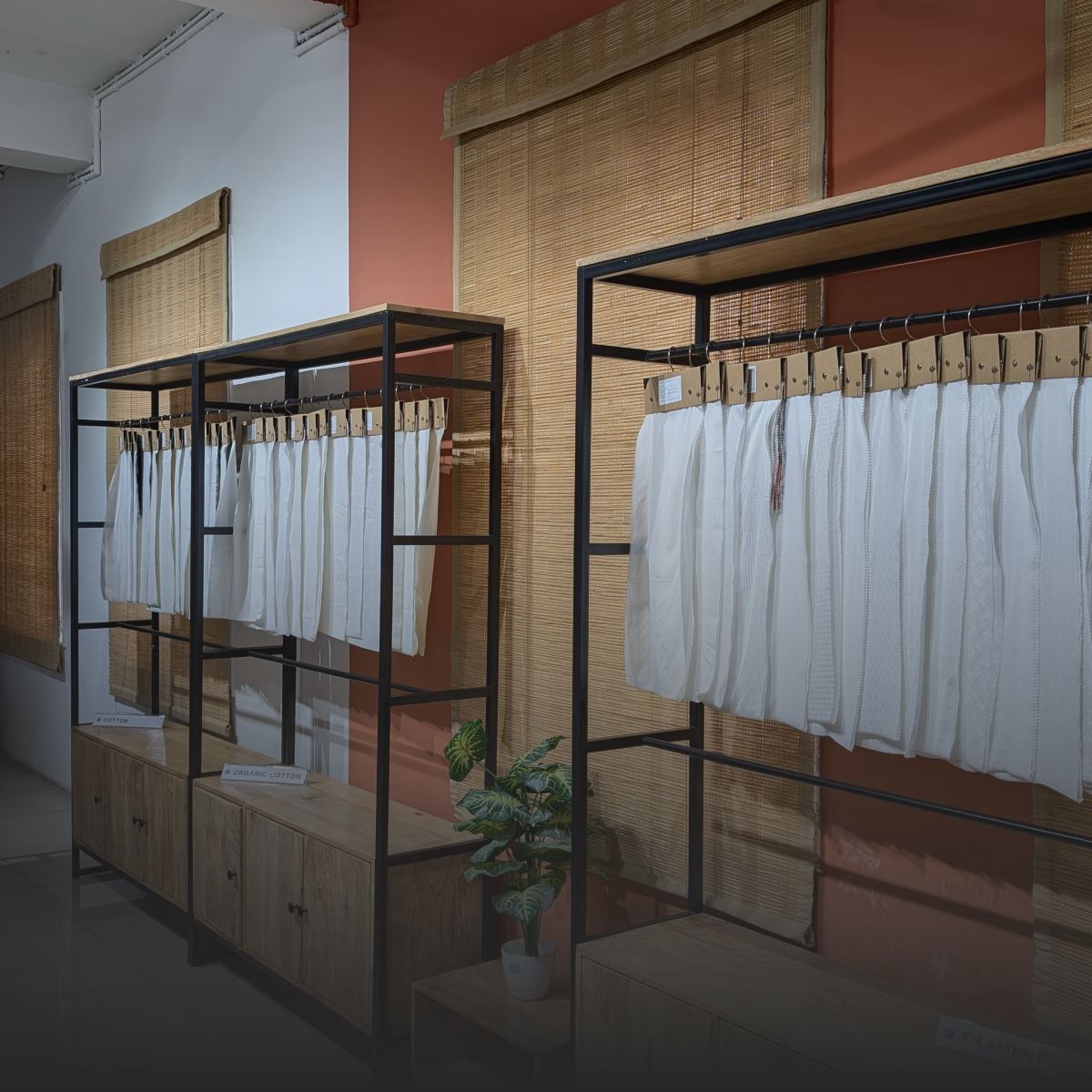

The clothing industry in Australia is influenced by its diverse climate, lifestyle-driven fashion, growing sustainability awareness, and consumers who prioritize quality. Fabric choice significantly influences garment comfort, durability, and market success, whether in humid coastal areas or cooler southern states.
Among all textile categories, woven fabrics remain foundational to Australian apparel—used across shirts, dresses, trousers, resortwear, workwear, kidswear, and premium fashion.
The article explores the best types of Woven Fabrics for Clothing in Australia and where to buy fabric online at wholesale prices. Whether you are a designer, private-label clothing manufacturer, or in the fashion industry, this article will help you make informed purchasing selections.
Why Woven Fabrics Are Essential for the Australian Apparel Market

You cross the warp and weft yarns at right angles when you weave. This makes fabrics that are stronger, more structured, and last longer than knits.
It is better for Australia to use woven cloths because;
- Perform well in hot and dry climates.
- Offer breathability and airflow.
- Hold shape in tailored and semi-formal garments.
- Support natural fibres and sustainable fashion.
- They are ideal for resort, workwear, casual, and lifestyle clothing.
Authentic fabric quality, transparency in sourcing, and the ability to 'buy fabric swatches before bulk order' are things Australians want more and more, especially when ordering in bulk or online.
Key Factors That Influence Fabric Choice in Australia
Before you look at different fabrics, you should know why some woven fabrics outperform others in Australia:
1. Climate Compatibility
- For summer, it should be light and airy.
- Easy to layer for warm winters.
- Taking in moisture for coastal areas.
2. Lifestyle & Fashion Culture
- Relaxed silhouettes.
- Resort-inspired clothing.
- Functional everyday wear.
3. Sustainability Expectations
- Natural fibers.
- Low-impact dyeing.
- Ethical sourcing.
4. Durability & Value
- Long-lasting fabrics.
- Easy maintenance.
- Cost efficiency for bulk fabric orders.
Best Woven Fabrics for Australian Clothing
|
Woven Fabric Type |
Key Property |
Climate Suitability |
Common Clothing Uses |
Market Demand in Australia |
|
Authentic Linen Fabric |
Highly breathable |
Hot & coastal regions |
Shirts, dresses, resortwear, trousers |
Very High |
|
Cotton Poplin |
Lightweight & smooth |
Warm to mild climates |
Shirts, blouses, kidswear, summer dresses |
High |
|
Cotton Twill / Chino |
Strong & durable |
All-season |
Chinos, cargos, skirts, workwear |
High |
|
Denim |
Durable & versatile |
Year-round |
Jeans, jackets, skirts, kidswear |
Very High |
|
Rayon / Viscose |
Soft & flowing |
Warm climates |
Dresses, blouses, co-ords |
High |
|
Chambray |
Breathable denim-look |
Warm climates |
Shirts, casual dresses, kidswear |
Medium–High |
|
Cotton Sateen |
Smooth & premium |
Warm to mild |
Dresses, nightwear, resortwear |
Medium |
|
Crepe & Textured Wovens |
Wrinkle-resistant |
Travel & summer wear |
Tops, dresses, occasionwear |
Medium |
Best Woven Fabrics for Australian Clothing

Australia's environment, way of life, and fashion market that cares about sustainability make fabric choice very important for clothing brands and designers.
The section below discusses some critical woven fabrics suitable for clothing in Australia:
1. Linen Fabric – The Cornerstone of Australian Summerwear
Linen is one of Australia's most essential woven fabrics.
Authentic linen fabric, made from flax fibres, is highly valued for its ability to breathe, repel moisture, and have a loose texture, all of which are perfect for Australia's hot environment.
Why linen dominates the Australian market
- Exceptional airflow and cooling properties.
- Absorbs moisture without feeling damp.
- Natural, biodegradable, and sustainable.
- Ages beautifully with wear.
Common clothing applications
- Men’s and women’s shirts.
- Resort sets and co-ords.
- Dresses, kaftans, and beachwear.
- Linen trousers and relaxed tailoring.
Sourcing insight
Designers and brands are buying enzyme-washed or softer linen and linen blends (linen–cotton, linen–viscose) because they look more authentic and wrinkle less.
2. Cotton Poplin – Lightweight, Structured & Everyday Ready
The cotton poplin fabric is widely used to make clothes on the streets of Australia due to its breathable, soft and well-structured nature.
Key characteristics
- Fine yarns that have a smooth surface.
- Lightweight yet durable.
- Excellent dye and print absorption.
Best uses
- Shirts and blouses.
- Kidswear and uniforms.
- Summer dresses and tops.
- Resort and casual wear.
Why brands love it
- Affordable for wholesale fabric orders.
- Easy to cut, stitch, and finish.
- Consistent quality in bulk fabric sourcing.
3. Cotton Twill & Chino Fabric – Strength Meets Style
The vertical weave makes twill fabrics easy to identify. They are often used for bottomwear as well as practical clothing in Australia.
Advantages
- High durability and tear-resistant.
- It is comfortable for all-year-round use.
- Better drape than plain weaves.
Popular garment categories
- Chinos and trousers.
- Cargo pants and skirts.
- Workwear and uniforms.
- Lightweight jackets and overshirts.
Commercial relevance
Because it operates the same way in different weights, twill is ideal in large-scale textile production for companies which want to expand.
4. Denim – A Year-Round Woven Essential
Denim is still a popular woven cloth in Australia's lifestyle, streetwear, and casual wear markets.
Modern denim trends in Australia
- Denim that is light for summer.
- Stretchy denim is nice for ease.
- Washed and dyed for clothing styles.
- Sustainable fabric that uses less water.
Common uses
- Jeans and skirts.
- Denim jackets and shackets.
- Kidswear and unisex collections.
Australian brands are choosing denim weights (6–9 oz) that let more air pass through.
5. Rayon / Viscose Woven Fabrics – Soft, Flowing & Fashion-Forward
A lot of Australian women's clothing is made of rayon and viscose because they drape effortlessly and feel good.
Why viscose works
- Breathable like cotton.
- Drapes like silk.
- Ideal for prints and vibrant colours.
Garment applications
- Dresses and skirts.
- Blouses and tops.
- Resortwear and co-ords.
Sustainability note
A lot of people in Australia now want viscose that was carefully sourced and dyed in ways that don't hurt the earth.
6. Chambray – Lightweight Denim Look Without the Weight
Chambray has the visual appeal of denim but lets air flow through it better.
Benefits
- Lighter and softer than denim.
- Excellent for warm climates.
- Easy to style and maintain.
Best uses
- Shirts and casual dresses.
- Kidswear.
- Relaxed everyday apparel.
7. Cotton Sateen – Smooth, Premium & Refined
Cotton sateen is an elegant satin weave which makes it appear glossy and smooth to the skin.
Why is it appealing to premium buyers?
- More soft than traditional cotton weaves.
- Elegant finish with no syn shimmer.
- Comfortable in warm climates.
Applications
- Dresses and skirts.
- Nightwear and loungewear.
- Premium resort collections.
8. Crepe & Lightweight Textured Wovens
Australians prefer crepe fabric because it offers texture, motion, and wrinkle resistance.
Its common uses:
- Dresses and tops for women.
- Formal yet breathable silhouettes.
- Travel-friendly apparel.
How Australian Brands Buy Woven Fabrics Today
Australian buyers increasingly prefer:
- Wholesale fabric suppliers offering transparency.
- Ability to buy fabric swatches before bulk order.
- Low MOQ fabric sourcing.
- Reliable fabric suppliers with export expertise.
- End-to-end support from greige to finished fabric.
This is where platforms like Fabriclore add value.
Fabriclore’s Role in Woven Fabric Sourcing for Australia

Fabriclore helps buyers in Australia and around the world find reliable, scalable, and precise ways to buy fabric. They have more than 10 years of experience in finding fabrics, dyeing them, and printing them. Fabriclore helps fashion companies buy fabrics and make clothes more efficiently, from the first idea to mass production. 500+ global brands trust it.
Fabriclore gives you:
- Greige, RFD, dyed, and printed woven fabrics—a complete fabric range.
- Wholesale linen, cotton, viscose and blended woven fabrics for various garments.
- Low MOQ customization for small and expanding labels.
- For uniformity and compliance, authentic fabric quality with mill-level traceability.
- Buy fabric swatches before bulk orders to reduce source risk.
- Custom garment manufacture with a low MOQ and end-to-end assistance.
Australian designers, boutiques, small enterprises, and worldwide private labels seeking reliable production partners can use Fabriclore to find export-ready clothing manufacturers.
Best Woven Fabrics by Clothing Category (Australia)
|
Category |
Recommended Woven Fabrics |
|
Summer & Resortwear |
Linen, Viscose, Voile |
|
Shirts & Blouses |
Poplin, Chambray, Linen |
|
Bottomwear |
Twill, Denim, Linen |
|
Women’s Fashion |
Viscose, Crepe, Sateen |
|
Kidswear |
Poplin, Chambray, Muslin |
|
Workwear |
Twill, Canvas, Denim |
Buying Wholesale Woven Fabric Online – What to Look For

When looking for woven fabric online in Australia, for your brands, please make sure:
- Fabric composition transparency.
- Weight (GSM) is clearly specified.
- Shrinkage and colorfastness tested.
- Ethical and sustainable sourcing.
- Sampling support before bulk orders.
Final Thoughts
In the Australian clothing market, picking the right woven fabric is more than just a fashion choice; it's also a commercial, climatic, and brand-defining choice.
The best woven fabrics for clothes in Australia are those that offer comfort, longevity, sustainability, and versatility. These can range from authentic linen and breathable cottons to elegant viscose and long-lasting twills.
Working with an experienced sourcing platform is the best way for brands to achieve long-term success when sourcing wholesale fabric, bulk fabric, or custom apparel manufacturing with low MOQs.
FAQs
1. What Is The Best Woven Fabric For Hot Australian Weather?
Linen fabric is the best textile for hot climates in Australia because it breathes well, soaks up moisture, and naturally cools you down. Lightweight viscose and cotton poplin are also popular choices for summer.
2. Which Woven Fabrics Are Most Suitable For Australian Fashion Brands?
Mostly, Australian designers and brands use linen, cotton, poplin, twill, denim, viscose, and chambray in dressmaking and apparel. These fabrics offer a good balance of comfort, style, and durability, and meet sustainability and healthy-lifestyle standards.
3. Can I Buy Woven Fabric Online In Australia Before Placing A Bulk Order?
Yes, many wholesale fabric providers let customers buy fabric swatches before placing bulk orders.
This lets designers and brands check the quality, GSM, texture, and colour accuracy before committing.
4. What Should I Check When Sourcing Wholesale Woven Fabric For Clothing?
If you're looking for wholesale woven fabric, make sure you check the GSM, shrinkage, colorfastness, sustainability certifications, and availability with low MOQs. This is especially important if you're buying online or for private labels.
5. Are Low-MOQ Woven Fabric And Garment Manufacturing Options Available For Australia?
Yes, Fabriclore offers low MOQ options for fabric sourcing and garment and clothing manufacturing in Australia. This makes it easier for small brands, designers, and startups to start collections or grow their businesses.
We also happen to be a magnet for suggestions, and would love to catch yours….throw us yours on hello@fabriclore.com
Learn, Create & Grow with us 


