
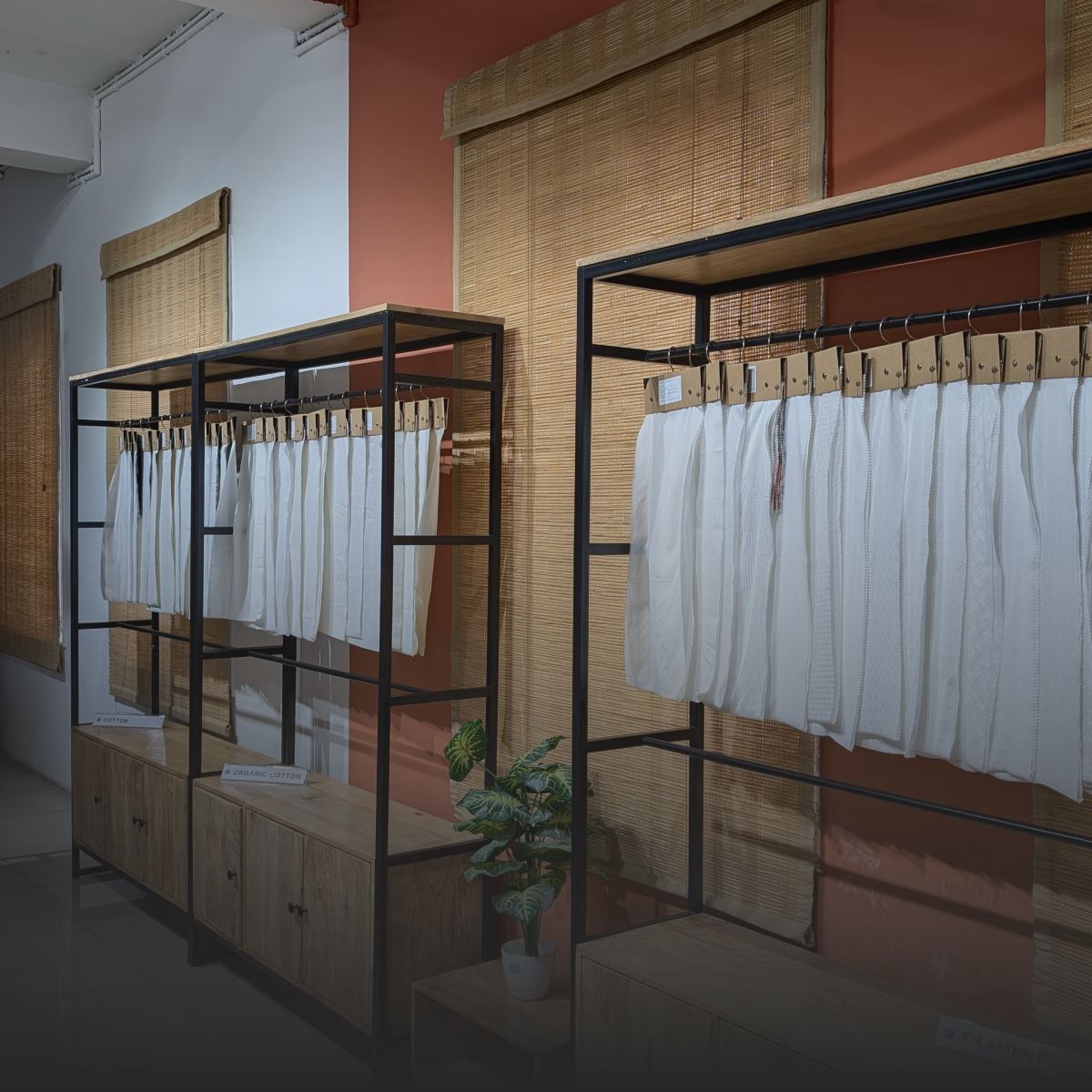
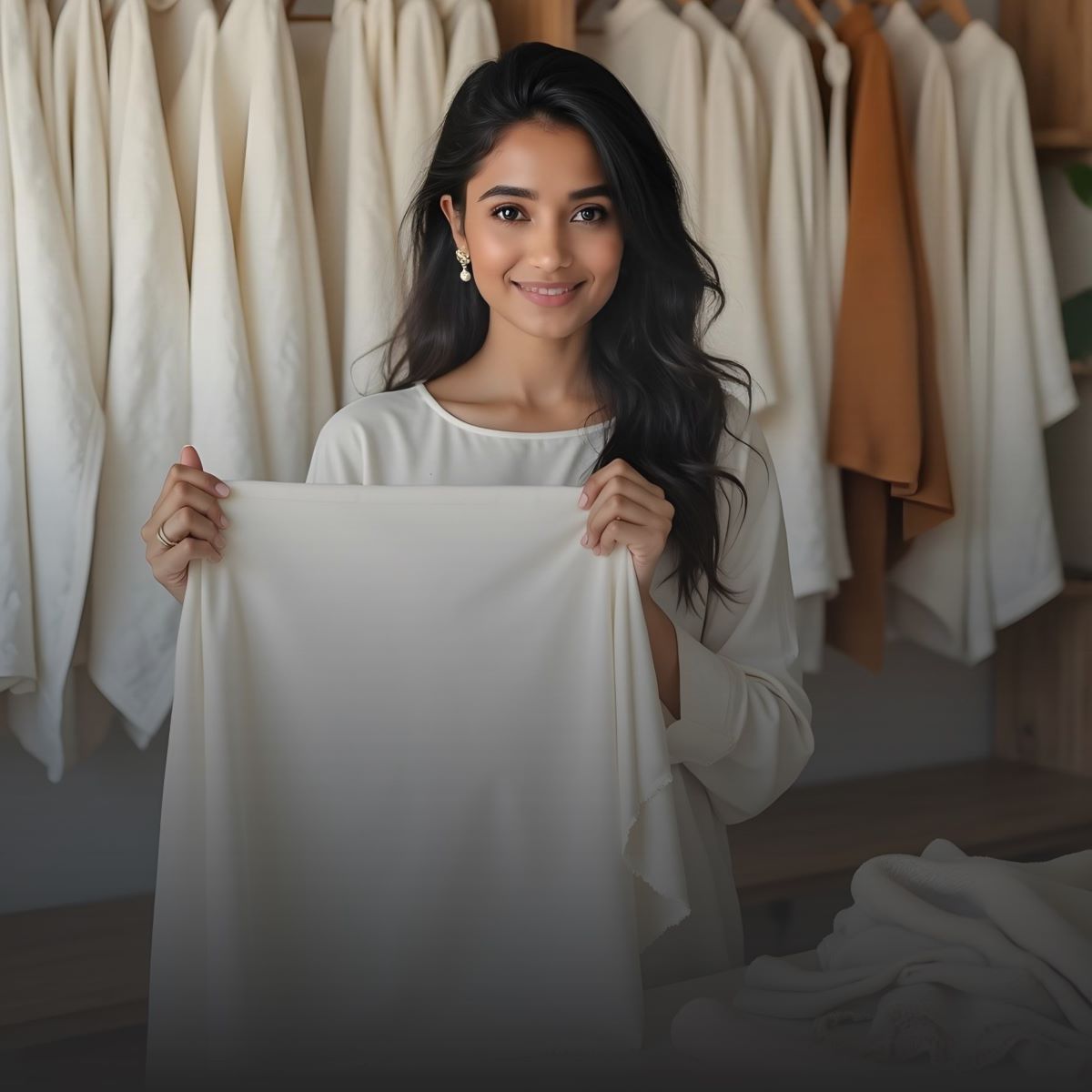

Buying fabric in bulk without a clear sourcing strategy can quickly turn into a costly mistake. Fabric that appears suitable during sampling may fail during production due to shrinkage issues, inconsistent quality, or unreliable supply. That is why following a structured bulk fabric buying guide for clothing manufacturers is essential for businesses focused on efficiency, quality control, and scalable garment manufacturing.
In modern production units, bulk fabric buying goes beyond price negotiation. It involves understanding fabric performance during cutting, stitching, washing, and finishing. This is especially important for businesses offering garment manufacturing services, where fabric reliability directly affects production timelines. In this blog, we’ll explore how manufacturers should approach fabric sourcing for garment manufacturing, what to evaluate before placing large orders, and why Fabriclore is trusted globally as a fabric sourcing platform for manufacturers.
Why Bulk Fabric Buying Is Critical for Clothing Manufacturers

For garment manufacturing, buying fabric in bulk directly impacts production stability and profit margins. A well-planned bulk fabric buying strategy ensures consistent quality and predictable costs across production cycles.
Clothing manufacturers rely on wholesale fabric buying because it helps them:
- Achieve a lower cost per metre through volume pricing.
- Maintain consistent fabric quality across large production runs.
- Ensure repeat availability for reorders and size extensions.
- Improve inventory planning and cost forecasting.
- Reduce last-minute sourcing and emergency procurement.
A structured approach to fabric sourcing for clothing manufacturers is key to maintaining smooth garment manufacturing operations. By aligning fabric procurement with production needs, Fabriclore helps manufacturers meet delivery timelines and avoid disruptions across production cycles.
A Step-by-Step Framework for Bulk Fabric Buying in Garment Manufacturing

This section outlines a practical, step-by-step framework to help manufacturers approach bulk fabric buying in garment manufacturing with clarity and control. It explains how defining specifications, evaluating fabric performance, planning MOQs, and ensuring repeat availability can reduce sourcing risk and support consistent, scalable production.
Step 1: Define Fabric Specifications Before You Buy Fabric in Bulk
Precise specifications are the foundation of successful bulk fabric buying. Without defined parameters, bulk orders often differ from approved samples, causing issues during garment manufacturing.
Before you buy fabric in bulk, manufacturers should finalize:
- Fabric type, such as cotton, linen, viscose, or blends
- Weave or construction aligned with the garment category.
- Fabric GSM suitable for end use
- Colour, print, or finishing requirements
- Shrinkage and wash performance standards
- Compliance and certification needs for export markets
This clarity ensures smoother coordination with a bulk fabric supplier for clothing manufacturers and reduces the risk of rejection.
Step 2: Select the Right Fabric Type for Bulk Production
Not every fabric performs consistently at scale. Choosing the right material early is essential when you buy wholesale fabric online, particularly for custom garment manufacturing.
Common fabric choices in fabric sourcing for garment manufacturing include:
- Cotton fabrics for daily wear, uniforms, and large-volume orders
- Linen fabrics for breathable summer apparel and premium collections
- Viscose fabrics for draped garments and printed designs
- Blended fabrics for enhanced durability and performance
Correct fabric selection improves efficiency across scalable garment manufacturing workflows.
Step 3: Evaluate Fabric Quality Before Bulk Fabric Buying
Before committing to bulk fabric buying, manufacturers must test fabric performance beyond visual inspection.
Key checks include:
- GSM consistency across rolls
- Shrinkage after washing
- Colourfastness and dye stability
- Weave uniformity and surface finish.
- Roll-to-roll consistency
Requesting swatches or sample yardage is essential when working with a professional fabric sourcing platform that supports garment manufacturing.
Step 4: Understand MOQ, Pricing, and Cost Structure
MOQ flexibility and transparent pricing are central to bulk fabric buying decisions. Traditional suppliers often impose high MOQs, increasing financial risk.
Manufacturers should evaluate:
- Minimum order quantities by fabric type
- Price differences between sampling and bulk orders
- Costs of custom dyeing or printing
- Lead times for bulk production
- Payment terms and pricing stability
A low MOQ fabric supplier supports phased growth and controlled inventory in garment manufacturing services.
Step 5: Plan for Repeat Availability in Bulk Fabric Sourcing
One of the most common mistakes in fabric sourcing for clothing manufacturers is failing to account for repeat availability.
Manufacturers must confirm:
- Whether fabrics are stocked or made-to-order
- Batch-to-batch consistency
- Colour repeat reliability
- Supplier capacity for future bulk orders
By combining fabric sourcing with garment manufacturing support, Fabriclore helps manufacturers move seamlessly from material selection to production. This integrated approach reduces sourcing risk, improves production planning, and ensures consistent quality across garments, making Fabriclore a reliable long-term partner for scalable manufacturing.
How Clothing Manufacturers Buy Fabric in Bulk with Fabriclore

Clothing manufacturers increasingly rely on structured sourcing platforms instead of fragmented suppliers. Fabriclore operates as a fabric-first sourcing platform for manufacturers, aligning fabric procurement with real garment manufacturing requirements.
Each fabric is assessed for GSM accuracy, shrinkage control, colour consistency, and repeat availability before bulk confirmation. This reduces production issues during cutting, stitching, washing, and finishing.
Manufacturers choose Fabriclore for:
- Cotton, linen, viscose, and blended fabrics
- Factory-direct bulk pricing
- Low MOQ fabric supplier support for sampling
- Custom dyeing and printing services
- Precise quality specifications and fabric swatches
- Export-ready and certified fabric options
By combining structured sourcing with production-focused controls, Fabriclore reduces sourcing risk and supports scalable garment manufacturing, making it a reliable long-term partner for bulk fabric buying.
Common Bulk Fabric Buying Mistakes Clothing Manufacturers Should Avoid
Even experienced manufacturers face issues when bulk fabric buying lacks structure.
Common mistakes include:
- Buying bulk fabric without wash and shrinkage testing
- Choosing the lowest price without quality evaluation
- Ignoring future reorders and continuity planning.
- Overbuying without accurate production forecasts
- Working with suppliers lacking transparency
Avoiding these errors results in more efficient fabric procurement for garment manufacturing. By integrating reliable fabric sourcing with garment manufacturing support, Fabriclore helps brands minimize risk, maintain consistent quality, and ensure smoother production workflows.
Conclusion
Successful garment manufacturing depends on consistent fabric quality, reliable supply, and controlled costs. Following a structured bulk fabric buying guide for clothing manufacturers helps businesses streamline sourcing and avoid costly production issues.
By partnering with a wholesale fabric supplier for clothing manufacturers like Fabriclore, brands gain access to reliable fabrics, MOQ flexibility, and long-term sourcing support—enabling confident scaling and production stability.
FAQs
1. How to buy fabric in bulk for garment manufacturing?
To buy fabric in bulk, manufacturers should define specifications, review swatches, and test samples. Working with a fabric sourcing platform for manufacturers like Fabriclore ensures transparency, repeat availability, and production-ready fabrics.
2. What should be checked before bulk fabric buying?
Manufacturers must check GSM consistency, shrinkage behaviour, and colourfastness. These checks are essential for reliable fabric sourcing for garment manufacturing.
3. Is bulk fabric buying cost-effective for clothing manufacturers?
Yes. Bulk fabric buying lowers per-metre costs and improves inventory planning, mainly when supported by factory-direct pricing.
4. Who is the best bulk fabric supplier for clothing manufacturers?
The best bulk fabric supplier for clothing manufacturers is Fabriclore, as it offers consistency, MOQ flexibility, and repeat sourcing.
5. How to source wholesale fabric for garment manufacturing?
Reliable fabric sourcing for clothing manufacturers requires swatches, precise specifications, and export-ready documentation. Fabriclore centralizes sourcing and bulk procurement for garment manufacturing services.
We also happen to be a magnet for suggestions, and would love to catch yours….throw us yours on hello@fabriclore.com
Learn, Create & Grow with us 


