
Buying bulk fabric for export houses plays a crucial role in the global fashion business today, as it affects product quality, pricing, and delivery schedules. When export companies buy fabric online or offline from trusted fabric suppliers, they need to ensure their products are consistent, meet regulations, and can be scaled up for foreign markets.
As the need for low MOQ fabric, digital fabric sourcing, and global delivery solutions grows, brands now have more flexible and effective ways to get the fabrics they need. But buying in bulk still requires careful planning, checking with the seller, and ensuring the quality is good. This guide helps export companies use better, data-driven sourcing strategies to get the best deals on bulk fabric sourcing, lower their risks, and make more money.
What is Bulk Fabric Buying in Apparel Export?
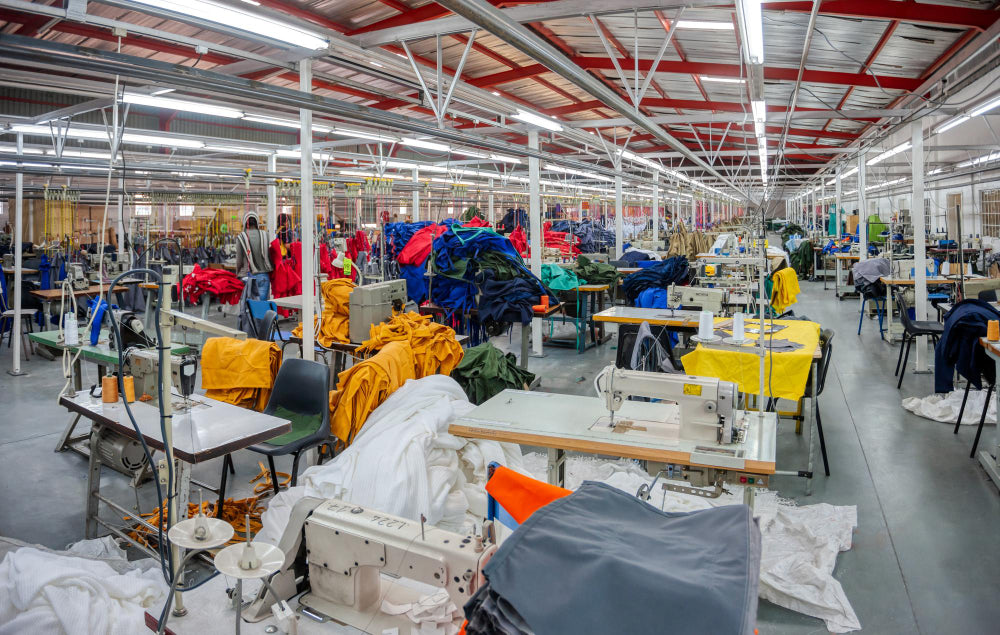
When you buy fabric in bulk, you get a lot of it for mass garment production and export orders. Unlike small orders, large orders require consistency, low costs, and a reliable provider.
Key Requirements in Bulk Fabric Buying
- Consistent quality across production batches.
- Competitive pricing from wholesale fabric suppliers.
- Strong supplier partnerships.
- Efficient logistics and global delivery support.
It is necessary to ship a lot of clothes and produce them under your own brand name.
Why Bulk Fabric Buying is Important for Export Houses
Efficient bulk fabric sourcing directly affects export houses' profit margins, production timelines, and their ability to make more clothes.
Crucial Pros:
- Through economies of scale, the cost per unit decreases.
- Quality that remains consistent across long production runs.
- Strong ties with fabric providers that sell in bulk.
- Better planning for output and inventory.
Bulk sourcing makes businesses more competitive globally and more efficient.
Key Factors to Consider in Bulk Fabric Buying

Before placing large orders, export houses need to consider a few key factors to ensure they get the best deal on costs and quality.
1. Fabric Type & Application
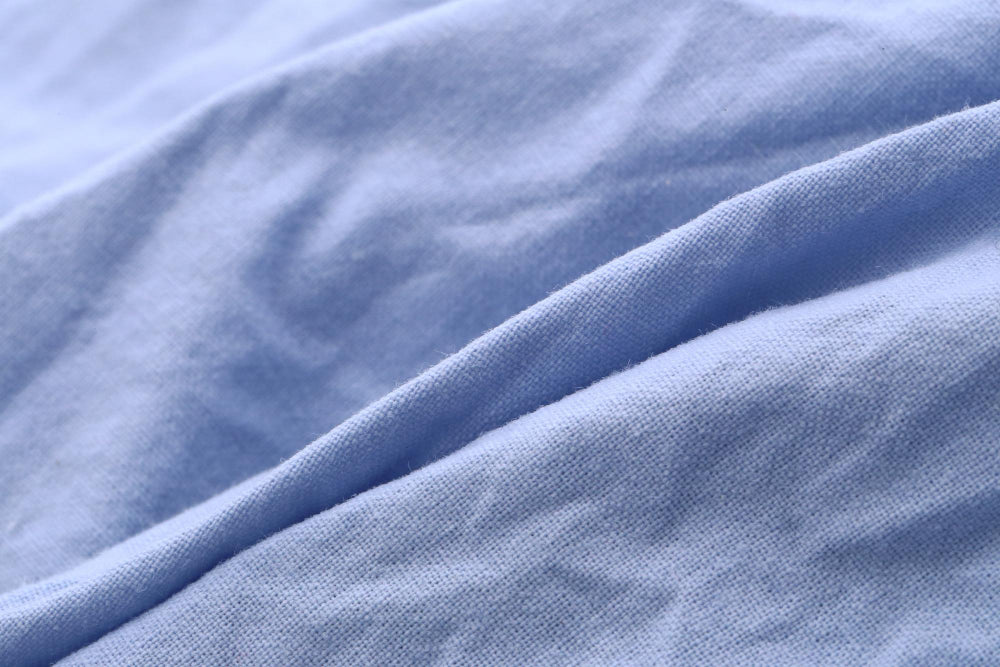
The fabric choice should match the product type, the time of year, and the people you're buying for.
Common Wholesale Fabric Types:
- Cotton Fabric → Shirts, dresses, basics.
- Linen Fabric → Premium resortwear.
- Viscose Fabric & rayon fabric → Flowy garments.
- Polyester blends → Performance wear.
Better product-market fit and demand alignment are guaranteed when you choose the right fabric.
2. Fabric Quality & Specifications
To avoid rejection and returns, quality uniformity is very important when making a lot of something.
Key Parameters:
- GSM (fabric weight).
- Composition.
- Colorfastness.
- Shrinkage rate.
- Durability.
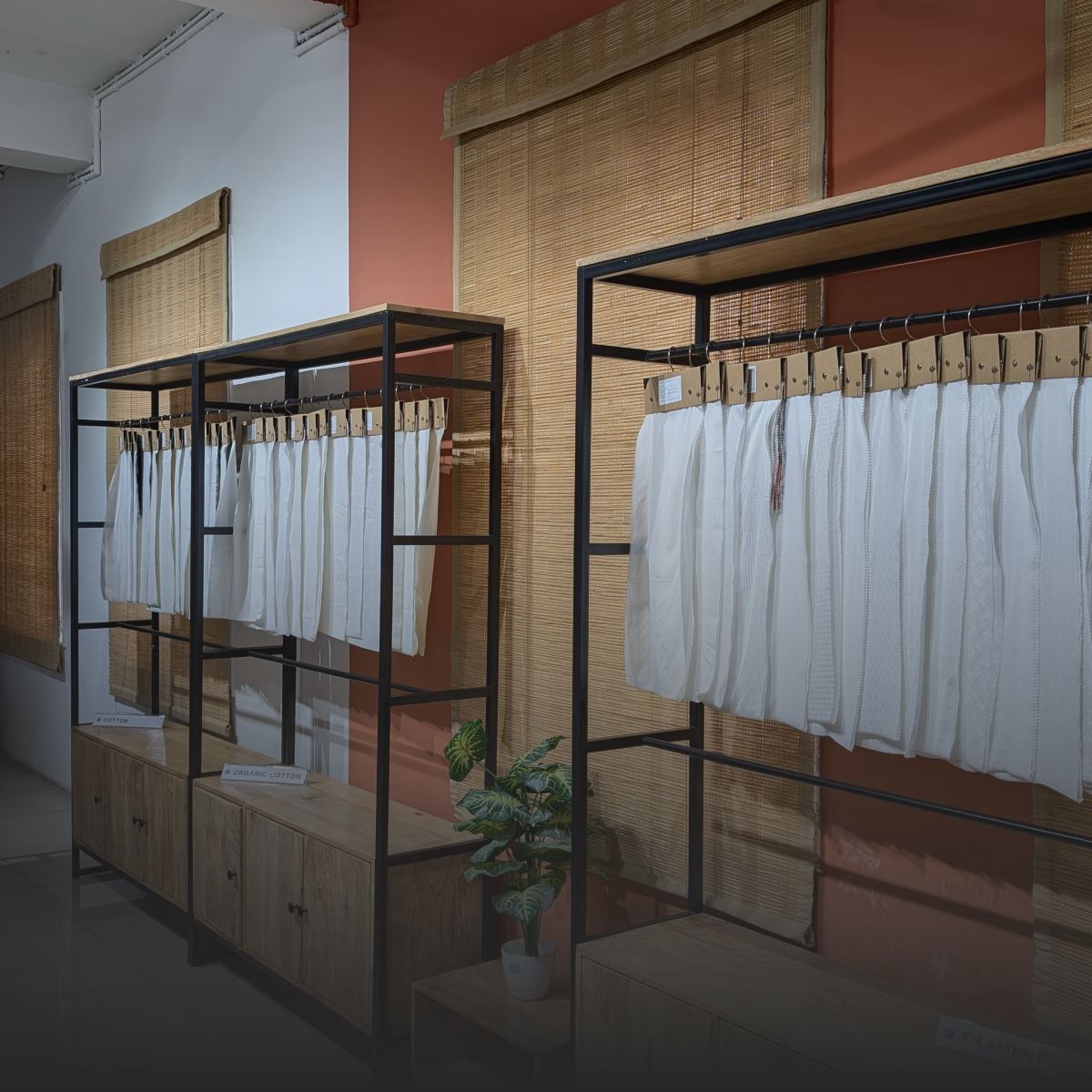
To ensure quality, always buy fabric swatches before placing a bulk order.
3. MOQ (Minimum Order Quantity)
MOQ is a very important part of both price and freedom.
- High MOQ → Lower cost per meter.
- Low MOQ fabric → Higher flexibility and reduced risk.
Low MOQ fabric sourcing is ideal for testing and scaling.
4. Supplier Reliability & Certifications
When you choose trusted wholesale fabric suppliers, you can be sure of long-term success.
Check for:
- ISO certifications.
- GOTS / OEKO-TEX compliance.
- Production capacity.
- Export experience.
Trusted sources ensure consistent quality and compliance.
5. Pricing & Cost Negotiation
Prices and costs can be better managed when you order in bulk.
Cost Components:
- Fabric price per meter.
- Dyeing and finishing costs.
- Logistics and duties.
Negotiation increases profits and cuts down on costs.
6. Lead Time & Global Delivery
For export agreements, on-time delivery is a must.
Consider:
- Production lead time
- Shipping schedules
- Customs clearance
Orders are filled on time thanks to reliable global delivery systems.
Step-by-Step Bulk Fabric Buying Process
An organized technique lowers risk and makes sure that sourcing runs successfully.
Step 1: Planning the requirements
- Set a category for the product.
- Figure out how much cloth you'll need.
- Find your target market.
Step 2: Supplier Shortlisting
- Compare multiple wholesale fabric suppliers.
- Evaluate pricing, MOQ, and quality.
Step 3: Sampling & Testing
- Request swatches.
- Test fabric performance.
Always buy fabric swatches before a bulk order.
Step 4: Price Negotiation
- Negotiate bulk pricing.
- Finalize payment terms.
Step 5: Place Your Order
- Check the number and parameters.
- Lock in timelines.
Step 6: Production & Inspection
- Watch the production process.
- Check the quality.
Step 7: Delivery & Logistics
- Arrange shipping.
- Track global delivery.
This makes sure that searching for and delivering large fabrics goes smoothly.
Common Challenges in Bulk Fabric Buying
When export houses try to buy in bulk, they encounter several problems that can slow production.
Major Issues:
- Inconsistent fabric quality.
- Supplier delays.
- Price fluctuations.
- Communication gaps.
- Compliance risks.
Identifying these early can help reduce organisational and financial risks.
How Technology is Transforming Bulk Fabric Sourcing

Bulk fabric buying strategies are changing because of faster and smarter technologies.
Key Innovations:
- Digital fabric sourcing platforms.
- AI-driven demand forecasting.
- Virtual sampling.
- Real-time inventory tracking.
Technology makes things faster, more accurate, and more cost-effective.
Fabriclore: Bulk Fabric Sourcing & Low MOQ Manufacturing Solution
Fabriclore is a tech-enabled fabric sourcing platform and custom apparel manufacturer with low MOQ, helping export houses streamline sourcing and production.
With 10+ years of expertise, Fabriclore offers access to a wide range of wholesale fabrics, including:
Key Capabilities
- Greige, RFD, dyed, and printed fabrics.
- Cotton, linen, viscose, rayon, blends.
- Bulk sourcing with competitive pricing.
- Custom fabric development (dyeing, printing).
- Fabric swatch sampling before bulk production.
- Private label manufacturing.
Why Fabriclore is Ideal for Export Houses
- Mill-direct wholesale fabric sourcing.
- Flexible low MOQ fabric options.
- Reliable quality for bulk production.
- Efficient global delivery support.
Fabriclore enables brands to achieve cost-effective, scalable, and efficient sourcing.
Best Practices for Bulk Fabric Buying
Adopting best practices makes sure that quality is always high and that processes run smoothly.
Recommended Strategies
- Always test fabric before bulk orders
- Work with certified suppliers
- Plan inventory efficiently
- Use digital sourcing tools
- Monitor production closely
These habits make things run more smoothly and produce better goods.
Cost Optimization Tips for Export Houses
The key to making money is cutting costs without lowering quality.
Smart Strategies
- Source directly from mills
- Optimize fabric usage
- Use blended fabrics
- Negotiate long-term contracts
- Leverage digital sourcing
Cost management increases profits and makes it easier to grow.
Sustainability in Bulk Fabric Sourcing
Sustainability is becoming more important for buyers around the world and for compliance.
Key Focus Areas
- Organic fabrics
- Recycled materials
- Ethical sourcing
- Waste reduction
Sustainable buying makes a brand more well-known and accepted around the world.
Future Trends in Bulk Fabric Buying (2026 & Beyond)
New ideas and technology will shape the future of bulk fabric sourcing.
Key Trends
- AI-driven sourcing decisions
- Digital fabric libraries
- Low MOQ manufacturing
- On-demand production
- Sustainable textiles
These trends will affect how clothes are bought in the future.
Conclusion
For export houses, sourcing fabric in bulk is a strategic task that directly affects costs, quality, and production efficiency. Brands can improve operations and go global by using structured buying strategies, technology, and working with dependable wholesale fabric suppliers.
Export houses can speed up development, cut costs, and make the supply chain more efficient with platforms like Fabriclore that offer low MOQ fabric sourcing, digital solutions, and global delivery.
Smart, data-driven, and adaptable ways to source cloth are the future.
FAQs
1. What Is Bulk Fabric Buying In Apparel Manufacturing?
In apparel manufacturing, bulk fabric buying involves purchasing large quantities of fabric to produce many garments, usually for export. It helps brands ensure consistent quality, better prices, and a steady supply of materials for many things.
2. Why Is Bulk Fabric Sourcing Important For Export Houses?
Export shops need to buy fabric in bulk because it ensures that:
- Lower cost per unit through economies of scale.
- Consistent fabric quality across production batches.
- Better supplier relationships and reliability.
This directly raises profits and makes the world more competitive.
3. How Can Export Houses Reduce Fabric Costs Effectively?
By using these strategies, export houses can lower their fabric sourcing costs:
- Source directly from fabric manufacturers or mills.
- Optimize fabric consumption and reduce wastage.
- Use digital fabric sourcing platforms for better pricing.
- Work with suppliers offering low MOQ flexibility.
These methods help cut costs and make production more flexible.
4. What Factors Affect Bulk Fabric Buying Decisions?
Several important things affect choices about where to get bulk fabric:
- Fabric type and composition.
- MOQ (Minimum Order Quantity).
- Supplier reliability and certifications.
- Dyeing, printing, and finishing costs.
- Logistics and delivery timelines.
Looking at these ensures the finding is quick and poses no risks.
5. Which Platform Is Best For Bulk Fabric Sourcing For Fashion Brands?
Tech-enabled platforms like Fabriclore offer complete options for sourcing fabric, such as
- Access to greige, dyed, and printed fabrics.
- Low MOQ and bulk sourcing options.
- Custom fabric development.
- Integrated garment manufacturing.
This helps brands get what they need faster, for less money, and in larger quantities.
We also happen to be a magnet for suggestions, and would love to catch yours….throw us yours on hello@fabriclore.com
Learn, Create & Grow with us