
As brands move away from traditional textile sourcing methods and toward more flexible and scalable production models, the global fashion manufacturing industry is going through a big change. For many years, organized textile mills supported bulk clothing production that was mostly about saving money and making a lot of clothes. But today's fashion markets are shaped by short-lived trends, digital fashion commerce, rules about sustainability, pressure to keep inventories low, and unpredictable global supply lines.
Global fashion brands today put more and more emphasis on sourcing communities that help:
- Low MOQ apparel manufacturing
- Faster speed-to-market
- Scalable production flexibility
- Supply chain transparency
- Demand-responsive manufacturing
Because of this, fashion brands, buying teams, and private label companies are quickly switching to centralised distributed manufacturing models that combine flexible global production networks with centralized coordination.
Traditional Textile Mills Were Built for Scale, Not Modern Fashion Agility

Traditional textile mills were built around a way of making things that worked best for:
- Large production volumes
- Long manufacturing runs
- Lower per-unit cost
- Standardized production
- Seasonal forecasting cycles
Under this method, brands often predicted demand 6–18 months ahead of time and committed to large-scale production before they knew what the real demand was.
This plan worked for decades because:
- Fashion trends changed slowly
- Physical retail dominated sales
- Inventory cycles were predictable
- Seasonal collections remained stable
But this is not how fashion markets work today.
Consumers today expect:
- Faster product launches
- Continuous product freshness
- Personalized collections
- Limited-edition drops
- Sustainable sourcing transparency
Because they were never made to respond to changes in the market in real time, traditional mill systems have trouble meeting these needs.
Why Traditional Textile Mill Models Are Becoming Inefficient
The market for modern fashion supply chains is always changing, and speed-to-market, inventory efficiency, and demand-responsive manufacturing are now important ways to stay competitive. It's getting harder and harder for traditional textile manufacturing systems to support the production flexibility, operational agility, and scalable sourcing capabilities that global fashion brands and apparel businesses need today. These systems were originally made for predictable seasonal production.
Long Production Cycles Create Market Delays
Fashion trends today are driven by:
- TikTok virality
- Influencer commerce
- Celebrity collaborations
- Digital retail algorithms
- Social media acceleration
A fashion trend can spread around the world in just a few days and be out of style in just a few weeks.
However, traditional textile mills are still able to:
- Long booking schedules
- Fixed production calendars
- Extended fabric development timelines
- Bulk manufacturing commitments
There is a big gap between how responsive manufacturers are to consumer desire and this.
More and more, modern fashion brands need:
- Rapid sampling
- Shorter lead times
- Agile replenishment
- Smaller production cycles
- Demand-responsive manufacturing
Brands could miss out on sales opportunities before their goods even get to stores if they can't change how they make things.
Large MOQ Structures Increase Inventory Risk
Traditional textile mills have a lot of problems because they need large minimum order amounts.
When brands make large MOQ items, they have to:
- Commit inventory early
- Lock working capital
- Forecast demand too far ahead
- Absorb unsold stock risk
This directly affects:
- Inventory turnover
- Warehousing costs
- Profitability
- Markdown dependency
- Operational efficiency
These days, fashion companies care more about optimizing their supplies than just making more clothes.
Problems Created by Traditional Bulk Manufacturing
|
Traditional Mill Challenges |
Business Impact |
|
Large MOQ commitments |
Higher inventory exposure |
|
Seasonal bulk production |
Excess deadstock risk |
|
Long forecasting cycles |
Demand mismatch |
|
Slow replenishment |
Lost sales opportunities |
|
Fixed production schedules |
Reduced flexibility |
|
Single-region dependency |
Supply chain vulnerability |
Many of these problems can be fixed by distributed manufacturing communities, which allow for flexible planning of production and gradual growth of inventory.
Traditional Textile Mills vs Distributed Manufacturing
|
Feature |
Traditional Textile Mills |
Centralised Distributed Manufacturing |
|
Production Structure |
Single-location bulk manufacturing |
Multi-node scalable production network |
|
Manufacturing Flexibility |
Rigid production systems |
Flexible & adaptive manufacturing |
|
MOQ Requirements |
High MOQ dependency |
Low MOQ + scalable bulk production |
|
Speed-to-Market |
Longer production cycles |
Faster product development & replenishment |
|
Inventory Management |
High inventory exposure |
Inventory-efficient manufacturing |
|
Trend Responsiveness |
Slow response to market trends |
Demand-responsive production systems |
|
Supplier Coordination |
Fragmented vendor management |
Centralized sourcing coordination |
|
Production Visibility |
Limited transparency |
Real-time production visibility |
|
Customization Support |
Limited customization flexibility |
Custom dyeing, printing & development |
|
Scalability |
Fixed production capacity |
Distributed scalable manufacturing |
|
Sustainability Compliance |
Limited traceability systems |
Transparent sustainable sourcing |
|
Lead Time Predictability |
Unpredictable during peak seasons |
Optimized & predictable lead times |
|
Technology Integration |
Traditional manual workflows |
AI-enabled digital sourcing systems |
|
Risk Management |
High single-region dependency |
Diversified manufacturing resilience |
|
Logistics Efficiency |
Limited global coordination |
Integrated global logistics support |
|
Product Development |
Slower sampling cycles |
Rapid sampling & pilot production |
|
Operational Agility |
Low operational flexibility |
Agile supply chain infrastructure |
|
Best Suitable For |
Mass bulk seasonal production |
Modern fashion & scalable sourcing ecosystems |
|
Business Impact |
Higher deadstock & inventory risk |
Better inventory optimization |
|
Future Readiness |
Traditional sourcing model |
Technology-enabled future-ready manufacturing |
Fashion Brands Now Prioritize Inventory Efficiency Over Unit Cost

In the past, sourcing choices were mostly based on how to lower the cost of production per unit. But fashion leaders today are becoming more and more aware that a cheaper product with a high inventory risk is often more expensive than a slightly more expensive product made through systems that are flexible and respond to demand.
This change is fundamentally altering the goals for sourcing.
These days, fashion companies improve their supply lines by:
- Inventory turnover
- Replenishment speed
- Cash flow efficiency
- Operational resilience
- Market responsiveness
- Forecast adaptability
Instead of just making the most of the production size.
This is a main reason why centralized spread manufacturing systems are taking the place of old ways of getting textiles.
What Is a Centralised Distributed Manufacturing Model?
A centralised distributed manufacturing model blends operational intelligence that is centralised with production execution that is spread out among several specialized manufacturing partners.
Brands don't depend on just one factory or building; they rely on sourcing networks that work together to:
- Fabric sourcing
- Sampling
- Dyeing
- Printing
- Processing
- Garment manufacturing
- Quality control
- Logistics management
through a single, centralized system for running things.
With this plan, brands can keep:
- Centralized quality standards
- Real-time production visibility
- Supplier coordination
- Inventory control
- Compliance oversight
while distributing manufacturing across specialized production nodes.
Because of this, the supply chain is better at growing, being resilient, adapting, being flexible, and responding than with traditional centralized production methods.
Supply Chain Disruptions Accelerated the Shift
The design industry went through the following between 2020 and 2026:
- Pandemic shutdowns
- Freight disruptions
- Container shortages
- Geopolitical instability
- Raw material shortages
- Tariff volatility
- Climate-related disruptions
These events showed the dangers of relying too much on centralized production methods.
Companies that relied on sourcing from a single area had to deal with:
- Delayed production
- Inventory shortages
- Rising logistics costs
- Supplier dependency risk
- Operational instability
So, supply chain stability has become a very important factor for fashion brands around the world when they are looking for suppliers.
Why Brands Prefer Distributed Production Networks
- Reduced supplier concentration risk
- Improved production continuity
- Regional sourcing flexibility
- Scalable manufacturing capacity
- Better operational resilience
- Reduced freight dependency
Businesses have the freedom they need to deal with the uncertainty of global sources thanks to distributed manufacturing networks.
Agility Has Replaced Scale as Fashion’s Primary Competitive Advantage
Scale in production was thought to be fashion's biggest operational edge for many years.
These days, being quick is more important.
Different fashion brands today compete by:
- How quickly they launch products
- How efficiently they replenish inventory
- How accurately they respond to trends
- How flexibly they scale production
Brands can use distributed manufacturing platforms to do the following:
- Smaller production batches
- Rapid product testing
- Localized manufacturing support
- Faster replenishment cycles
- Adaptive sourcing systems
This level of operational responsiveness is hard to achieve with centralized mill systems that are too rigid.
Sustainability Regulations Are Reshaping Fashion Manufacturing
Sustainability is no longer a choice when making clothes. In a short amount of time, it will be required by all world markets.
More and more, fashion brands need:
- Supply chain traceability
- Ethical sourcing documentation
- Carbon reporting
- Chemical compliance verification
- Sustainable fabric certifications
A lot of the time, old textile mills don't have the digital infrastructure needed to comply with current ESG standards.
Centralized ecosystems for distributed production make it easier to see things like
- Sourcing
- Processing
- Certification management
- Manufacturing compliance
- Production tracking
This helps fashion brands lower their legal risk and do better in terms of sustainability at the same time.
Sustainability Priorities Driving Distributed Manufacturing
- Certified sustainable sourcing
- Supply chain transparency
- Reduced overproduction
- Lower inventory waste
- Traceable textile manufacturing
- Responsible production systems
Integrated sourcing environments will become more important as rules about sustainability continue to get stricter around the world.
Technology Is Making Distributed Manufacturing Scalable
The growth of digital buying infrastructure has made large-scale distributed manufacturing possible for businesses.
These are now parts of modern sourcing ecosystems:
- AI-powered forecasting
- Cloud-based procurement systems
- Digital fabric discovery
- Production tracking tools
- Automated workflow coordination
These technologies improve:
- Inventory planning
- Sourcing visibility
- Production predictability
- Supplier coordination
- Operational efficiency
With AI-driven forecasts in particular, brands can avoid overproduction by confidently making smaller amounts of inventory.
DTC Fashion Brands Accelerated Manufacturing Transformation
Direct-to-consumer fashion brands changed the economics of clothing production by bringing in:
- Real-time demand signals
- Rapid collection launches
- Shorter inventory cycles
- Social-commerce-driven retail
Unlike standard wholesale businesses, direct-to-consumer brands need to:
- Low MOQ production
- Rapid replenishment
- Small-batch manufacturing
- Customized product development
- Flexible scaling capability
The structure of traditional textile mills doesn't work with these operating needs.
The environments for distributed manufacturing are made to support them.
Why Platforms Like Fabriclore Represent the Future of Fashion Manufacturing

Fashion brands today are quickly moving toward centralised distributed manufacturing ecosystems that bring together sourcing intelligence, scalable production, customization, and supply chain openness on a single platform. This new breed of technology-enabled clothing manufacturing systems is made for brands that need speed, flexibility, reliability, and operational control. Platforms like Fabriclore are examples of these systems.
In standard textile sourcing models, brands have to deal with a lot of different suppliers for things like buying fabric, dying it, printing it, making samples, making clothes, and logistics. Fabriclore, on the other hand, brings all of these processes together into a single, streamlined ecosystem. This makes it easier to see what's being made, cuts down on fragmented sources, and improves supply chain coordination.
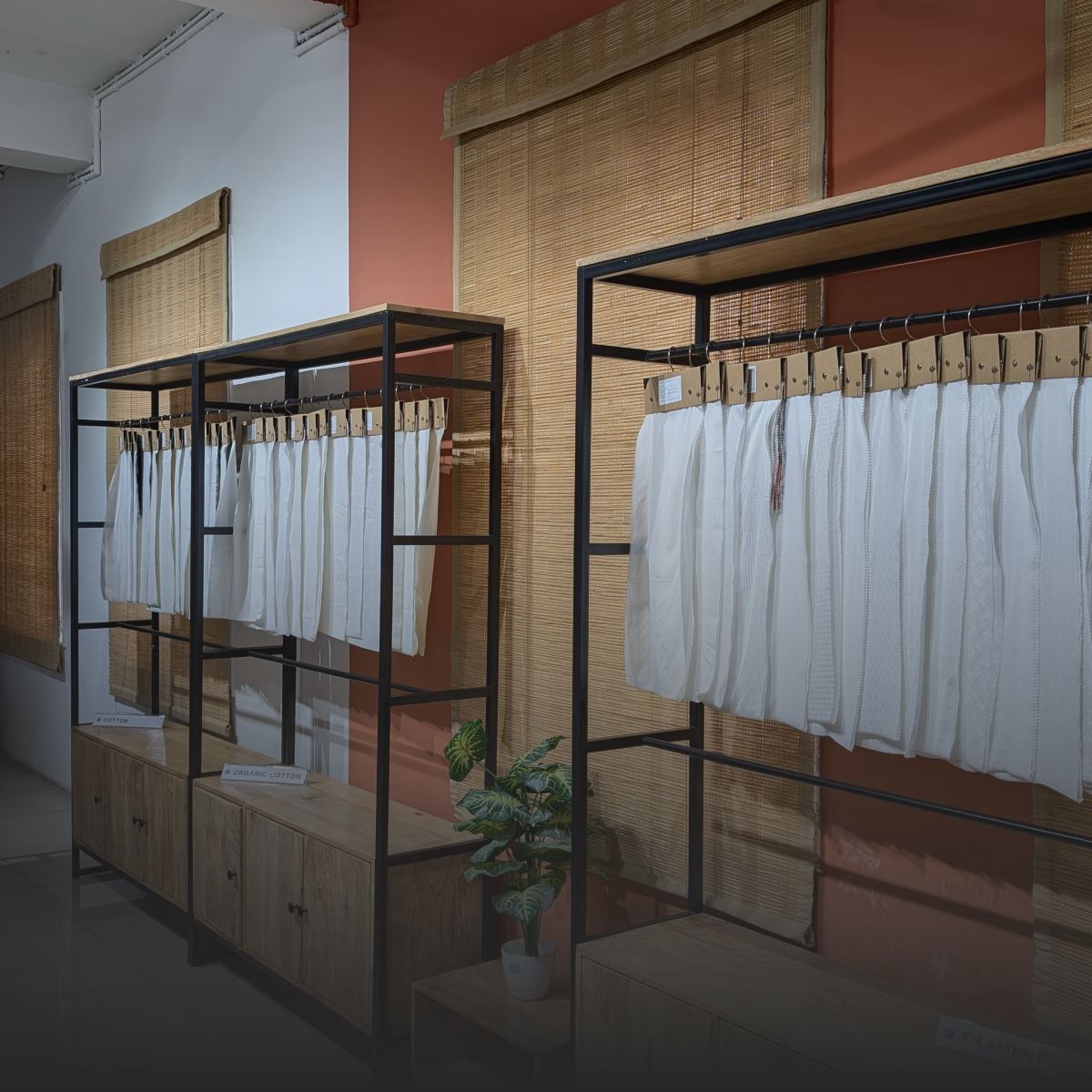
Fabriclore gives brands easy access to 5000+ fabrics, centralized textile research tools, and the ability to make products all over the world.
- Sampling
- Low MOQ production
- Custom fabric development
- Bulk apparel manufacturing
under one set of rules for how things work.
Its sourcing environment, which is driven by technology, also offers:
- End-to-end production transparency
- Custom dyeing & printing support
- Low MOQ with scalable manufacturing
- Real-time order lifecycle visibility
- Global shipping & private label support
Because of this, sites like Fabriclore are becoming more useful for
- Private label fashion brands
- DTC apparel businesses
- Export houses
- Hospitality uniform suppliers
- Scalable garment manufacturers
As global fashion supply chains continue to change toward faster product development, production that uses less inventory, and digitally linked sourcing systems, centralized distributed manufacturing platforms are becoming the way clothes are made in the future.
Key Advantages of Centralised Distributed Manufacturing
Fashion brands can make their supply lines more flexible, scalable, and resilient with the help of modern centralised distributed manufacturing models. Brands can make their operations more efficient, lower the risk of stock-outs, and react more quickly to changes in global fashion demand by using digital sourcing systems, flexible production, and distributed manufacturing networks together.
Operational Advantages
When you use distributed manufacturing, you can be more sensitive to operations by:
- Faster product development
- Shorter lead times
- Real-time production visibility
- Better supplier coordination
- Improved inventory planning
These skills are becoming more and more important for current fashion supply chains.
Financial Advantages
When it comes to business, spread manufacturing is better because:
- Working capital efficiency
- Inventory turnover
- Sourcing predictability
- Production scalability
- Cash flow management
while reducing:
- Warehousing costs
- Deadstock risk
- Markdown dependency
- Overproduction exposure
This creates stronger long-term profitability.
Strategic Advantages
The biggest long-term benefit is that the supply line is strong.
Ecosystems for distributed manufacturing offer:
- Higher sourcing flexibility
- Regional diversification
- Greater production continuity
- Better sustainability compliance
- Reduced operational dependency
This makes fashion companies much better able to handle unstable global markets.
The Future of Fashion Manufacturing Is Network-Based
The clothing business around the world is quickly moving away from:
- Rigid centralized production
- Seasonal overproduction
- Isolated supplier relationships
- Long forecasting cycles
toward:
- Connected sourcing ecosystems
- AI-driven procurement systems
- Distributed manufacturing networks
- Demand-responsive production
- Digitally integrated supply chains
Those brands that can adapt to this change the fastest will have big benefits in:
- Operational efficiency
- Inventory optimization
- Sourcing resilience
- Sustainable manufacturing
- Speed-to-market
Final Thoughts
One of the most important structural changes in modern fashion supply chains is the move away from traditional textile mills and toward centralised distributed manufacturing models.
Fashion brands no longer only look at how much a product costs to make when choosing a buying partner. They now set priorities:
- Agility
- Inventory efficiency
- Production transparency
- Sustainability compliance
- Operational intelligence
- Scalable flexibility
- Supply chain resilience
By combining centralised coordination with distributed production capacity and digital operational data, centralised distributed manufacturing ecosystems get rid of many of the problems that come with traditional textile sourcing.
Over the next ten years, the future of clothing production will depend on brands engaging in integrated sourcing ecosystems and scalable manufacturing networks. This is because global fashion supply chains are always changing.
FAQs
1. Why Are Fashion Brands Moving Away From Traditional Textile Mills?
Fashion brands are moving away from traditional textile mills because today's clothing companies need faster product development, low MOQ production, supply chain transparency, inventory optimisation, and flexible manufacturing systems. These are all things that traditional bulk manufacturing models often can't do well.
2. What Is A Centralised Distributed Manufacturing Model In Fashion?
A centralised distributed manufacturing model is a sourcing and production environment that uses technology to combine centralised operational planning with distributed manufacturing networks for things like sampling, dyeing, printing, making clothes, and managing logistics.
3. How Does Distributed Manufacturing Improve Fashion Supply Chains?
Distributed manufacturing boosts fashion supply chain efficiency by lowering inventory risk, removing production bottlenecks, making sourcing more flexible, reducing production bottlenecks, and letting global clothing manufacturing operations see production more clearly in real time.
4. Why Is Low MOQ Manufacturing Becoming Important For Fashion Brands?
Low MOQ apparel manufacturing is becoming more and more popular among modern fashion brands because it allows for smaller production runs, faster trend validation, lower deadstock risk, better inventory turnover, and more flexible production strategies that can be used to meet changing consumer needs.
5. How Do Platforms Like Fabriclore Support Modern Fashion Manufacturing?
Modern fashion brands can get help from platforms like Fabriclore, which offer technology-enabled sourcing systems, distributed manufacturing networks, custom fabric development, low MOQ production, scalable apparel manufacturing, and end-to-end production transparency all in one sourcing environment.
We also happen to be a magnet for suggestions, and would love to catch yours….throw us yours on hello@fabriclore.com
Learn, Create & Grow with us