
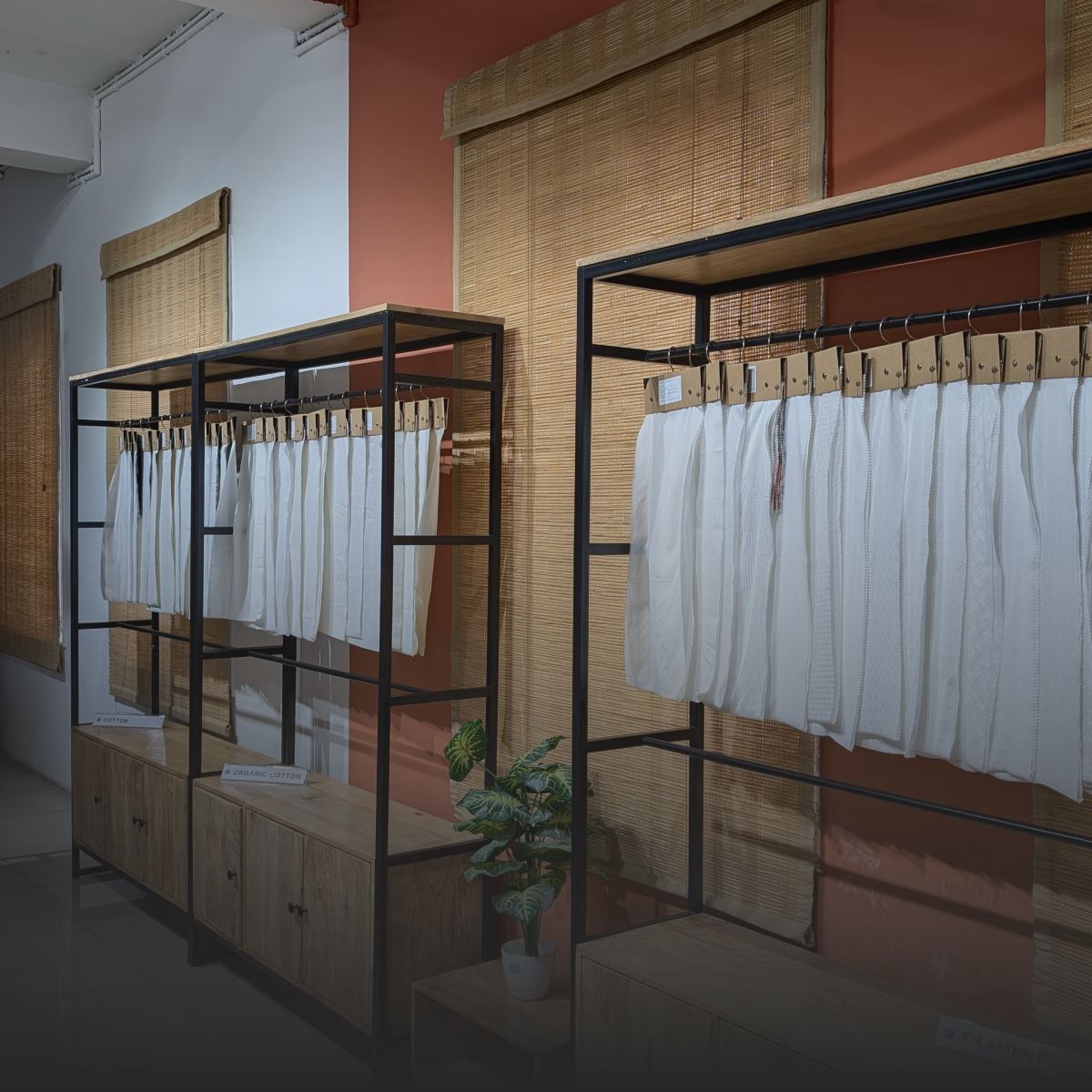

The fashion industry needs to know the answer to the question Cotton vs. linen vs. viscose—which woven fabric is best for summer? As summers get longer, hotter, and more humid across the country, choosing fabrics is no longer just about style. It's also about how well they work. Comfort, breathability, longevity, and customer happiness are now top priorities for brands, designers, and sourcing teams. This is especially true for categories like summer dresses, resort wear, kidswear, and everyday clothes.
Woven fabrics are still very popular for summer because they let air flow and heat escape. But when it gets hot, cotton, linen, and viscose behave very differently. Fashion companies can use the best wholesale fabric supplier to find out how each fabric works in real summer situations and pick the right one for 2026.
How Summer Heat Impacts Fabric Performance
The hot summers of today are always hard on clothes. Fabrics that actively help the body cool down are needed when temperatures and humidity are high, and clothes are washed often.
To be worn in the summer, fabrics must:
- Release trapped body heat.
- Allow continuous airflow.
- Absorb sweat and enable evaporation.
- Remain lightweight and non-restrictive.
- Stay comfortable during long hours of wear.
When fabrics fail in these places, it causes pain, increased sweating, skin irritation, and bad feedback from customers. This makes the choice of fabric a business risk, not just a design choice.
Why Woven Fabrics Are Preferred in Summer

Interlacing the warp and weft yarns makes woven fabrics. This creates small holes in the cloth that let air flow through. Because of how they are built, they naturally let more air through than thick or coated materials.
For summer, woven materials can be made to fit by:
- Yarn thickness.
- Weave density.
- Fabric weight (GSM).
- Fibre composition.
Woven fabrics are always among the Best Fabrics to wear in Summer because they are so versatile. They are also the basis for warm-weather clothing worldwide.
Cotton: The Reliable Everyday Summer Fabric
Cotton is the most popular summer fabric worldwide because it is easy to find, comfortable, and breathable. Because it is made of natural fibres, it allows air to flow and absorbs sweat well, making it suitable for a variety of conditions.
Why Cotton Works Well in Summer
- Good airflow and breathability.
- High moisture absorption.
- Soft, skin-friendly feel.
- Easy maintenance and durability.
Common Summer Uses
- Casual dresses and tunics.
- Shirts and tops.
- Kidswear and loungewear.
- Everyday warm-weather apparel.
Source-wise, cotton is still one of the most important materials in the cotton fabric wholesale markets. Stable supply lines for cotton material, cotton cloth, and cotton textiles make it possible for brands to make more at once.
Limitation: If the GSM is not optimised, heavier cotton materials may keep water in when it is very humid outside.
Linen: Best Fabric for Extreme Summer Heat
Linen fabric is usually considered the most breathable woven fabric. Linen, which is composed of flax fibers with a naturally porous structure, facilitates the rapid release of heat and air.
Why Linen Performs Exceptionally in Heat
- Very high breathability.
- Dries much faster than cotton.
- Naturally cooling feels.
- Performs well in dry and tropical climates.
Ideal Uses
- Resort and vacation wear.
- Relaxed summer tailoring.
- Dresses and co-ord sets.
- Premium warm-weather collections.
Linen cloth wholesale, linen material wholesale, and linen fabrics wholesale are all important ways to get linen because of these qualities.
Limitation: Even though linen folds easily, this is often seen as part of its casual summer look.
Viscose: Cooling Feel with Fashion-Forward Drape
Viscose, which is sometimes called rayon, is made from natural wood pulp cellulose fiber that has been recycled. The goal is to give you the smoothness of cotton and the smooth feel of silk.
Why Viscose Is Popular for Summer Fashion
- Smooth, cool hand feel.
- Excellent drape and movement.
- Absorbs moisture well.
- Works well for prints and colours.
Common Applications
- Maxi dresses and skirts.
- Printed summer tops.
- Resort and occasion wear.
- Flowing ethnic silhouettes.
Most of the time, buying viscose means buying fabric in bulk, working with reliable sources, and determining how much to buy based on its weight, finish, and durability.
Limitation: When viscose gets wet, it loses its strength, so it needs to be washed and finished with care.
Cotton vs Linen vs Viscose: Summer Performance Comparison
|
Performance Factor |
Cotton |
Linen |
Viscose |
|
Breathability |
High |
Very High |
High |
|
Moisture Handling |
High |
Highest |
High |
|
Drying Speed |
Medium |
Fast |
Medium |
|
Skin Comfort |
Very High |
High |
Very High |
|
Drape |
Moderate |
Crisp |
Excellent |
|
Durability |
High |
Very High |
Medium |
|
Best Use |
Daily wear |
Extreme heat |
Fashion silhouettes |
Which Woven Fabric Is Best for Summer?

There is no one best fabric; it varies on what the item will be worn with and how.
- Cotton is best for daily comfort, cheap summer clothes, and store-bought clothing.
- Linen works great for high-end collections, vacation collections, and places that get very hot.
- Viscose is good for summer clothes with fluid shapes, colors, and designs.
Many brands also use blends of cotton and viscose to make soft, breathable, and easy-to-drape clothing.
Why Fashion Brands Choose Woven Fabrics for Summer
From a business perspective, woven fabrics offer:
- Better customer comfort.
- Fewer heat-related complaints.
- Easier dyeing and printing.
- Good durability in summer use.
- Flexible sourcing options.
This is why woven fabrics are so popular in summer dresses garmenting and other warm-weather categories around the world.
Importance of Sampling Before Bulk Production
Brands should always buy fabric swatches before bulk order, before they start making something. Taking samples helps you judge:
- Breathability and airflow.
- Fabric weight and hand feel.
- Comfort during extended wear.
- Colour accuracy after dyeing or printing.
Testing on swatches reduces the risk of purchase and prevents costly mistakes.
Role of Sourcing Partners in Summer Fabric Success
If you don't source your fabric consistently, even the best fabric can fail. Working with reliable fabric suppliers, fabric wholesalers, and sites run by experts makes sure:
- Consistent quality across batches.
- Accurate colour and finish matching.
- Reliable lead times during peak seasons.
- Access to season-appropriate fabrics.
How Fabriclore Supports Summer Fabric Sourcing

The fabric sourcing site Fabriclore has 10+ years of experience in fabric sourcing, dying, and printing. Fabriclore makes it easier for modern fashion companies to find fabrics online while keeping quality and openness.
Fabriclore helps brands with:
- Greige, RFD, and dyed woven fabrics.
- Sustainable and summer-friendly options.
- Low MOQ sourcing for designers and growing brands.
- Custom dyeing and print development.
- Export-ready support for international clients.
Today, 500+ private labels trust Fabriclore globally. The site also connects brands with a custom apparel manufacturer with a low MOQ, enabling them to develop clothes from fabric to finished product.
Conclusion
Which of these woven fabrics is best for summer? Cotton, linen, or viscose?
The answer relies on the weather, the type of clothing, and what the customer wants. Cotton is reliable for everyday use, linen is best for high heat, and viscose is elegant and fluid for fashion-forward designs. Brands can create summer collections that feel lighter, perform better, and do well in the market in 2026 and beyond by choosing the right woven fabric and working with buying platforms like Fabriclore, which have extensive experience.
FAQs
1. Which Woven Fabric Is Best For Summer—Cotton, Linen, Or Viscose?
It's hard to say which woven cloth is best for summer. Cotton is best for everyday comfort, linen for really hot days, and viscose for flowy, fashion-forward clothes. The right pick depends on the weather and the type of clothing.
2. Why Is Linen Considered Better Than Cotton In Very Hot Weather?
Linen lets more air flow through and dries faster than cotton, which helps get rid of heat more effectively. This makes linen more comfy when it's dry or very hot in the summer.
3. Is Viscose Breathable Enough For Summer Clothing?
Yes, viscose lets air pass through it and feels cool against the skin because it soaks up sweat. But it works best in light fabrics and looks better on skirts and other draped styles than on heavy everyday wear.
4. Can Cotton Be Uncomfortable In Humid Summer Climates?
Cotton is good at absorbing sweat, but if the fabric is heavy, it can retain moisture in very humid environments. When it's hot, choosing low-GSM cotton makes you feel better.
5. How Should Fashion Brands Choose Between Cotton, Linen, And Viscose For Summer Collections?
Manufacturers should consider the temperature, the type of clothing, the fabric weight, and how the customer will use the product. By testing small pieces of fabric before making many, you can be sure the fabric will work well in real summer weather.
We also happen to be a magnet for suggestions, and would love to catch yours….throw us yours on hello@fabriclore.com
Learn, Create & Grow with us 


