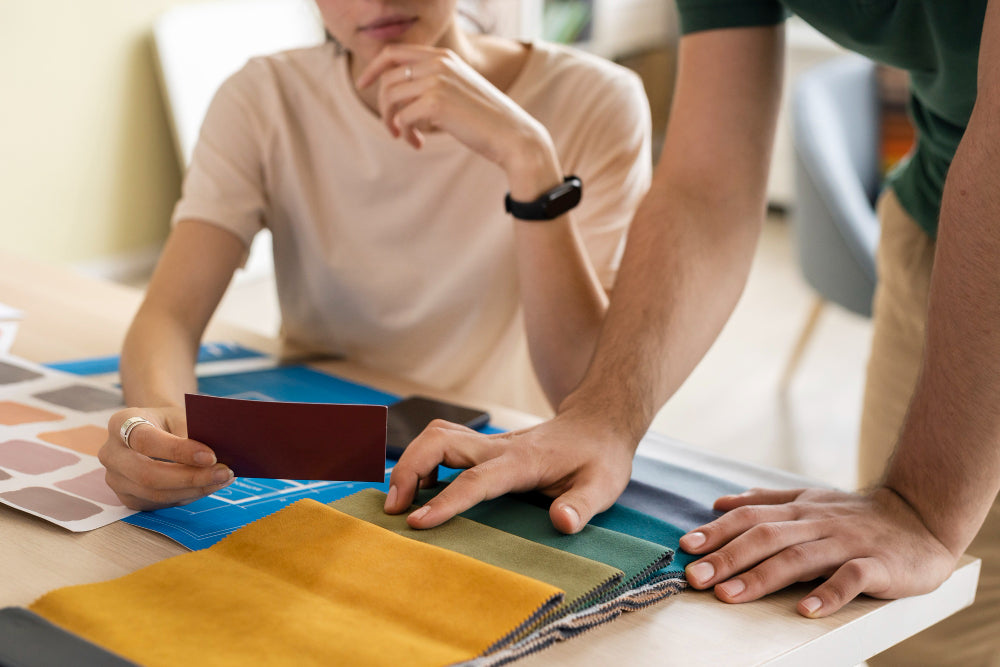
The global fashion industry is entering a new era in which digital fabric sourcing, AI-driven prototyping, and low-MOQ manufacturing are redefining how collections are designed and produced. In this evolving ecosystem, the comparison between digital fabric sampling and traditional sampling has become a critical decision point for fashion brands, sourcing managers, and private-label businesses.
Sampling is no longer just a technical step—it is a strategic lever that influences speed-to-market, cost control, sustainability, and scalability. With shorter fashion cycles and frequently changing consumer demand, firms must use better sampling methods to save time and resources.
Digital tools allow brands to produce, test, and approve clothing online, while conventional techniques provide tactile confirmation. Understanding how to balance both approaches is key to building a future-ready apparel production strategy.
What is Fabric Sampling in Apparel Production?
Fabric sampling is a planned way for apparel product development to check out fabrics, make sure garment design is correct, and make sure quality before mass production starts. In this way, it reduces the risks of production and makes sure that the finished product matches what was planned in the design.
Sampling is an important part of current fabric sourcing workflows because it helps connect ideas with products that can be sold.
Why Fabric Sampling is Essential
- Ensures fabric performance, durability, and comfort.
- Validates fit, drape, stretch, and garment construction.
- Reduces defects, returns, and production errors.
- Supports custom fabric sourcing and private label clothing production.
- Enables brands to maintain consistent quality across collections.
If brands don't do enough testing with samples, they might waste money on bulk production that doesn't meet customer standards, which could hurt the brand and cost them money.

Traditional Fabric Sampling: The Conventional Workflow
To test the accuracy and efficiency of a design, traditional fabric sampling involves making clothes out of real fabric over and over again. Even though technology has improved, it is still widely used, especially in the high-end and luxury markets.
How Traditional Sampling Works
The process typically follows a multi-stage workflow:
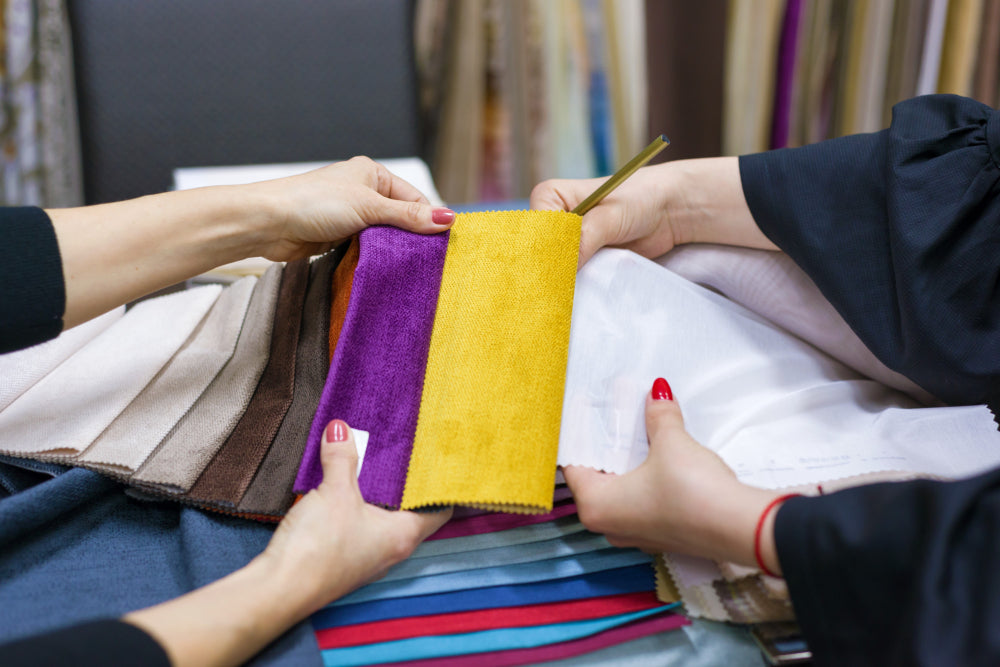
Swatch Sampling (Header Stage)
- Small fabric pieces are used for initial evaluation.
- Helps assess color accuracy, texture, and surface finish.
Prototype Sampling (Development Stage)
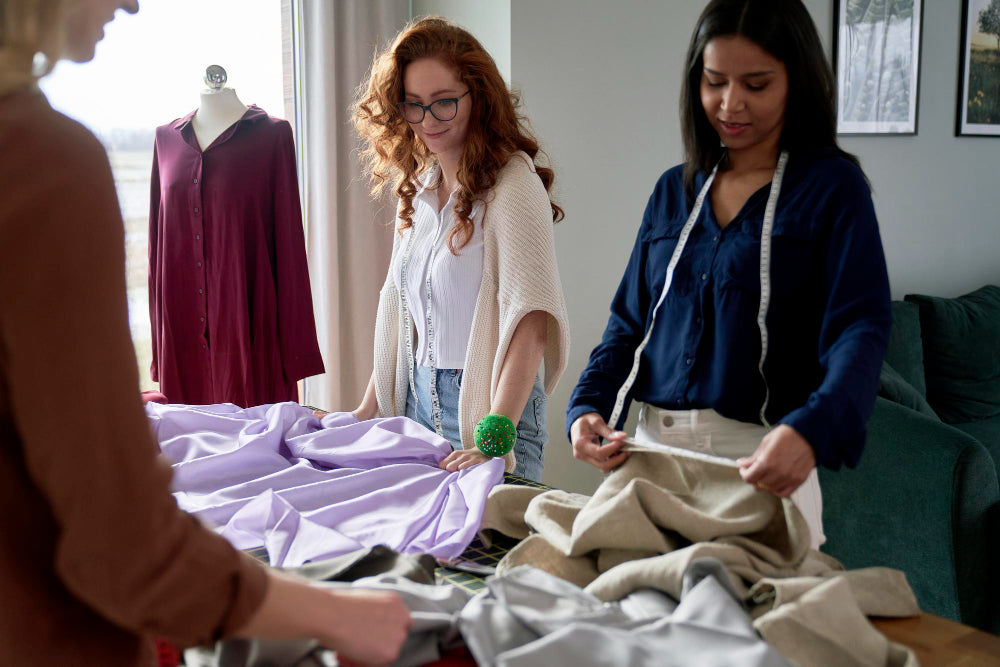
Garments are stitched using 3–5 meters of fabric.
Tested for:
- Fit and silhouette.
- Stitch quality.
- Fabric behaviour during stress.
Salesman Samples (SMS Stage)
Final garments created for:
- Buyer presentations.
- Fashion shows and exhibitions.
- Marketing campaigns.
Advantages of Traditional Sampling
For some types of products, real-world validation is very important, and traditional sampling gives it.
- Accurate hand feel and tactile experience.
- Reliable for luxury fabrics like silk, wool, and satin.
- Essential for final garment approval.
- Helps identify construction flaws and finishing issues.
Limitations of Traditional Sampling
Although it works, standard sampling is very hard to set up and run.
High Sampling Costs
- $200–$1500 per sample.
- Large collections can exceed $100,000.
Longer Development Cycles
- 4–8 weeks per iteration.
- Multiple revisions delay production.
Fabric Waste and Resource Consumption
- Around 15% fabric waste per style.
- High water and energy usage.
Logistics and Coordination Issues
- International shipping delays.
- Increased carbon footprint.
Traditional sampling isn't as good for fast fashion brands and agile product development models because of these issues.
Digital Fabric Sampling: The Future of Apparel Prototyping
Digital fabric sampling is transforming the industry by enabling brands to create virtual garment prototypes using 3D design software and AI-powered simulations. It gets rid of the need for actual samples in the beginning, which makes things a lot more efficient.
How Digital Fabric Sampling Works
- Creation of 3D garment models.
- Simulation of fabric properties (drape, stretch, weight).
- Virtual fitting on digital avatars.
- Real-time design modifications and approvals.
This process allows brands to visualize products before investing in physical production.
Technologies Driving Digital Sampling
Virtual clothing sampling is becoming more popular thanks to new technologies:
- CLO 3D and Browzwear are two 3D design tools.
- simulation programs that use AI.
- Digital collections of fabric.
- Systems that produce in real time.
Up to 98% accuracy is what these tools can do to copy how fabrics behave, which makes them very useful for making early decisions.
Advantages of Digital Fabric Sampling
Digital sampling aligns perfectly with modern fashion business needs.
Faster Product Development
- Reduces timelines from weeks to hours or days.
- Enables rapid iteration and design testing.
Significant Cost Savings
- Reduces sampling costs by 60–80%.
- Eliminates repeated physical prototyping.
Unlimited Design Iterations
- No material constraints.
- Faster experimentation with styles and fabrics.
Sustainability Benefits
- Zero fabric waste during development.
- Reduced carbon emissions from shipping.
Global Collaboration
- Teams can work together right now.
- More quickly approving things in different areas.
Limitations of Digital Sampling
Despite its advantages, digital sampling has some limitations:
- Lack of physical touch and feel.
- Requires technical expertise and training.
- Initial investment in software and tools.

Digital Fabric Sampling vs Traditional Sampling
|
Factor |
Traditional Sampling |
Digital Sampling |
|
Development Time |
4–8 weeks |
Minutes–1 day |
|
Cost |
High |
Low |
|
Iterations |
Limited |
Unlimited |
|
Fabric Waste |
High |
Zero |
|
Sustainability |
Low |
High |
|
Accuracy |
Physical validation |
95–98% simulation |
This comparison clearly shows why brands are increasingly adopting digital-first sampling strategies.
Why Fashion Brands Are Moving Toward Digital Sampling
The shift toward digital sampling is not just a trend—structural changes in the fashion industry drive it.
- Increasing demand for low MOQ manufacturing.
- Need for faster product launches.
- Growing focus on sustainable fabric sourcing.
- Integration of AI in supply chains.
Brands adopting digital workflows gain a competitive advantage in speed, cost, and innovation.
Bridging the Gap: The Rise of Hybrid (Phygital) Sampling
While digital sampling is powerful, it cannot fully replace physical validation. This has led to the emergence of a hybrid or phygital sampling model.
How Hybrid Sampling Works
- Digital sampling for design and iteration.
- Physical sampling for final validation.
Benefits of the Hybrid Approach
- Reduces physical samples by 70–90%.
- Maintains accuracy and tactile validation.
- Optimizes cost and time.
This model is becoming the industry standard for modern fashion brands.
Sustainability Impact of Sampling Methods
One big reason for the switch to digital sampling is environmental concerns.
Traditional selection helps with:
- The majority of textile trash.
- Much of the water is used.
- More carbon dioxide was released.
Digital sampling offers:
- Reduced environmental impact.
- Lower resource consumption.
- In favour of circular trends.
Global sustainability goals and regulations are better met by brands that use digital sampling.
Role of Fabriclore in Modern Fabric Sampling
Fabriclore plays a crucial role in enabling smart, scalable, and efficient fabric sourcing by combining digital innovation with physical validation.
With over 10 years of expertise in fabric sourcing, dyeing, and printing, Fabriclore gives current fashion brands a full ecosystem.
Key Capabilities
- Digital-first fabric sourcing approach.
- Swatch sampling before bulk production.
- Low MOQ manufacturing.
- Custom fabric development from greige to dyed and printed fabrics.
- Private label clothing production.
Business Benefits
- Faster product development cycles.
- Reduced sourcing complexity.
- Consistent export-quality production.
Fabriclore bridges the gap between digital efficiency and physical accuracy, making it ideal for brands looking to scale globally.
How to Choose the Right Sampling Method
Choosing between digital and traditional sampling depends on your business needs.
Use Digital Sampling When:
- Developing new designs.
- Testing multiple variations.
- Working with global teams.
Use Traditional Sampling When:
- Finalizing production.
- Working with premium fabrics.
- Validating fit and texture.
A balanced approach ensures optimal results and reduced risk.

Common Mistakes to Avoid in Fabric Sampling
Even brands with plenty of experience make mistakes in sampling that have a big effect on production.
- Not doing sampling to save money.
- Using only digital pictures and videos.
- Putting aside trying the fabric and its durability.
- Not looking for finishing and shrinkage.
- Not looking at what the provider can do.
Avoiding these mistakes improves product quality and operational efficiency.
Future of Fabric Sampling in 2026 and Beyond
The future of fabric sampling is driven by innovation and technology.
- AI-powered garment design
- Virtual try-ons
- Digital fabric libraries
- Integrated sourcing platforms
Brands that adopt these technologies will lead the market with faster, smarter, and more sustainable production models.
Conclusion
The comparison of digital fabric sampling vs traditional sampling highlights a clear shift toward efficiency, sustainability, and speed in the fashion industry.
Traditional sampling remains essential for final validation, but digital sampling is transforming how brands design and develop products. The most effective strategy is a hybrid approach that combines the strengths of both methods.
For fashion brands aiming to scale, reduce costs, and stay competitive, adopting modern sampling techniques is no longer optional—it is essential.
Fabriclore supports this transition by offering custom fabric sourcing, low MOQ manufacturing, and end-to-end apparel production, making it a trusted partner for future-ready fashion businesses.
FAQs
What Is Digital Fabric Sampling And How Does It Work?
Digital fabric sampling uses 3D design software and AI simulations to create virtual garment prototypes, allowing brands to test designs without producing physical samples.
Is Digital Sampling Replacing Traditional Sampling In Fashion?
Digital sampling reduces dependence on physical samples, but traditional sampling is still required for final approval and tactile validation.
Which Sampling Method Is More Cost-Effective For Fashion Brands?
Digital sampling is more cost-effective because it significantly reduces sampling costs, material waste, and development time.
Why Is Fabric Sampling Important In Apparel Manufacturing?
Fabric sampling ensures product quality, proper fit, and fabric performance before bulk production, minimizing risks and improving customer satisfaction.
How Can Brands Improve Their Sampling Process?
Brands can adopt a hybrid approach combining digital sampling with physical validation, along with low MOQ sourcing and reliable fabric suppliers like Fabriclore.
We also happen to be a magnet for suggestions, and would love to catch yours….throw us yours on hello@fabriclore.com
Learn, Create & Grow with us