

In today’s highly competitive fashion industry, export-ready woven fabrics form the backbone of successful global apparel collections.
From European high-street brands and US private labels to Middle Eastern retailers and emerging designer labels, international buyers are actively seeking reliable woven fabric sourcing and garment manufacturing partners in India who can deliver consistent quality, compliance, flexibility, and low minimum order quantities (MOQs).
This in-depth article explains how India has become a global hub for woven fabric garmenting for global fashion brands, sourcing managers, buying houses, private labels, designers, boutiques, and apparel startups looking to source export-quality woven fabrics and finished garments from India.
Fabriclore, with over 10 years of experience in fabric sourcing, dyeing, printing, and low-MOQ garment manufacturing, supports brands across the entire supply chain.
Understanding Export-Ready Woven Fabrics
Export-ready woven fabrics are not defined only by appearance or hand feel. They must meet international performance, compliance, and consistency standards demanded by global fashion markets.
What Makes a Woven Fabric Export-Ready?
This is generally what a woven cloth that is good enough to export does:
- The yarn quality and cloth build are reliable.
- GSM control and stable dimensions.
- Intense color that doesn't fade when washed, rubbed, or exposed to light.
- Shrinkage and pilling are within international limits.
- Follow buyer testing standards.
- Ideal for large-scale or repeated production.
These fabrics are made not only to look good, but also to last a long time in stores and through global logistics.

Why Global Fashion Brands Prefer Woven Fabrics
Because of their structure, durability, and versatility, woven fabrics remain the most popular type of fabric for clothing worldwide. In large amounts, they are used in:
- Shirts, blouses, and tops.
- Trousers, chinos, skirts, and dresses.
- Co-ords, resort wear, and uniforms.
- Outerwear, overlays, and tailored garments.
Woven fabrics are great for export-oriented collections because they offer predictable performance, are easy to grade, and work with structured silhouettes for global names.
India’s Role in Global Woven Fabric Garmenting
India is seen as a place for woven fabric garmenting and export manufacturing by many fashion designers and brands around the world. This is because it has a strong textile environment and skilled workers who can make things.
Why India Is a Preferred Sourcing Hub
- Strong knowledge of cotton fabric, linen fabric, viscose fabric, and blended wovens.
- Huge weaving, dyeing, and finishing facilities.
- Prices are competitive with worldwide quality.
- Capability to handle both bulk orders and low-MOQ production.
- Growing focus on sustainable and responsible manufacturing.
India is the best place for brands to find the right balance between scale, craftsmanship, and adaptability when seeking export-ready woven fabrics with flexibility.
Key Woven Fabrics Used by Global Fashion Brands
Export-ready woven fabrics are essential for global fashion brands because they ensure their clothes are durable, scalable, comfortable, and compliant across foreign markets.
- Cotton Woven Fabrics: Woven cotton fabrics like poplin, cambric, voile, twill, and sateen are often used for summer designs, shirts, dresses, and kids' clothes. When made correctly, cotton woven fabrics let air flow, are comfortable, and last a long time, making them suitable for international markets.
- Linen & Linen Blends: Linen remains the best material for summer and resort wear. Blends of linen and viscose or cotton and linen make clothes drape better and wrinkle less, which makes them better for export collections.
- Woven Viscose and Rayon: Viscose fabric and Rayon fabrics are popular for their softness and flow. In the Middle East and Europe, they are often used in women's clothing, modest fashion, and loose-fitting styles.
- Sustainable & Responsible Woven Fabrics: The demand for eco-friendly knitted fabrics continues to grow. More and more, buyers around the world want organic cotton, dyed fabrics with a low environmental impact, and viscose from responsible sources.
Low MOQ Woven Fabric Sourcing: A Game Changer
In the past, you could only get export-quality woven linens by placing large orders. These days, fashion brands want low MOQ woven fabric sourcing more and more to help with:
- New collection launches
- Market testing
- Limited-edition drops
- Emerging and small fashion labels
Low MOQ buying lets brands stay flexible without lowering export standards.
From Greige to Finished Fabric: The Complete Process
Process control across every stage of fabric creation is a key part of being ready to export.
- Greige Fabric: Undyed, unfinished fabric that serves as the base for custom development.
- RFD (Ready for Dyeing) Fabric: Prepared fabric suitable for precise colour matching and printing.
- Dyed & Printed Fabric: The final fabric is dyed with reactive, vat, or pigment dyes and printed using advanced methods to ensure it lasts and stays true to colour.
Better quality control, faster turnaround, and lower risk for export buyers are all benefits of putting all of these steps together.

Woven Fabric Garment Manufacturing at Low MOQ
For global names, getting fabric is only the beginning. It is also essential to turn woven fabrics into export-ready garments.
Low MOQ garment manufacturing supports:
- Small brands and designers
- International private labels
- Boutiques and D2C brands
- Sampling and pilot production
When making clothes for export, you have to follow these rules:
- International sizing standards
- Stitching and seam quality benchmarks
- Labelling, packaging, and finishing norms
- Buyer-specific quality checkpoints
Quality Control & Compliance for Export Markets
Woven fabrics and clothes that are ready to be exported must pass several quality checks, such as:
- Fabric inspection and shade consistency.
- Shrinkage and dimensional testing.
- Colour fastness testing.
- Stitch density and seam strength checks.
- Packaging and labelling verification.
Strong quality systems help global brands avoid rejections, delays, and damage to their image.
Sustainability in Woven Fabric Exports
When buying clothes around the world, sustainability is no longer a choice. More and more buyers are looking for:
- Sustainable woven fabrics.
- Reduced water and chemical usage.
- Longer-lasting fabric constructions.
- Transparent and traceable sourcing.
Responsible sourcing not only meets legal standards, but it also builds trust in the brand and the story it tells.
Fabriclore: End-to-End Export-Ready Fabric & Garment Solutions
One Trusted Partner for Global Fashion Brands
Fabriclore is a tech-enabled fabric sourcing and garment manufacturing platform designed to meet the evolving needs of fashion brands worldwide. Fabriclore has over 10 years of hands-on experience sourcing, dying, printing, and making clothes from woven fabrics in India. This lets brands go from concept to export-ready production without the problems that usually come with buying from other countries.
Fabriclore is made for fashion startups, international private labels, designers, boutiques, buying houses, and sourcing teams that need low MOQs, export-quality standards, and transparency. By combining the making of fabrics and clothes, Fabriclore cuts down on the number of broken links in the supply chain and gives brands more control over quality, timeliness, and costs.
What Makes Fabriclore Different
Integrated Fabric-to-Garment Ecosystem
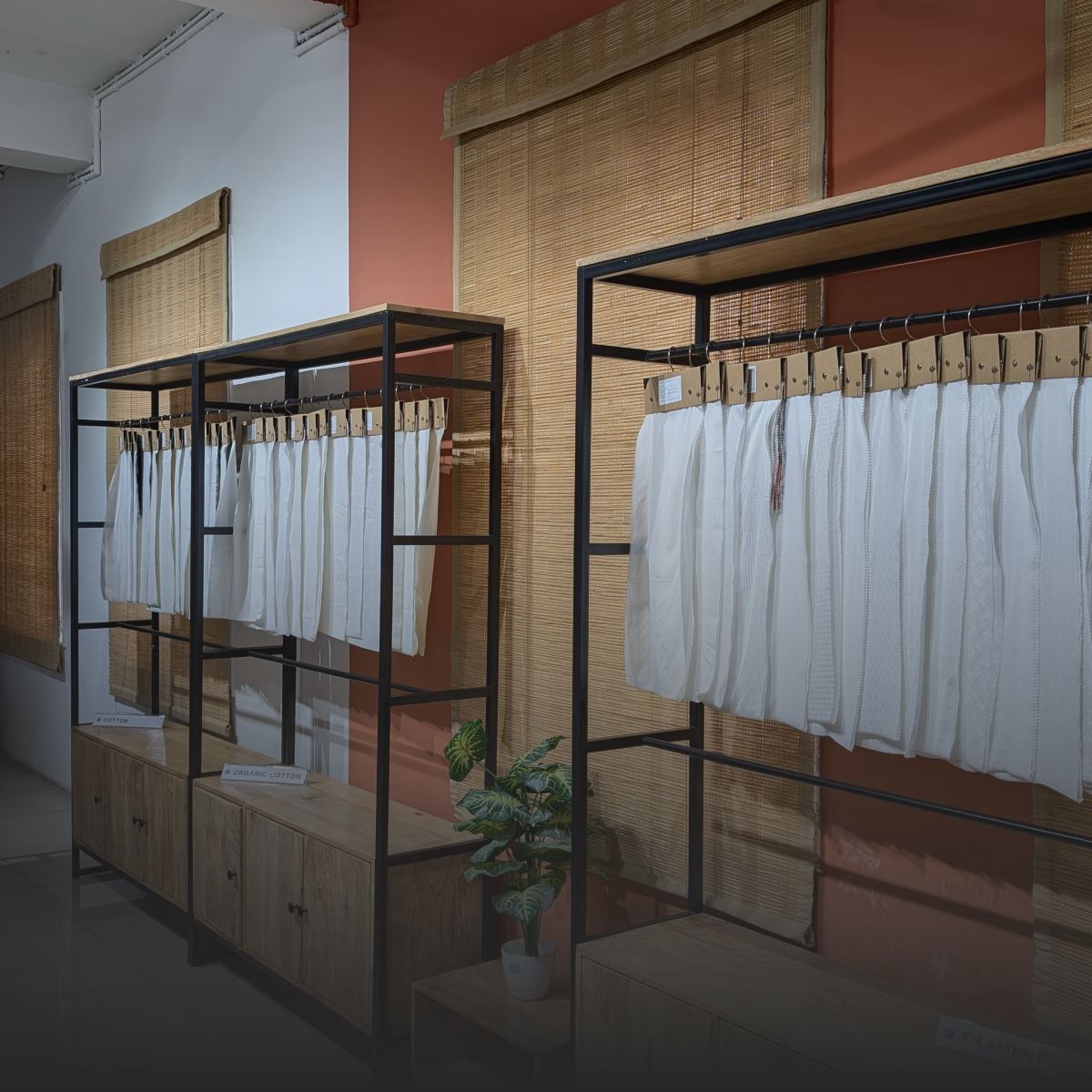
Fabriclore provides buyers with a complete fabric lifecycle, enabling them to confidently source and develop textiles, including greige fabrics for testing and base development.
- RFD (Ready for Dyeing) fabrics let you control the colour and print very precisely.
- Printed and dyed woven fabrics made with colouring and finishing methods that are legal for export.
This control, from beginning to end, ensures consistent quality, repeatability, and faster turnaround, all of which are very important for global fashion brands.
Wholesale Fabric, Fabric Swatches & Sampling
People who are buying things need samples and the option to purchase fabric swatches to make good decisions. Samples are a way for brands to:
- Fabric hand feel and drape
- Colour accuracy
- Print clarity
- Wash and wear performance
Wholesale fabric sourcing and sample work together to reduce risk and ensure alignment before large-scale production.
Future Trends in Export-Ready Woven Fabrics
The fashion industry worldwide is constantly evolving, and woven fabric sourcing is changing with it. Some key trends are:
- Colour uniformity is achieved through digitally controlled dyeing.
- Adoption of sustainable and regenerative fibres.
- Bright finishes on fabrics make them last longer and feel better.
- More people want low MOQs and quick turnaround.
In foreign markets, brands that change quickly have a significant advantage over those that don't.
Conclusion
Woven fabrics ready for export are what make global fashion brands popular. Everything is essential, from the way the fabric is made and the quality of the dyes to making low-MOQ clothes and following environmental rules. India's woven fabric ecosystem has more varieties than any other. Brands can get both freedom and scale by choosing the right sourcing partner.
Fabriclore's end-to-end fabric sourcing platform, low MOQ capabilities, and export-focused garment manufacturing support help fashion brands around the world source more wisely, start faster, and grow without sacrificing quality or control.
FAQs
1. What Are Export-Ready Woven Fabrics?
Textiles that are made to meet foreign standards for quality, performance, and compliance are called export-ready woven fabrics. They have the consistent GSM, colour fastness, dimensional stability, and longevity that clothing markets around the world, like those in the Middle East, Europe, and the USA, need.
2. Why Is India A Preferred Destination For Woven Fabric Garment Manufacturing?
India is a major centre for clothing made from woven fabrics because it has a strong textile infrastructure, extensive experience with cotton, linen, and viscose, reasonable prices, and the ability to support both large and low MOQ export production that meets global quality standards.
3. Can Small Brands Source Export-Quality Woven Fabrics At Low MOQ?
Yes. Many fabric sourcing providers in India like Fabrclore, now support sourcing low-MOQ woven fabrics. This means small brands, designers, and startups can get export-quality fabrics for pilot runs, samples, and limited-edition collections without making big commitments up front.
4. What Types Of Woven Fabrics Do Global Fashion Brands Typically Use?
Fashion brands, boutiques and designers worldwide often use fabrics such as voile, cotton poplin, twill, linen blends, viscose woven fabrics, and eco-friendly textiles. Because these materials are durable and versatile, they are used for shirts, dresses, trousers, resort wear, uniforms, and custom-made clothing.
5. How Can Brands Ensure Quality And Compliance When Sourcing Woven Fabrics For Export?
To reduce risks and ensure consistency, brands should work with sourcing partners with extensive experience and offer services such as quality checks, shrinkage control, colour fastness tests, and export-compliant clothing production.
We also happen to be a magnet for suggestions, and would love to catch yours….throw us yours on hello@fabriclore.com
Learn, Create & Grow with us 


