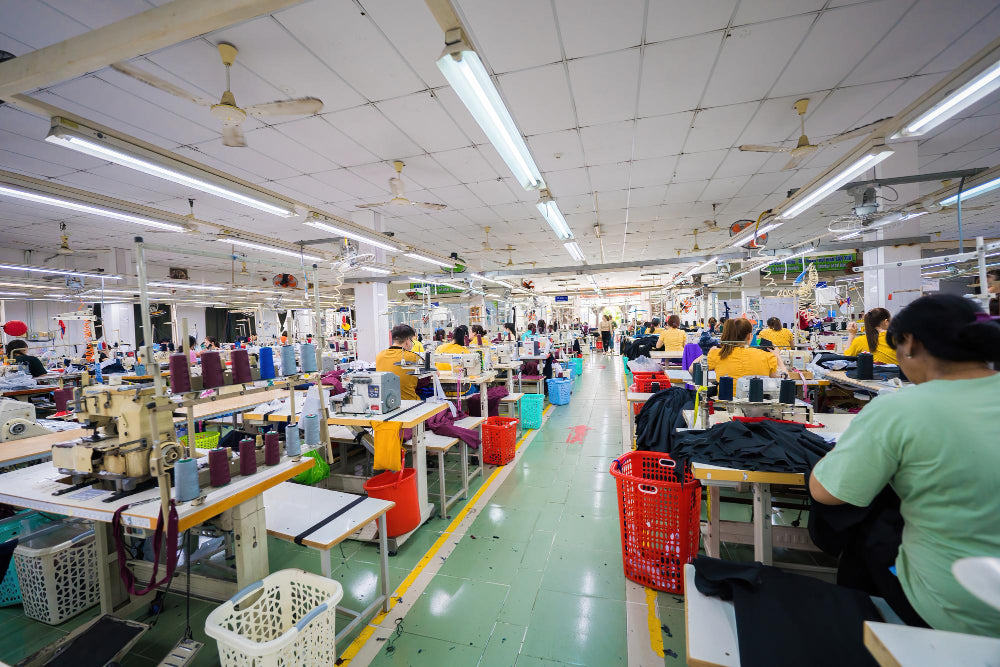
India has become one of the most reliable places in the world to buy textiles, and buyers from other countries are closely watching Fabric Export Trends from India in 2026. As brands look for better deals and supply lines become more diverse, India is attracting more attention for its high-quality fabrics, flexible production, and ability to make things to order.
India has one of the largest textile ecosystems in the world. It includes cotton, linen, rayon, blends, technical fabrics, and high-end printed materials. Some of the biggest names in clothing and textiles, such as Zara, H&M, Marks & Spencer, Walmart, and Target, have sourced from Indian supply chains for many years.
Knowing about fabric exports from India can help wholesalers, fashion brands, startups, retailers, and private labels make better sourcing decisions, lower their risk, and build stronger long-term relationships.
Why India Remains a Global Fabric Export Leader

India is still a major player in the global textile trade because it has everything needed to make textiles, from raw fiber to finished cloth. India is one of the few countries with the best mix of industrial scale, competitive prices, skilled labor, and a wide range of products. India is now a popular place for fashion brands, wholesalers, and stores around the world to buy clothing.
The IBEF Textile Industry Report says India's textile and clothing exports have remained above USD 35 billion annually, indicating steady demand worldwide. The industry makes up about 2.3% of India's GDP, about 13% of industrial production, and more than 45 million direct jobs.
India is also one of the world's largest cotton producers. This gives it a significant edge in Cotton Fabric Exports India, as it has easy access to cheap raw materials.
Key Advantages of India
- Large cotton production base.
- Strong spinning, weaving, and dyeing capacity.
- Competitive pricing.
- Export-ready infrastructure.
- Low MOQ to bulk flexibility.
Fabric Export Trends from India in 2026
The way that customers around the world get textiles is changing. Businesses no longer just care about low prices; they also care about being flexible, consistent with quality, quick, and long-lasting. The Fabric Export Trends from India in 2026 will be affected by these changes.
1. Rising Demand for Natural Fibers
Eco-friendly materials that allow airflow are becoming increasingly popular, especially in Europe, the USA, and high-end fashion markets.
Fast-Growing Categories
- cotton fabric.
- organic cotton fabric.
- linen fabric.
- cotton-linen blends.
- sustainable viscose fabrics.
India is still one of the best sources in these areas.
2. Growth in Value-Added Fabrics
Many brands now prefer ready-to-use products because they reduce internal processing and speed up production.
High-Demand Value-Added Fabrics
- Dyed fabrics.
- Printed fabrics.
- Soft-finish fabrics.
- Wrinkle-resistant textiles.
- Washed premium fabrics.
- Performance-treated fabrics.
3. Low MOQ Sourcing is Expanding
Fashion companies and direct-to-consumer (DTC) brands typically don't carry much stock. Because of this, there is a growing need for smaller order systems.
Buyers Prefer
- Low MOQ developments.
- Sample-first ordering.
- Small-batch production.
- Faster repeat programs.
- Swatch-based approvals.
4. Sustainability is Becoming Mandatory
Sustainability is now a standard to look for when buying products, driven by global regulations and customer expectations.
Common Buyer Requirements
- Water-efficient processing.
- AZO-free dyes.
- Organic fiber sourcing.
- Ethical manufacturing.
- Traceable supply chains.
Most Exported Fabric Categories from India
India exports a wide range of fabrics used in fashion, home decor, and industry. India is a strategic location for foreign buyers seeking a wide range of goods.
|
Fabric Category |
Common Uses |
Export Strength |
|
Cotton Fabric |
Shirts, dresses, kidswear |
Very Strong |
|
Linen Fabric |
Summerwear, premium apparel |
Growing |
|
Rayon / Viscose |
Dresses, tops |
Strong |
|
Polyester Blends |
Uniforms, sportswear |
Strong |
|
Printed Fabrics |
Private labels |
Very Strong |
|
Home Textile Fabrics |
Bedding, curtains |
Global Demand |
India is very good at cotton fabric by the yard, printed cotton, knitted clothing fabrics, and eco-friendly textiles.
Top Countries Buying Fabric from India
Indian textiles are sent to more than 100 different countries. Major trade markets continue to buy from India due to its low prices and wide product range.
|
Country |
Main Demand |
|
United States |
Fashion retail |
|
United Kingdom |
Apparel & home textile |
|
UAE |
Wholesale fabric |
|
Germany |
Sustainable fabrics |
|
France |
Premium fashion |
|
Australia |
Summerwear |
The United States remains one of the largest buyers of Indian textiles.
Why Global Buyers Are Increasingly Sourcing from India

Many foreign buyers are becoming less reliant on sourcing models that only work in one country. This change is good for India because it gives reliability, capacity, and a wide range of product capabilities.
Main Reasons Buyers Prefer India
- Diversifying the suppliers.
- Better chances to land for less money.
- Strong access to raw materials.
- Reliable ability to make things.
- A lot of options for customization.
- Systems for faster sampling.
- Increasing the rules for accountability.
Indian textile communities are also used by stores like Primark, Tesco, Next, and Mango to get goods.
Challenges Buyers Should Understand
India offers plenty of great opportunities, but professional sourcing still requires planning and supplier evaluation.
|
Challenge |
Smart Solution |
|
Quality inconsistency |
Use verified suppliers |
|
MOQ mismatch |
Negotiate flexible terms |
|
Delivery delays |
Confirm timelines early |
|
Shade variation |
Approve lab dips |
|
Communication gaps |
Use structured follow-up |
|
Freight changes |
Plan logistics in advance |
Traditional vs Modern Fabric Sourcing from India
Systems for sourcing are changing. When buying something in the past, there were often many mills and communication was broken up. Newer systems, on the other hand, give you more power.
|
Factor |
Traditional Sourcing |
Modern Integrated Sourcing |
|
Vendors |
Multiple mills |
Centralized system |
|
Sampling |
Slower |
Faster |
|
Quality Control |
Variable |
Structured |
|
MOQ |
Rigid |
Flexible |
|
Communication |
Fragmented |
Streamlined |
|
Scalability |
Complex |
Easier |
How Smart Buyers Source Fabric from India in 2026
Top buyers no longer just look for the lowest price. A structured sourcing framework helps them find the best mix between speed, cost, quality, and long-term dependability. This way helps brands lower their risk, be more consistent, and build stronger networks of suppliers in the India Fabric Export Market, which is growing.
Step 1: Define Product Need
Before approaching suppliers, clearly identify the exact requirement. Accurate specifications help suppliers quote correctly and reduce sourcing delays.
Clarify:
- Fabric Type
- GSM / GLM
- End Use
- Required Quantity
- Delivery Timeline
- Color / Print Requirement
- Budget Range
This is crucial when planning large developments or when sourcing fabric with low MOQs.
Step 2: Request Swatches
Before placing large orders, professional buyers often request swatches. Before production starts, this is one of the smartest ways to evaluate Fabric Sourcing India options.
Details Commonly Mentioned on Swatches
- Composition
- Blend
- Weave
- Width
- GSM / GLM
What Buyers Can Check After Receiving a Swatch
- Feel
- Texture
- Fabric Flow / Drape
- Transparent or Opaque Level
- Dyeing Quality for Solid Colors
- Printing Quality for printed fabrics
- Surface consistency
- Stretch or recovery (if applicable)
When you buy Cotton Fabric, Linen Fabric, or Custom Printed Fabric from India, this step is very important.
Step 3: Compare Total Cost
Smart buyers consider the total landing cost, not just the fabric price.
Include:
- Fabric Price
- Freight Cost
- Import Duty / Taxes
- MOQ Impact
- Lead Time
- Sampling Charges
- Payment Terms
When you buy Wholesale Fabric Online, this helps your profit margins.
Step 4: Validate Supplier Capacity
Before you buy something, make sure the seller can go from making models to making a lot of them without lowering the quality.
Review:
- Monthly capacity
- Quality systems
- Export experience
- Communication speed
- Repeat order capability
This is essential when looking for Indian Fabric Suppliers.
Step 5: Build Long-Term Partnerships
Having a reliable supplier relationship can help you get better prices, faster production times, easier contact, and better quality every time. Long-term partnerships give Fabric Exports from India strategic benefits and help brands and retailers grow in the future.
Strategic Fabriclore Integration
As sourcing gets trickier, many fashion brands adopt platforms that make it easier to buy, create, and make things all in one connected system. Fabriclore works with global fashion brands and is a tech-driven partner. They offer dependability, scalability, and full control over sources.
With over 10 years of experience and being trusted by more than 500 brands, it goes beyond traditional vendor models by integrating fabric discovery, customization, processing, and bulk production into a single system.
Over 5000 fabrics are sold by Fabriclore. These include cotton, linen, blends, and unique textiles. This makes it easy for buyers to find the right materials all in one place. The industrial network makes it easy to go from small-scale production to large-scale production.
What Fabriclore Offers
- Low MOQ with scalable production.
- Custom dyeing and printing support.
- Verified fabric authenticity and consistent bulk quality.
- 20-lakh-meter monthly industrial capacity.
- Faster swatch and sampling programs.
- Transparent pricing systems.
- Technology supported by human textile expertise.
- Fabric to garment manufacturing support.
Fabric Trends Global Buyers Should Watch in 2026
This year, buying decisions around the world will likely be influenced by several product and sourcing trends.
Key Trends
- Premium lightweight fabrics.
- Sustainable woven materials.
- organic cotton fabric demand.
- Faster sampling cycles.
- Integrated sourcing models.
- Digitized approvals and tracking.
- Repeatable quality focus.
Who Benefits Most from India's Fabric Sourcing?
India is well-suited to a wide range of businesses, from small startups to large international retailers.
|
Buyer Type |
Why India Works |
|
Startups |
Low MOQ + flexibility |
|
Fashion Brands |
Trend fabrics + development |
|
Retail Chains |
Scale + repeat supply |
|
Designers |
Premium materials |
|
Wholesalers |
Competitive bulk sourcing |
|
Private Labels |
Fabric + garment support |
Conclusion
Strong growth is expected in Fabric Export Trends from India in 2026, driven by natural fibers, eco-friendly production, shorter development cycles, and easier sourcing of MOQs. India is no longer just seen as a cheap choice by buyers; it is also seen as a strategic sourcing hub.
India is still one of the best places for global brands, retailers, wholesalers, and private labels to find long-term, trusted suppliers. Cotton and linen fabrics, custom textiles, scalable production, and better compliance methods are some of its strong points.
FAQ’s
Why Are Fabric Exports From India Growing In 2026?
Fabric Exports from India are rising because buyers from other countries want a variety of sourcing options, competitive prices, long-lasting materials, and manufacturing partners they can trust with scalable systems. India also has easy access to raw materials and a variety of ways to use them.
Which Fabrics Are Most Exported From India?
The leading export categories include:
- Cotton Fabric.
- Linen Fabric.
- Rayon / Viscose Fabrics.
- Polyester Blends.
- Printed Fabrics.
- Home Textile Fabrics.
These segments continue driving the India Fabric Export Market.
Is India A Good Place To Source Low-MOQ Fabrics?
Yes, India is one of the best places to source fabric with low MOQs because many sellers offer flexible minimum order quantities and quick sampling programs to help new brands, startups, and small businesses.
Can Buyers Get Custom-Printed Fabric From India?
Yes, plenty of Indian exporters give full customization services, such as:
- Digital Printing.
- Screen Printing.
- Rotary Printing.
- Custom Dyeing.
- Finish Development.
- Private Label Fabric Programs.
India is a great place for Fashion Sourcing India and private brands.
Is India Suitable For Sourcing Premium Fashion Fabrics?
Yes, India is a great place to find premium fashion fabrics because it has:
- Linen Fabric.
- Cotton Voile Fabric.
- Silk Blends.
- Designer Prints.
- Embroidered Fabrics.
- Sustainable Textiles.
India is an increasingly common option for many brands, offering both high-end and everyday products.
Can Sourcing Include Garment Manufacturing?
Yes, significantly modern sellers now offer full packages that include both Fabric Sourcing India and making clothes. With these packages, brands can simplify the whole process of development, production, quality control, and shipping into a single system.
We also happen to be a magnet for suggestions, and would love to catch yours….throw us yours on hello@fabriclore.com
Learn, Create & Grow with us