

Planning your Spring/Summer 2026 collection and struggling with fabric timelines?Spring/Summer collections are locked in well before garments reach cutting tables or production floors. When fabric decisions are delayed, brands often face limited availability, rushed approvals, and compromised quality, especially for lightweight fabrics in high global demand. This is why understanding how to plan fabric sourcing for Spring/Summer 2026 is essential for fashion brands and garment manufacturing businesses preparing for SS26.
As global sourcing cycles grow longer and buyer expectations rise, Spring/Summer 2026 fabric sourcing must follow a structured planning approach rather than reactive purchasing. Brands that plan early gain stronger control over quality, pricing, lead times, and repeat availability. This blog explains the right sourcing strategy and how Fabriclore supports brands at every stage of SS26 fabric planning.
Key Fabric Sourcing Considerations for Spring/Summer 2026

Spring/Summer collections rely heavily on fabrics that prioritise breathability, comfort, and visual appeal. For Spring/Summer 2026, sourcing conditions are influenced by tighter supply chains, fluctuating raw material prices, and increased demand for consistent quality across international markets.
Below are some requirements for fabric sourcing for garment manufacturing in Spring/Summer 2026:
- Earlier supplier engagement to secure production slots
- Better coordination between sampling and bulk orders
- Stronger focus on repeat availability for reorders
- Clear compliance and export documentation
Brands that recognise these shifts and adapt their sourcing strategies early are better positioned to meet delivery schedules, reduce last-minute sourcing risks, and maintain quality consistency. Fabriclore supports this approach through structured fabric sourcing for garment manufacturing, offering precise specifications and reliable repeat availability for Spring/Summer 2026 production.
When to Source Fabrics for Spring/Summer 2026 Collections

Effective Spring/Summer 2026 fabric sourcing begins by working backward from launch, merchandising, and retail deadlines. Seasonal collections require disciplined planning to avoid delays during critical production stages.
A realistic Spring/Summer 2026 sourcing timeline includes:
- 11–9 months before launch: Fabric research, trend alignment, and supplier shortlisting
- 9–7 months before launch: Fabric swatches, lab dips, sampling, and performance testing
- 7–5 months before launch: Bulk fabric confirmation and colour approvals
- 5–3 months before launch: Final production planning and sourcing buffers
Following a structured sourcing timeline reduces pressure on teams and supports smoother garment manufacturing workflows. Fabriclore, an online fabric sourcing platform, enables this process by aligning fabric sourcing with production schedules, helping export-focused collections move from planning to manufacturing with consistency and confidence.
Top Fabric Categories for Spring/Summer 2026 Collections

Fabric selection plays a central role in both comfort and commercial performance. For Spring/Summer 2026, brands should prioritise lightweight and breathable fabrics that align with seasonal wear expectations and consumer comfort.
Key fabric categories for Spring/Summer 2026 include:
- Cotton fabrics for everyday dresses, shirts, tops, and casual wear
- Linen fabrics for premium, breathable summer collections
- Viscose fabrics for soft drape, fluid silhouettes, and printed garments
- Blended fabrics that balance durability, drape, and cost efficiency
Sourcing these fabrics early helps brands maintain consistent GSM, accurate colour matching, and batch reliability throughout production. Fabriclore strengthens fabric sourcing for garment manufacturing by supplying production-ready fabrics with precise specifications and dependable repeat availability across multiple production runs.
How Fashion Brands Should Evaluate Fabrics for Spring/Summer 2026

Choosing seasonal fabrics based only on appearance increases production risk. Brands must evaluate technical performance to ensure fabrics behave consistently during cutting, stitching, finishing, and post-sale use.
Key evaluation checks include:
- Fabric GSM appropriate for warm-weather garments
- Breathability and airflow performance
- Shrinkage and wash behaviour
- Colourfastness, especially for light and pastel shades
- Drape, hand feel, and stitch performance
These checks are vital when brands buy wholesale fabric for Spring Summer collections intended for international markets, where quality consistency directly affects brand perception.
Why Fashion Brands Prefer Structured Sourcing Platforms for Spring/Summer 2026

As sourcing complexity increases, many fashion brands are moving away from fragmented supplier networks. Managing multiple independent vendors often leads to communication gaps, inconsistent specifications, and avoidable production delays during fabric sourcing for Spring/Summer 2026.
Structured sourcing platforms provide a more reliable alternative by centralising supplier coordination and standardising processes. However, brands prefer this approach because it supports fabric sourcing for garment manufacturing with better control, visibility, and consistency, allowing them to plan production more efficiently and reduce sourcing risk.
- Centralise supplier communication
- Standardise fabric specifications
- Approve swatches before bulk orders.
- Reduce sourcing errors and delays.
- Improve predictability across seasonal production.
This approach supports smoother planning and reduces operational risk for Spring/Summer collections by aligning structured fabric sourcing with garment manufacturing timelines, ensuring consistency and reliability throughout production.
How Fabriclore Supports Spring/Summer 2026 Fabric Sourcing

Fabriclore operates as a sourcing platform rather than a retail fabric store. With 10+ years of experience in fabric sourcing, dyeing, and printing, and trusted by 500+ clients, Fabriclore understands the seasonal planning pressures faced by fashion brands and modern garment manufacturing operations.
Fabriclore supports Spring Summer 2026 fabric sourcing through:
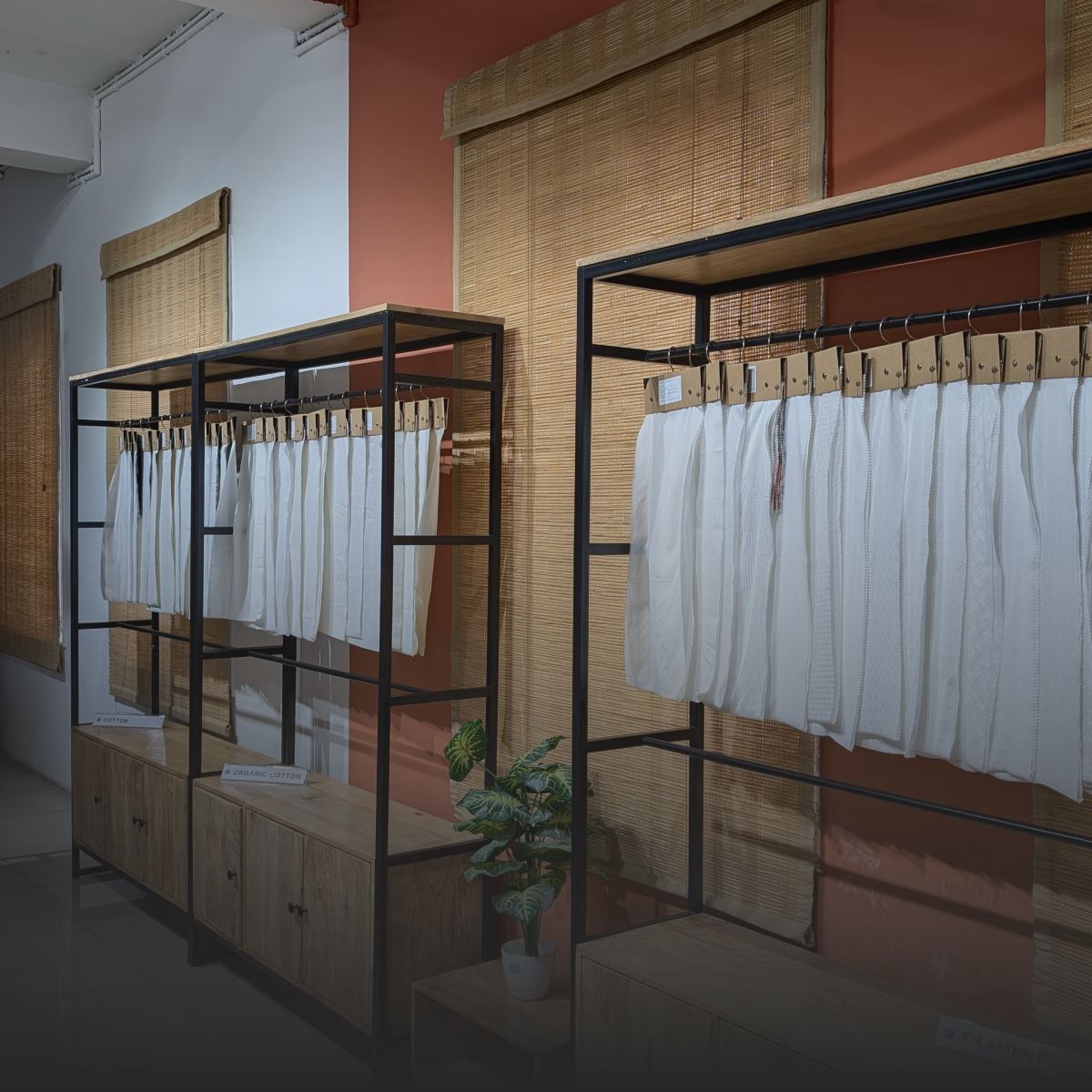
- Access to verified mills supplying cotton, linen, viscose, and blended fabrics
- Export quality fabric supplier standards aligned with global markets
- Fabric swatches and sample approvals before bulk confirmation
- Custom dyeing, digital printing, and RFD sourcing
- End-to-end support from greige to finished fabrics
- Worldwide shipping and export documentation
- Structured sourcing processes designed for repeat seasonal production
This approach supports smoother planning and reduces operational risk for Spring/Summer collections by aligning structured fabric sourcing with garment manufacturing timelines, ensuring consistency and reliability throughout production.
Key Takeaways
Planning fabric sourcing for Spring/Summer 2026 requires early action, disciplined timelines, and a structured sourcing approach. Brands that prioritise early supplier engagement, fabric evaluation, and platform-based sourcing significantly reduce production risk.

By partnering with Fabriclore, fashion brands and manufacturers gain a reliable sourcing partner that supports seasonal planning, scalable production, and export-ready fabric procurement for Spring/Summer 2026 and beyond.
FAQs
1. When should brands start fabric sourcing for Spring/Summer 2026?
Brands should begin fabric sourcing for Spring/Summer 2026 at least 10–11 months before launch. Fabriclore supports early-stage sourcing by offering fabric research, swatches, and sampling, allowing brands to plan approvals and bulk production without last-minute pressure.
2. What fabrics work best for Spring/Summer 2026 collections?
Cotton, linen, viscose, and breathable blends are best for Summer/Spring Collections. Through Fabriclore, brands can source these fabrics with consistent GSM, colour accuracy, and production-ready quality suited for warm-weather garments.
3. How can brands avoid fabric delays for Spring/Summer production?
Brands can reduce delays by following a structured sourcing timeline and working with a professional fabric sourcing platform for garment manufacturing, like Fabriclore, which aligns fabric availability with production schedules and repeat requirements.
4. Why is early fabric evaluation critical for Spring/Summer 2026?
Early evaluation helps ensure fabrics meet performance standards for shrinkage, GSM, and colourfastness. Fabriclore enables this through fabric swatches, precise specifications, and quality checks before bulk confirmation, reducing issues during garment manufacturing.
5. Where can brands source SS26 fabrics reliably?
Brands can source Spring/Summer 2026 fabrics through Fabriclore, which offers export-ready fabrics, flexible MOQs, professional sourcing support, and global shipping for consistent, scalable seasonal production.
We also happen to be a magnet for suggestions, and would love to catch yours….throw us yours on hello@fabriclore.com
Learn, Create & Grow with us 


