In garment manufacture, fabric sourcing is one of the most expensive parts of the production process. Plenty of textile companies spend between 40 and 60 percent of their total clothing costs on raw materials. When buying cloth, dying it, making samples, transporting them, and getting suppliers to work together poorly, the sourcing budget goes up quickly.
Fashion startups, boutique labels, private labels, and large apparel manufacturers are embracing strategic sourcing methods to cut costs and ensure product quality and supply predictability.
Structured sourcing helps apparel businesses reduce sourcing costs by up to 30% without affecting fabric quality or production delays.
This guide discusses practical steps clothing brands use to reduce sourcing costs and how integrated sourcing platforms simplify the process.
Understanding Apparel Sourcing Costs
Before talking about ways to cut costs, it's important to know where the costs of buying come from.
Costs that are common for clothing sources include:
- Fabric procurement.
- Fabric dyeing and printing.
- Fabric sampling and swatches.
- Inventory storage.
- Logistics and shipping.
- Supplier coordination.
- Fabric testing and quality control.
When brands use inefficient ways to get fabrics or depend on broken supply lines, these costs go up a lot.
The goal of efficient sourcing methods is to improve procurement, cut down on waste, and streamline supplier management.
Practical Steps Apparel Brands Use to Reduce Sourcing Costs
Apparel fabric sourcing costs can be lowered by making shipping better, buying things more efficiently, and managing suppliers better. Many clothing companies make more money by getting better at finding fabrics, planning their production, and managing their supply chains. Apparel firms can cut sourcing expenses by 30% while maintaining quality and production deadlines when these methods operate together.
The following methods help fashion companies streamline sourcing and control material prices.
1. Source Fabric Directly from Wholesale Suppliers
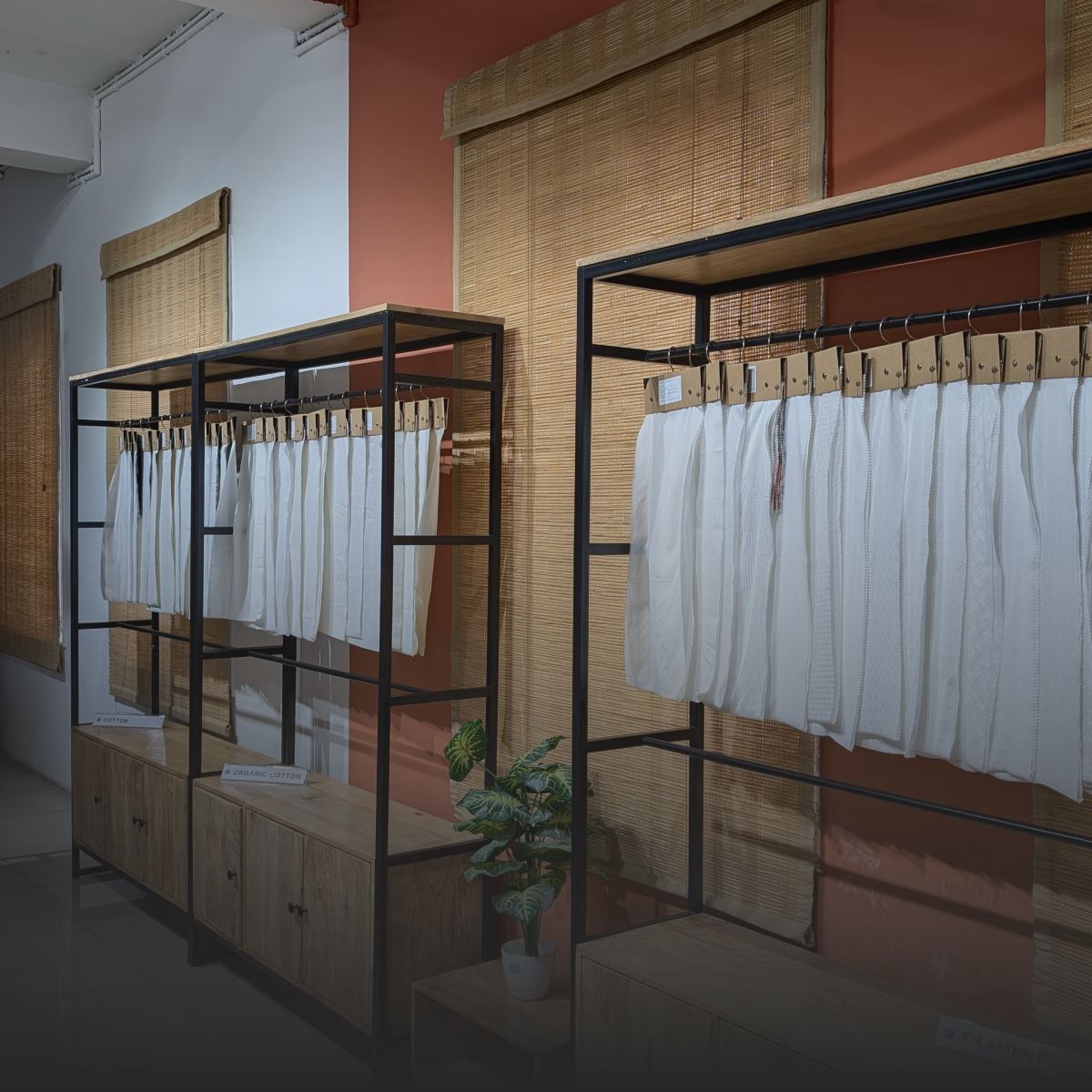
Retail fabric markets usually have extra markups that raise the cost of raw materials. Clothing brands can save money by buying fabrics directly from textile mills or wholesalers.
Direct buying has many benefits for business, including:
- Less money per meter.
- Access to savings for buying in bulk.
- Better chances to negotiate prices.
- Supply that stays stable for regular output.
By working with wholesale fabric providers, brands can make sure that their fabrics are always the same, which helps them keep costs down and quality high.

2. Work with Low Minimum Order Quantity (MOQ) Suppliers
High minimum order quantities can put financial strain on many clothing brands. Buying extra fabric can lead to leftover stock and increased storage expenses.
With low MOQ sources, brands can buy smaller amounts and slowly make more. Brands can gain from this method:
- Minimize excess inventory.
- Reduce upfront capital investment.
- Test new product concepts before mass production.
Low MOQ sourcing is great for startups, seasonal collections, and limited-edition launches.
3. Order Fabric Swatches Before Bulk Purchasing
Fabric sampling helps avoid sourcing errors. Apparel brands check fabric samples before bulk orders to ensure the material meets design and performance needs.
Sampling allows brands to check key fabric features like:
- Fabric weight (GSM).
- Color accuracy.
- Shrinkage behavior.
- Texture and drape.
By testing fabrics ahead of time, brands can avoid buying materials that aren't right, which saves them money on mistakes during production.
4. Consolidate Suppliers
Managing a lot of different providers can make operations more difficult. A lot of clothing companies get their fabrics, dye them, print them, and make the clothes from different sources.
When you work with too many companies, it can:
- Communication delays.
- Inconsistent quality.
- Longer production cycles.
Brands can make supply chain planning easier and cut down on administrative costs by combining sourcing activities and working with fewer reliable partners.
5. Use Digital Fabric Sourcing Platforms
Sourcing traditionally involves visiting textile markets, negotiating with vendors, and manually coordinating shipments. This process takes time and resources.
Digital sourcing platforms help apparel brands simplify procurement by letting them:
- Compare fabrics from multiple suppliers.
- Review material specifications.
- Order samples online.
- Track sourcing and delivery status.
Utilizing digital sourcing tools raises the level of transparency and lowers the operational burden of fabric purchase.
6. Use Fabric Customization Instead of Buying Multiple Fabrics
Clothing brands buy various fabrics to make different styles. This raises sourcing challenges and inventory costs.
Customize one base fabric with various printing or dyeing methods for better efficiency.
Here are some common ways to customize:
- Digital textile printing.
- Screen printing.
- Block printing.
- Specialized dyeing processes.
This approach lets brands make a wide range of collections with fewer base fabrics, which makes buying and keeping track of inventory easier.

7. Plan Production in Advance
When you decide to buy something late, you may have to pay more because suppliers may charge more for pressing orders or fast deliveries.
When brands plan, they can:
- Negotiate better fabric prices.
- Secure production capacity for dyeing and printing.
- Reduce urgent shipping expenses.
Early coordination of sources makes production more efficient overall and helps brands keep manufacturing schedules that are easy to predict.
8. Optimize Logistics and Shipping
Logistics costs make up a big part of the cost of finding clothes. Shipping problems can make buying things more expensive and cause creation to be delayed.
Brands can improve operations by:
- Consolidating shipments.
- Coordinating bulk deliveries.
- Sourcing materials closer to manufacturing facilities.
Logistics planning that works well cuts down on transportation costs and makes the supply line more reliable.
9. Select Versatile Fabrics
Choosing fabrics that can be used in a lot of different types of products makes buying easier.
As an example:
- Cotton fabrics work well for shirts, dresses, and casual wear.
- Linen fabrics suit summer garments.
- Viscose fabrics support draped designs.
By using materials that can be used in different ways, brands can buy more of the same type of fabric, which lowers the cost per meter and makes better use of the fabric.
10. Build Long-Term Supplier Relationships
Clothing brands can keep their sourcing processes stable by building strong relationships with dependable suppliers.
Long-term relationships often have perks like:
- Consistent fabric quality.
- Predictable delivery timelines.
- Favorable pricing terms.
- Dependable restocking availability.
Stable ties with suppliers help businesses run more efficiently and keep costs down over time.
11. Use Data and Demand Forecasting
Apparel companies now use data analytics and demand forecasting to make sourcing decisions.
Accurate forecasting helps brands better estimate fabric needs and match procurement with real product demand.
Benefits are:
- Better inventory planning.
- Reduced overproduction.
- Lower storage costs.
- Improved production scheduling.
Brands can reduce sourcing costs by as much as 33 percent while improving supply chain efficiency when they use demand forecasting and smart sourcing methods together.
12. Standardize Fabric Bases Across Collections
A successful apparel manufacturer simplifies sourcing by using the same core fabrics in different collections.
Brands choose a few dependable base fabrics each season and add variety with colors, prints, or finishing techniques.
Standardization has many benefits:
- Improved purchasing efficiency.
- Stronger price negotiation through bulk orders.
- Consistent product quality.
- Faster product development cycles.
This approach lets brands keep their design options open while streamlining their sourcing processes.
13. Implement Apparel ERP and Supply Chain Systems
As fashion supply chains become more complex, companies are turning to digital tools for sourcing activities.
ERP systems help apparel brands monitor procurement and enhance operational visibility.
These systems help brands to:
- Monitor inventory levels.
- Coordinate supplier communication.
- Track production schedules.
- Analyze sourcing performance.
Supply chain management that is driven by technology helps businesses find flaws and make the buying process more efficient.
14. Conduct Regular Supplier Performance Reviews
The performance of suppliers is a big part of how efficiently you can source things. Clothing brands check with their suppliers on a daily basis to make sure they meet standards for quality and delivery.
Some common evaluation factors are:
- Price consistency.
- Fabric quality.
- Delivery reliability.
- Communication responsiveness.
Brands can keep reliable relations with suppliers and avoid sourcing problems by keeping an eye on how well their suppliers are doing.
15. Use Global Fabric Sourcing to Access Competitive Pricing
Many clothing brands grow their supplier networks beyond local markets to reach global textile centers.
Areas with strong textile manufacturing often offer competitive prices because of large production and established supply chains.
Global sourcing has many benefits:
- Access to a wider range of fabrics.
- Competitive wholesale pricing.
- Advanced textile manufacturing capabilities.
- Greater supplier flexibility.
Key textile sourcing countries are India, Turkey, China, and Vietnam, recognized for their large fabric production and competitive prices.
Apparel brands can find sourcing options that balance price, quality, and lead time by comparing suppliers in different markets. Effective global sourcing strategies can lower sourcing costs by about 30%, increase fabric options, and enhance supply chain flexibility.

The Role of Integrated Fabric Sourcing Platforms
Many fashion companies are moving toward integrated sourcing platforms that provide multiple services under one ecosystem as their supply lines get more complicated.
More and more, brands don't want to work with different vendors to get fabric, dye it, print it, and make it. Instead, they want centralized platforms that manage these processes together.
Integrated sourcing systems make buying things easier by:
- Access to multiple fabric options.
- Fabric customization services.
- Sampling and swatch ordering.
- Production coordination.
- Logistics support.
How Fabriclore Supports Apparel Brands with Integrated Fabric Sourcing
Fabric sourcing platform with over 10 years of experience in fabric sourcing, dying, and printing, as Fabriclore calls itself.
There is a central method on the platform that helps fashion companies handle many sourcing tasks from one place.
Brands can get fabric sourcing, customization, and apparel manufacturing services within a single workflow instead of working with different suppliers.
Some key advantage are:
1. Wide Range of Fabric Options
Fabriclore gives you access to a huge selection of fabrics, such as:
- Cotton fabrics.
- Linen fabrics.
- Viscose fabrics.
- Silk fabrics.
- Sustainable fabric options.
This range lets brands compare materials and pick fabrics that will work with their designs.
2. Access to RFD and Greige Fabrics
Brands can get RFD (Ready for Dyeing) and greige fabrics, which are often used for printing and dying to order.
These fabric bases give you the freedom to make your own fabric patterns and color variations.
3. Fabric Customization Services
Fabriclore offers many ways to customize, such as
- Digital printing.
- Screen printing.
- Traditional block printing.
- Custom dyeing.
Customization lets brands make their own fabric patterns without having to find a lot of different materials.
4. Low MOQ Fabric Sourcing
The platform has low minimum order amounts, which means that people can get fabric from:
- Small fashion brands.
- Boutique designers.
- Startup clothing labels.
When a brand releases a new product, this freedom helps them lower the risk of running out of stock.
5. Fabric Sampling and Swatches
Before making bulk orders, brands can order fabric swatches to check out the quality of the fabric.
Samples let designers and makers check that:
- Fabric weight.
- Texture.
- Color accuracy.
- Print quality.
6. Custom Apparel Manufacturing
Fabriclore also supports custom apparel manufacturing with low MOQ, which helps brands move from buying fabrics to making clothes.
This service helps:
- Small clothing brands.
- International private labels.
- Designers and boutiques.
7. Centralized Supply Chain Support
Fabriclore makes managing the supply chain easier by combining its buying, customization, and production services into one package.
Instead of working with several vendors, brands can use a single sourcing partner to handle different stages of production.
Conclusion
Clothing brands that have to compete in tough markets need to cut their buying costs as much as possible.
Successful fashion companies don't just look at fabric prices; they also work on their procurement plans, relationships with suppliers, and production planning to get the best deals.
Some important methods are:
- Sourcing fabrics directly from wholesale suppliers.
- Working with low MOQ vendors.
- Using fabric sampling.
- Consolidating suppliers.
- Optimizing logistics.
- Planning production.
By putting together different services into one system, integrated sourcing tools make this process even easier.
Clothing brands can reduce sourcing costs by up to 30 percent while maintaining fabric quality and production consistency if they use structured sourcing strategies and good supplier networks.
FAQ’s
1. How Can Apparel Brands Reduce Fabric Sourcing Costs?
Fashion brands can lower their sourcing costs by working with low MOQ sellers, buying fabrics in bulk, buying fabric swatches before making large purchases, consolidating suppliers, and making the best use of logistics.
2. What Is The Benefit Of Low MOQ Fabric Sourcing?
Low MOQ sourcing lets brands order less fabric, which lowers the risk of running out of stock, cuts down on storage costs, and lets designers try out new patterns before mass production.
3. Why Do Clothing Brands Order Fabric Swatches Before Bulk Orders?
Before placing big orders, buy fabric swatches to help brands check the quality, GSM, color accuracy, and texture of the fabric. This stops mistakes from happening during production and cuts down on waste.
4. How Do Digital Fabric Sourcing Platforms Help Fashion Brands?
Brands can use digital sourcing platforms to compare fabrics, order samples, handle suppliers, and keep an eye on orders all online. It takes less time to find suppliers and is easier to work with them.
5. What Services Do Integrated Fabric Sourcing Platforms Provide?
Integrated buying platforms often offer services like finding fabrics, dyeing them, printing them, making samples, and making clothes. This lets clothing companies handle many steps of the production process with just one method.
We also happen to be a magnet for suggestions, and would love to catch yours….throw us yours on hello@fabriclore.com
Learn, Create & Grow with us