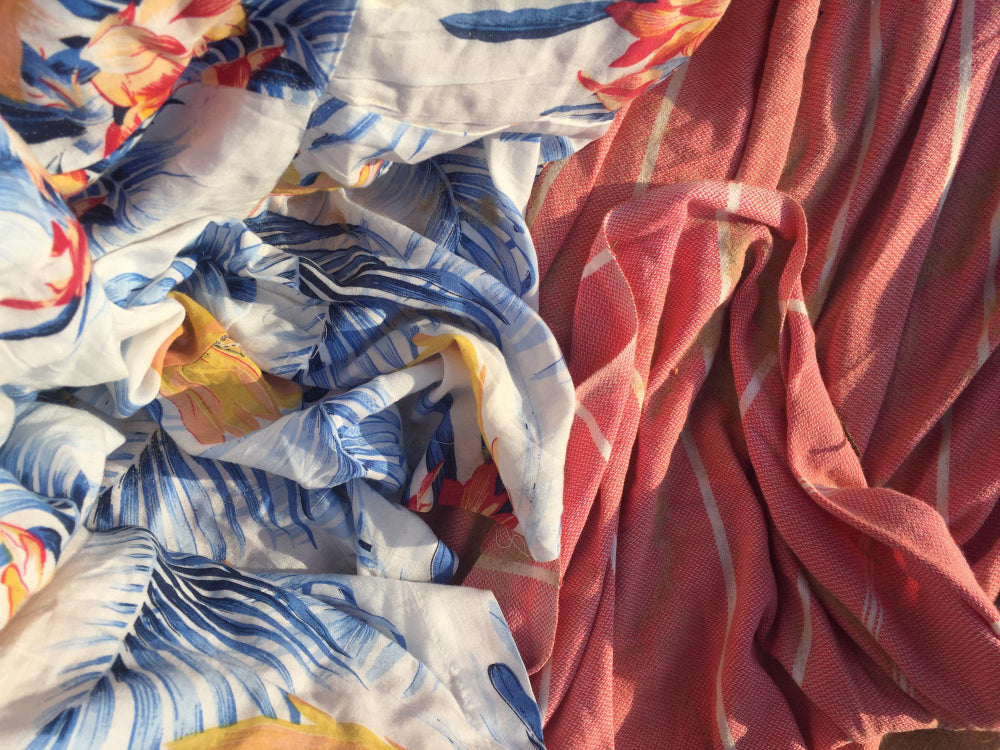
Digital textile printing, low MOQ fabric customization, and flexible production processes are rapidly changing the fashion business, allowing brands to develop exclusive collections faster, with lower inventory risk and greater creative freedom.
Global fashion brands, luxury labels, private-label businesses, ecommerce apparel companies, boutique designers, sustainable fashion businesses, and emerging startups are seeking customized fabric prints and colors to create limited-edition collections, signature aesthetics, and trend-driven apparel lines without high-volume manufacturing.
Modern purchasers deliberately seek:
- Custom fabric printing online
- Low MOQ fabric customization
- Digital textile printing services
- Custom dyed fabrics
- Pantone color matching
- Sustainable textile sourcing
- Small batch fabric manufacturing
This change is turning textile sourcing from a strict bulk-production model into a scalable, tech-driven, and demand-focused manufacturing system for today's fashion companies.
How to Customize Fabric Prints and Colors with Low MOQ

The first thing you need to do to customize fabrics with low minimum orders is pick the right cloth base, printing method, dying method, and buying partner. Traditional mills usually make a lot of clothes, but modern textile providers offer smaller production runs, faster samples, and manufacturing systems that can be scaled up or down.
Basically, the process is made up of:
- Fabric selection
- Artwork development
- Printing method selection
- Pantone color matching
- Sampling & strike-offs
- Bulk production planning
Brands can launch capsule collections, test seasonal designs, and experiment with custom color palettes while minimizing inventory risks.
Humanity created an industry where trends shift every few weeks, yet brands are expected to produce six months of inventory in advance. Low MOQ production is fashion fixing its own operational mess.
Different Ways to Customize Fabric Prints and Colors

Many fashion companies consider digital printing only when they think of customization. However, many different printing and dyeing methods are used in modern textile manufacturing to suit different styles, production sizes, textures, and types of cloth.
What determines the best way to customize something?
- Fabric type
- Design complexity
- Production quantity
- Texture requirements
- Sustainability goals
- Budget flexibility
Digital Textile Printing
Digital textile printing is now one of the most popular ways to do low-MOQ custom fabric printing because it lets you print highly detailed art directly on fabric without buying expensive screen sets.
This method is commonly applied for:
- Floral prints.
- Placement graphics.
- Geometric patterns.
- Multi-color artwork.
- Fashion-forward collections.
Why Fashion Brands Prefer Digital Printing
- Low MOQ flexibility.
- Faster sampling.
- High-resolution print quality.
- Lower inventory risks.
- Reduced water wastage.
- Faster turnaround times.
Digital printing is very useful for new fashion brands, boutique labels, eco-friendly fashion lines, and online fashion brands.
Screen Printing
Screen printing is still one of the most common ways to print on textiles for business purposes, especially when large images are needed, or a lot of clothes need to be produced.
Consumers usually choose this method for:
- Streetwear.
- Graphic t-shirts.
- Logo designs.
- Bold fashion graphics.
- Commercial apparel collections.
Advantages of Screen Printing
- Strong color opacity.
- Excellent durability.
- Vibrant bold colors.
- Cost efficiency in mass production .
Even though a setting is needed for screen printing, it is still a very good way to make many clothes quickly.
3D Rubber Screen Printing
Using special rubberized inks, 3D rubber screen printing produces raised, textured images. This method is becoming increasingly popular in high-end style and modern fashion.
Often used for:
- Athleisure collections.
- Premium branding.
- Sportswear.
- Luxury streetwear.
The dimensional surface effect makes the clothing look better and makes people think it's worth more.
Block Printing

Block printing is still one of the most artistic and culturally important ways to print on textiles today.
In this method, carved wooden blocks are hand-stamped onto fabric with dyes or pigments. This creates small natural differences that make each cloth unique.
Some traditional methods are:
Block printing is highly preferred for:
- Sustainable fashion.
- Resortwear.
- Artisan collections.
- Ethnicwear.
- Premium handcrafted apparel.
Handcrafted textile printing methods are becoming increasingly important in global fashion markets as people value craftsmanship and authenticity.
Sublimation Printing
Performance fabrics and polyester cloths are the main types of materials that sublimation printing is used on.
Suitable for:
- Sportswear
- Activewear
- Swimwear
- Athleisure collections
Key Benefits
- Strong color vibrancy
- Excellent colorfastness
- Long-term durability
- Crack-resistant print quality
This method works really well for high-performance clothing that requires long-lasting images.
Fabric Dyeing and Custom Color Development
Along with fabric printing, custom fabric dyeing is an important part of the process of making fashion collections.
These days, modern sellers now offer:
- Pantone color matching.
- Lab dip approvals.
- Custom shade development.
- Seasonal color palettes.
- Sustainable dyeing systems.
Fashion brands use custom coloring to make:
- Signature brand colors.
- Trend-based collections.
- Exclusive seasonal shades.
- Luxury apparel palettes.
Depending on the needs of the process, suppliers may:
- Piece dyeing.
- Yarn dyeing.
- Reactive dyeing.
- Pigment dyeing.
- Natural dyeing.
- Vat dyeing.
Even small differences in colour can hurt the character of a brand and the quality of the product. In light of this, shade testing by professionals is still needed before mass production can begin.
People have come up with 17 different shades of off-white, which is why color approvals now require full processes for standardization.
Best Fabrics for Custom Printing and Dyeing

Choosing the suitable fabric is crucial in custom textile development. It impacts print sharpness, color vibrancy, dye absorption, texture, drape, and overall garment quality. Fabrics react in various ways to digital printing, screen printing, block printing, sublimation printing, and custom dyeing. Fashion brands should choose fabrics based on garment type, print style, production amount, and target market before starting custom fabric printing or low MOQ fabric customization.
|
Fabric Type |
Best Printing/Dyeing Methods |
Best Used For |
Key Advantages |
|
Cotton Fabric |
Digital Printing, Reactive Printing, Screen Printing, Pigment Printing |
Shirts, dresses, kidswear, streetwear, casualwear |
Soft texture, breathable, excellent print clarity |
|
Linen Fabric |
Reactive Printing, Digital Printing, Yarn Dyeing |
Resortwear, luxury apparel, sustainable fashion |
Natural texture, premium appearance, breathable |
|
Viscose Fabric |
Digital Printing, Reactive Dyeing |
Womenswear, occasionwear, contemporary apparel |
Rich color depth, fluid drape, smooth finish |
|
Modal Fabric |
Digital Printing, Pigment Printing |
Comfortwear, premium basics, loungewear |
Soft hand feel, vibrant print quality |
|
Bemberg Fabric |
Reactive Printing, Custom Dyeing |
Luxury dresses, premium linings, designer apparel |
Silk-like touch, breathable, luxurious drape |
|
VFY Fabric |
Digital Printing, Screen Printing |
Occasionwear, contemporary fashion |
Shine, smooth texture, strong print detailing |
|
Polyester Fabric |
Sublimation Printing, Pigment Printing |
Sportswear, swimwear, activewear |
Durable, colorfast, moisture management |
|
Silk Fabric |
Reactive Printing, Hand Dyeing |
Luxury fashion, scarves, designer collections |
Premium finish, soft drape, elegant appearance |
|
Rayon Fabric |
Digital Printing, Reactive Printing |
Summer apparel, dresses, co-ord sets |
Lightweight, soft texture, strong color absorption |
|
Knit Fabrics |
Pigment Printing, Screen Printing |
Loungewear, athleisure, streetwear |
Stretch comfort, flexible structure |
|
Cotton-Linen Blends |
Digital Printing, Reactive Dyeing |
Summer shirts, relaxed tailoring |
Breathable with improved softness |
|
Tencel™ Fabric |
Digital Printing, Eco Dyeing |
Sustainable fashion, premium apparel |
Eco-friendly, smooth finish, moisture absorbent |
Why Low MOQ Fabric Customization Matters for Modern Fashion Brands
Fashion companies today work in a market that moves quickly and is focused on trends. People's tastes shift quickly, social media speeds up trends, and online shopping increases the need for limited-edition things and faster launches.
Low MOQ fabric manufacturing is now essential for modern fashion brands. Brands can now avoid heavy investments in large inventories by:
- Test collections faster.
- Reduce deadstock inventory.
- Launch seasonal drops.
- Validate customer demand.
- Experiment with designs.
- Improve cash flow management.
This sourcing model is especially valuable for:
- Fashion startups.
- DTC brands.
- Sustainable labels.
- Boutique designers.
- Influencer-led collections.
Low MOQ customization helps create more sustainable production by allowing businesses to make products based on real demand rather than guessing inventory needs.
Why Technology Is Transforming Fabric Customization
The way fashion brands find and create textiles around the world is rapidly changing due to technology.
Increasingly, modern sourcing systems support:
- AI-powered fabric discovery.
- Real-time inventory visibility.
- Digital order tracking.
- Smart sampling systems.
- Automated workflow coordination.
- Faster communication systems.
Sourcing communities that use technology helps lower:
- Supplier fragmentation.
- Production delays.
- Inventory errors.
- Communication gaps.
- Quality inconsistencies.
Textile sourcing will be more scalable, digitally integrated, and data-driven in the future.
Fabriclore: Integrated Platform for Custom Fabric Printing and Dyeing

Fabriclore is becoming known as a sourcing and manufacturing tool that uses technology to help modern fashion brands that need reliable, flexible, and scalable production systems.
Fabriclore is not like other wholesale sellers that only sell in bulk. Instead, it is a full-stack textile sourcing ecosystem that includes finding fabrics, customizing them, printing, dying, sampling, inspecting, and making large quantities of them all in one central location.
The app gives users access to more than 5000+ fabrics, such as:
- Cotton fabrics.
- Linen fabrics.
- Rayon & viscose.
- Modal fabrics.
- Bemberg fabrics.
- VFY fabrics.
- Polyester fabrics.
- Sustainable textiles.
- Knit fabrics.
In addition to buying, Fabriclore helps with:
- Digital printing.
- Screen printing.
- 3D rubber screen printing.
- Block printing.
- Custom dyeing.
- Pantone color matching.
- Fabric swatches.
- Sample yardage.
- Quality inspection.
- Apparel manufacturing.
Fabriclore's centralized order lifecycle management system is a big part of what sets them apart. It helps brands better handle sourcing, sampling, printing, dying, and production by giving them more information and making it easier to work together.
The platform supports scalable manufacturing while keeping strong quality consistency and predictable lead times. It is backed by 10+ years of expertise in dyeing and printing.
Fabriclore is trusted by more than 500 private labels globally to help them with both sourcing clothing and making it.
20 Million Meter Scalable Manufacturing Network
Through its 20 Million Meter Scalable Manufacturing Network, Fabriclore is changing the way global textiles are sourced. This helps fashion brands avoid bottlenecks during peak seasons and smoothly transition from low-MOQ sampling to bulk clothing production.
Key fashion markets such as the UK, Europe, the USA, India, Australia, and New Zealand can use the platform to source materials and produce clothing. It serves locations such as London, Manchester, New York, Los Angeles, Dallas, Jaipur, Surat, Ahmedabad, Melbourne, and Auckland.
To put it simply, Fabriclore turns fragmented sourcing into an environment for modern fashion brands that is more scalable, technology-driven, and more productive in production.
Future Trends in Fabric Printing and Dyeing
The future of customizing textiles is looking more and more like this:
- Sustainable.
- Technology-driven.
- On-demand focused.
- Low MOQ oriented.
- AI-assisted.
- Digitally connected.
Now, some important industry changes are:
- AI-generated textile artwork.
- Waterless printing systems.
- Blockchain supply chain transparency.
- Virtual fabric visualization.
- On-demand textile production.
- Smart inventory management.
Customized fabric sourcing will continue to grow in importance in modern clothing manufacturing as fashion companies put more emphasis on being flexible, environmentally friendly, and speeding up production processes.
Conclusion
Customizing fabric prints and colors with low minimum quantities is now much easier thanks to digital textile printing technologies, flexible sourcing systems, and scalable manufacturing ecosystems.
Fashion brands can now create unique collections, test new ideas, and develop signature textile aesthetics without needing large production budgets or extensive inventory commitments. Modern textile customization includes digital printing, block printing, custom dyeing, and low MOQ manufacturing, offering both creative options and the ability to scale commercially.
Fashion startups, boutique labels, sustainable brands, and global apparel businesses are seeing a shift in textile sourcing enabled by technology platforms like Fabriclore. These platforms make the process quicker, clearer, and easier to scale.
It's much better than managing several separate vendors while trying to understand production timelines that seem more like abstract ideas than practical logistics.
FAQs
How Can I Customize Fabric Prints for My Fashion Brand with Low MOQ?
Fabric prints can be customized by fashion brands using digital textile printing, screen printing, block printing, and sublimation. Startups and apparel companies can launch custom collections without large production quantities thanks to low MOQ fabric customization, fabric swatches, and sample development.
Which Printing Method Is Best for Custom Fabric Printing?
The best way to do custom fabric printing depends on the fabric type and design requirements.
- Digital textile printing works best for low MOQ and multi-color artwork.
- Screen printing is well-suited to bold graphics and bulk production.
- Reactive printing is ideal for cotton and linen fabrics.
- Sublimation printing performs best on polyester fabrics.
Each printing method offers different texture, durability, colour depth, and production scalability.
What Fabrics Are Best for Custom Printing and Dyeing?
Common fabrics for custom printing and dyeing are cotton, linen, rayon, viscose, modal, polyester and Tencel™. Digital printing, reactive dyeing, sublimation printing and pigment printing behave differently on different materials and this has an impact on the quality of print, texture and garment performance.
Why Is Low MOQ Fabric Customization Important for Fashion Brands?
Low MOQ fabric customization helps fashion brands lower the risk of running out of stock, better manage cash flow, test collections faster, and make small batches more quickly.
It is very helpful to use this sourcing model for:
- Fashion startups.
- DTC clothing brands.
- Boutique fashion labels.
- Sustainable apparel businesses.
- Ecommerce fashion brands.
It helps businesses increase production easily without spending too much on inventory.
What Should Buyers Check Before Choosing a Custom Fabric Supplier?
Buyers should check, before choosing a custom fabric supplier:
- Fabric quality
- Printing methods
- Pantone color matching
- MOQ flexibility
- Lead times
- Sustainable sourcing
- Sampling systems
Before bulk production, buyers should always ask for fabric swatches and strike-offs to make sure that the print is accurate and the colours are consistent.
We also happen to be a magnet for suggestions, and would love to catch yours….throw us yours on hello@fabriclore.com
Learn, Create & Grow with us