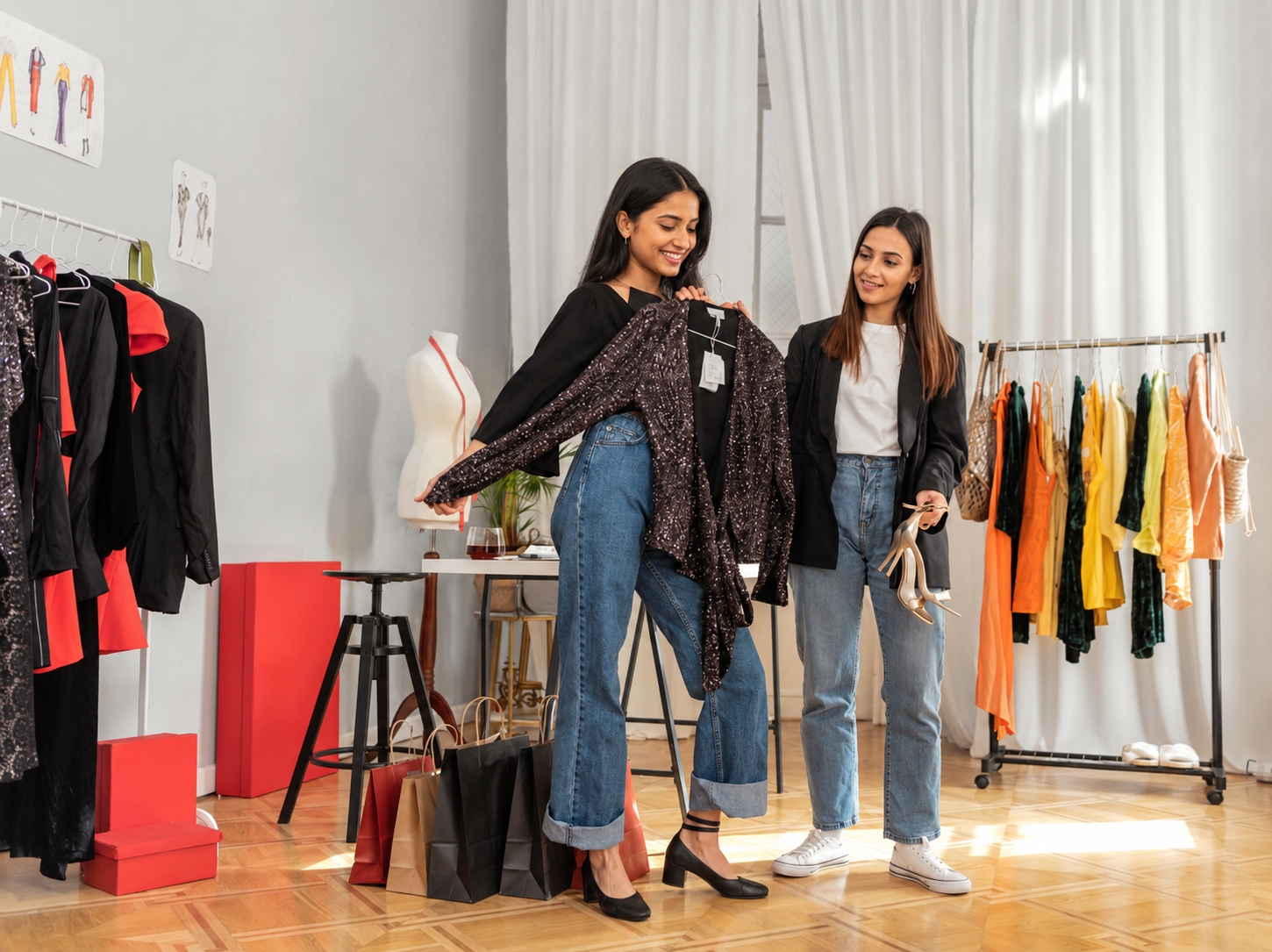
Modern fashion brands need to use the right fashion manufacturing strategy as well as good design to be successful. Brands need to be able to increase production quickly while keeping quality and profits high, whether they are releasing a new collection, growing a private label business, or going into new markets. Before they move on to bulk apparel production, most businesses start with low MOQ sampling, product development, and market validation.
This strategy works in stages to lower the risk of stock, boost cash flow, and make sure that production matches what customers actually want. As brands get bigger, it gets more important to find a good balance between fabric sourcing, wait times, quality control, and the ability to grow. This guide talks about how fashion companies go from making samples to making a lot of clothes at once, and how finding the right fashion manufacturing partner can help them grow in a way that lasts.
How Do Fashion Brands Scale from Low MOQ Sampling to Bulk Production?

These days, fashion brands usually grow through five main stages:
- Product Development & Fabric Selection
- Sampling & Fit Validation
- Low MOQ Production & Market Testing
- Commercial-Scale Manufacturing
- Bulk Production & Market Expansion
Instead of putting a lot of money into inventory at the start, great brands test their products in small quantities, get feedback from customers, look at how well they're selling, and then slowly raise production levels based on what they see as demand. This lowers the risk and builds a solid base for long-term growth.
Fashion Production Scaling Overview
|
Production Stage |
Typical Volume |
Primary Objective |
|
Sampling |
1–50 Pieces |
Product Validation |
|
Low MOQ Production |
50–500 Pieces |
Market Testing |
|
Small-Batch Manufacturing |
500–2,000 Pieces |
Demand Validation |
|
Commercial Production |
2,000–10,000 Pieces |
Growth & Optimization |
|
Bulk Production |
10,000+ Pieces |
Scale & Profitability |
Brands that combine low MOQ garment manufacturing, scalable apparel manufacturing, and strategic fabric sourcing are often better positioned to grow sustainably while maintaining quality consistency and operational control.
Why Production Scaling Matters More Than Ever
Increasingly, demand is driving the fashion business around the world. People now expect more products, better quality, more options, and faster product launches than ever before. At the same time, brands are under more and more pressure to keep track of their goods well and avoid making too many.
As a result, manufacturing is no longer just an operational function—it has become a strategic growth driver.
Key Benefits of a Structured Production Scaling Strategy
- Reduced Inventory Risk
- Better Cash Flow Management
- Faster Product Development
- Stronger Product-Market Fit
- Improved Supply Chain Efficiency
- Greater Production Flexibility
- Better Profit Margins Over Time
When brands grow too quickly, they often have problems with quality, too much product, and problems with the supply chain. Those that grow in a planned way are more likely to keep growing and making money in the long run.
Understanding the Fashion Production Journey
A common misunderstanding in the clothing business is that all manufacturers can help a brand grow at all stages. In truth, as a business moves from developing new products to mass production, its production needs change a lot. If something works well during the sampling phase, it might not work as well when order numbers go up, and supply lines get more complicated.
Brands that do well follow an organized production path that slowly increases output capacity while lowering operational and financial risks. Businesses can use this method to make sure there is a market for their goods, improve their sourcing networks, and make production more efficient before they make bigger investments.
Typical Fashion Production Stages
|
Business Stage |
Typical Volume |
Primary Focus |
|
Product Development |
1–50 Pieces |
Sampling & Validation |
|
Startup Production |
50–500 Pieces |
Market Testing |
|
Growth Stage |
500–5,000 Pieces |
Commercial Scaling |
|
Established Brand |
5,000–50,000 Pieces |
Operational Efficiency |
|
Enterprise Production |
50,000+ Pieces |
Global Expansion |
At each stage, there are new problems to solve, materials to find, and production objectives to set. Brands can make their production strategies more flexible and affordable by understanding these changes.
The Four Stages of Fashion Production Scaling

Each renowned fashion brand has its own unique growth path, but the steps from designing a product to mass production usually follow the same pattern. As production rates rise, sourcing goals, manufacturing needs, and operating problems change in big ways.
From low MOQ sampling and market proof to commercial-scale manufacturing and bulk apparel production, the next four steps show how modern fashion brands move forward. Businesses can pick the best production plan, lower their risk, and build a strong base for long-term growth by understanding each step.
Stage 1: Low MOQ Sampling & Product Validation
Typical Production Range
- 1–50 Pieces
- 10–100 Meters Fabric
Creating and testing new products is the first thing that needs to be done to help a fashion business grow. At this point, businesses focus on turning ideas into goods that are ready for sale while reducing their financial risk.
Instead of investing a lot of money in inventory, brands use low MOQ sampling to try out product ideas, materials, and clothing construction, and get feedback before starting production.
Primary Objectives
- Product Validation
- Fabric Testing
- Fit Development
- Collection Planning
- Market Research
- Customer Feedback Collection
Common Challenges
- Limited Budgets: Most new brands and companies don't have a lot of money or resources, so making big production promises is risky.
- Fabric Sourcing Complexity: Finding reliable suppliers that offer premium fabrics with low minimum order quantities can be difficult.
- Product Uncertainty: At this stage, customer demand is largely unknown, increasing the risk of overproduction.
- Technical Development: It takes skill and attention to detail to make correct tech packs, patterns, and fit specs.
What Brands Should Prioritize
To maximize success during product validation, brands should focus on:
- Low MOQ Manufacturing
- Fabric Sampling Services
- Custom Fabric Development
- Prototype Creation
- Fit Testing
- Reliable Fashion Sourcing Partners
Why Low MOQ Sampling Matters
Plenty of great fashion brands start with small runs of clothes instead of buying a lot of stock at once.
For example, a new company that wants to start selling high-end fashion might only make 50–100 items at first to:
- Customer Interest
- Product Performance
- Pricing Acceptance
- Market Demand
This method gives useful information before output is scaled up.
Benefits of Product Validation
- Reduced Financial Risk
- Better Product-Market Fit
- Improved Product Quality
- Faster Product Refinement
- More Accurate Demand Forecasting
When brands put money into proof early on, they often have fewer problems with their product and better long-term growth.
Stage 2: Small-Batch Production & Market Testing
Typical Production Range
- 50–500 Pieces
- 100–500 Meters of Fabric
Brands move into small-batch manufacturing once they get good feedback on their samples. This step is the link between developing a product and making it available to the public. It lets companies test their goods in a real market setting.
From now on, the goal is no longer to prove ideas, but to prove demand.
Key Goals During Market Testing
- Measure Sell-Through Rates
- Evaluate Customer Satisfaction
- Test Pricing Strategies
- Analyze Product Returns
- Build Brand Awareness
- Collect Sales Data
Why Small-Batch Manufacturing Is Important
The fashion market these days moves quickly. Since consumer tastes can change quickly, investing in a lot of goods is risky.
With small-batch processing, brands can:
- Launch Faster
- Test New Categories
- Minimize Unsold Inventory
- Gather Real Sales Insights
- Improve Collection Planning
The most useful things about this time are:
- Fashion Startups
- DTC Brands
- Independent Designers
- Private Label Clothing Brands
Common Challenges During Small-Batch Production
- Demand Forecasting: As production goes up, figuring out how much will be sold in the future becomes more and more important.
- Inventory Management: Brands have to find a mix between having enough products available and making good use of their supplies.
- Supplier Coordination: Managing relationships between fabric suppliers, manufacturers, and logistics providers becomes more complex.
- Maintaining Quality Consistency: Keeping the same quality standards set during sampling is very important as production goes up.
What Growing Brands Need
To successfully transition beyond market testing, businesses should focus on:
- Production Transparency
- Quality Assurance Systems
- Scalable Manufacturing Solutions
- Inventory Planning
- Supply Chain Visibility
- Reliable Apparel Manufacturing Partners
Key Success Indicators
Brands should monitor:
- Sell-Through Percentage
- Repeat Purchase Rate
- Customer Reviews
- Product Return Rate
- Inventory Turnover
- Gross Profit Margins
These measurements help figure out if a product is ready to be made on a bigger scale.
Why Many Fashion Brands Fail to Scale
Consumers often make the mistake of thinking that big production runs are always necessary when beginning sales are good.
Brands that do well grow based on:
- Proven Customer Demand
- Reliable Sales Data
- Stable Supply Chains
- Consistent Product Quality
- Strong Manufacturing Partnerships
Businesses can build a stronger base for business growth while reducing organizational and financial risks by being cautious during the sampling and market-testing phases.
Stage 3: Scaling Into Commercial Production
Typical Production Range
- 500–5,000 Pieces
- 500–10,000 Meters Fabric
Once a fashion brand has found a product-market fit and steady sales, they stop trying goods and start building a production system that many people can use. This stage is the change from small-scale manufacturing to commercial-scale manufacturing. At this point, growth depends on working efficiency, product consistency, and the reliability of the supply chain.
At this point, brands are often growing across a number of sales platforms, such as online shopping, wholesale accounts, markets, and relationships with stores. When the number of orders goes up, manufacturing stops being just a production task and turns into an important business function.
New Priorities for Growing Fashion Brands
- Production Consistency: Customers expect each item to be as good as the model that was used to make it. For a brand's image, staying consistent over longer production runs is important.
- Supply Chain Reliability: Reliable sources help make sure that you always have access to fabrics, trims, and the ability to make things.
- Inventory Planning: As demand grows, accurate forecasting becomes critical for balancing inventory availability and cash flow.
- Faster Lead Times: Brands need to be able to quickly adapt to new trends and customer needs while also keeping production delays to a minimum.
Common Challenges During Commercial Scaling
- Fabric Inconsistencies
- Production Bottlenecks
- Supplier Fragmentation
- Longer Lead Times
- Quality Control Issues
- Inventory Forecasting Errors
What Commercial-Scale Brands Need
To ensure long-term progress, companies should focus on:
- Scalable Apparel Manufacturing
- Integrated Fabric Sourcing
- Production Transparency
- Quality Assurance Systems
- Supply Chain Visibility
- Fashion Manufacturing Partners
Now, brands that are doing well start to put money into better buying partnerships and more organized production methods that can help them grow in the future.
Low MOQ vs Bulk Production: Which Model Fits Your Brand?
Before moving into large-scale manufacturing, fashion brands should understand the differences between low MOQ manufacturing and bulk apparel production.
|
Factor |
Low MOQ Manufacturing |
Bulk Production |
|
Investment Risk |
Lower |
Higher |
|
Inventory Risk |
Lower |
Higher |
|
Cost Per Unit |
Higher |
Lower |
|
Product Testing |
Excellent |
Limited |
|
Flexibility |
High |
Moderate |
|
Lead Times |
Faster for Small Runs |
Optimized for Volume |
|
Demand Validation |
Strong |
Limited |
|
Production Scalability |
Moderate |
Excellent |
|
Cash Flow Requirement |
Lower |
Higher |
|
Best For |
Startups & New Products |
Established Brands |
Key Insight
Many successful brands use a hybrid model—testing products through low MOQ garment manufacturing and scaling best-selling products through bulk clothing manufacturing. This approach balances innovation with profitability while reducing inventory risk.
Stage 4: Transitioning to Bulk Production & Global Expansion
Typical Production Range
- 5,000–50,000+ Pieces
- 10,000–100,000+ Meters Fabric
Fashion brands move into bulk apparel manufacturing once they've proven demand and gotten their production methods to work best. From this point on, the focus changes to increasing efficiency, making more money, and helping the market grow on a big scale.
Bulk production enables businesses to serve multiple sales channels while benefiting from economies of scale.
Why Brands Move to Bulk Manufacturing
- Lower Cost Per Unit: Larger production runs reduce manufacturing costs and improve margins.
- Stronger Purchasing Power: When you place plenty of orders, you can usually get better fabric prices and terms from your seller.
- Improved Production Efficiency: Manufacturing systems become more streamlined and predictable.
- Greater Market Reach: Brands can better support both domestic and foreign avenues of distribution.
- Enterprise-Level Priorities
As production scales further, new operational requirements emerge:
- Capacity Planning
- Compliance Management
- Inventory Forecasting
- Global Logistics Coordination
- Multi-Market Distribution
- Supply Chain Risk Management
What Enterprise Buyers Prioritize
- Bulk Apparel Manufacturing
- Global Fabric Sourcing
- Production Capacity
- Compliance Certifications
- Vendor Reliability
- Supply Chain Visibility
At this level, even small problems with production can have an effect on many lines, retail outlets, and types of customers.
Common Challenges When Scaling Fashion Production

Growth brings about new chances, but it also makes things more difficult to run. A lot of fashion brands have trouble growing because their production methods don't change with the times.
1. Fabric Consistency Challenges
It gets harder to keep color, texture, GSM, and performance the same across various production runs as the number goes up.
2. Production Delays
Longer supply chains often increase the risk of disruptions and missed delivery deadlines.
3. Inventory Risk
One of the biggest financial problems in the fashion business is still too much production. Too much product can hurt your cash flow and your ability to make money.
4. Quality Control Issues
Larger production runs can make the quality of the products less consistent if there aren't organized quality control methods in place.
5. Supplier Fragmentation
Managing separate vendors for sourcing, dyeing, printing, manufacturing, and logistics often creates communication gaps and inefficiencies.
6. Limited Production Visibility
Lack of transparency makes it difficult for brands to monitor production status and identify issues before they become costly problems.
How Successful Brands Overcome These Challenges
Leading fashion companies invest in:
- Integrated Sourcing Ecosystems
- Quality Assurance Programs
- Scalable Manufacturing Networks
- Production Tracking Systems
- Long-Term Supplier Partnerships
- Data-Driven Demand Forecasting
These investments help businesses expand more effectively, while still preserving quality, profitability and customer satisfaction.
Industry Insight: Why Production Agility Matters
It is well documented in industry research that fashion brands with too much inventory have worse profitability and more discount pressure.
Brands that can adapt production quickly to real-time demand often enjoy higher sell-through rates and stronger customer loyalty at the same time.
That’s why current fashion corporations are increasingly focusing on:
- Low MOQ Manufacturing
- Fashion Supply Chain Management
- Flexible Production Models
- Scalable Manufacturing Solutions
- Integrated Sourcing Platforms
Instead of only doing big production runs, many brands now use flexible manufacturing methods that include testing the product, making sure there is a market for it, and being able to increase or decrease production capacity as needed.
This approach allows businesses to reduce waste, improve inventory efficiency, and respond faster to changing market conditions.
Why Modern Fashion Brands Use Hybrid Manufacturing Models

The fashion industry is becoming increasingly unpredictable. Consumer preferences change rapidly, trend cycles are shorter, and inventory mistakes can significantly impact profitability. As a result, many successful brands no longer rely exclusively on either low MOQ manufacturing or bulk apparel production. Instead, they adopt a hybrid manufacturing model that combines both approaches.
With this approach, brands can try out new products in small batches while making more of the styles that have already been successful in bigger batches. Businesses can lower risk and increase growth by finding a balance between being flexible and being efficient.
Low MOQ Manufacturing Works Best For
- New Product Launches
- Seasonal Collections
- Trend-Driven Products
- Capsule Collections
- Product Testing
- Market Validation
Bulk Production Works Best For
- Best-Selling Products
- Core Collections
- Repeat Orders
- Evergreen Styles
- High-Demand Categories
- Global Distribution Programs
Benefits of a Hybrid Manufacturing Strategy
- Lower Inventory Risk
- Better Cash Flow Management
- Faster Product Innovation
- Improved Demand Forecasting
- Higher Production Efficiency
- Greater Market Responsiveness
Hybrid manufacturing gives current fashion brands the freedom they need to stay competitive while still keeping control of their operations.
Fabriclore's End-to-End Support for Fashion Brands
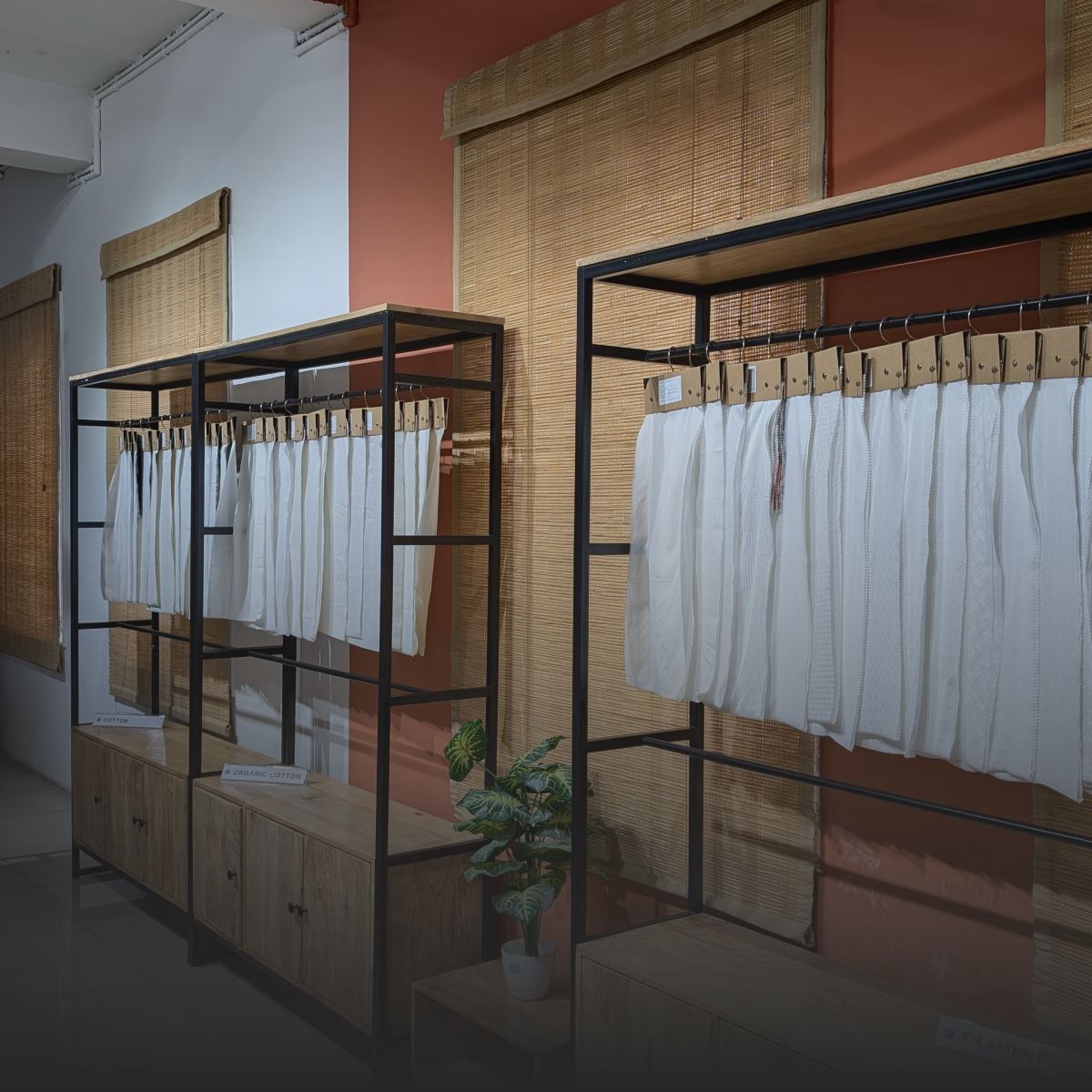
Fabriclore is a fabric sourcing, textile development, and garment manufacturing platform that helps fashion brands make the whole production process easier, from coming up with ideas to making a lot of clothes. Fabriclore makes it easier to manage multiple providers by putting sourcing, customization, processing, production, and shipping all in one ecosystem. This also makes the ecosystem more transparent, efficient, and scalable.
Brands can find materials for both product development and mass production thanks to their "5,000+ fabrics," which include "Cotton fabric, Organic Cotton, Linen, TENCELTM, EcoVeroTM, Modal, Silk, recycled blends, and performance textiles." Custom fabric development is also possible on the site, which lets businesses make their own colors, prints, finishes, and fabric designs that are perfect for their collections.
Key Highlights
- Access to 5,000+ fabric options.
- Low MOQ sampling and manufacturing support.
- Custom fabric development and textile innovation.
- Digital, rotary, and screen printing solutions.
- Custom dyeing and fabric processing services.
- Private label and garment manufacturing support.
- 20 million meter manufacturing network.
- 10+ years of dyeing and printing expertise.
- Trusted by 500+ fashion brands globally.
- Worldwide shipping and logistics support.
- End-to-end production transparency.
Fabriclore has a scalable production environment that helps fashion brands go from testing samples and the market to mass production quickly and easily, all while keeping quality standards, seeing what's going on in the supply chain, and cutting down on response times.
Expert Insight: Why Successful Brands Scale Gradually
Fashion companies often make the mistake of making more clothes before they know if customers want them. Larger sales often mean lower costs per unit, but growing up too quickly can cause too much inventory, cash flow problems, and inefficient operations.
The most successful brands take a different approach.
They focus on:
- Product Validation Before Expansion
- Demand Forecasting Based on Sales Data
- Incremental Production Growth
- Supply Chain Optimization
- Long-Term Manufacturing Partnerships
This approach makes the business plan more stable while reducing unnecessary risk.
What Industry Leaders Prioritize
Today's leading fashion brands increasingly evaluate sourcing and manufacturing partners based on:
- Production Scalability
- Fabric Sourcing Expertise
- Quality Assurance Systems
- Supply Chain Visibility
- Manufacturing Flexibility
- Innovation Capabilities
No longer is manufacturing seen as a service that can be bought and sold. To grow, make money, and keep customers happy, it has become a key force.
Real-World Example: From Sampling to Commercial Success
Imagine a modern clothing brand getting ready to release a high-end line of clothes for women.
The brand doesn't buy thousands of clothes all at once; instead, it uses a structured growth approach.
Stage 1: Product Development
The team begins with:
- Fabric Swatch Evaluation
- Sample Development
- Fit Testing
- Product Refinement
Stage 2: Market Testing
The line comes out with a small run of items.
The brand checks for:
- Customer Reviews
- Sales Performance
- Return Rates
- Repeat Purchases
Stage 3: Commercial Scaling
Once demand becomes predictable, production expands to support:
- Additional Product Categories
- New Sales Channels
- International Markets
Results Achieved
- Reduced Inventory Risk
- Better Product-Market Fit
- Improved Profitability
- Stronger Customer Satisfaction
- Sustainable Long-Term Growth
This shows why planned production scaling often works better than wild inventory growth.
Conclusion
Going from low MOQ sampling to bulk production isn't just about getting more orders; it's also about making a better and more environmentally friendly way to make things. Small-batch production helps fashion brands improve collections and figure out how big to make their collections based on what customers really want and what they know about the market. This method lowers the risk of having too much inventory, boosts cash flow, keeps quality high, and improves the fit between the product and the market.
Brands can build a strong base for long-term growth by using strategic fabric sourcing, scalable apparel manufacturing, and data-driven production planning. Partnering with combined sourcing and manufacturing communities makes it even easier to go from idea to mass production, which helps businesses grow with more trust, speed, and success.
FAQ
1. What Is Low MOQ Manufacturing?
Fashion brands can make smaller amounts of clothes or materials with low MOQ production because they don't have to buy a lot of inventory. It is often used for market testing, product proof, and sampling.
2. Why Do Fashion Brands Start With Small Production Runs?
Small production runs help brands:
- Validate Customer Demand
- Reduce Inventory Risk
- Collect Customer Feedback
- Improve Product-Market Fit
- Preserve Working Capital
3. When Should Brands Transition to Bulk Production?
Most brands move to bulk apparel production once:
- Sales Become Predictable
- Demand Is Consistent
- Supply Chains Are Stable
- Product Performance Is Proven
4. What Are the Benefits of Bulk Manufacturing?
Bulk production provides:
- Lower Unit Costs
- Better Profit Margins
- Improved Production Efficiency
- Stronger Supplier Relationships
- Greater Market Reach
5. Why Is Fabric Sourcing Important During Scaling?
Finding a reliable source for fabric makes sure that the quality stays the same, production keeps going, and the supply chain stays stable as order numbers rise.
6. What Challenges Do Brands Face When Scaling Production?
Common challenges include:
- Inventory Management
- Production Delays
- Fabric Inconsistencies
- Supplier Fragmentation
- Quality Control Issues
7. How Can Brands Reduce Production Risk?
Brands can reduce risk by combining:
- Low MOQ Manufacturing
- Product Validation
- Demand Forecasting
- Quality Assurance Systems
- Scalable Manufacturing Partnerships
We also happen to be a magnet for suggestions, and would love to catch yours….throw us yours on hello@fabriclore.com
Learn, Create & Grow with us