

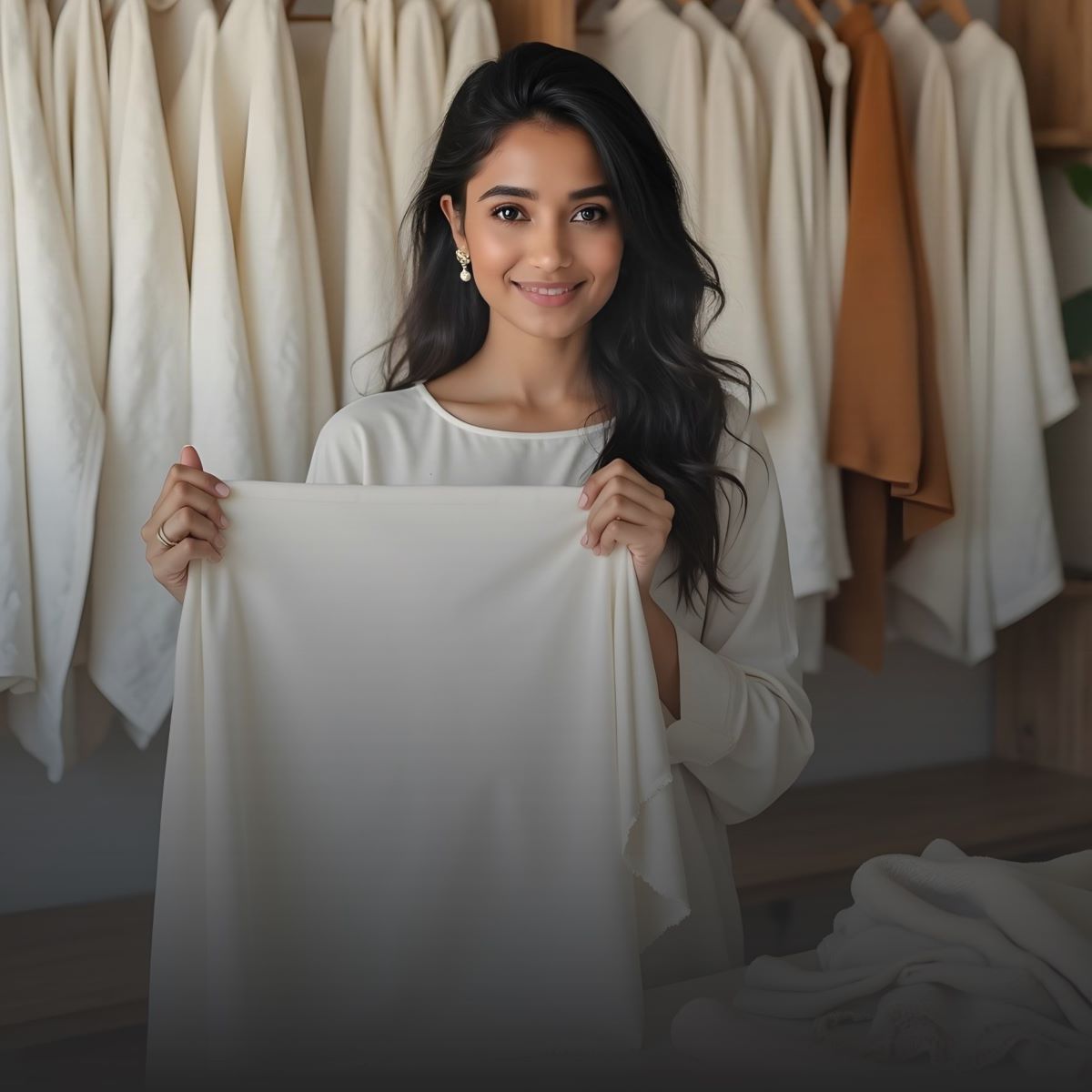

Fashion is quickly moving towards sustainability as brands react to environmental issues, regulations, and growing consumer awareness. Creating a sustainable fashion supply chain is crucial for companies aiming to lower their environmental impact and ensure long-term growth. Today, clothing production emphasizes ethical sourcing, responsible manufacturing, transparent supply chains, and sustainable materials. Fashion brands and businesses are focusing on sustainable fabric sourcing, eco-friendly materials, and reliable suppliers. Digital sourcing platforms help companies buy sustainable fabric at wholesale prices with more transparency. This article will cover the main strategies, components, and steps for creating a sustainable fashion supply chain.
What Is a Sustainable Fashion Supply Chain?

A sustainable fashion supply chain is a way of making clothes that prioritizes ethical workplace practices, cares about the environment, and uses resources efficiently at every step of the process.
In traditional supply lines, the goal is to reduce costs and shorten production cycles. Sustainable supply lines, on the other hand, consider the social and environmental impacts at every step, from sourcing raw materials to distributing clothes.
Usually, a responsible fashion supply chain has these parts:
- Responsible raw material sourcing.
- Sustainable fabric sourcing from verified suppliers.
- Environmentally responsible textile production.
- Ethical garment manufacturing practices.
- Transparent supplier networks.
- Sustainable packaging and logistics.
- Circular fashion practices such as recycling and reuse.
The main goal is to make high-quality clothing while minimizing waste, reducing carbon emissions, and supporting workers' rights in global manufacturing networks.
Why Sustainability Matters in Fashion Supply Chains

One of the industries that consumes the most resources worldwide is the fashion industry. Textile and clothing production causes significant environmental problems.
Some major effects on the world are:
- High carbon emissions.
- Excessive water consumption.
- Textile waste accumulation.
- Chemical pollution from dyeing processes.
The production processes of fast fashion have worsened these problems by producing more clothes each year.
As a result, governments, investors, and customers are pushing fashion businesses to act responsibly.
Some of the most important things that are pushing the fashion industry toward sustainable supply chains are:
1. Consumer Demand for Sustainable Fashion
Brands that use eco-friendly fabrics and make it clear where their materials come from are getting more and more support from current customers.
2. Environmental Regulations
Tougher rules are being put in place by governments about chemical use, carbon pollution, and cloth waste.
3. Standards for ESG investments
Investors rate a company by how well it does in areas like government, social issues, and the environment.
4. Supply Chain Risk Reduction
Investors use environmental, social, and governance (ESG) success metrics to judge a company.
5. Long-Term Cost Efficiency
Cutting down on waste and making the best use of resources can boost operating efficiency and lower long-term production costs.
Sustainability in a brand's supply chain can help it build customer trust and remain strong in the market over time.
Sustainable Fashion Strategies Brands Are Adopting

Many fashion companies are using sustainable fashion strategies to reduce environmental impact and improve supply chain accountability. These techniques go beyond material sourcing to change garment design, production, distribution, and reuse. Fashion brands can achieve long-term profitability and reduce their environmental impact by integrating sustainability into core business activities.
Innovation, responsible sourcing, and technology help successful brands establish robust production processes. Many organizations now work with sustainable fabric suppliers, use eco-friendly fabric, and improve supply chain transparency. These methods help companies address consumer demand for ethical and sustainable fashion while maintaining product quality.
Modern garment businesses use sustainable fashion strategies like:
- Sourcing sustainable fabric from verified textile suppliers.
- Adopting eco-friendly fabric and low-impact materials.
- Recycling and reselling are examples of circle fashion methods that are being used.
- Getting rid of overproduction by predicting demand based on data.
- Using digital tracking tools to make the supply line more clear.
- Collaborating with trusted sustainable fabric suppliers and manufacturers.
By using these strategies, fashion brands can make every part of the clothing production process more sustainable, from sourcing fibers to delivering finished clothes. This will also help make the fashion industry more responsible and better prepared for the future.
Key Components of a Sustainable Fashion Supply Chain

To create a responsible clothing supply chain, changes need to be made at many stages of production.
More and more, businesses work with sustainable fabric suppliers and approved makers to ensure they obtain their materials ethically and that the production process is fair.
1. Sustainable Raw Material Sourcing
The basic parts of any clothing are the raw materials. Sustainable sourcing means choosing fibers that are better for the earth and using production methods that are good for people.
Some common eco-friendly materials are:
- Organic cotton
- Linen and hemp fibers
- Recycled polyester
- Tencel and Lyocell fibers
- Bamboo-based textiles
When fashion brands work with verified textile suppliers, they can access authentic fabric options and keep the supply chain open.
Many businesses now use online platforms to source sustainable fabrics at wholesale prices and ensure compliance with sustainability rules.
2. Ethical Textile Manufacturing
One of the most resource-intensive parts of making clothes is making textiles.
Sustainable textile manufacturing tries to have less of an effect on the world by:
- Water-efficient dyeing processes
- Reduced chemical usage
- Energy-efficient textile mills
- Wastewater treatment systems
- Sustainable finishing techniques
When brands work with textile mills that use eco-friendly fabric processing methods, they can have a much smaller environmental impact.
3. Responsible Garment Manufacturing
A sustainable fashion supply chain must include workers who perform their jobs ethically.
Responsibly making clothes includes:
- Fair wages for workers.
- Safe working conditions.
- Compliance with international labor laws.
- Transparent supplier relationships.
Working with approved manufacturers is one way to ensure ethical standards are met.
4. Transparent Supplier Networks
The supply line needs to be clear and open for fashion creation to be responsible. What brands need to know:
- Where the raw products come from.
- How to work with fabrics.
- What kinds of companies make clothes?
Strategies for transparency include:
- Making maps of supply networks.
- Putting in place computer tools for tracking.
- Doing checks of suppliers.
- Using blockchain-based tracking systems.
Companies can now track materials from the time they are made into fibers to when they are worn.
5. Sustainable Packaging and Logistics
The environmental impact of a brand is mostly caused by its packaging and shipping.
Strategies for sustainable transportation include:
- Biodegradable packaging materials.
- Recycled shipping boxes.
- Optimized transportation routes.
- Carbon-efficient logistics partners.
Cutting down on packaging waste also boosts a brand's reputation with eco-friendly customers.
Sustainable Fabric Certifications to Look For
Brands can be sure that fabrics meet well-known sustainability standards when they are certified.
Some important certificates are:
- GOTS (Global Organic Textile Standard)
GOTS certifies clothes made from organic fibers and ensures they are produced in ways that are good for people and the earth.
-
OEKO-TEX Standard 100
OEKO-TEX makes sure that materials are free of harmful chemicals and safe for people to use.
-
Global Recycled Standard (GRS)
GRS checks the recovered materials that are used to make textiles.
-
FSC Certification
The FSC ensures that the wood pulp used to make fabrics like Tencel comes from forests managed sustainably.
Using certified sustainable fabric clarifies the supply chain and enhances the brand's trustworthiness.
Steps to Build a Sustainable Fashion Supply Chain

Fashion brands looking to become more environmentally friendly can take several smart steps.
Step 1: Evaluate the Current Supply Chain
A supply chain audit is the first step.
Brands should think about:
- Raw material sourcing practices.
- Supplier environmental standards.
- Manufacturing processes.
- Logistics and distribution systems.
This research helps identify ways to move toward sustainable fabric sourcing and responsible production.
Step 2: Partner With Responsible Suppliers
For sustainability, it's important to have relationships with reliable suppliers.
Brands should work with sustainable fabric suppliers that are honest and use fair labor methods when making their products.
Some important rating factors are:
- Sustainability certifications.
- Environmental impact metrics.
- Labor compliance standards.
- Supply chain traceability.
Digital sourcing platforms connect brands with verified textile sources so they can buy sustainable fabric at wholesale price.
Step 3: Adopt Sustainable Materials
Choosing the right materials has a big impact on how much damage clothing production does to the earth.
It's essential for brands to choose eco-friendly fabrics that are:
- Biodegradable.
- Recyclable.
- Produced using low-water processes.
- Responsibly sourced.
Companies can reduce their environmental impact and meet consumer demand for responsible fashion simultaneously by using sustainable fabrics.
Step 4: Optimize Production Efficiency
Waste and resource use are cut down by using efficient production methods.
Brands can make things work better by:
- Optimizing fabric cutting processes.
- Reducing textile waste.
- Implementing digital sampling systems.
- Adopting on-demand manufacturing models.
Technology makes it easier for companies to use eco-friendly fabrics and reduce waste during production.
Step 5: Implement Circular Fashion Practices
Clothes last longer when they are made with circular fashion models.
Some examples are
- Clothing recycling programs.
- Garment repair services.
- Resale platforms.
- Textile upcycling initiatives.
These tactics reduce waste while giving fashion brands new ways to make money.
Famous Brands Leading Sustainable Supply Chains
Several fashion companies worldwide are working to create sustainable supply chains.
Patagonia
The things that Patagonia cares about are recycled materials, clear sources, and making products that last a long time.
Stella McCartney
Bio-based fabrics and recycled polyester are among the eco-friendly materials Stella McCartney uses in her designs.
H&M Conscious Collection
H&M has become more environmentally friendly by using salvaged textiles and implementing programs to make the supply chain more transparent.
Responsible sourcing and the use of eco-friendly fabrics can be part of large-scale fashion production, as shown by these names.
The Role of Technology in Sustainable Fashion Supply Chains

The way fashion supply lines operate is changing due to technology.
Some important new ideas are:
- AI-powered demand forecasting.
- Digital fabric sourcing platforms.
- Blockchain supply chain tracking.
- Virtual product development tools.
- Automated manufacturing systems.
These technologies help brands reduce waste, work more effectively with sustainable fabric suppliers, and make output decisions based on data.
Challenges in Building Sustainable Supply Chains
Even though people are becoming more aware of sustainability, it can be hard to put it into practice.
Higher Initial Costs
- At first, eco-friendly materials might cost more than regular fabrics.
- But over time, the resource economy often offsets these costs.
Limited Supplier Transparency
- Many fashion supply lines have multiple levels of suppliers.
- To effectively track materials, brands need to invest in traceability tools.
Balancing Cost and Sustainability
-
Careful sourcing methods are needed to keep prices low while using eco-friendly fabric.
Benefits of a Sustainable Fashion Supply Chain
There are big benefits for fashion brands, producers, and the environment when they use a sustainable fashion supply chain. Companies can have a smaller environmental impact and perform better in the long run by using sustainable fabrics, responsible sourcing, and efficient production methods.
1. Environmental Benefits
Responsible production methods help reduce the damage that clothing manufacturing does to the world by:
- Water consumption during textile processing.
- Chemical pollution from dyeing and finishing.
- Carbon emissions across production and logistics.
- Textile waste is generated during manufacturing.
2. Stronger Brand Reputation
Increasingly, users are choosing brands that care about using eco-friendly materials and making products well. Being open about your environmental efforts helps to build trust and keep customers coming back.
3. Regulatory Compliance
Companies that use sustainable supply chains are more likely to follow global environmental rules and business sustainability standards.
4. Long-Term Operational Efficiency
Better sourcing, more efficient production methods, and less wasteful materials all improve the supply chain and help fashion brands grow more sustainably.
Future Trends in Sustainable Fashion Supply Chains
Several trends will shape the future of eco-friendly clothing.
1. Circular Economy Models
Brands are moving toward methods that make recycling and reusing easier.
2. Sustainable Textile Innovation
Biodegradable fabrics and bio-based fibers are among the emerging materials.
3. Digital Supply Chain Integration
Technology lets us see how things are affecting the world in real time.
4. Consumer Demand for Transparency
Customers are expecting brands to be more open about how they source their products and their efforts to be environmentally friendly.
Conclusion
To create a sustainable fashion supply chain, companies must commit to responsible sourcing, fair manufacturing, and long-term environmental stewardship.
Fashion brands can have a much smaller impact on the earth by using sustainable fabrics, working with sustainable fabric suppliers, and implementing technology-driven production systems.
As sustainability becomes increasingly important in the global fashion industry, companies that focus on eco-friendly fabric sourcing, open supplier networks, and circular production models will be able to stay ahead of the competition.
Brands that invest in sustainable supply chains now will be better positioned for long-term success as customer awareness and government regulations continue to grow.
FAQs
What Is A Sustainable Fashion Supply Chain?
From raw materials to finished clothes, a sustainable fashion supply chain focuses on ethical manufacturing, responsible sourcing, and environmentally friendly production methods.
Why Is Sustainability Important In Fashion Production?
Sustainability helps keep textile production from hurting the earth and also improves brand reputation and following the rules.
What Materials Are Used Sustainably?
Organic cotton, recycled polyester, Tencel, hemp, linen, and textiles made from bamboo are all common examples of sustainable materials.
Can Small Fashion Brands Build Sustainable Supply Chains?
Yes. Small brands can become more environmentally friendly by buying eco-friendly fabric, working with ethical makers, and making fewer items at a time.
Where Can Brands Buy Sustainable Fabric At Wholesale Prices?
Fashion brands can buy sustainable fabric at wholesale price from trusted textile suppliers and online marketplaces that offer authentic fabric and customization services.
We also happen to be a magnet for suggestions, and would love to catch yours….throw us yours on hello@fabriclore.com
Learn, Create & Grow with us 


