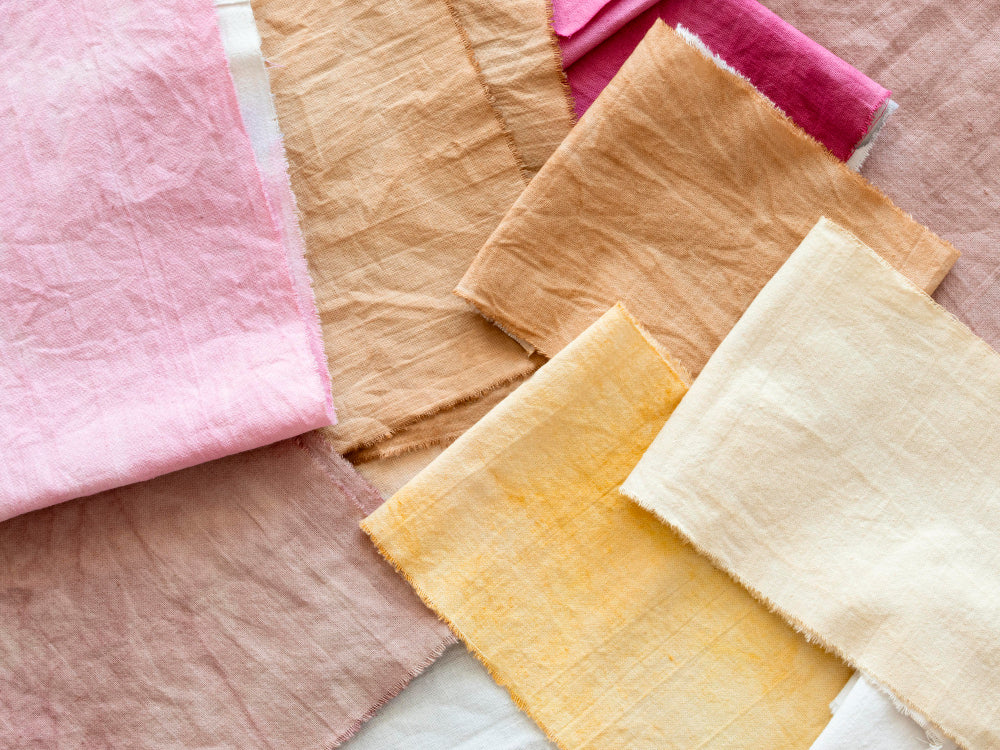
If you want to know how to select woven fabrics for women's summer wear, you need to choose the right fabric. To make clothes suitable for warm areas, designers and private-label brands have to consider factors such as breathability, drape, GSM, and fibre composition. Picking the best breathable woven fabrics for hot weather will keep you cool, dry, and comfortable for a long time.
At the same time, brands are placing greater emphasis on sustainable summer fabric sourcing to meet the needs of customers around the world. Choosing the right woven fabric is an important part of making a great summer collection because it improves airflow, helps prints pop, and keeps its shape after washing. We'll show you how to choose woven fabrics for Summer Dresses Clothing for women, including options that let air flow, the best GSM, and environmentally friendly ways to get them.
Understanding the Performance Requirements of Women’s Summer Wear
When makers look for the best woven fabrics for women's summer dresses, they have to consider how well the dresses will perform in different climates. People wear summer clothes all over the world, from the warm Southeast Asia to the Middle East and Europe's Mediterranean coast.
Summer woven materials that work well must have:
- Breathability in high humidity.
- Moisture absorption and quick drying.
- Lightweight construction.
- Smooth drape for feminine silhouettes.
- Print and dye compatibility.
- Long-term durability after washing.
Fabric choice directly affects a brand's image, especially for labels looking to sell in warm climates.
Key Criteria for Selecting Woven Fabrics for Summer Collections
Instead of making decisions based on trends, choosing woven fabrics requires a technical approach.
1. Breathability & Airflow
The most searched-for feature in lightweight woven fabric for summer clothing is breathability. Fabrics that let air pass through them keep you cooler and more comfortable.
Find these:
- Natural fibres like cotton, linen, and Tencel.
- Looser weave structures.
- Lower GSM ranges.
For dresses, blouses, and vacation wear, you need fabrics that let air flow through them.
2. Moisture Management
In hot places, the ability to wick away sweat is very important. Comfort is improved by fibers that soak up sweat and quickly let it go.
Best-performing fibers:
- Cotton.
- Linen.
- Tencel (Lyocell).
- Viscose blends.
Users looking for the best fabric for women's clothing in hot, humid weather often come across these materials.
3. Fabric Weight (GSM Selection Guide)
When choosing weave fabrics for summer clothes, it's important to know about GSM.
|
Garment Type |
Ideal GSM Range |
Recommended Fabrics |
|
Blouses & Tops |
80–120 GSM |
Voile, lightweight poplin |
|
Summer Dresses |
100–150 GSM |
Linen, Tencel, rayon |
|
Co-ord Sets |
120–160 GSM |
Linen blends, poplin |
|
Lightweight Trousers |
140–180 GSM |
Tencel twill, cotton twill |
Selecting the wrong GSM can affect the comfort or structure of your clothing.
4. Drape & Silhouette
In the summer, women's fashion often emphasises loose fits. If a designer is looking for soft, drapey woven fabric for summer dresses, they should choose fabrics that drape naturally.
Fabrics known for having great drape:
- Rayon.
- Tencel woven.
- Lightweight cotton voile.
- Fine linen blends.
Drape determines how fabric falls around the body, influencing perceived luxury.
5. Dyeing, Printing & Colour Performance
Print clarity and colour uniformity are very important for private label clothing brands.
Look at materials that:
- Support digital printing.
- Allow Pantone-matched dyeing.
- Maintain colourfastness after washing.
- Resist uneven absorption.
When brands buy in bulk for global shopping, they need to ensure the colours are consistent.

Best Woven Fabrics for Women’s Summer Wear
To find the best woven fabrics for women's summer wear, you need to find the right balance between durability, breathability, drape, and lightweight GSM. The right woven summer cloth improves comfort, silhouette flow, and appeal to people around the world.
Cotton Poplin
Due to its smooth surface and airy weave, cotton poplin is still a mainstay in women's summer designs.
The best uses are:
- Shirt dresses.
- Casual tops.
- Co-ord sets.
Advantages:
- Easy to print.
- Lightweight yet structured.
- Cost-efficient for scaling.
When the weather is mild to warm, poplin works well.
Linen & Linen Blends
Many people agree that linen fabric is one of the most breathable woven fabrics for summer clothing.
Perfect for:
- Resort dresses.
- Relaxed trousers.
- Vacation wear.
Advantages:
- Exceptional airflow.
- Strong sustainability positioning.
- Natural texture appeal.
Blends keep airflow going strong while reducing wrinkles.
Tencel (Lyocell) Woven
Brands seeking sustainable woven fabrics for women's clothing are increasingly choosing Tencel.
Perfect for:
- Wrap dresses.
- Fluid skirts.
- Premium blouses.
Advantages:
- Biodegradable fibre.
- Excellent moisture management.
- Smooth, premium finish.
- Strong dye absorption.
It looks good and is good for the environment at the same time.
Rayon / Viscose
Rayon is flexible and doesn't cost a lot of money.
Perfect for:
- Printed maxi dresses.
- Beachwear.
- Lightweight summer tops.
Advantages:
- Superior drape.
- Ideal for vibrant prints.
- Competitive pricing for fast-fashion markets.
Chambray & Seersucker
Chambray looks like denim but is lighter, and seersucker's puckered texture lets more air flow through.
These are both great for:
- Casual summer dresses.
- Resort co-ords.
- Lightweight tailoring.
Sustainable Fabric Selection for Global Markets
Eco-friendly fabrics are becoming more and more important to consumers around the world.
Some choices for sustainable woven fabric are:
- Organic cotton.
- Tencel (Lyocell).
- Certified linen.
- Responsible viscose.
Brands that choose fabrics that are good for the environment build more trust around the world.

Common Mistakes in Summer Fabric Selection
Many brands don't think enough about technology issues.
Some common mistakes are:
- Ignoring shrinkage testing.
- Choosing high GSM fabrics for hot climates.
- Skipping swatch validation.
- Overlooking dye consistency.
- Selecting low-cost fabric without durability testing.
With professional buying and testing, these problems don't happen.
The Role of Low MOQ and Structured Fabric Sourcing
To reduce their financial risk, new brands often seek a low-MOQ supplier of woven fabrics for private-label clothing.
Structured sourcing lets you:
- Swatch-first approval.
- Custom dyeing options.
- Consistent reorder availability.
- Transparent fabric construction data.
- Integrated garment production.
Scalable sourcing supports gradual business growth.
Fabriclore: Global Woven Fabric Sourcing for Women’s Summer Wear
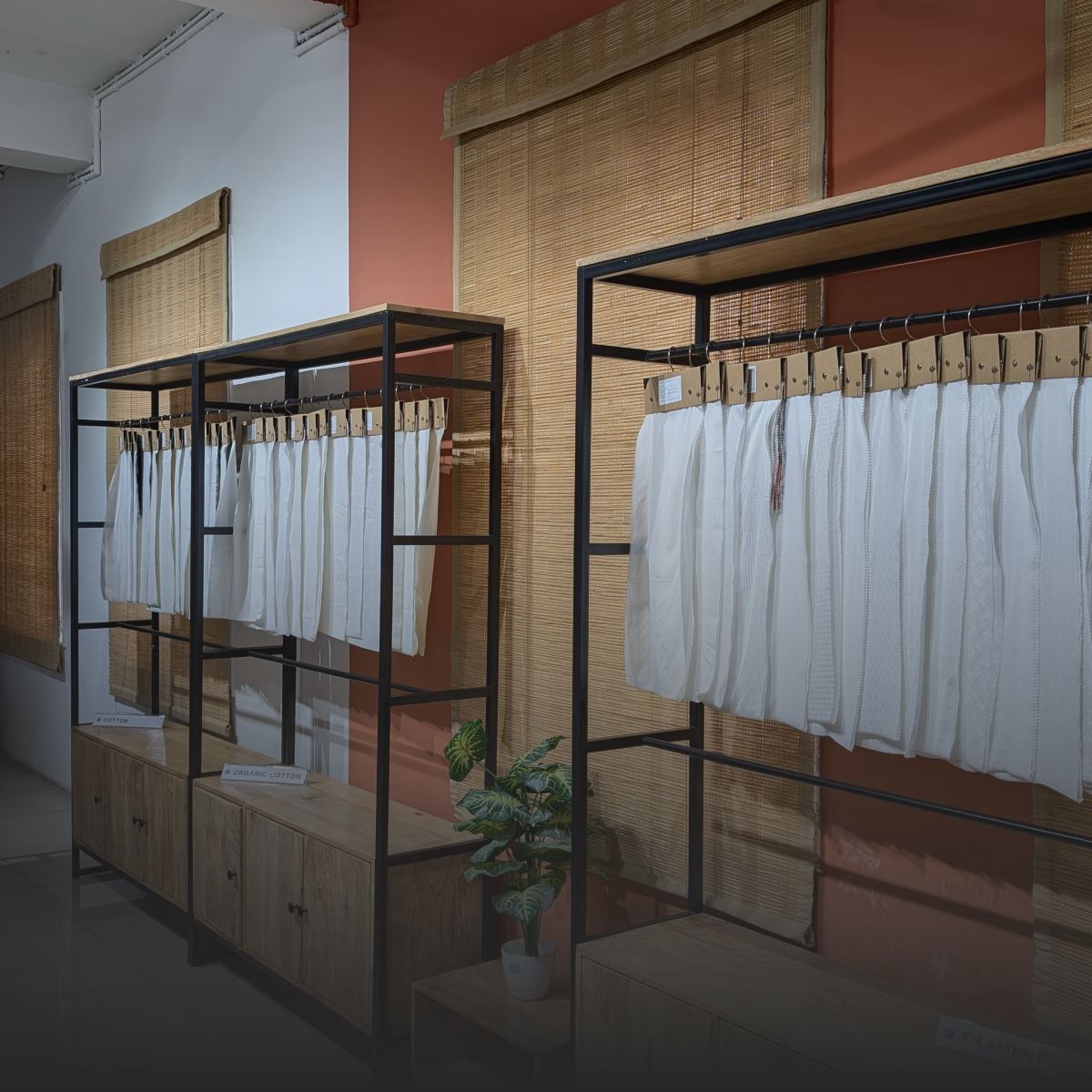
The platform Fabriclore is technology-based and specialises in sourcing woven fabrics for women's summer wear. It has over 10 years of experience in fabric development, dyeing, and printing. It helps startups, boutiques, and foreign private labels seeking scalable, quality-focused solutions. More than 500 fashion brands trust it. Its digital sourcing method lets brands review a wide range of woven fabrics and handle everything from samples to large-scale production more clearly and quickly.
Fabriclore’s key offerings include:
- Greige and RFD (Ready for Dye) woven fabrics.
- Mill-dyed, digital printing, and screen-printing textiles.
- Organic and sustainable fabric options.
- Low MOQ flexibility for emerging brands.
- Pantone-matched custom dyeing.
- 20+ quality checkpoints with shrinkage testing.
- Integrated garment manufacturing support.
- Private label clothing production.
- Bulk apparel export readiness.
Fabriclore helps brands reduce supplier fragmentation and speed up time-to-market worldwide by combining fabric buying with manufacturing.

Global Summer Fabric Trends
Strong growth is seen in the market in:
- Breathable natural fibres.
- Earth-tone and pastel palettes.
- Lightweight oversized silhouettes.
- Resort-inspired co-ord sets.
- Sustainable storytelling in fashion marketing.
When brands choose woven fabrics that match how people act, they get more sales.
Conclusion
This article about how to choose woven fabrics for women's summer wear talked about how important it is for fabrics to be breathable, have the right GSM, drape well, be eco-friendly, and be easy to source in large quantities. Cotton poplin, linen, Tencel, rayon, chambray, and seersucker are among the best breathable woven fabrics for hot weather, keeping you cool and comfortable. It can be hard for fashion brands to handle low MOQ fabric sourcing and making clothes. Integrated solutions shorten the time it takes to make something and make it work better. Sustainable summer fabric sourcing for fashion brands is made easier by platforms like Fabriclore, which offer wholesale woven fabrics, custom dyeing, and sampling. Buy woven fabric swatches before making a lot of something, to ensure consistent quality.
FAQs
1. How Do I Select The Best Woven Fabrics For Women’s Summer Wear?
Pay attention to GSM, drape, and moisture management when choosing woven fabrics for women's summer wear. Linen, cotton poplin, and Tencel are often considered the best woven fabrics for summer dresses because they let air move and keep you cool.
Look for materials that may help you:
- Lightweight construction (80–150 GSM).
- Good moisture absorption.
- Soft drape for feminine silhouettes.
- Strong dye and print compatibility.
Performance-driven materials ensure customers are comfortable and will buy from you again.
2. What Are The Most Breathable Woven Fabrics For Hot Weather?
For hot weather, linen, cotton voile, and lightweight Tencel woven materials let the most air pass through them. These fibres let air move naturally and prevent heat from escaping, making them perfect for summer dresses, tops, and resort wear collections for women in humid, tropical markets.
3. What Is The Ideal Gsm For Women’s Summer Clothing?
Choosing the right GSM ensures it breathes without sacrificing structure or longevity.
- Most of the time, 80 to 150 GSM is the ideal GSM for summer clothing.
- Blouses that aren't too heavy work best at 80-120 GSM.
- Dresses and matching sets do well at 100-150 GSM.
4. Is Tencel Or Cotton Better For Women’s Summer Wear?
When comparing Tencel vs. cotton for summer clothes, Tencel is ideal for high-end summer designs because it better controls moisture and offers a smoother drape. Cotton is good for regular clothes because it is structured, breathable, and long-lasting. The choice varies depending on the type of clothing and the brand's positioning.
5. How Can Fashion Brands Source Sustainable Woven Fabric For Summer Collections?
To find sustainable woven fabrics for women's clothing, brands should consider the source of the fibres, how they are dyed, and the level of transparency from the supplier. Many labels use a low-MOQ woven fabric supplier that offers organic cotton, Tencel, and certified linen. Quality control and scalable output are helped by swatch testing and technical documentation.
We also happen to be a magnet for suggestions, and would love to catch yours….throw us yours on hello@fabriclore.com
Learn, Create & Grow with us 

Also Read:
1. Top Breathable Woven Fabrics for Indian Summers
2. Best Woven Fabrics for Summer Heat (2026 Guide)
3. Men’s Summer Wear: Ideal Woven Fabrics for Shirts & Trousers