
The fashion industry in 2026 is changing quickly with the emergence of digital fabric sourcing, AI-driven design tools, and low minimum-order-quantity manufacturing models. Launching a clothing brand today goes beyond creativity; it involves a thoughtful strategy that connects fabric sourcing, product development, and scalable production.
In today's competitive environment, brands that utilize custom fabric sourcing, global textile networks, and technology-driven manufacturing hold a notable edge. Fabric development timelines are shorter, sourcing is global, and production is more flexible than ever.
Launching a startup, building a D2C label, or entering private label clothing production all hinge on one key element: understanding fabric. It's the foundation of success.
This guide will cover how to start a clothing brand in 2026, highlighting fabric selection, global sourcing strategies, and low MOQ production models.
Why Fabric is the Foundation of Your Clothing Brand

Fabric is an important part of making clothes because it has a direct impact on the quality, price, and total customer experience. Choosing the right material in the fashion industry today is more than just a technical matter; it's a business move.
Key Role of Fabric in Brand Success:
- Defines product quality, durability, and comfort.
- Impacts pricing and profit margins.
- Determines premium/mass-market brand positioning.
- Influences client pleasure and retention.
Linen and organic cotton fabrics suit luxury sustainable businesses, whereas polyester blends suit rapid fashion and performance clothing.
A good fabric sourcing strategy ensures brand growth, scalability, and consistency.
Step-by-Step Guide to Starting a Clothing Brand in 2026

Starting a clothing brand requires a creative, efficient plan. From niche discovery to fabric supplier selection, every step affects business success.
1. Define Your Niche and Target Market
Brands need to know exactly who their niche and customers are before they start looking for fabrics or making products. This helps align the price, marketing, and fabric choices.
Key Considerations:
- Target audience (age, lifestyle, geography).
- Product category (streetwear, luxury, basics, athleisure).
- Price positioning (budget, mid-range, premium).
Trending Niches in 2026:
- Sustainable fashion.
- Athleisure and performance wear.
- Minimalist essentials.
- Resort and vacation wear.
Fabric sourcing decisions and product development workflows are easier when there is a clear niche.
2. Fabric Selection: Building the Core of Your Product
One of the most important parts of starting a clothing line is choosing the suitable fabric. This is because the fabric affects how well the clothes work, how they drape, shine, feel, perform, and how much they cost.
Popular Fabric Types in Modern Fashion
Natural Fabrics
- Cotton (breathable, versatile).
- Linen (lightweight, premium).
- Silk (luxury segment).
Semi-Synthetic Fabrics
- Viscose & Rayon (soft, flowy, cost-effective).
- Modal (premium comfort).
Synthetic Fabrics
- Polyester (durable, affordable).
- Nylon blends (activewear and performance).
Aspects to Keep in Mind When Choosing Fabric:
- Weight of the fabric (GSM).
- Strength and flexibility.
- Cozy and airy.
- Seasonal fabrics (summer/winter).
- Certifications for sustainability include GOTS and OEKO-TEX.
Selecting the right material improves product-market fit and reduces production risks.
3. Global Fabric Sourcing: The Smart Approach
Fashion brands today are switching from buying fabrics locally to using global fabric sourcing platforms like Fabriclore to find more options, secure better prices, and ensure clothes fit perfectly.
The Significance of Global Fabric Sourcing
- Availability of a variety of fabrics (cotton, linen, viscose, blends).
- Direct pricing from the mill (Fabric available at wholesale rates).
- Options for developing custom fabrics.
- Flexible supply chain.
Benefits Over Traditional Sourcing
- Faster sourcing decisions.
- Better supplier transparency.
- Integrated sourcing + manufacturing.
By sourcing custom fabrics and producing with low MOQs, global sourcing platforms help brands grow quickly.
4. Low MOQ Manufacturing: Essential for Startups
One of the hardest things for new clothing brands is keeping track of their inventory. This is where low MOQ manufacturing changes everything.
Why Low MOQ Matters
- Reduces financial risk.
- Allows product testing.
- Improves cash flow.
- Supports small-batch production.
Perfect for new businesses, small brands, and artists just starting.
5. Digital Fabric Sampling & Product Development
The old ways of sampling are slow and expensive. Digital fabric sampling and swatch-based validation are methods current brands use to get things done faster.
How It Works:
- Digital choice of fabric.
- Samples from buy fabric swatch.
- Checking for quality and speed.
- Final approval is required before many things can be done.
Key Pros:
- More rapid growth.
- Sample costs have gone down.
- Fewer mistakes in creation.
Tech-enabled fabric sourcing strategies say that this way works.
6. Custom Fabric Development for Brand Differentiation
Customization helps brands stand out in a crowded market. Brands can make one-of-a-kind items with custom fabric development.
Customization Options:
- Dyeing and color matching.
- Digital and screen printing.
- Fabric finishing.
- Texture and weave customization.
Important for making private label clothes and high-end fashion brands
7. Choosing the Right Manufacturing Partner
A trusted manufacturing partner guarantees product quality and scalability. Brands need to look at a supplier's skills, adaptability, and knowledge.
What to Look For:
- Low MOQ manufacturing capability.
- Strong quality control systems.
- Export-ready infrastructure.
- Transparent communication.
The right partner helps with long-term progress and running the business more efficiently.
Why Fabriclore is the Ideal Partner for Clothing Brands

Fabriclore is a tech-enabled fabric sourcing platform that makes it easier for modern fashion businesses to find fabrics and make clothes.
Key Capabilities
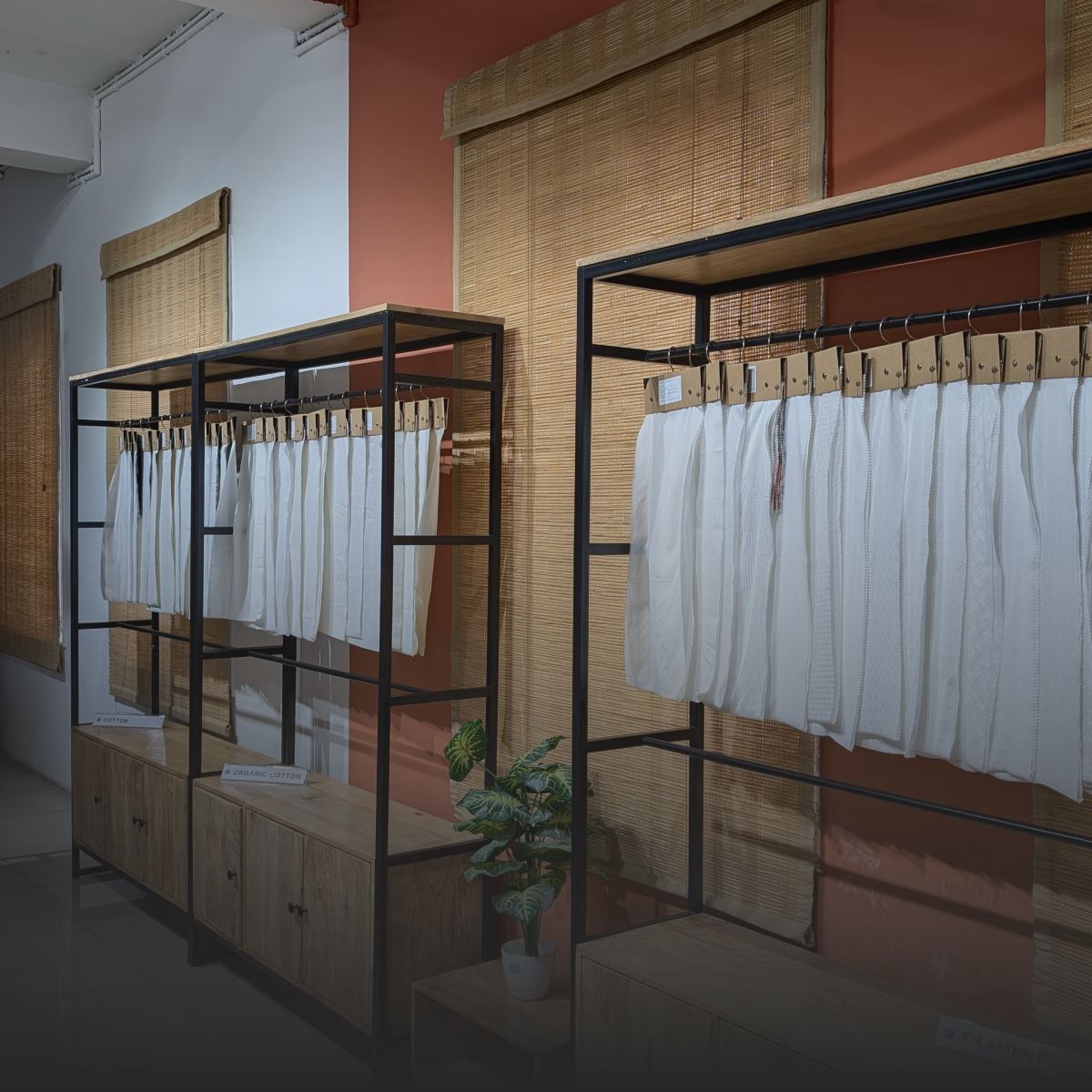
- Access to greige, RFD, dyed, and printed fabrics.
- Wide range: cotton, linen, viscose, rayon, blends.
- Low MOQ manufacturing for startups.
- Custom fabric development.
- Fabric swatch sampling.
- Private label clothing production.
How Fabriclore Uses Technology
Fabriclore uses AI-driven insights, digital fabric libraries, and data-driven sourcing tools to help brands reduce sampling time and improve sourcing accuracy. It accelerates the decision-making process and guarantees a seamless transition from fabric selection to production.
Outcome: Quicker development, reduced expenses, expandable production.
Start Your Clothing Brand with Fabriclore:
- Source premium fabrics globally.
- Develop custom fabrics.
- Start with low MOQ production.
- Scale your brand efficiently.
Fabriclore provides a complete ecosystem for modern fashion businesses.
Cost Breakdown of Starting a Clothing Brand
Knowing how costs are structured helps brands make better plans and get the most out of their investments.
|
Cost Component |
Percentage |
|
Fabric Sourcing |
30–40% |
|
Manufacturing |
30–40% |
|
Sampling |
5–10% |
|
Marketing |
10–20% |
When you use low-MOQ manufacturing and digital sourcing platforms, your initial investment drops significantly.
How to Reduce Costs and Improve Efficiency
Fashion businesses must operate effectively to achieve profitability.
Intelligent Approaches:
- Utilize online fabric sourcing platforms.
- Begin with a small minimum order quantity for production.
- Steer clear of excessive production.
- Enhance sampling processes.
- Choose scalable fabric suppliers.
These habits increase ROI and reduce business risk.
Common Mistakes to Avoid
Mistakes that could have been avoided in production and purchasing cause many new brands to fail.
Avoid These Errors
- Fabrics that are picked out only by price.
- Not doing any tests or sampling.
- Ignoring what the provider can do.
- Making too much stuff.
- Not using tools for digital sources.
By avoiding these mistakes, you will achieve better quality and results.
Future Trends in Clothing Brands (2026)

Technology, ecology, and new ideas will shape the future of fashion.
Key Trends
- AI-driven fabric sourcing.
- Virtual fabric libraries.
- Digital sampling and 3D prototyping.
- Sustainable sourcing practices.
- Integrated fabric + garment manufacturing.
Brands that follow these trends have a big edge over their competitors.
Conclusion
In 2026, you need strategy, technology, and smart sourcing decisions to start your own clothing brand. How you choose fabrics, where you get them, and how they are made all have a big impact on the success of your brand.
Digital fabric buying, low-MOQ manufacturing, and custom fabric development are tools brands can use to get their products to market faster, reduce costs, and grow more efficiently.
Fabriclore helps this change happen by offering a full ecosystem, from sourcing fabrics to making private-label clothing. This makes it a partner for global fashion brands that are ready for the future.
FAQs
1. How Much Does It Cost To Start A Clothing Brand In 2026?
The cost of starting a clothing line depends on how big you want to be, but using low-MOQ manufacturing and digital fabric sourcing platforms significantly reduces the initial investment and risk.
2. What Is The Best Fabric For Starting A Clothing Brand?
Many types of clothing use cotton, linen, viscose, and rayon because they are comfortable, versatile, and inexpensive.
3. Where Can I Source Fabrics For My Clothing Brand?
You can use global fabric sourcing platforms like Fabriclore to source different fabrics, make changes, and place orders with a low minimum order quantity.
4. Why Is Low MOQ Manufacturing Important?
Low MOQ manufacturing assists brands in minimizing the risk of stock shortages, accelerating product testing, and effectively managing cash flow, particularly for startups.
5. How Can I Scale My Clothing Brand Efficiently?
Brands can enhance profitability while ensuring high quality and efficiency by utilizing tech-enabled sourcing platforms, custom fabric development, and integrated manufacturing.
We also happen to be a magnet for suggestions, and would love to catch yours….throw us yours on hello@fabriclore.com
Learn, Create & Grow with us