

In today's world, if you're starting a fashion business or a startup, you don't need your own clothing factory. Many brands and businesses start clothing manufacturing without owning a factory by using outsourced, low-risk, and scalable production models.
Modern manufacturing technologies enable fashion startups, designers, boutique owners, and multinational private labels to focus on design, branding, and sales, while experienced partners handle production. This method reduces capital investment, accelerates launch, and lets brands scale at their own pace.
The article describes clothing manufacturing without a factory, explaining the steps, common problems, and how platforms like Fabriclore help firms with low MOQs, integrated fabric procurement, and end-to-end apparel manufacturing.
Why You Do Not Need a Factory to Start Clothing Manufacturing
In the past, making clothes needed a lot of money up front. The fashion business today operates differently. Brands hire custom clothing manufacturers to make their clothes because these manufacturers already have the facilities, workers, and supply chain in place.
What brands can do when they choose garment manufacturing without a factory
- Launch collections with lower financial risk.
- Test products before committing to large volumes.
- Do not spend money on things like tools, managing workers, and following the rules.
- Pay attention to style, marketing, and customer acquisition.
This model is beneficial for startups and small brands that want budget-friendly production without compromising quality.

How Clothing Manufacturing Without a Factory Works
You own the brand but not the factory when you make clothes without having one. An outside Private Label Clothing partner handles production. A organized workflow is usually used to guide the process.
Core Manufacturing Model
- You design the product or concept.
- The manufacturer handles fabric sourcing.
- Samples are developed and approved.
- Bulk production begins.
- Quality control, packaging, and shipping are managed.
With this method, brands can stay lean while still getting professional-quality production.
Step-by-Step Process to Start Clothing Manufacturing Without a Factory
1. Define Your Product and Brand Direction
Before you call a maker, you need to be sure of the following:
- Type of product (men's, women's, kids', sports, etc., dress clothes).
- Audience you want to reach and price range.
- Fabric choices and aims for sustainability.
- Expected number of orders.
Making sure that makers know what to quote helps them give accurate prices and keep projects on schedule.
2. Choose the Right Manufacturing Partner
The success of outsourced production depends on selecting the right clothing manufacturers for small businesses. Look for partners who offer:
- Low MOQ options.
- Transparent pricing.
- Fabric sourcing support.
- Transparent quality control processes.
A reliable clothing manufacturer for global names understands rules, global standards, and the need to make the same product over and over again.

3. Fabric Sourcing Without Owning a Factory
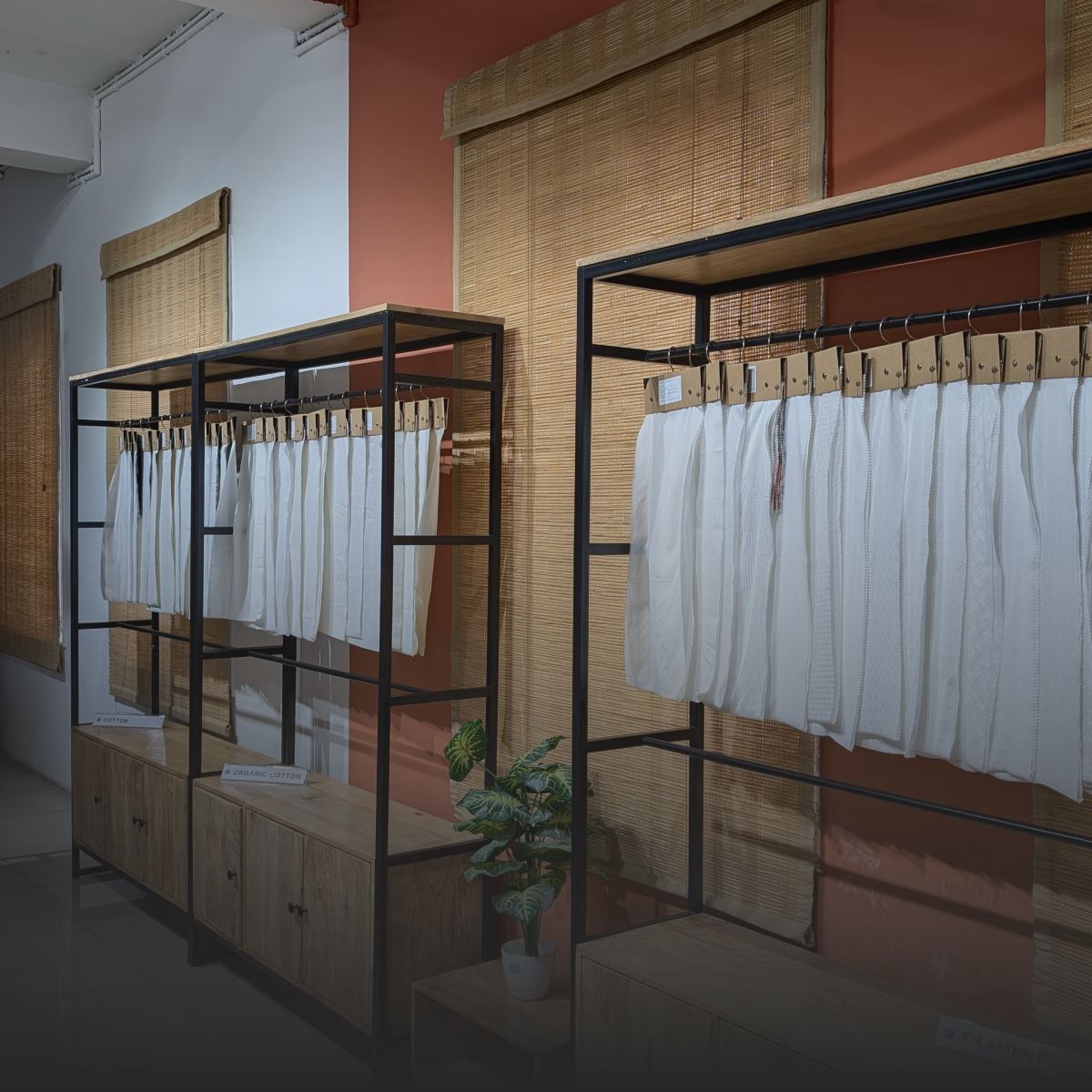
Fabric is the most expensive and quality-determining variable in garment manufacturing. When you do not own a factory, fabric sourcing is handled by your manufacturing partner or sourcing platform.
A professional fabric sourcing platform provides:
- Greige fabric for development.
- RFD fabric for custom dyeing.
- Dyed fabric for production.
- Printed fabric for branding.
This staged approach helps brands control costs and avoid paying for finished fabrics too early.
4. Sampling and Product Development
Samples are used to turn thoughts into real things. Brands can use skilled sampling services even if they don't have a factory.
What's usually in a sampling:
- Fit samples.
- Size sets.
- Pre-production samples.
Working with a custom apparel manufacturer with a low MOQ lets brands make design changes without committing to making many right away.
5. Approvals and Pre-Production Planning
Brands must agree to the following before mass production begins:
- Fabric quality and colour.
- Measurements and sizing.
- Construction details.
- Branding elements.
Mistakes that cost a lot of money can be avoided at this step of the process.

6. Bulk Production Without Factory Ownership
Once all necessary approvals are granted, mass production begins at the manufacturer's plant. As the owner of a brand, you don't have to watch over workers or tools. The wholesale clothing manufacturer is in charge of:
- Cutting and stitching.
- In-line quality checks.
- Finishing and packing.
This allows brands to scale without operational stress.
7. Quality Control and Compliance
Quality control is essential when making things without direct supervision. Manufacturers you can trust do organized checks:
- Fabric inspection before cutting.
- In-line stitching inspections.
- Final audits before shipment.
An eco-friendly clothing manufacturer also ensures ethical labor practices and responsible production methods.
8. Packaging, Shipping, and Delivery
After they are made, clothes are boxed, labelled, and sent out. Brands can get aid with the following from manufacturers who are good at global logistics:
- Export documentation.
- Packaging requirements.
- International shipping timelines.
This completes the production cycle without the brand owning a single machine.

Benefits of Starting Clothing Manufacturing Without a Factory
Brands can enter the market in a practical, low-risk way by starting a clothing manufacturing business without owning a facility. This way, they can stay flexible and grow. Brands don't have to spend a lot of money on infrastructure, as they can rely on experienced manufacturing partners to deliver the job well.
Lower Financial Risk
- No money spent on machinery or setting up a factory.
- No recurring costs for rent, utilities, or in-house workers.
Faster Market Entry
- Ready-made manufacturing methods make it easy to start collections fast.
- Less time spent on planning and setting up operations.
Scalability
- Production can rise steadily with demand.
- Easy to try new styles without committing.
Access to Expertise
- Manufacturers advise on sourcing and technology.
- Established production and quality systems assist brands.
Common Mistakes to Avoid
- Picking manufacturers only based on pricing.
- Not paying attention to fabric uniformity while placing recurring orders.
- Not going through the sampling steps.
- Ordering too much without checking the market.
Brands that are ahead of the curve don't look for shortcuts; they look for systems.

How Fabriclore Supports Clothing Manufacturing Without a Factory
For more than ten years, Fabriclore has helped fashion firms all over the world by becoming a custom apparel manufacturer with low MOQ and a fabric procurement platform. Fabriclore is trusted by 500+ international brands and lets people make clothes without owning a factory, taking care of everything from sourcing fabric to production.
Fabriclore can help brands with end-to-end production support, including greige, RFD, dyed, and printed fabrics; sampling; bulk manufacturing; and quality control. Fabriclore helps startups, private labels, and rising brands launch, expand, and repeat production without a factory. They do this by setting low MOQs, open processes, and export-friendly norms.
What Fabriclore Offers
- Combined with the buying of fabrics ranging from plain grey to colored.
- Low MOQ clothing production.
- Technology has enabled sampling and tracking of output.
- Clear price and quality control.
- Small companies and private labels from around the world are supported.
Fabriclore lets you make clothes without having to own a factory because it blends sourcing, sampling, and production into one system.
Fabriclore’s Low MOQ Advantage
Fabriclore supports:
- 300 meters total fabric MOQ.
- 50 pieces per size (varies by product).
This platform helps new businesses test collections, track their cash flow, and grow without hurting their finances.
Who Can Use This Manufacturing Model
- Fashion startups.
- Designers and boutiques.
- DTC brands.
- International private labels.
- Sustainable fashion businesses.
This strategy works for anyone who wants to be in charge without doing much work.

Is This Model Suitable for Sustainable Fashion?
Yes. Working with an eco-friendly clothing manufacturer allows brands to:
- Use certified sustainable fabrics.
- Reduce waste through small batch production.
- Maintain ethical supply chains.
Sustainability is possible even if you don't own a business.
Cost Control Without Owning a Factory
Brands reduce costs by:
- Ordering low MOQs.
- Using greige or RFD fabrics.
- Combining fabric sourcing and manufacturing.
- Avoiding unsold inventory.
Efficiency, not ownership, drives profitability.

Final Thoughts: Starting Clothing Manufacturing Without a Factory
You don't need to own a factory to start a clothes line these days. Working with the right Garment & Clothing Manufacturer lets brands make high-quality clothes, keep costs low, and go global without spending a lot of money.
Outsourced clothing manufacturing is easy, straightforward, and practical thanks to platforms like Fabriclore. With options for low MOQs, integrated fabric sourcing, and ethical production standards, brands can be sure they can bring their ideas to market.
There is no need to settle for less than a factory if you want to build a fashion business that is adaptable, scalable, and ready for the future. It gives them a strategic edge.
FAQs
Can I Start Clothing Manufacturing Without Owning A Factory?
Yes. Many fashion brands and boutiques, as well as designers, engage reliable garment manufacturers to handle all aspects of production. This model allows companies to focus on design, branding, and sales while experts handle production.
Key advantages include:
- No money spent on tools, workplace rent, or workers.
- Launch faster by leveraging production technology already in place.
- Use of skilled teams and tried-and-true methods of working.
- Less risk to your money in the beginning.
This approach is widely used by startups and established labels alike.
Is Low MOQ Manufacturing Available For Startups And Small Brands?
Yes. Today, many suppliers operate as custom apparel manufacturers with low MOQs, enabling new brands to produce their own clothes. Low-MOQ manufacturing lets businesses test designs before they scale.
Some benefits of low MOQ production are:
- Ability to test collections with minimal inventory risk.
- Better cash flow control.
- Easier market entry for new fashion labels.
- Flexibility to refine products based on customer feedback.
Does Outsourcing Garment Manufacturing Reduce Product Quality?
No. Quality depends on the manufacturer’s systems, quality control processes, and fabric sourcing standards, not on whether the manufacturer owns a factory.
Can Fabric Sourcing And Garment Manufacturing Be Handled Together?
Yes. Integrated platforms bring together fabric sourcing and garment production, reducing communication issues, fabric mismatches, and production delays.
Is This Manufacturing Model Suitable For International Clothing Brands?
Yes. Many garment manufacturers for international brands specialize in global compliance, export-quality production, and international logistics, making this model ideal for cross-border fashion businesses.
We also happen to be a magnet for suggestions, and would love to catch yours….throw us yours on hello@fabriclore.com
Learn, Create & Grow with us 

Also Read Related Blogs:
1. Step-by-Step Clothing Manufacturing Process for Global Fashion Businesses
2. How Much Does Garment Manufacturing Cost for International Clothing Brands?
3. How To Set Up Production And Manufacturing For Your Clothing Business Line In The USA
4. 10 Best Private Label Clothing Manufacturers & Suppliers
5. 10 Best Clothing Manufacturers & Apparel Factories in New York
6. Top 10 Garment Manufacturers in India for Boutique Clothing Brands
7. How to select best fabric manufacturers for clothing business


