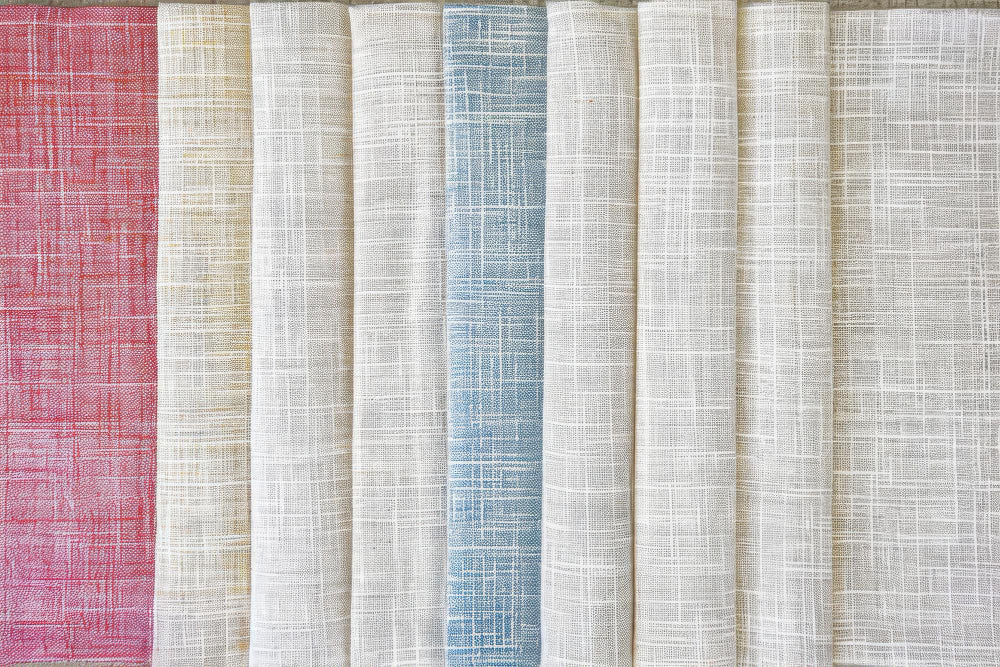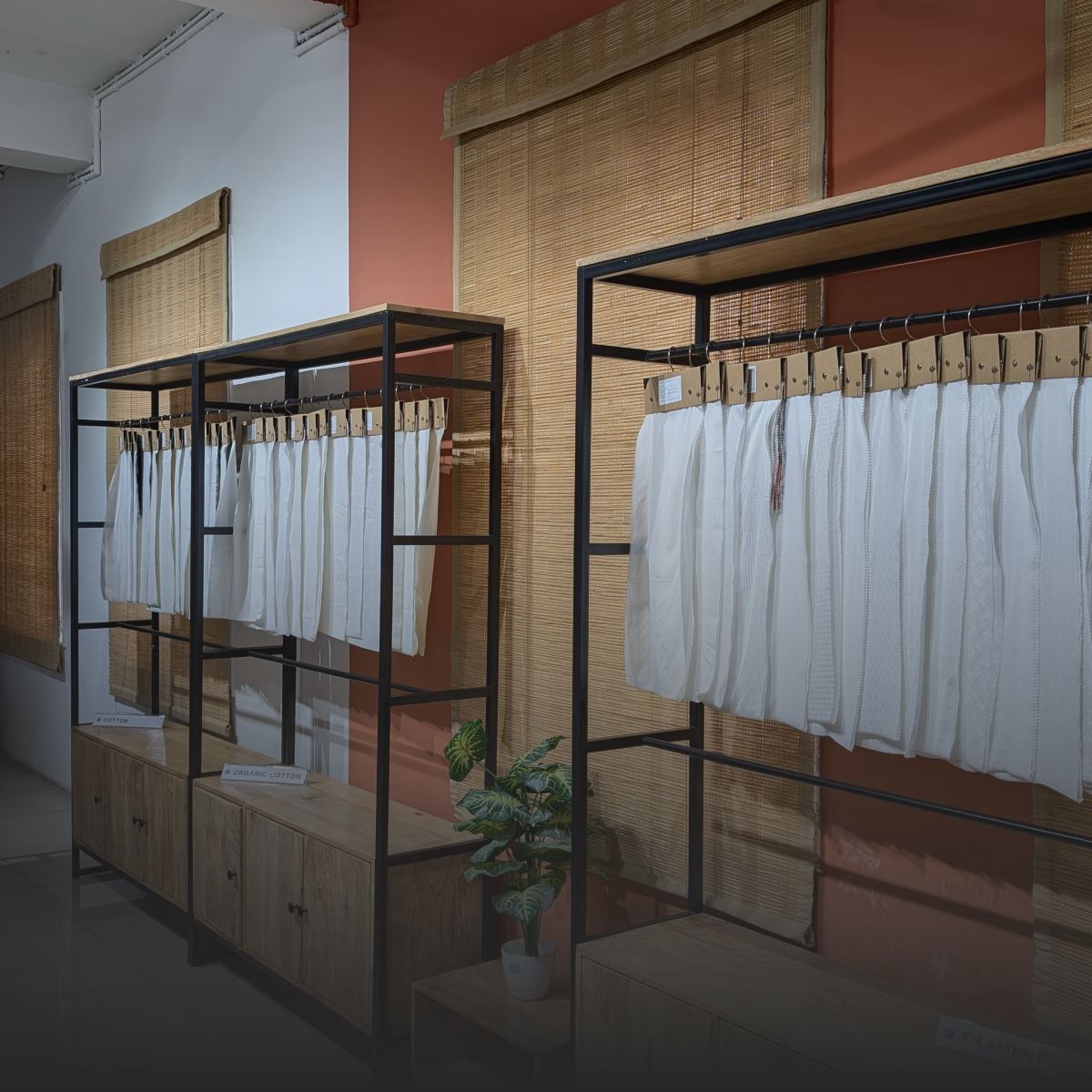

Modern fashion is more influenced by women's feelings, behaviors, and daily lives. Lightweight woven fabrics are vital to women's fashion brands worldwide as the fashion industry becomes more informal, sophisticated, and unpredictable.
Resort-inspired skirts, dresses, blouses, and co-ords. These textiles alter breathability, drape, durability, and appearance. Today, fabric performance, sourcing flexibility, scalability, and sustainability are key to collection success.
This thorough article covers lightweight woven fabrics for women's fashion brands, including fabric types, performance, sustainability trends, and low-MOQ sourcing strategies for flexible production.
How Lightweight Woven Fabrics Shape Modern Women’s Fashion
Lightweight woven fabrics are made with lower GSMs, breathable yarn structures, and dimensional stability in mind. They can stretch without losing their shape, so they can be used for women's clothes. Weaved fabrics have a smoother surface, sharper shapes, and longer life spans than knitted fabrics, all of which are important for current fashion collections.
Why do fashion brands prefer lightweight fabrics for woven products?
- Increased airflow and comfort.
- The drape is controlled to flatter your silhouette.
- High-quality appearance with a clean finish.
- High-quality dye and print quality.
- Flexibility across casual, resort, and more formal clothing.
For female-focused fashion brands that operate in warmer climates, destinations that focus on travel, or trans-seasonal areas, the fabrics directly affect customer satisfaction in repeat purchases, and sales-through performance.

Fabric Performance Standards Designers Evaluate First
Before picking a fabric, style, or sourcing team, you should compare the materials to important functional standards that affect how well they work and how long they last.
The primary criteria for assessment are:
- Breathability: Reduces the risk of heat accumulation over time.
- Fabric weight (GSM): Ensures user comfort and reduces bulk.
- Drape & Motion: Defines the garment's movement and shape.
- Skin Comfort: Vital for wear all day long.
- Stability of Colour and Print: Maintains the brand's quality over time.
- Wrinkle Behaviour: The way you look and feel is vital for resort and travel styles.
- Sustainability Profile: It is increasingly influencing purchasing decisions.
These standards of performance help brands achieve a balance between creativity and commercial viability.
Most Preferred Lightweight Woven Fabrics in Women’s Fashion
Designers around the world depend on lightweight woven fabrics to make women's clothing that is cool, elegant, and versatile, while allowing fluid silhouettes, comfort throughout the seasons, and scalable manufacturing across contemporary fashion collections.
Cotton Voile, Lawn & Cambric
Cotton remains the mainstay fabric in women's fashion for its versatility, comfort, and scalability. Lightweight cotton weaves allow airflow while maintaining the fabric's structure, making them suitable for a range of styles.
Why do fashion businesses continue to employ lightweight cotton?
- Naturally comfortable and breathable.
- Fantastic compatibility with dyeing and printing.
- It is easy to tailor and replicate in large quantities.
- Works across price segments.
Common uses are:
- Summer dresses and casual clothes.
- T-shirts, tunics, and blouses.
- Tiered skirts.
- Babywear and Maternity.
Sustainability-focused brands increasingly opt for organic or responsibly sourced cotton to align with conscious consumer values.
Linen and Functional Linen Blends
Linen is still a key fabric for summer-weather fashion and resort-inspired designs. Its natural cooling properties and tactile feel make it a favorite among designers.
The advantages of this are:
- Extraordinary breathability.
- Natural moisture absorption.
- A relaxed, elegant, and sophisticated aesthetic.
Production problem: Pure linen easily wrinkles.
Commercial solution: Blends of linen and cotton help to improve the recovery of wrinkles while keeping airflow.
Popular applications:
- Maxi and Midi dresses.
- Co-ords for resorts and sets.
- T-shirts and relaxed tailoring.
Viscose / Rayon Woven Fabrics
Viscose is extensively used for its fluid drape and silk-like appearance, making it the perfect fabric for feminine designs.
Why do designers use viscose?
- Lightweight and comfortable to breathe
- Great movement and excellent fall
- Comfortable in hot climates
Ideal for:
- Dresses with bias-cut and wrap designs
- Tunics and slouchy silhouettes
- Modest fashion collection
A high-quality viscose, carefully controlled for strength, ensures greater longevity and reduces pilling.
Modal Woven Fabrics
Modal is a fine blend of luxury softness and functional performance, which makes it an excellent choice for women's contemporary style.
Key benefits:
- Hands feel ultra-soft and smooth.
- Good moisture management.
- Elegant drape, with light comfort.
It is used in:
- Elevated casual wear.
- Modern dresses for women.
- Soft tailoring and high-end basics.
TENCEL™ Lyocell
Lyocell is now an ideal fabric for companies that value sustainability without compromising performance.
The reason why lyocell is so distinctive:
- Superior moisture absorption
- Excellent temperature regulation
- Soft and strong fibres
- Closed-loop, environmentally-friendly production
It is used extensively in premium women's fashion and conscious luxury collections.
Chiffon, Crepe & Georgette
These fabrics add lightness, movement, and sophistication to women's fashion.
Common applications:
- Evening and occasion wear
- Layered clothing
- Soft flowing silhouettes
Crepe and Georgette offer some structure while maintaining the same fluidity.
Comparative Overview of Lightweight Woven Fabrics
|
Fabric Type |
Comfort & Breathability |
Drape & Feel |
Ideal Applications |
|
Cotton Voile / Lawn |
High |
Soft, semi-structured |
Dresses, blouses |
|
Linen |
Very high |
Crisp, textured |
Resortwear |
|
Linen Blends |
High |
Balanced |
Co-ords |
|
Viscose / Rayon |
Cool, smooth |
Fluid |
Dresses, tunics |
|
Modal |
Ultra-soft |
Elegant |
Casual luxury |
|
Lyocell |
Excellent moisture control |
Premium |
Sustainable fashion |
Sustainability in Lightweight Woven Fabric Development
Sustainability is now a non-negotiable sourcing requirement for women's fashion brands worldwide.
Key sustainable developments include:
- Organic cotton and BCI-certified.
- Viscose that is responsibly sourced.
- Lyocell and Modular fibres.
- Water-efficient and low-impact dyeing.
- Durable fabric constructions that increase the lifespan of your garment.
Utilizing sustainable fabrics can help brands meet international compliance standards while promoting ethical brand stories.

Matching Lightweight Woven Fabrics to Garment Categories
|
Garment Category |
Recommended Fabrics |
|
Summer Dresses |
Cotton voile, viscose |
|
Resortwear |
Linen blends, rayon |
|
Blouses & Tops |
Cotton lawn, modal |
|
Skirts |
Viscose crepe, lyocell |
|
Modest Wear |
Rayon, georgette |
Why Low MOQ Sourcing Matters for Women’s Fashion Brands
With traditional buying models, you had to buy a lot of things, which limited your options. Right now, online low MOQ fabric sourcing lets companies:
- Launch capsule collections.
- Explore new silhouettes and trends.
- Minimise inventory risk.
- Support boutique-scale production.
This is particularly important for new labels or independent design firms.
Fabriclore: Fabric Sourcing & Apparel Manufacturing Support
Fabriclore is a tech-enabled platform for sourcing fabrics, with more than a decade of expertise in dyeing, sourcing, and printing, as well as supporting women's fashion brands worldwide.
Fabric sourcing capabilities include:
- Greige and RFD fabrics.
- Prints and dyed light fabric.
- Viscose, cotton, linen, and lyocell. and blended options.
- Sustainable fabrics are a good choice.
- Low MOQ sampling and sourcing.
- Customized fabric design and color matching.
The brands can buy fabric online, purchase fabric swatches, or make sourcing easier through a single trusted source.
Custom Apparel Manufacturer with Low MOQ
Fabriclore also connects brands with clothing manufacturers for small businesses, designers, boutiques, and international private labels, helping transform fabrics into export-ready garments with reduced supply-chain complexity.
Future Direction of Lightweight Woven Fabrics
Women’s fashion brands will increasingly adopt:
- Bio-based and next-generation fibres
- Advanced moisture-management finishes
- Digitally controlled dyeing processes
- Ultra-low water and energy-efficient production
Early adoption of innovation will define competitive advantage in the coming years.
Conclusion
Lightweight woven fabrics are the basis of women's clothing collections. From linen and cotton to lyocell and viscose, the best fabric selection enables brands to strike a balance between comfort and elegance while prioritizing sustainability and scalability. Fashion companies for women can confidently create, test, and expand their collections with low MOQ sourcing, custom fabric development, and built-in support for manufacturing platforms like Fabriclore, all without giving up high-end quality or freedom.
FAQs
1. What Are The Best Lightweight Woven Fabrics For Women’s Fashion Brands?
The most lightweight woven fabrics for fashion-conscious women include cotton voile, linen blends, viscose/rayon, modal, and TENCEL(tm) lyocell. These fabrics are breathable, elegant, flexible, and comfortable for blouses, dresses, skirts, and resortwear collections.
2. Why Do Designers Prefer Lightweight Woven Fabrics Over Knits For Women’s Clothing?
Weavier fabrics are liked by designers because they give clothes more structure, cleaner lines, better print quality, and a controlled flow. Women should wear woven fabrics because they look better on them and work better in warmer areas.
3. Which Lightweight Woven Fabric Is Best For Summer Dresses And Resortwear?
Linen blends, cotton lawn, viscose rayon, and lyocell are the best fabrics for summer and vacation dresses. These fabrics keep you cool when it's hot outside, keep you dry when it's humid outside, and keep you comfortable for long amounts of time.
4. Are Sustainable Lightweight Woven Fabrics Suitable For Premium Women’s Fashion?
Yes, sustainable, lightweight woven fabrics like organic cotton, responsibly sourced viscose, modal, and lyocell are widely used in high-end women's fashion. They are sustainable and offer softness, strength, and a refined drape.
5. Can Small Brands Source Lightweight Woven Fabrics With Low MOQ?
Yes, many sources now offer low-MOQ lightweight woven fabrics that allow small companies, boutiques, designers, and private-label companies to request fabric swatches, test collections, and create limited quantities without incurring considerable inventory risk.
We also happen to be a magnet for suggestions, and would love to catch yours….throw us yours on hello@fabriclore.com
Learn, Create & Grow with us