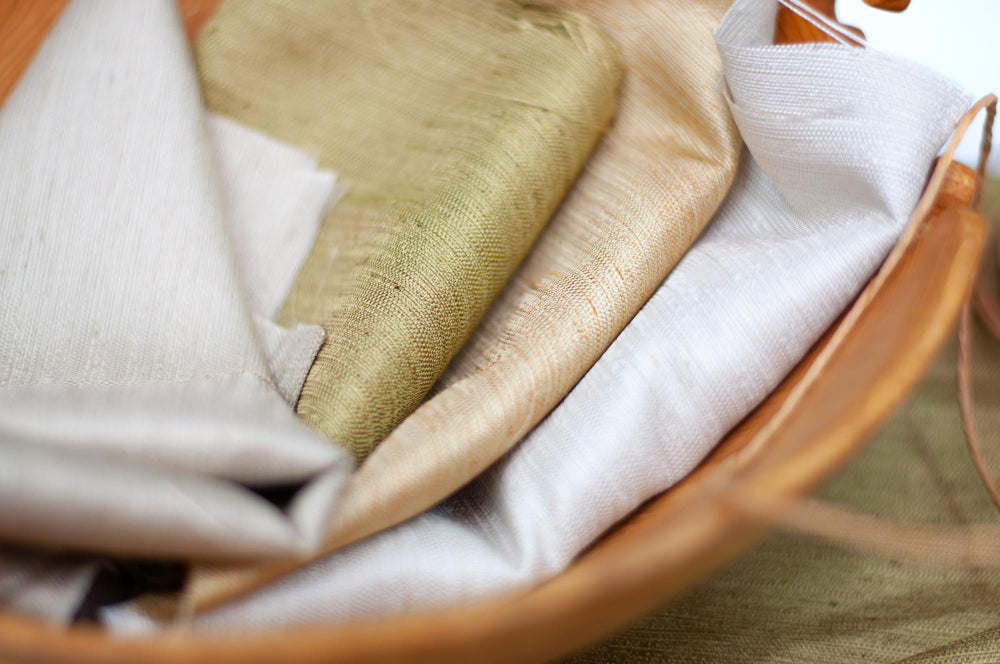
The global textile sourcing scene has changed significantly over the past ten years. Customers are actively looking for flexible, transparent, and customization-driven sourcing ecosystems and are no longer reliant on conventional bulk suppliers. Linen fabric exporters in India have become increasingly popular worldwide as a result of this change.
Linen is now one of the most lucrative fabric categories in the world due to growing demand for breathable, environmentally friendly fabrics, as well as the expansion of slow-fashion and private-label companies. India is especially appealing to companies looking to buy linen fabric online. India has a low MOQ because it provides a unique blend of cost efficiency, production capability, and customization flexibility.
India is developing into a design-to-delivery sourcing ecosystem, supporting everything from raw fabric to completed clothing, rather than merely a center for production.
What Makes Linen Fabric So Valuable in Today’s Market

Linen comes from the flax plant and has been used for hundreds of years. It is becoming more popular again today because it is more eco-friendly and works better.
Why Linen is Preferred Globally
- Naturally breathable and moisture-wicking.
- Durable and long-lasting.
- Biodegradable and eco-friendly.
- Improves texture with use.
Linen, on the other hand, fits nicely with sustainable fashion goals. This makes it an important material for brands looking to sell in the EU, the UK, and the US.
Types of Linen Fabric Offered by Indian Exporters
Buyers need to know about all the different types of linen fabric forms to choose the right supplier:
- Greige Linen Fabric: Brands that want full control over dying and finishing will love this raw, unfinished cloth.
- RFD Linen Fabric: Already processed and ready to be dyed to ensure even color application.
- Dyed Linen Fabric: Ready-to-produce fabrics with uniform colors—great for making things quickly.
- Printed Linen Fabric: Digital, screen, or traditional printing methods can be used to make custom-designed fabrics.
As end-to-end linen fabric suppliers in India, companies that offer all of these options are in a better situation.
India’s Linen Fabric Export Market: Growth & Opportunity
India's textile exports keep growing, and linen is becoming more expensive.
Key Market Drivers
- The need for a sustainable linen fabric supplier in India is growing.
- Growth of private-label and boutique brands.
- More people want summer clothes that let air flow through them.
- Natural fiber textiles are becoming increasingly common.
India is very competitive among linen fabric exporters because it can turn imported flax into high-quality fabrics.
Top Linen Fabric Exporters in India
Finding the right linen fabric exporters in India is crucial for brands that want quality, scalability, and customization, as sellers offer a wide range of services, from mass production to low MOQs and design-driven sourcing.
|
Supplier |
Type |
Strength |
Best For |
|
Fabriclore |
Online Platform |
Custom sourcing + low MOQ + dyeing, printing, manufacturing |
Startups, global brands, private labels |
|
Arvind Limited |
Exporter |
Premium linen fabrics, global compliance |
Large buyers, international brands |
|
Vardhman Textiles |
Manufacturer |
Linen blends, strong production capacity |
Bulk sourcing |
|
Linen Club |
Brand |
High-quality European flax linen |
Retail & premium buyers |
|
Raymond Limited |
Exporter |
Luxury linen fabrics and blends |
Premium & luxury markets |
|
Grasim Industries |
Manufacturer |
Linen-viscose blends, large-scale production |
Mass production & exports |
|
Donear Industries |
Manufacturer |
Linen blends and suiting fabrics |
Mid to large buyers |
|
BSL Limited |
Exporter |
Linen and wool blends, global exports |
International markets |
|
Sutlej Textiles and Industries |
Manufacturer |
Linen yarns and fabrics |
Bulk textile buyers |
|
Nandan Denim |
Manufacturer |
Diversified into linen fabrics |
Large-scale sourcing |
|
Prem Textiles International |
Exporter |
Linen and linen blends export |
Overseas buyers |
|
Siyaram Silk Mills |
Manufacturer |
Linen blends and fashion fabrics |
Domestic & export markets |
|
RSWM Limited |
Manufacturer |
Yarn and linen fabric production |
Industrial buyers |
|
Trident Group |
Exporter |
Home textiles with linen blends |
Home textile brands |
|
Indo Count Industries |
Exporter |
Linen-based home textile products |
Global retailers |
Why Fabriclore is Transforming Linen Fabric Sourcing

Getting textiles these days isn't just about finding sources; it's also about making a flexible, scalable, and technology-driven supply chain. Among all the Indian companies that export linen fabric, Fabriclore stands out because it has a structured ecosystem that operates the way current fashion brands do: quickly, based on customer needs, and with no delays.
Fabriclore has created a platform that connects fabric mills, dyeing units, and printing facilities to collaborate. This lets buyers move from an idea to production without dealing with the inefficiencies of buying from multiple places.
What Makes Fabriclore Different (Deep-Dive Analysis)
1. Complete Linen Fabric Ecosystem (Greige to Finished)
Fabriclore gives you access to the entire linen development cycle, unlike other exporters who only handle certain steps of fabric production. What buyers can find:
- Greige linen fabric for in-house processing.
- RFD linen fabric is ready for dyeing.
- Solid dyed linen fabrics with consistent color matching.
- Customized digitally printed linen fabrics for unique collections.
This complete access ensures continuity in sourcing, which is especially important for brands making seasonal or multi-category collections.
2. Low MOQ Sourcing Built for Modern Brands
Traditional wholesale linen fabric suppliers in India often require large commitments, making it hard for smaller names to work with them. This is what Fabriclore does to fill the gap:
- Small-batch sourcing for testing and sampling.
- Reduced inventory risk and capital investment.
- Seamless scaling from sampling to bulk production.
D2C brands, boutique labels, and international private labels entering new markets will benefit most from this model.
3. Advanced Customization & Fabric Development
Customization is no longer a choice; it's a key way for brands to stand out.
Fabriclore allows for a lot of flexibility, such as:
- Pantone-matched coloring ensures colors match exactly.
- You can print small or large amounts digitally on cloth.
- Custom patterns, blends, and finishes are being made.
Instead of using normal stock materials, this lets brands make exclusive, market-specific fabric identities.
4. Integrated Fabric-to-Garment Capability
Fabriclore does more than just source fabrics; it also makes them, calling itself a custom apparel manufacturer with low MOQs. With this unified method, brands can:
- Source authentic linen fabric.
- Develop prototypes and samples.
- Execute bulk garment production.
Businesses can reduce wait times, improve coordination, and maintain high quality across the supply chain by combining these steps.
5. Tech-Enabled Sourcing Platform for Global Buyers
One thing that sets Fabriclore apart is its technology-driven sourcing interface, designed to be open and easy to use worldwide.
- Digital catalog access across linen categories.
- Real-time communication and order tracking.
- Transparent pricing and sampling workflows.
This makes it easier to buy linen fabric online in India with a low MOQ, helping buyers from the US, UK, Europe, and other regions find what they need faster.
Strategic Insight
Indian companies that ship standard linen are being fought by Fabriclore. It's also changing how people look for things to buy. By combining low MOQs, full customization, and integrated production, it helps brands stay flexible in a fashion market that changes quickly.
Not just a fabric seller, Fabriclore is a future-ready sourcing partner for companies that want to make collections that can be scaled up and are driven by design.
Key Linen Manufacturing Clusters in India
India's linen production ecosystem is supported by textile clusters specific to each area that handle weaving, processing, and exporting. All of these hubs work together to enable global buyers to obtain customized fabrics and to make production more flexible.
- Bhilwara (Rajasthan) – Large-scale linen production hub with strong export capabilities.
- Surat (Gujarat) – Advanced processing, dyeing, and linen blend development.
- Kolkata (West Bengal) – Expertise in natural fibers and traditional textile processing.
- Tirupur (Tamil Nadu) – Integration with apparel manufacturing and knitwear.
- Delhi NCR – Central hub for sourcing platforms, exporters, and global trade coordination.
India can easily meet the needs for both large and custom linen fabric in these areas.
Key Trends Shaping Linen Fabric Export
India's linen export industry is changing quickly because buyers' needs are changing, the country wants to be more environmentally friendly, and the industry is becoming more digital. These trends are changing how big brands around the world get linen fabrics.
1. Low MOQ Sourcing is Becoming Standard
Traditional bulk-only sourcing is giving way to low-MOQ fabric sourcing in India, making it safer for startups, designers, and direct-to-consumer brands to enter the market.
2. Customization is No Longer Optional
Today's buyers want uniqueness and flexibility:
- Pantone-based dyeing.
- Custom prints.
- Fabric development.
3. Rise of Linen Blends
Blended materials make things more useful and versatile:
- Linen-cotton → comfort and cost efficiency.
- Linen-viscose → improved drape.
- Linen-silk → premium appeal.
4. Digital Transformation in Sourcing
Platforms that are based on technology can now:
- Real-time viewing of fabrics.
- Workflows for structured sampling.
- Integrated control of production.
5. Sustainability & Compliance
Now, global purchasing standards put an emphasis on:
- Eco-friendly processes.
- Certified fabrics.
- Ethical manufacturing practices.
How to Choose the Right Linen Fabric Supplier

Picking the best linen fabric supplier is a sensible choice that has a direct impact on the quality, cost, and production capacity of the products. Before picking a fabric partner, purchasers should think about a few things.
Important Things to Think About:
- Availability and selection of fabrics.
- Flexibility in MOQ.
- Ability to customize.
- Standards and certifications for quality.
- Experience and dependability in exporting.
For long-term stability and smooth production operations, it's crucial to choose the correct partner.
Applications of Linen Fabric
Linen fabric is versatile and works well for many fashion and lifestyle products, especially in markets that value comfort, sustainability, and quality design.
Apparel
- Men’s shirts and trousers.
- Women’s dresses and tops.
- Resort and summer wear.
Home Textiles
- Curtains and drapes.
- Cushion covers.
- Table linen.
Premium Segments
- Sustainable fashion collections.
- Luxury apparel.
- Boutique and designer labels.
Challenges in Linen Fabric Sourcing
Finding linen textiles can be hard, even though there is a strong demand for them. If you don't plan, these problems can slow down production and make it less profitable.
- High MOQ requirements from traditional suppliers.
- Limited customization options.
- Inconsistent fabric quality across vendors.
- Fragmented and complex supply chains.
These problems show how important it is to have sourcing options that are more integrated and tech-enabled.
Smart Sourcing Strategy for Brands
To get around sourcing problems, modern fashion businesses are adopting a mix of different sourcing methods. This method strikes a good balance between being flexible, cost-effective, and able to grow.
Step 1: Taking Samples
- Local sourcing for easy access.
- Testing and confirming the fabric.
Step 2: Making a lot of them
- Platforms for global sourcing.
- Making custom fabric.
This strategy ensures quicker responses, better cost control, and production that may be increased or decreased.
Future of Linen Fabric Export from India
In line with global fashion industry trends, India's linen export business is becoming more advanced, tech-driven, and environmentally conscious.
- Sustainable and eco-conscious production.
- Growth of digital sourcing platforms.
- Increased focus on customization.
- Stronger integration with global supply chains.
India is well-positioned to become a world leader in the linen fabric market.
Conclusion
The country of India has become a top spot for linen fabric exporters because it offers quality, freedom, and new ideas.
Businesses that want to buy linen fabric online in India with a low MOQ will benefit greatly from working with a tool like Fabriclore, which offers customization, scalability, and manufacturing integration.
Finding fabric isn't enough to be successful in the fashion business today; you also need to build a smart, flexible, and future-ready supply chain.
Brands that source intelligently, customize effectively, and scale efficiently will be successful in the future. India is at the center of this change.
FAQs
1. Who Are The Best Linen Fabric Exporters In India For Small Brands And Bulk Buyers?
The best linen fabric exporters in India will depend on what you need. Platforms like Fabriclore are ideal for brands seeking low MOQs, customization, and end-to-end sourcing solutions. Large manufacturers offer large quantities.
2. How Can I Buy Linen Fabric Online In India With A Low MOQ?
If you want to buy linen fabric online in India with a low MOQ, look for sourcing sites that let you set your own minimums and offer sample support and customization. Modern platforms, unlike traditional suppliers, let you buy in small quantities. This makes them good for startups, designers, and private brands.
3. What Should I Check Before Choosing A Linen Fabric Supplier In India?
Before you choose linen fabric suppliers in India, you should think about:
- Fabric range (greige, RFD, dyed, printed).
- MOQ flexibility.
- Dyeing and customization capabilities.
- Quality certifications and export experience.
These things ensure consistent quality and output that can be scaled up or down.
4. Is Linen Fabric From India Suitable For International Fashion Markets?
Indian linen is high-quality, customizable, and affordable, hence many multinational brands employ it. Many Indian wholesale linen fabric suppliers follow international standards, allowing them to sell in the EU, UK, US, and other countries.
5. Why Are Brands Shifting To Fabric Sourcing Platforms Instead Of Traditional Exporters?
There are fabric sourcing platforms that brands are moving toward because they offer:
- Low MOQ flexibility.
- Faster sampling and production.
- Custom fabric development.
- Integrated supply chains.
Compared to fragmented standard supplier networks, this makes sourcing easier and more efficient.
6. What Types Of Linen Fabric Can I Source From India?
You can source from several areas, such as:
- Greige linen fabric.
- RFD linen fabric.
- Dyed linen fabric.
- Printed linen fabric.
- Linen blends (cotton, viscose, silk).
This variety can be used for a wide range of fashion and home textiles needs.
7. What Are The Biggest Challenges In Linen Fabric Sourcing From India?
Some common problems are:
- High MOQ requirements.
- Limited customization with traditional suppliers.
- Inconsistent quality across vendors.
- Complex supply chains.
Integrated, tech-enabled sourcing solutions are in high demand due to these problems.
8. How Do Global Trends Impact Linen Fabric Sourcing From India?
Sustainability, low MOQ production, and digital sources are among the global trends changing how people buy things. Buyers now want sustainable linen fabric suppliers in India that offer clear choices, customization options, and faster turnaround times.
We also happen to be a magnet for suggestions, and would love to catch yours….throw us yours on hello@fabriclore.com
Learn, Create & Grow with us