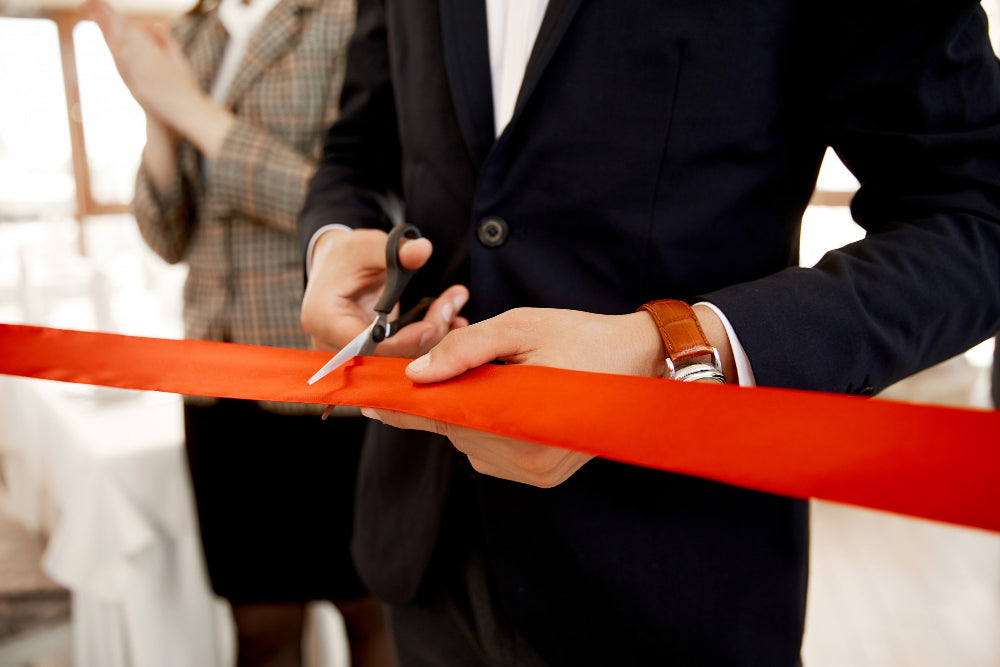
Are you starting a private label apparel brand in New York? This adventure is thrilling but difficult. Urban fashion is fast-paced, competitive, and influenced by cultural diversity and microtrends. First-time founders must be clear, prepared, and strategic because New York buyers expect quality, distinctiveness, sustainability, and storytelling.
This guide helps you choose your niche, plan costs, source materials, choose the right Garment Manufacturing in the USA, develop samples, and launch your first collection from a brainstorm to a production-ready fashion line. This checklist will give you confidence when starting a streetwear label in Brooklyn, a contemporary womenswear brand in Manhattan, or an organic childrenswear line in Queens.
Step-by-Step Guide on How to Private Label Clothing
Starting a private label clothing line requires understanding your customer, preparing your designs professionally, ensuring proper sourcing and sampling, and choosing a low-MOQ manufacturing partner. With the appropriate steps, even first-time founders can launch high-quality products without overwhelming costs or complexity.
1. Define Your Brand Strategy (Your Launch Begins Here)
New York's fashion market rewards clarity. Before anything else — even before fabrics or sketches — you need to build the foundation of your brand. This step determines how customers perceive you, how you position yourself, and what direction your product line will follow.
A strong brand strategy doesn't just define what you sell; it clarifies why you exist and who you serve. This is what creates loyalty and distinguishes your label in a crowded space.
Identify Your Niche
Choose a niche aligned with your vision and New York market opportunities:
- Sustainable womenswear
- Athleisure and streetwear
- Men's premium basics
- Organic kidswear
- Resort and vacation edits
- Plus-size and tall-size categories
- Inclusive and adaptive apparel
Understand Your Customer Avatar
Your entire product line depends on who you design for. Think about their lifestyle, fashion preferences, spending capacity, and values.
Use long-tail keyword research, such as:
- "NYC sustainable fashion customer trends"
- "New York streetwear shopping behaviour"
- "Demand for organic kidswear USA"
Craft a Brand Value Proposition
In this sentence, you should make it clear what your brand does and why your ideal customer should choose you.
Such as:
- "Timeless New York staples designed with premium craftsmanship."
- "Everyday streetwear is grounded in quality, comfort, and culture."

2. Build a Business Plan With Realistic Costs & Timelines
A business plan is more than just a budget; it's also a road map for getting started. It keeps you from spending too much, shows you where resources are lacking, and makes sure you know how much it really costs to start a fashion brand in New York. A lot of first-time founders don't think about how much it will cost to sell and make the product, which can cause delays or problems with cash flow.
Typical Expenses to Plan For
- Tech pack creation
- Sample development
- Fabric sourcing costs
- Trims, labels, packaging
- Website design
- Photoshoots
- Marketing and ads
- Logistics and duties
Estimated Cost Breakdown
|
Component |
Estimated Cost |
|
Tech packs |
$80–$200/style |
|
Samples |
2× wholesale |
|
Fabric sourcing |
depends on GSM, weave, MOQ |
|
Bulk production |
varies by style complexity |
|
Website & branding |
$300–$3,000 |
|
Photoshoot |
$300–$1,000 |
|
Marketing |
$500–$5,000/month |
|
Shipping & customs |
variable |
Realistic Timelines
- Finding the fabric: 7–21 days
- 10–25 days for sample creation
- 30 to 60 days for bulk production
- 10–30 days for shipping
3. Develop Your Apparel Line: Silhouettes, Fabrics & Market Trends
Your first collection should strike a mix between your creative vision and what people in New York actually want. Focus on a smaller, well-chosen range of styles instead of making dozens of them. This will help your brand stand out and reduce risk.
Men's Wear Trends
- Graphic tees
- Shackets
- Relaxed-fit denim
- Utility cargos
- Fleece hoodies
- Layered streetwear looks
Women's Wear Trends
- Ribbed basics
- Oversized blazers
- Linen resort shirts
- Satin blouses
- Tailored trousers
- Wide-leg denim
- Quilted outerwear
Kidswear Trends
- Organic cotton tees
- Soft rompers
- Pajama sets
- Sweatshirts & hoodies
- Every day school bottoms
Home Textile Opportunities
Many New York boutique brands expand into home goods:
- Bedding
- Towels
- Table linen
- Curtains
4. Choose Fabrics That Match Your Fit, Feel, & Pricing Goals
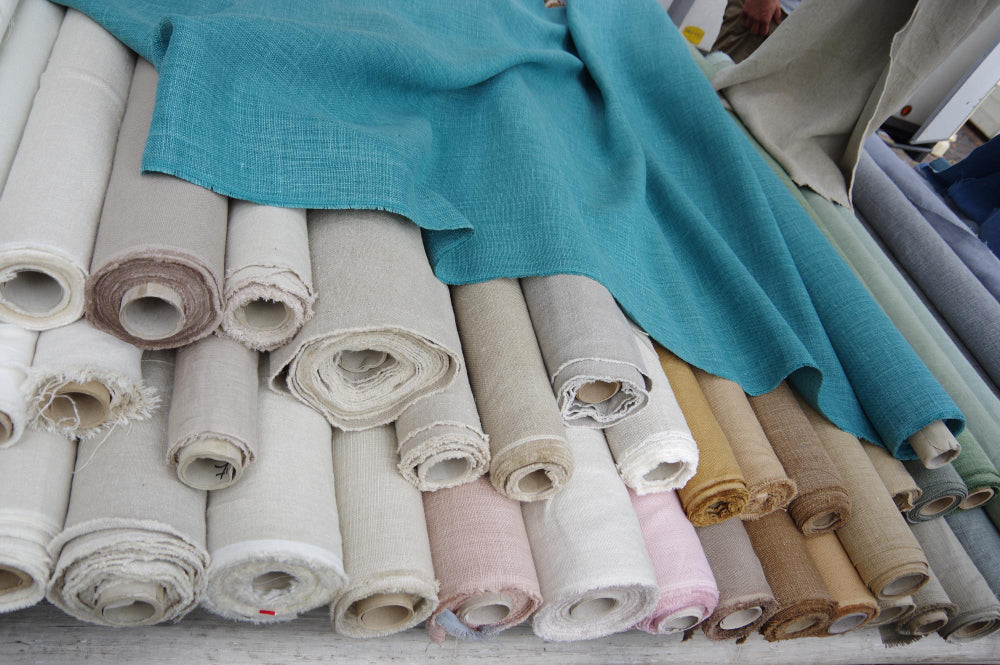
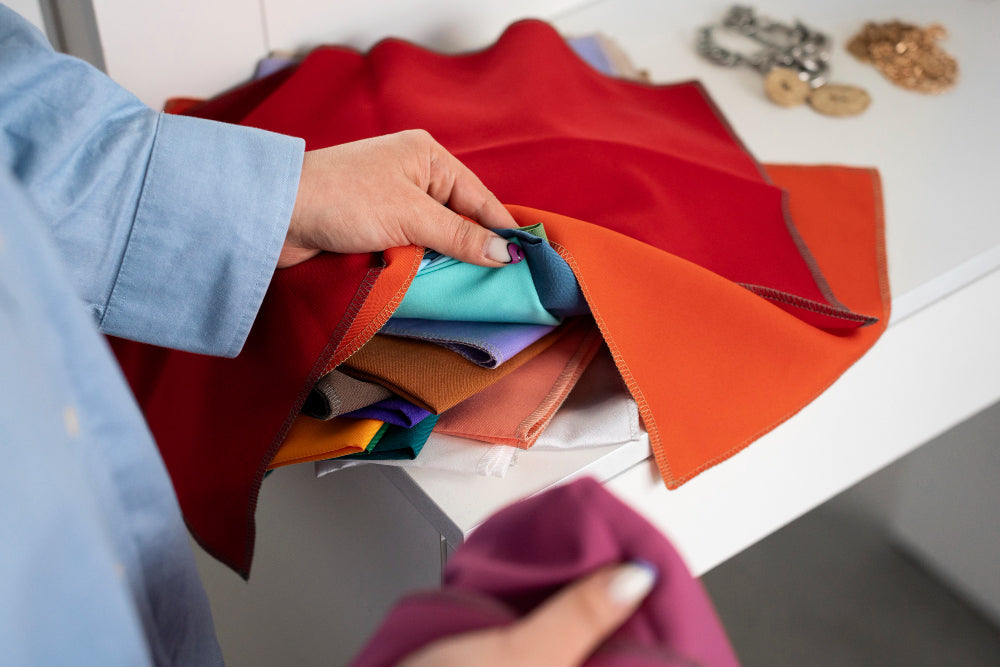
Fabric is the heart of your garment. It determines comfort, appearance, performance, and cost. New York consumers are highly fabric-conscious — they notice hand-feel, drape, breathability, and longevity.
Things to Consider Before Choosing Fabric
- How does the fabric drape on the body?
- What is the GSM (weight), and how does it affect comfort?
- Is it durable enough for daily wear?
- Will it shrink or pill after washing?
- Is it aligned with your pricing strategy?
Popular Fabrics for NYC Brands
- Soft cotton jersey
- Heavy fleece
- Rib knits
- Premium denim
- Linen
- Viscose blends
- Organic cotton
- Technical athleisure blends
5. Create Professional Tech Packs (Non-Negotiable for Quality Production)
A tech pack is a blueprint for your manufacturer. It helps ensure the sample you imagine is exactly what gets produced. Skipping this step leads to costly mistakes and inconsistent quality.
A Complete Tech Pack Should Include
- Flats & technical sketches
- Measurement charts
- Stitching details
- Fabric GSM & composition
- Trim descriptions
- Label placement
- Care instructions
- Artwork files
Why This Matters
Manufacturers rely on tech packs to avoid guesswork. Without them, every stage of production becomes vulnerable to misinterpretation.

6. Develop Samples (Your Reality Check Before Bulk Production)
Sampling is where your design becomes a physical product. It's also where most new founders learn the most — from fit issues to fabric behaviour.
Types of Samples
- Proto sample: construction basics
- Fit sample: silhouette & measurement accuracy
- PP sample: final sample before bulk
- Colour/print sample: for custom developments
Common Mistakes to Avoid
- Approving samples without a fit model
- Making last-minute fabric changes
- Ignoring colour fastness or shrink tests
- Approving without checking finishing & stitching
7. Select the Right Manufacturing Partner
Your manufacturer is the backbone of your private label. The right partner enhances your quality and speed, while a wrong one creates delays, inconsistencies, and financial losses.
What to Look For
- Low MOQ suitable for new brands
- Expertise in your product categories
- Transparent and responsive communication
- Clear sampling process
- Multi-stage quality inspection
- Export-ready infrastructure
- Ability to scale production
8. Approve Bulk Production (Structured, Accurate & Controlled)
Bulk production should only begin once every detail — from fit to finishing — has been approved during sampling.
Key Stages
- Fit approval
- White sample (construction confirmation)
- 5-meter fabric approval (for dye/print)
- Final PP sample
- Bulk cutting, stitching & finishing
- QC inspection
What QC Should Include
- Stitching consistency
- Labeling accuracy
- Sizing accuracy
- Fabric defects
- Packaging quality
9. Packaging, labels, and storytelling establish brand identity
Presentation is crucial. In New York, products and stories have a big effect on how loyal customers are.
Key Parts of Branding
- Woven signs for brands
- Wash-care signs
- Cute hang tags
- Custom wrapping for online shopping
- Thank-you notes
- Consistent story about the brand
Eco-Friendly Options
Consumers in New York respect those brands that are responsible:
- Recycled tags
- Compostable mailers
Minimalist sustainable packaging

10. Pricing Strategy for New York Fashion Brands
Your pricing must reflect your market positioning, product quality, and costs.
Standard Pricing Formula
- Wholesale = Cost × 2–2.5
- Retail = Wholesale × 2–3
When choosing prices, think about how much your target audience cares about value, quality of materials, and the story behind the brand.
11. Build a High-Converting E-Commerce Store
Today's web presence is critical, therefore your online store must be clean, speedy, mobile-friendly, and visually appealing. New York shoppers demand high-quality digital experiences.
Must-Have Elements
- High-quality product images
- Clean layout
- Fast load time
- Clear size guides
- Strong product descriptions
- Policies & FAQs
- Reviews or social proof
SEO Keywords
Use high-intent phrases such as:
- "private label clothing manufacturers NYC"
- "low MOQ clothing production USA"
- "Custom clothing line in New York starts"
12. Marketing Strategy for a Competitive NYC Landscape
Without marketing, you cannot launch your product. Marketing is how your product becomes a brand. Authenticity, culture, and community-driven marketing resonate with the New York audience.
Organic Marketing
- Instagram Reels
- TikTok content
- Pinterest mood boards
- Blog posts
- Community events
Paid Marketing
- Meta ads
- Google Shopping
- TikTok Spark Ads
Offline Efforts
- Pop-up shops
- Boutique collaborations
- Fashion markets
13. Logistics & Inventory Management
Good logistics reduce delays and prevent overstocking or stockouts.
Smart Inventory Strategy
- Start with 2–3 core styles.
- 2–3 colourways per style
- Sizes based on customer data
- Forecast according to trend seasonality
14. Conduct Quality Checks After Delivery
Before your collection goes live, inspect every detail.
Inspect For
- Fabric inconsistencies
- Stitching defects
- Fit issues
- Labeling errors
- Packaging quality

Common Challenges and How to Overcome Them
First-time founders often face similar obstacles, but most challenges can easily be prevented with preparation.
Common Challenges
- Finding reliable low-MOQ manufacturers
- Budget overruns
- Wrong fabric selection
- Poor fit during sampling
- Delayed production
- Difficulty creating demand
Solutions
- Do detailed pre-planning
- Use complete tech packs.
- Start with fewer styles.
- Build a pre-launch community.
- Maintain clear communication with manufacturers.
- Stick to realistic timelines.
How Much Does It Cost to Start a Private Label Business?
The investment varies depending on your category, fabric choices, collection size, and marketing goals.
Estimated Startup Ranges
- Basic launch: $3,500–$7,000
- Moderate launch: $8,000–$15,000
- Premium launch: $20,000–$40,000
Budget carefully to support sampling, marketing, and production.
Why Partner with a Trusted Private Label Manufacturer?
The right manufacturing partner ensures consistent quality, fewer errors, and smoother scaling.
Benefits
- Predictable production timelines
- Higher sampling accuracy
- Fewer quality issues
- Clear costing
- Consistent sizing
- Capacity to scale collections
- Professional communication
A reliable partner eliminates many of the risks new founders face.
Why Fabriclore Is a Smart Choice for Private Label Startups
Fabriclore offers a complete sourcing-to-manufacturing ecosystem explicitly built for emerging fashion brands and private label startups. With over a decade of expertise in fabrics, dyeing, printing, and small-batch production, Fabriclore helps brands convert their ideas into production-ready collections with clarity and efficiency. Instead of dealing with multiple vendors, startups get a highly structured workflow — from fabric selection and custom development to sampling, approvals, and bulk manufacturing.
What Makes Fabriclore Ideal for New and Growing Apparel Brands
- Low MOQ manufacturing is suitable for startups, small businesses, and boutique labels.
- Access to verified mills and authentic fabrics sourced from across India.
- RFD, greige, dyed & custom-printed fabrics available under one integrated platform.
- Expert guidance for tech packs, sampling, and fabric selection.
- Streamlined sampling process enabling quick protos, fit samples, and PP approvals.
- Export-ready garment production infrastructure meeting global standards.
- Diverse product capabilities across menswear, womenswear, kidswear, athleisure, home textiles, uniforms & more.
- Seamless communication and digital order tracking for complete transparency.
- Custom fabric development services for brands seeking unique textures, prints, or colours.
- Strict quality checks at every stage, including fabrics, stitching, finishing, and packaging.
- Dedicated support for USA and international brands, offering smooth logistics and export compliance.
Fabriclore's integrated model eliminates guesswork, minimizes production risks, and gives New York–based fashion entrepreneurs the scalability they need to grow — without compromising on quality, timelines, or design flexibility.
Conclusion: Launching Your Private Label in New York Doesn't Have to Be Overwhelming
With the right strategy, fabrics, and manufacturing partner, your idea can grow into a successful New York fashion brand. Fabriclore helps reduce risk, optimize cost, and deliver premium-quality apparel that aligns with global standards. Whether launching streetwear in Brooklyn or kidswear in Queens, your journey begins with a strong foundation—and the right team behind you.
FAQs
1. What Is The Minimum Order Quantity (Moq) For Private Label Clothing?
Fabriclore offers cheap MOQs, which typically begin at 300* meters total order and 50* pieces per size, though this may vary depending on the fabric and garment type, for New York businesses looking to launch without a large initial investment. MOQs for custom designs may be adjusted based on negotiations.
2. How Long Does Private Label Manufacturing Take?
Typical timetables range from forty-five to ninety days, and they include the development of the fabric, sampling, and manufacture in bulk.
3. Can I Customize Fabrics For My Clothing Line?
Yes. Fabriclore provides custom dyeing, printing, and low-MOQ fabric development in RFD, greige, and finished options.
4. How Many Styles Should A New Brand Start With?
Most successful NY-based founders start with 2–3 core styles to test demand before expanding.
5. Can Fabriclore Help With Both Sourcing And Manufacturing?
Absolutely. Fabriclore integrates fabric sourcing, sampling, and garment manufacturing—streamlining the entire private-label clothing production process.
We also happen to be a magnet for suggestions, and would love to catch yours….throw us yours on hello@fabriclore.com
Learn, Create & Grow with us 

Also Read Related Blogs:
1. New York : Global Center Of Fashion
2. New York Fashion Week : An Epitome Of Fashion
3. 10 Best Clothing Manufacturers & Apparel Factories in New York
4. The Most Popular Fabrics in New York Fashion Week 2024