

When it's time to turn your fashion idea into reality, the most crucial step is selecting the right garment manufacturer. Because you have fixed budgets and limited timelines, a single mistake can prove very costly. Choosing the proper clothing manufacturing partner has a direct impact on quality, shipping reliability, cash flow, and a brand's long-term credibility. This is especially true for brands that plan to place large or repeated orders.
The right questions must be asked early when choosing a custom apparel manufacturer. Asking the right questions about production capacity, quality control, timelines, and scalability helps brands avoid delays and cost overruns and embrace sustainable growth. Below are some key questions to ask before selecting a garment manufacturer for bulk production.
Why Asking the Right Questions Matters Before Bulk Production
Samples and bulk production are not at all the same. Problems can be fixed quickly in sampling. When many things are made at once, a single mistake can affect hundreds or even thousands of pieces. Famous brands choose a clothing manufacturer through a structured evaluation process, not a price check. Brands must assess a garment factory's capacity, quality control, fabric sources, compliance, timelines, and post-production support before signing on.
To decrease production risk and make sure everyone knows what to know, read the following questions:

1. What Product Categories Do You Specialise In?
Not every garment factory is suitable for every type of garment. One of the first questions to ask is what categories the manufacturer actively produces at scale.
Ask whether they have experience in:
- Menswear, womenswear, kidswear, or made-ups.
- Casual wear, formal wear, activewear, or occasionwear.
- Woven garments, knits, denim, or specialty fabrics.
A manufacturer with category-specific expertise understands construction challenges, fit expectations, and finishing standards. This is especially important when working with a "custom apparel manufacturer with low MOQ", where design precision still matters even at smaller volumes.
2. What Are Your Minimum Order Quantities for Bulk Production?
Prices, inventory risk, and cash flow are all directly affected by MOQ. Before choosing a supplier, brands need to know precisely what the bulk MOQs are for both fabrics and clothes. Key points to make clear:
- Minimum order quantity per style.
- Minimum order quantity per colour.
- Size-wise MOQ requirements.
- Flexibility for mixed styles or colours.
When factories can only make a lot of things, it's hard for many brands. A partner that offers low minimum order quantity (MOQ) bulk production lets brands grow slowly, test demand, and avoid having too much inventory.
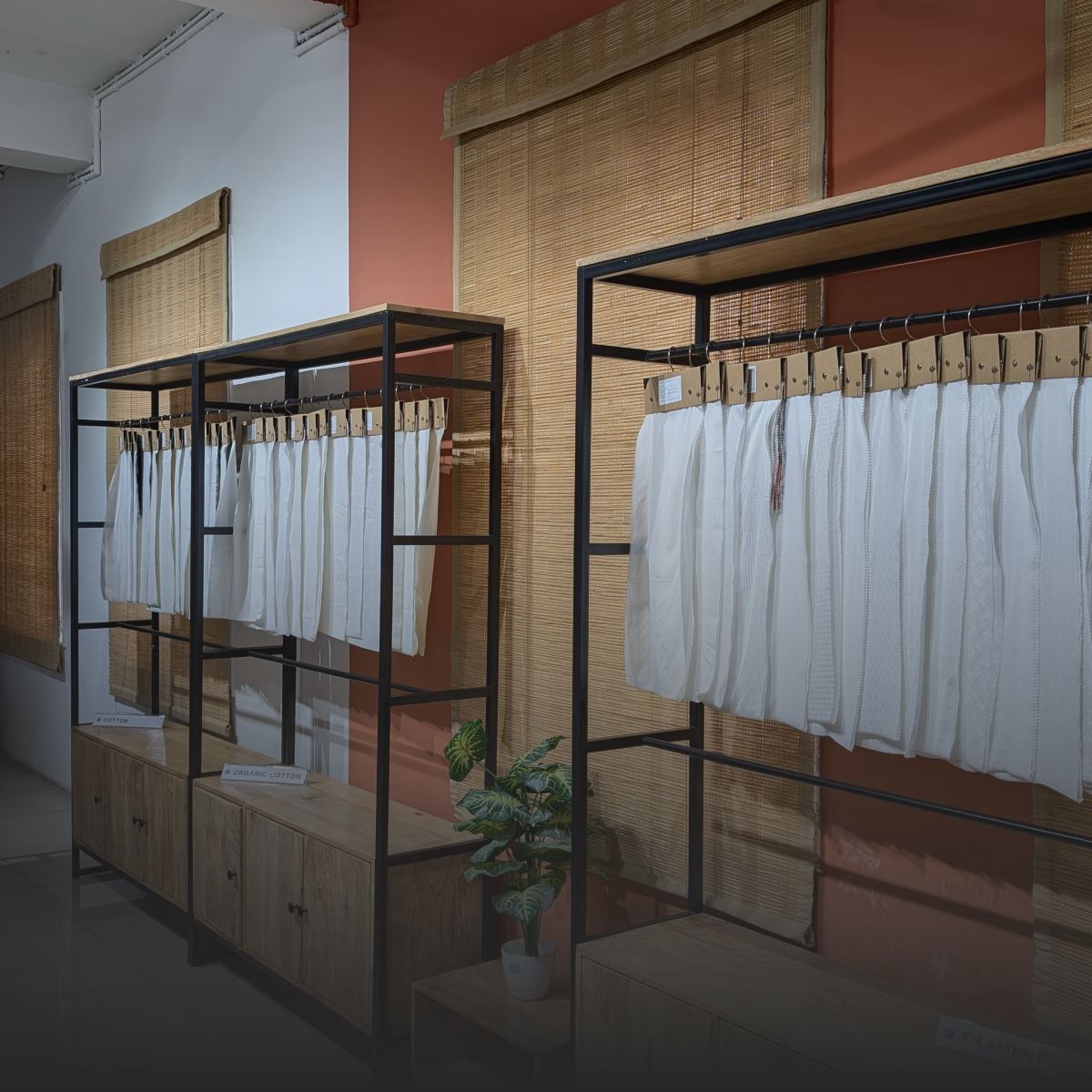
3. Do You Handle Fabric Sourcing In-House or Expect Buyer-Nominated Fabric?
Fabric sourcing is one of the highest cost and quality variables in garment manufacturing. Brands should find out if the manufacturer can help them find fabric or if they need to provide their own. Some crucial questions are:
- Do you source greige, RFD, dyed, and printed fabrics?
- Are fabrics sourced from audited mills?
- Can fabric specifications be locked for repeat orders?
An integrated model, such as Fabriclore, that combines fabric sourcing and garment manufacturing reduces mismatches, delays, and communication gaps.

4. Can You Support Customization and Fabric Development?
Bulk production often requires more than standard fabrics. Brands need consistency in colour, GSM, hand-feel, and finish.
Ask about customization capabilities such as:
- Custom dyeing and shade matching.
- Digital or screen printing.
- GSM and weave control.
- Finish and surface treatment options.
Strong development skills among manufacturers help brands keep product consistency across seasons, which is very important for private labels and international collections.
5. What Is Your Sampling and Pre-Production Process?
Before starting mass production, brands should have a good idea of how the sampling process works. Ask the manufacturer:
- How many sampling rounds are included?
- Do you offer fit samples, size sets, and pre-production samples?
- How are approvals documented before bulk cutting?
A simple sampling method makes sure that the large-scale production meets the required standards. This is very important when working with a private label clothing manufacturer, because the brand, fit, and finish must all be exactly what the original vision was.
6. What Quality Control Systems Are in Place During Bulk Production?
Quality control shouldn't just happen at the end of the process. Brands should find out how quality is checked at every stage of production. Some vital quality checks are:
- Fabric inspection before cutting.
- In-line stitching and construction checks.
- Measurement and size consistency audits.
- Final inspection before packing.
A reputable garment and clothing manufacturer uses structured quality checks to cut down on rework, rejections, and shipping delays.
7. What Are Your Lead Times for Bulk Orders?
Lead time changes launch dates, store commitments, and plans for cash flow. Brands should ask for realistic timelines instead of overly optimistic ones. Explain:
- Production lead time after final approval.
- Additional time for custom fabrics or prints.
- Buffer periods for delays.
- Shipping and dispatch timelines.
When manufacturers have precise planning, they help brands make sure that their marketing, sales, and inventory plans are in line with how things are actually made.

8. How Do You Price Bulk Orders and What Is Included?
It's necessary to know the costs before confirming a large order. Brands should ask for a detailed breakdown of costs instead of just one price per piece. Find out what the price includes:
- Fabric cost.
- Cutting and sewing.
- Trims, labels, and packaging.
- Finishing and packing.
- Quality checks.
This makes it easier for brands to compare suppliers fairly and avoid surprises later on.
9. Are You Compliant With Ethical and Environmental Standards?
Compliance protects both brand reputation and long-term business sustainability. Brands should ask about labor practices and environmental responsibility.
Key areas to confirm:
- Fair wages and safe working conditions.
- Waste management and low-impact processes.
- Availability of eco-certified fabrics.
- Transparency in sourcing and production.
Working with an eco-friendly clothing manufacturer helps brands meet market expectations and regulatory requirements without compromising quality.
10. Can You Support Branding and Private Label Requirements?
For many brands, bulk production includes private labelling and branding.
Ask whether the manufacturer supports:
- Custom woven or printed labels.
- Hang tags and branded trims.
- Eco-friendly packaging options.
- White-label and cut-and-sew services.
When a manufacturer knows how to handle branding, labels can keep their identity across all production runs.
11. How Do You Handle Production Scaling and Repeat Orders?
Making a lot of something is rarely a one-time thing. Brands should check to see if the manufacturer can handle growth in the future. Some crucial questions are:
- Can the same fabric and construction be repeated?
- How do you manage reorders and continuity?
- Is production capacity scalable as volumes grow?
A wholesale clothing manufacturer that supports repeatability will keep costs low and operations stable over the long term.
12. What Happens If There Are Delays or Quality Issues?
No production process is entirely risk-free. Brands should understand how the manufacturer handles issues when they arise.
Ask about:
- Communication protocols during delays.
- Resolution process for defects.
- Replacement or rework policies.
- Documentation and accountability.
Clear policies reduce uncertainty and help brands manage risks professionally.

Why Fabriclore Fits Bulk Production Needs for Modern Brands
Fabriclore is an end-to-end apparel sourcing and manufacturing platform with over 10 years of experience supporting fashion brands globally.
More than 500 international brands trust this platform for their services. It was made for brands that need clarity, flexibility, and control while making a lot of things at once. Fabriclore works with:
- Clothes for men, women, children, and make-up.
- Low MOQ: Starting at 300 meters and 50 pieces of each size, you can make a lot of things.
- Fabric sourcing was merged from the grey to the printed stages.
- Custom printing, dying, and development help.
- Clear schedules for production and quality checks.
Fabriclore makes the process of sourcing fabrics, making samples, and mass production easier by combining them all into one system. This helps brands move more quickly from approval of the design to delivery.
Fabric Categories and Catalogue Support
Fabriclore can be used for a wide range of clothing types, so that it can meet the needs of a wide range of brands:
Because this covers so many categories, brands can work with just one partner to source and manufacture their products, rather than managing multiple factories.
Bulk Production With Quality Control and Logistics Support
When bulk production begins, Fabriclore follows a structured process:
- Final sample approval before cutting.
- Fabric inspection and cutting checks.
- In-line quality audits during stitching.
- Final inspection before packing.
- Support for labelling, packaging, and global shipping.
Production times usually start at 30 days, but this depends on the garment's complexity and the type of fabric required.

Final Thoughts: Choosing the Right Manufacturer for Bulk Production
The process of choosing a garment manufacturer for bulk production should never be rushed. If brands ask the right questions before collaborating with a garment factory, they can find out if a supplier really fits with their quality standards, growth plans, and operational needs. Long-term value goes beyond price when a manufacturer offers open communication, integrated fabric sourcing, flexible MOQs, ethical practices, and repeat reliability. Fabriclore is a good choice for brands that want a structured, scalable, and production-ready partner because it helps them grow without putting them at unnecessary risk.
FAQ’s
What Should I Ask Before Finalizing A Garment Manufacturer For Bulk Production?
To reduce risk and ensure smooth execution, brands should clarify operational, technical, and commercial details before confirming a garment manufacturer for bulk production. Using the right questions helps set expectations and avoid costly delays.
Key points to confirm include:
- Minimum order quantities (MOQs) for bulk and repeat orders.
- Fabric sourcing capabilities and material consistency.
- Customization options for fit, prints, and finishes.
- Quality control systems during production.
- Lead times, delivery schedules, and reordering support.
These questions help brands choose a reliable Garment Manufacturer for long-term scalability.
Why Is Fabric Sourcing Important In Bulk Garment Manufacturing?
Fabric sourcing impacts garment cost, fit, durability, and repeatability. Even minor fabric variations can affect the quality of bulk manufacturing.
Working with an integrated Garment & Clothing Manufacturer benefits brands:
- Consistent fabric quality across production batches.
- Better cost control through mill-direct sourcing.
- Reduced delays caused by third-party fabric suppliers.
- Improved colour, GSM, and finish accuracy.
Strong fabric sourcing is necessary for low-cost production that doesn't skimp on quality.
Can Small Clothing Brands Place Bulk Orders With Low Moq Manufacturers?
Yes. Many modern manufacturers offer bulk production with low MOQs, making international manufacturing accessible to startups and emerging labels. This method lets brands test demand without risking inventory.
Low MOQ production helps brands:
- Launch collections without overstocking.
- Maintain healthier cash flow.
- Scale gradually based on sales performance.
Choosing a custom apparel manufacturer with low MOQ is especially beneficial for new and growing fashion businesses.
How Can Brands Ensure Quality During Bulk Garment Production?
From pre-production to packing, quality control is ongoing. Brands should work with bulk cycle manufacturers that have structured approval and inspection processes.
Adequate quality assurance includes:
- Approved pre-production samples.
- In-line stitching and measurement checks.
- Fabric inspection before cutting.
- Final audits before shipment.
Working with an experienced wholesale clothing manufacturer helps brands maintain consistent quality at scale.
Is It Better To Work With One Integrated Garment Manufacturer Or Multiple Vendors?
Working with a single integrated manufacturing partner is generally more efficient than coordinating multiple vendors. Integrated systems reduce communication gaps and simplify production management.
An integrated Private Label Clothing Manufacturer can:
- Handle fabric sourcing and garment production together.
- Reduce sampling and production errors.
- Shorten lead times.
- Improve cost transparency.
This approach is ideal for brands seeking reliable, eco-friendly, and scalable apparel production.
We also happen to be a magnet for suggestions, and would love to catch yours….throw us yours on hello@fabriclore.com
Learn, Create & Grow with us 

Also Read Related Blogs:
1. Top Garment Buying Houses in India
2. Global Garment Manufacturing Solutions for Fashion Brands
3. How to Manage Inventory and Logistics in Garment Manufacturing
4. Low MOQ Garment Manufacturing Simplified in the USA
5. How To Scale Garment Manufacturing Without Losing Quality


