
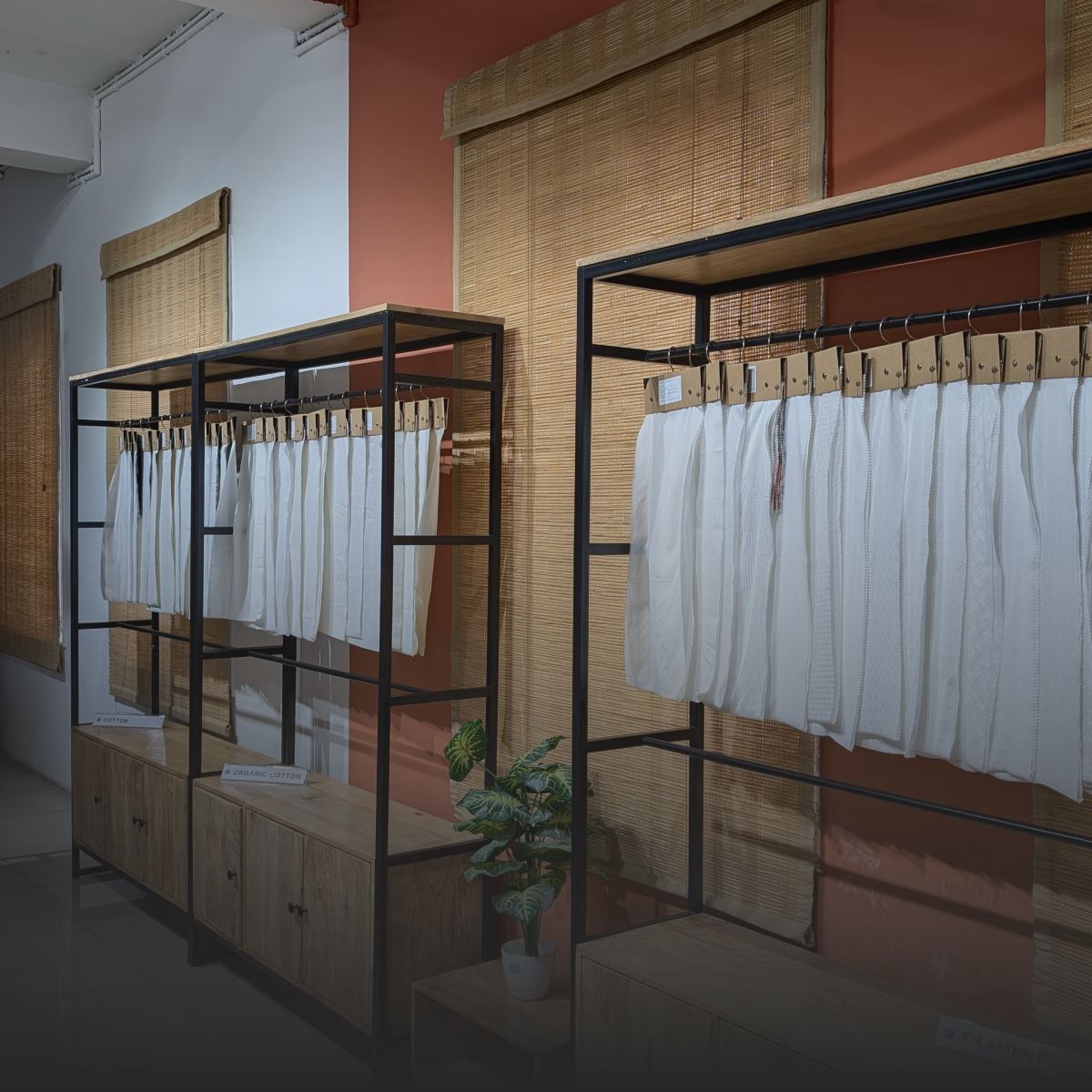

Sustainability is now essential in the global textile and fashion industry. Brands, designers, sourcing managers, and retailers now check sustainable fabric certifications before choosing materials for clothing production. Certifications confirm environmental practices, fibre sources, chemical safety, and fair labour conditions in the textile supply chain.
Certifications like GOTS, OEKO-TEX, and LIVA are key in sustainable textile sourcing. These certifications offer global verification that fabrics meet standards for organic production, chemical safety, and responsible fibre manufacturing.
Fashion businesses sourcing fabrics worldwide need to understand these certifications to create transparent, responsible, and future-ready supply chains.
This article details these certifications and shows how they aid sustainable textile production.
Why Sustainable Fabric Certifications Matter in Textile Sourcing
The modern clothing production chain is complicated and has many steps:
- Fiber cultivation or raw material extraction.
- Yarn production.
- Fabric weaving or knitting.
- Dyeing and finishing.
- Garment manufacturing.
It's hard to tell if fabrics are really sustainable or made responsibly without standardised verification methods.
Sustainable textile certificates are an external way to make sure that fabrics meet certain social and environmental standards.
These labels are good for fashion brands because they:
- Check for responsible textile sourcing.
- Minimize environmental impact during production.
- Use chemicals safely in fabrics.
- Build trust in sustainable fashion markets.
Certified fabrics are becoming more and more of a strategic sourcing requirement rather than a marketing claim for clothing companies that want to sell to eco-friendly customers.

Key Sustainable Fabric Certifications in the Textile Industry
The textile business has several certification systems, but three of them come up a lot when people talk about sustainable sourcing:
- GOTS (Global Organic Textile Standard).
- OEKO-TEX certification system.
- LIVA fiber sustainability program.
Each grade looks at a different part of how sustainable textiles are.
1. GOTS (Global Organic Textile Standard)
Plenty of people agree that the Global Organic Textile Standard (GOTS) is one of the most important labels for organic textiles. It sets very strict social and environmental standards for clothes made from organic fibres.
GOTS checks the entire textile supply chain, which includes processing, manufacturing, labelling, and distributing organic fabrics. This is different from other certifications that only check raw materials.
This means that a cloth item that says GOTS certified has been checked at several stages of production.
Key Requirements of GOTS Certification
To qualify for GOTS certification, textiles must meet specific criteria related to fiber content, environmental impact, and social responsibility.
Organic Fiber Content
GOTS says that a cloth product must contain at least a certain amount of organic fibre:
- For the label that says made with organic materials, it must say at least 70% certified organic fibres.
- Products that say they are organic must have at least 95% organic fibre content.
Some common GOTS-certified fibres are:
- Organic cotton.
- Organic wool.
- Organic silk.
- Organic hemp.
Environmental Processing Standards
As part of GOTS, strict environmental rules are put in place for processing textiles.
Some of these rules are:
- Limits on toxins that are dangerous.
- Limits on heavy metals and colours that are harmful.
- Needs for treating wastewater.
- Safe ways to handle chemicals.
These environmental controls cut down on pollution in the cloth industry.
Social Compliance Standards
GOTS also has strict rules about social duty.
Certified sites must follow rules about workers, such as:
- A safe place to work.
- Against letting kids work.
- Pay and hours that are fair.
GOTS is one of the most comprehensive sustainability certifications in the textile industry because it meets both environmental and social standards.
Why GOTS Matters for Fashion Brands
GOTS approval is good for clothing brands in several ways:
- Verified sources for organic textiles.
- Clearness in the supply chain.
- Following the rules for world sustainability.
- reputation in markets for sustainable fashion.
Because GOTS covers the whole production line, you can be sure that the textiles you buy are ethical and good for the environment.
2. OEKO-TEX Certification
The main focus of the OEKO-TEX certification system is on textile safety and chemical testing.
OEKO-TEX STANDARD 100 is the most well-known certification in this system. It shows that textiles have been checked for harmful substances.
This approval covers every part of a textile product, such as:
- Fabrics.
- Threads.
- Buttons.
- Zippers.
- Trims.
Before approval is given, chemical safety tests must be passed on every part.
Chemical Safety Testing in OEKO-TEX
OEKO-TEX checks fabrics for a long list of chemicals that are bad for people's health.
Some things that may be tested are:
- AZO dyes.
- Heavy metals.
- Formaldehyde.
- Pesticides.
- Allergenic chemicals.
To make sure textiles are safe for people to touch, more than 1,000 harmful substances are evaluated.
This is especially important for fabrics that are used to make things like
- Clothing worn directly on the skin.
- Baby garments.
- Home textiles.
- Bedding and upholstery.
Other OEKO-TEX Certifications
The OEKO-TEX system has more approval programs than just STANDARD 100.
MADE IN GREEN by OEKO-TEX
This label verifies that products are:
- Tested for harmful substances.
- Produced in environmentally responsible facilities.
- Manufactured under safe labor conditions.
Step by OEKO-TEX
This certification checks that all sites use environmentally friendly ways to make textiles.
Why OEKO-TEX Matters for Apparel Brands
OEKO-TEX approval helps clothing companies make sure that fabrics meet strict rules about chemical safety.
OEKO-TEX certified fabrics give buyers and creators peace of mind that the materials are safe for people to use and follow international chemical rules.

3. LIVA Fiber Sustainability Program
Viscose-based fabrics can use the LIVA name, which was created by Birla Cellulose (Aditya Birla Group).
Cellulosic fibers derived from natural wood pulp from forests that are managed in a way that doesn't harm the environment are used to make these fabrics.
LIVA fibers are commonly used to make clothes because they offer:
- Soft drape.
- Breathability.
- Comfort for everyday garments.
Sustainability Principles Behind LIVA
The LIVA program stresses responsible sourcing and being able to track where viscose fibers come from when they are made.
Important factors of sustainability are:
Responsible Forestry: The wood pulp that is used to make LIVA fibers comes from forests that follow standards for sustainable forestry and good forestry practices.
Like LIVA Eco fibers, which get their pulp from trees that have been approved by the Forest Stewardship Council (FSC).
Traceable Supply Chain: There are tools built into LIVA fibers that can track the fiber's path from raw material to finished textile.
Molecular tracers and blockchain-based tracking systems are used by some goods to prove where the fiber came from.
Environmentally Responsible Manufacturing: The creation of LIVA fiber follows environmental management systems that are meant to cut down on chemical use and resource consumption.
These efforts to be more environmentally friendly help make viscose production less harmful to the environment.
Why LIVA Matters for Sustainable Fashion
Viscose is used a lot in modern clothing because it is soft and easy to drape. But the old way of making viscose has caused environmental problems in the past.
These problems are meant to be fixed by programs like LIVA by encouraging
- Responsible forestry sourcing.
- Improved traceability in viscose supply chains.
- Sustainable fiber manufacturing practices.
Comparing GOTS, OEKO-TEX, and LIVA
In the textile supply line, each certification is used for a different thing.
|
Certification |
Focus Area |
Fiber Type |
Coverage |
|
GOTS |
Organic textile production |
Natural fibers |
Entire supply chain |
|
OEKO-TEX |
Chemical safety |
All fiber types |
Product testing |
|
LIVA |
Responsible viscose production |
Man-made cellulosic fibers |
Fiber sourcing and manufacturing |
Most of the time, materials may have more than one certification.
As an example:
- Fabrics made from organic cotton can be certified by both GOTS and OEKO-TEX.
- LIVA + OEKO-TEX certification can be given to viscose cloth.
How Brands Use Fabric Certifications Strategically
Certifications are being used more and more by fashion brands to boost their sustainability positioning.
These are some common strategies:
- Sustainable Material Claims: Certifications are a good way to show that marketing is eco-friendly.
- Supply Chain Transparency: Certified sellers offer paperwork that can be tracked.
- Compliance With Global Retail Standards: To follow sustainability rules, big stores need materials that have been approved.
- Consumer Trust: Customers who care about the environment actively look for certification signs before they buy.
Challenges With Fabric Certifications
Certifications are important, but they're not perfect.
1. Cost for Manufacturers: The steps needed to get certified can be pricey, especially for small mills.
2. Limited Awareness: Many brands still don't know what each approval really means.
3. Greenwashing Risks: Some businesses use certification marks in their marketing in the wrong way, without checking the whole supply chain.
This is why brands need to work with trusted sourcing partners that can show real paperwork.

How Fabric Sourcing Platforms Support Certified Fabrics
Professional sourcing platforms like Fabriclore connect brands with verified textile mills, making it easier for them to get approved fabrics.
Fabric suppliers you can trust usually offer:
- Certification documentation.
- Digital fabric catalogs.
- Swatch sampling services.
- Custom dyeing and printing.
- Low MOQ production options.
This way, fashion brands and creators can use eco-friendly fabrics without having to deal with complicated supplier networks.
The Future of Sustainable Textile Certification
More open and tech-driven certification systems are becoming more common in the textile business.
These are some new trends:
- Digital supply chain tracking.
- Blockchain-based certification verification.
- Carbon footprint measurement.
- Circular textile standards.
As rules around the world get stricter on sustainability, approved fabrics will become a core requirement rather than a niche feature.
Conclusion
Verification is an important part of the global fashion supply chain, and sustainable textile standards do just that. Certifications like GOTS, OEKO-TEX, and LIVA cover important aspects of sustainability, like making organic fibers, making sure chemicals are safe, and making sure viscose is made responsibly.
Clothing companies that buy certified materials support responsible production, make the supply chain clearer, and gain the trust of eco-friendly customers.
As sustainability standards change, knowing about these certifications helps fashion companies make smart choices about where to get their materials and how to make their clothes in a way that fits with global sustainability goals.
FAQ’s
1. What Does GOTS Certification Guarantee?
GOTS certification makes sure that fabrics are made with certified organic fibers and are processed in a way that meets strict social and environmental standards all along the supply chain.
2. What Is The Difference Between GOTS And OEKO-TEX?
GOTS works on making organic textiles and making sure the whole supply chain is sustainable. OEKO-TEX, on the other hand, checks textiles for harmful substances to make sure they are safe for consumers.
3. What Types Of Products Can Receive GOTS Certification?
Fiber items, yarns, fabrics, clothing, home textiles, and other textiles made with at least 70% organic fibers are certified by GOTS.
4. What Does OEKO-TEX Standard 100 Certify?
OEKO-TEX Standard 100 makes sure that textiles have been checked for dangerous substances and meet strict rules for chemical safety.
5. What Is Liva Fiber Used For?
LIVA fibers are used to make viscose-based fabrics for clothes like dresses, shirts, and draped clothes. They offer better fiber sourcing and traceability.
We also happen to be a magnet for suggestions, and would love to catch yours….throw us yours on hello@fabriclore.com
Learn, Create & Grow with us 

Also Read:
1. Fabric Selection Guide for Sustainable Summer Clothing
2. Sustainable Fabric Options for the US Fashion Market
3. What Are Some Platforms Offering Sustainable Fabric Sourcing


