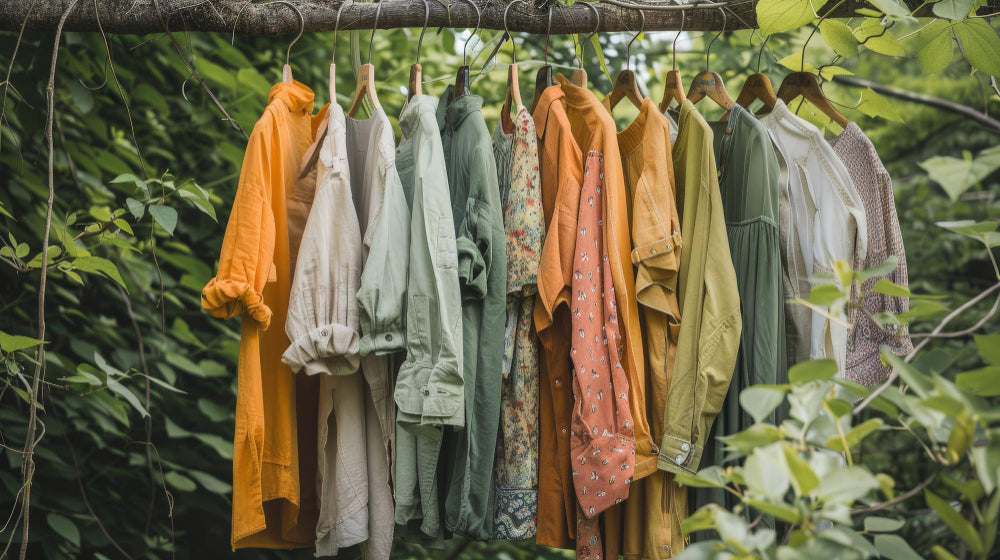
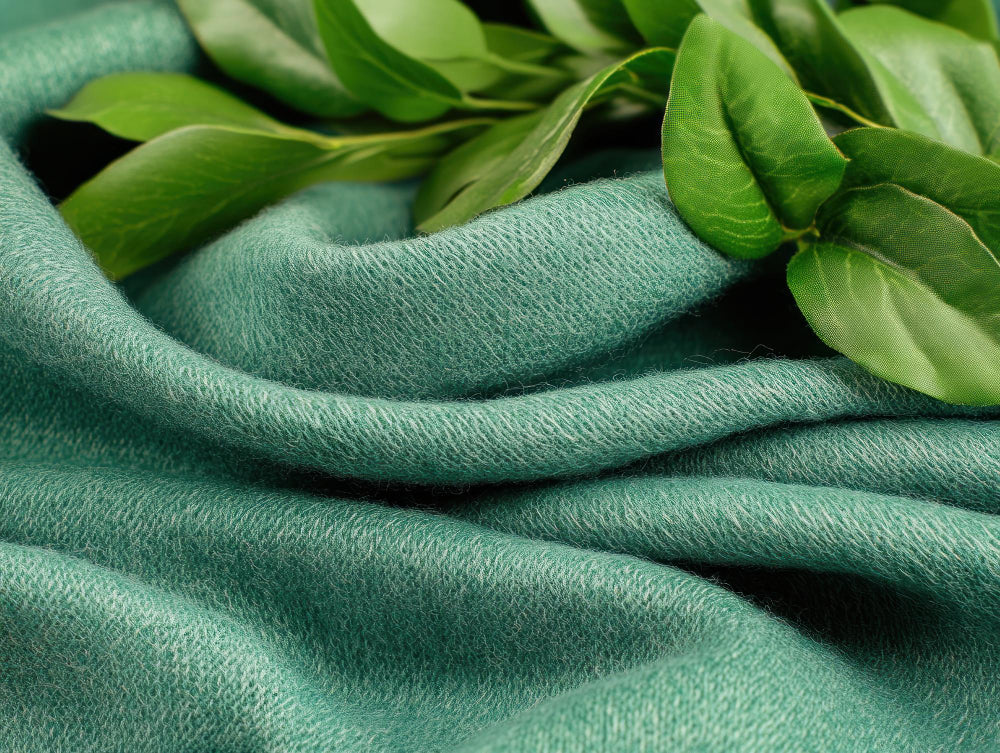
As customers become more concerned about honesty and environmental care, the demand for sustainable fabrics for summer apparel is growing rapidly across all fashion markets worldwide. Brands are looking for eco-friendly summer fabrics, breathable, sustainable textiles, and low-impact fabric sourcing solutions that support both large-scale production and performance in harsh climates.
Summer clothes need to keep you cool, soak up sweat, and keep their light flow while using less water, chemicals, and carbon. Choosing the right sustainable fabric for hot weather clothing has a direct effect on how comfortable the clothes are, how long they last, and how the brand positions itself in the long run in a competitive market.
This guide will teach you about fiber science, how fabrics work, how to find them, and how to make sustainable summer collections that can be used by many people.
What Makes a Fabric Sustainable for Summer Clothing?
Just because a cloth comes from nature doesn't mean it is sustainable. For sustainability to really work,
- Responsible fibre cultivation.
- Reduced environmental footprint.
- Processing systems with a closed loop.
- Dyeing with low effect.
- Long-term longevity of clothing.
- Degradability at the end of its life.
For summer clothes, textiles must deliver:
- High airflow.
- Moisture regulation.
- Comfortable drape.
- Controlled transparency at lower GSM.
- Stability in humid climates.
When brands are looking for the best sustainable fabrics for summer clothing brands, they need to look at both how the fabric affects the world and how well it works with the garment.

Best Sustainable Fabrics for Summer Apparel Brands
Best Sustainable Fabrics for Summer Apparel Brands are changing how modern clothing companies make designs for warmer weather. Today's eco-friendly brands seek materials that are environmentally friendly, durable, and that don't compromise performance or scalability. These materials can be anything from breathable plant-based fibers to closed-loop regenerated fabrics.
Linen (Flax Fibre)
One of the best textiles for protecting the environment is still sustainable linen fabric for summer clothes. When growing flax, you need a lot less water and chemicals than when growing regular cotton.
Linen offers:
- Excellent breathability.
- Natural hollow fibre structure for airflow.
- High durability.
- Biodegradable composition.
It does really well in markets for vacation wear, loose tailoring, and warm climates.
Hemp Fabric
Numerous people are realizing that hemp is one of the best plant fibers for the earth. It grows quickly, doesn't need many pesticides, and makes the land healthier.
Performance advantages include:
- Strong tensile strength.
- Natural UV resistance.
- Improved softness over time.
Hemp looks good in structured summer pants, utility shirts, and environmentally friendly capsule designs.
Regenerative & Organic Cotton
The number of people searching for organic cotton fabric for eco-friendly summer clothes keeps going up around the world. Regenerative cotton goes even further by improving the health of the land and protecting wildlife.
Cotton is still good for business because it offers:
- Breathability.
- Soft hand feel.
- Versatility across weaves.
- Adaptability for digital printing and screen printing.
For summer clothing, light, airy poplin and voile fabrics usually fall within the flexible GSM range.
Tencel™ (Lyocell)
TencelTM is one of the most-searched eco-friendly fabrics for summer clothes. It is made using a closed-loop solvent method that reuses chemicals used in the production process.
Key benefits:
- Superior moisture management.
- Smooth, fluid drape.
- High strength even at lower GSM.
- Biodegradable fibre composition.
It's used a lot in high-end summer dresses, modern suits, and soft weaving shirts.
Bamboo Lyocell (Closed-Loop Processed)
Not all bamboo materials last long. But bamboo lyocell, which is handled in an environmentally friendly way, offers softness that lets air flow and reduces pollution.
Suitable for:
- Lightweight tops.
- Summer loungewear.
- Layered silhouettes.
Cupro (Bemberg)
Cotton linter, a byproduct of cotton production, is used to make cupro. It has the flow of silk but is made from plants.
People often use cupro for:
- Summer linings.
- Fluid dresses.
- Lightweight tailoring.
Ramie
Ramie is a lesser-known bast fiber that works well in wet environments. It doesn't grow mold and has a crisp structure, making it suitable for summer dresses and mixed shirting fabrics.

Sustainable Fabric Performance Comparison
|
Fabric |
Breathability |
Environmental Impact |
Ideal Summer GSM |
Best Application |
|
Linen |
Excellent |
Very Low |
120–180 GSM |
Resort & tailoring |
|
Hemp |
High |
Very Low |
140–200 GSM |
Structured garments |
|
Organic Cotton |
High |
Moderate-Low |
100–160 GSM |
Everyday apparel |
|
Tencel™ |
Very High |
Low |
110–170 GSM |
Fluid garments |
|
Cupro |
High |
Low |
100–150 GSM |
Lightweight luxury |
This organized comparison helps brands that are looking for a sustainable summer fabric sourcing guide choose the right materials.
Fabric Weight & Breathability in Summer Collections
It is essential to look at sustainable woven fabrics for summer apparel in terms of GSM (grams per square metre). Choose the right GSM to improve airflow, control moisture, opacity, drape, and clothes comfort in warm climates.
Fabrics for most breathable summer collections lie within the 90–170 GSM range, depending on garment type, weave structure, and end-use demands. Lightweight comfort and structural stability ensure sustainability without sacrificing durability or wearability.
Considerations for summer fabric weight include:
- 90–130 GSM: For dresses, blouses, and vacation wear that need to breathe a lot on hot days.
- 130–170 GSM: It works well for structured shirts, matching sets, and light pants that need to be more opaque and last longer.
- Lower GSM improves airflow, but it may also make things more see-through and shorten their lives.
- Higher GSM improves the structure, but if the weave is thick, it can make it harder for air to flow.
Picking the right cloth weight helps with both climate performance and following responsible production standards.
Sustainable Dyeing & Finishing Considerations
A lot of brands forget about the ending step. If harmful chemicals are used to dye fibers, even eco-friendly ones lose their trustworthiness.
A responsible summer show should have the following:
- Low-impact reactive dyes.
- AZO-free compliance.
- Water recycling systems.
- Enzyme-based finishing.
- Shade consistency validation.
Before ordering in bulk, brands seeking sustainable fabric wholesale suppliers should ensure these steps are taken.

Fabriclore: Sustainable Fabric Wholesale for Businesses Globally
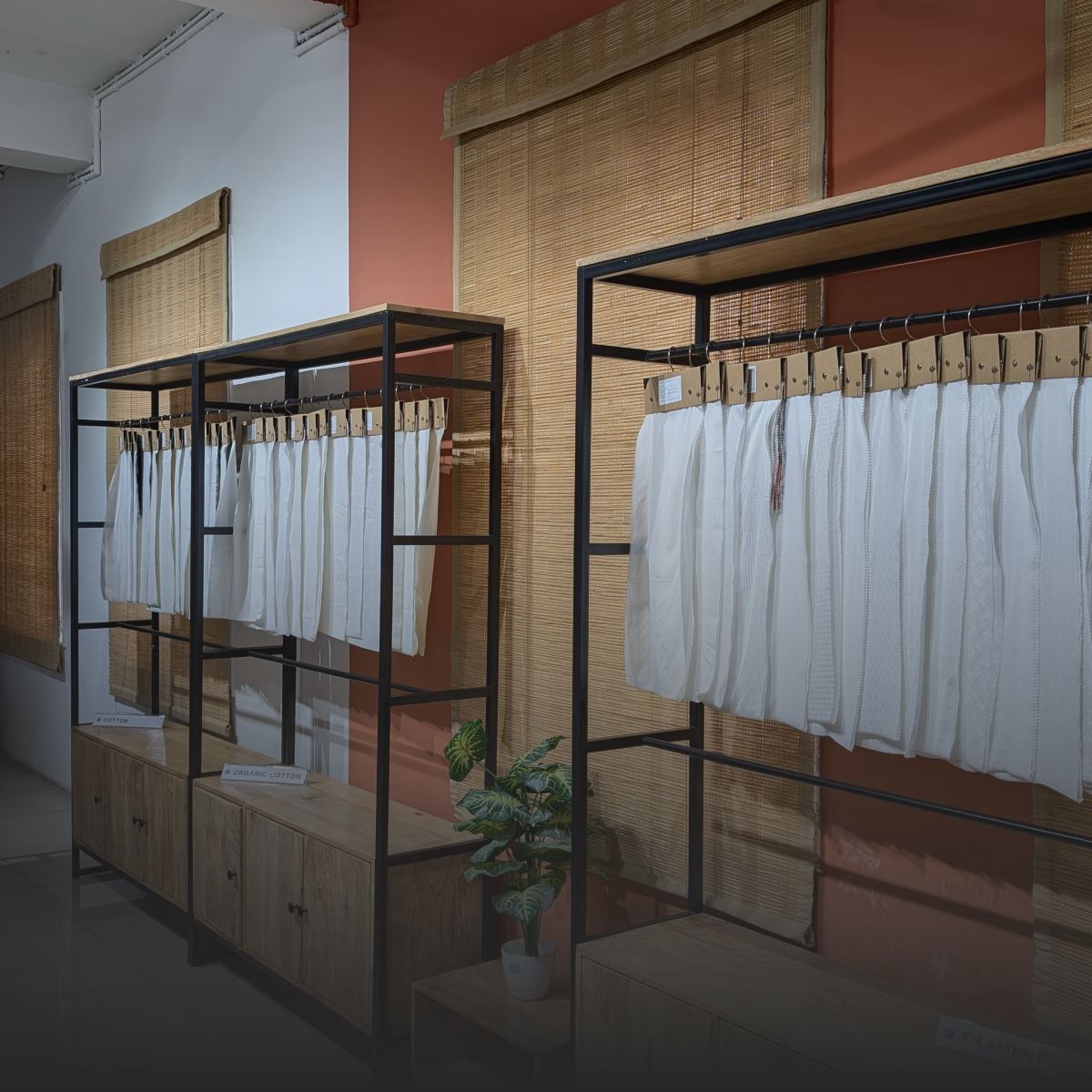
Fabriclore is a tech-enabled platform that is changing what it means for global clothing brands to buy sustainable fabric in bulk. Fabriclore helps new businesses, shops, and private labels around the world make the switch to eco-friendly summer collections. They have more than 10 years of experience finding fabrics, dyeing them, and printing on them.
Because the textile industry makes a lot of trash, switching to organic and sustainable fabrics like kala cotton, bamboo fiber, banana fiber, soybean fiber, and certified organic cotton can make a big difference in the world. Fabriclore lets brands use eco-friendly materials without limiting design options, cutting costs, or hindering growth.
Fabriclore offers:
- Greige & RFD fabrics for custom eco dyeing.
- Mill-dyed and digitally printed sustainable textiles.
- Unmatched wholesale pricing with the lowest MOQ.
- Customized design & printing solutions.
- 100% authentic fabric with full spec transparency (count, weave, construction, GSM).
- Fabric swatch sampling before bulk orders.
- On-time delivery with complete order transparency.
- Integrated garment manufacturing support.
Trusted by more than 500 fashion brands worldwide, Fabriclore brings together sustainability, affordability, and reliable output in a single, easy-to-use sourcing ecosystem.
Global Sustainable Summer Fabric Trends
Numerous buyers across North America, Europe, Australia, and emerging markets want breathable, eco-friendly summer fabrics.
Some important world changes are:
- Regenerative agriculture textiles.
- Circular production systems.
- Carbon footprint reporting.
- Transparent fibre traceability.
- Low MOQ sustainable fabric wholesale models.
When brands link sustainability to measurable performance data, they gain a stronger position in the global market.
Conclusion
Finding the right balance between protecting the environment and making clothes that work well in real life is what sustainable summer-apparel brands need to do going forward. Linen, hemp, regenerative cotton, TencelTM, cupro, and bamboo lyocell are all eco-friendly fabrics for summer clothing collections because they are comfortable, biodegradable, and adaptable to different climates.
But picking the right fiber is only one part of making products ethically. Brands must also consider fabric GSM for summer wear, low-impact dyeing methods, supply chain transparency, and sourcing models that can be scaled up. When you work with dependable, sustainable fabric wholesale suppliers, you can be sure of long-term growth, low MOQ flexibility, and stability.
The next wave of climate-conscious summer fashion will be led by clothing brands that combine breathable performance, measurable sustainability standards, and structured sourcing systems.
FAQs
1. What Are The Best Sustainable Fabrics For Summer Apparel Brands?
Linen, organic cotton, hemp, TencelTM (Lyocell), and cupro are some of the best sustainable fabrics for summer clothing. These materials are good for making clothes for hot weather because they breathe well, repel moisture, and break down naturally.
2. Which Eco-Friendly Fabrics Are Best For Hot And Humid Climates?
Breathable, eco-friendly summer fabrics like TencelTM and linen work really well in humid places because they keep sweat in check, improve airflow, and keep you comfortable even at lower GSM levels.
3. Are Sustainable Fabrics Cost-Effective For Fashion Brands?
Some sustainable textiles for apparel brands may have slightly higher raw material costs, but working with low-MOQ sustainable fabric sources and scalable sourcing platforms can help you get the best deals and reduce the risk of running out of stock.
4. How Can Apparel Brands Verify Sustainable Fabric Sourcing Claims?
Before committing to bulk wholesale orders of sustainable fabrics, brands should review certifications (GOTS, FSC, OEKO-TEX), request swatches, confirm dyeing methods, and assess the seller's transparency.
5. What GSM Is Ideal For Sustainable Summer Fabrics?
The ideal range for most breathable, sustainable summer apparel fabrics is 90-170 GSM. Dresses that aren't too heavy might need 90–130 GSM, while tailored shirts and pants do better with 130–170 GSM.
Learn, Create & Grow with us 

Also Read: Sustainable Fabrics for Summer Apparel Brands: The Smart, Stylish & Responsible Choice