
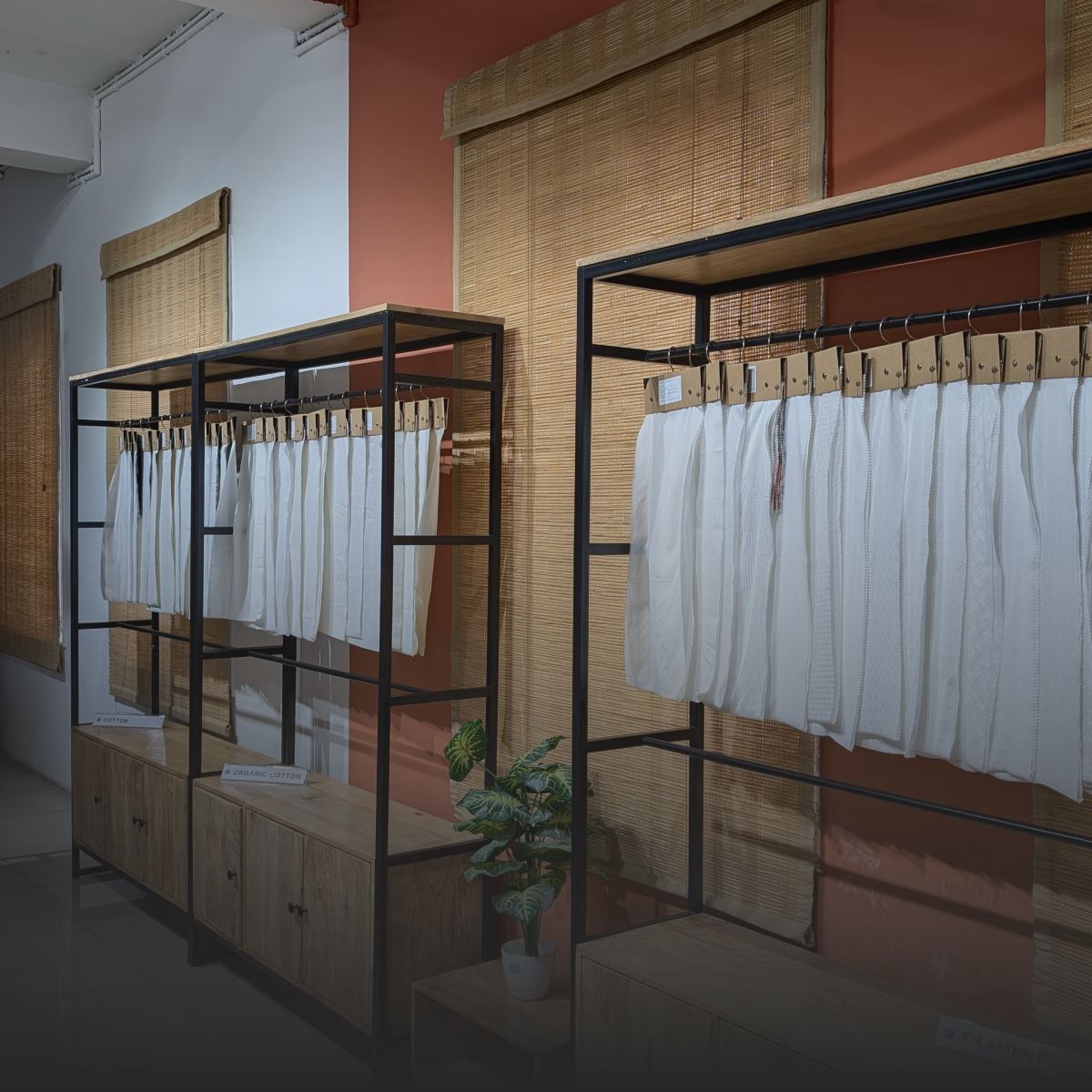
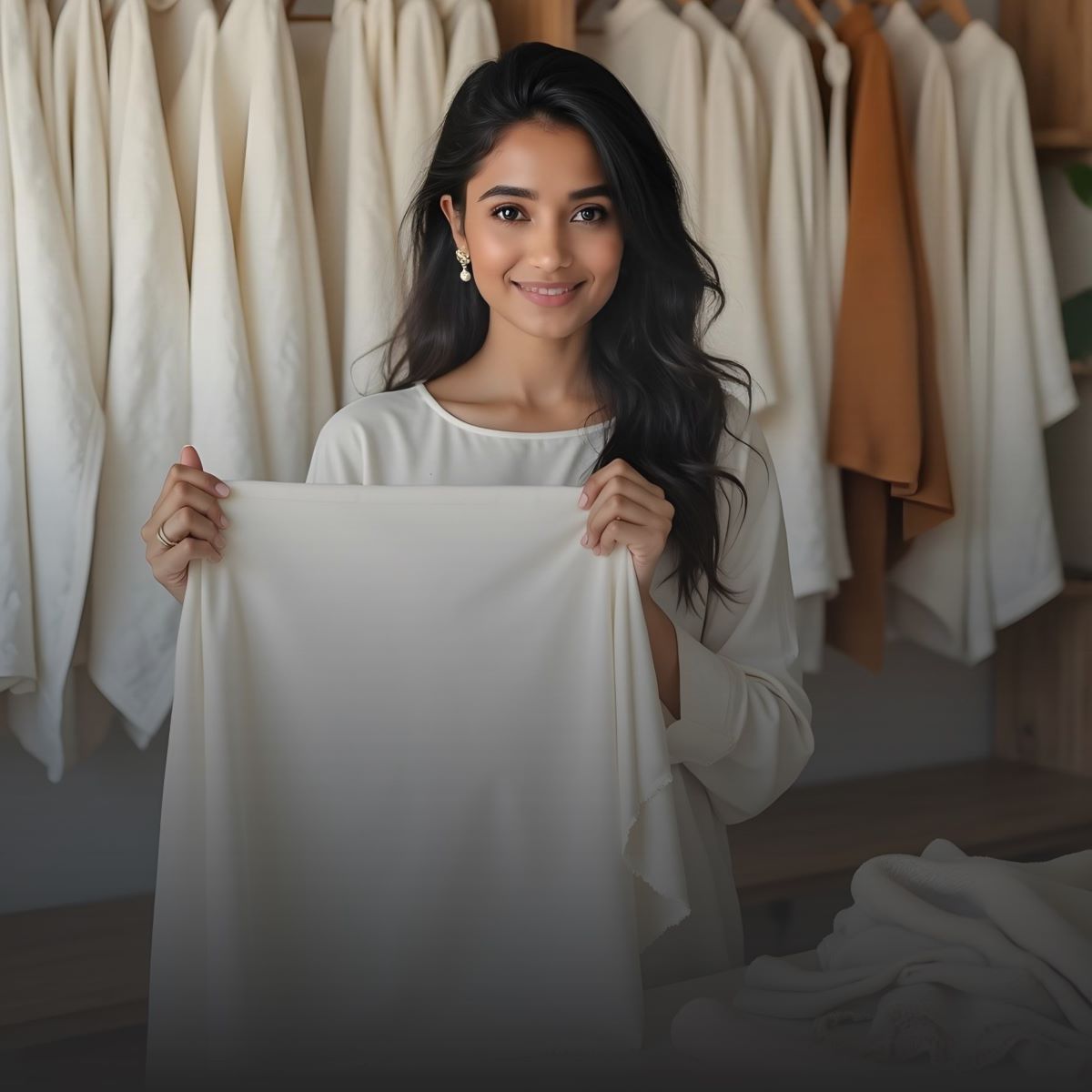

The weather, how people live, and what people expect all affect the choice of resortwear fabric in Australia and New Zealand. From the hot beaches of Queensland to the laid-back seaside life of New Zealand, resortwear has to withstand humidity, sun exposure, and extended wear while still feeling high-end and easy to wear.
Fabric choice is an important business decision for fashion brands and businesses in this area, not just an afterthought in design; that's why they search for reliable fabric wholesalers. It affects comfort, long-lasting, environmentally friendly, and long-term business value. As resortwear becomes year-round, brands use more natural, breathable, and widely available materials.
This article explores Australia and New Zealand's best resortwear fabric and how Fabriclore helps identify, transform, and produce large volumes of clothes safely.
Understanding Resortwear Needs in Australia & New Zealand
Residents in this area wear resortwear in real life, not in controlled settings. High UV exposure, seaside humidity, and moving between indoor and outdoor spaces are all factors designers need to consider. Fabrics that keep heat in or lose their shape quickly become less valuable.
Australian and New Zealand resortwear brands usually make clothes for:
- Warm to hot climates across extended seasons.
- Relaxed silhouettes with fluid movement.
- Day-to-night versatility.
- Sustainable choices about what to buy.
- Easy to pack and take with you when you travel.
These rules have a big impact on fabric choices because they force brands to use natural and partly natural fibers.

Why Fabric Choice Defines Resortwear Success
Before discussing specific fabrics, it's essential to understand why choosing the right fabric for resortwear is more critical than for many other types of clothing. Since resortwear is often worn next to the skin for long periods, it needs to be comfortable and breathable.
This is what a suitable fabric for resortwear should have:
- Natural airflow and moisture management.
- Soft on the hands without being irritating.
- Stability after being washed many times.
- Texture that doesn't feel heavy.
- Fits with a less strict building.
Since there aren't many local shops that sell clothes, many brands that need to buy clothes now use a platform for finding fabrics instead.
Best Fabrics for Resortwear in Australia & New Zealand
|
Fabric Type |
Key Performance Benefits |
Best Resortwear Applications |
Why Brands Prefer It |
|
Linen |
Highly breathable, natural cooling, quick-drying |
Shirts, dresses, kaftans, co-ords |
Performs best in hot, humid coastal climates |
|
Cotton |
Soft, breathable, skin-friendly |
Tops, casual dresses, kidswear, loungewear |
Versatile fabric suitable for repeat collections |
|
Organic Cotton |
Chemical-free, breathable, eco-certified |
Minimal resortwear, basics, everyday styles |
Meets sustainability expectations of ANZ consumers |
|
Viscose / LIVA Blends |
Fluid drape, lightweight, smooth feel |
Maxi dresses, wide-leg trousers |
Supports relaxed silhouettes and movement |
|
Modal / TENCEL |
Ultra-soft, moisture-wicking, breathable |
Premium resortwear, lounge sets |
Adds soft luxury to resort collections |
|
Synthetic Fabrics |
Low breathability, heat retention |
Limited use only |
Increasingly avoided due to comfort and sustainability concerns |

Linen: The Foundation of Resortwear in Coastal Climates
Many people think linen is the best fabric for resortwear in hot, humid places. The way it's structured and the behaviour of its fibres make it perfect for seaside areas in Australia and New Zealand.
Why Linen Performs So Well in Resortwear
Linen fibers are hollow, so air can continuously flow through them. This helps keep the body's temperature steady, even when it's hot for a long time. Linen, unlike many lightweight synthetics, gets more comfortable over time instead of getting worse.
For resortwear, linen can be used for the following:
- Relaxed shirts and tunics.
- Wrap dresses and kaftans.
- Resort trousers and co-ords.
- Lightweight outer layers.
Many designers who buy from wholesale fabric suppliers choose linen for its natural feel and simple beauty.
Sustainability Advantage of Linen
Linen fabric is one of the natural products that uses the fewest resources. It doesn't require as much water or chemicals to process as cotton does, which makes it appealing to brands in Oceania that care about responsible buying.
Cotton: The Most Versatile Resortwear Fabric
Cotton is still essential for resortwear collections because it can be worn in many ways and is always the same. Linen is more popular for high heatwear. Cotton works well for a wide range of clothing styles and price points.
Where Cotton Works Best in Resortwear
Cotton materials can be used for many styles and finishes, which makes them perfect for:
- Every day resort dresses.
- Lightweight shirts and tops.
- Kids resortwear.
- Lounge-to-beach transitions.
Fashion Brands and businesses that use cotton fabric highlight its softness and its ability to work well with skin, especially for everyday use.
Production Consistency and Repeatability
Cotton dyes consistently and allows for precise control of GSM (grams per square meter), which is essential for repeatable collections. Cotton reduces production risks for brands planning multiple drops or replenishment rounds.

Organic Cotton: Meeting Sustainability Expectations
Now, being environmentally friendly is more of a must than a brand statement. That's why organic cotton is becoming more popular in resortwear lines in Australia and New Zealand.
Companies that use organic cotton fabric can address customer concerns about the environment while still making products that are comfortable and useful.
For simple, clean resortwear styles, organic cotton works especially well.
Viscose and LIVA Blends for Fluid Resortwear
Because they drape well and are soft, cotton viscose fabrics are often used for loose resortwear. They're often used when smooth movement and visuals are more important than clear organization.
Some ways to use resortwear are:
- Maxi dresses.
- Wide-leg trousers.
- Statement tops.
Viscose blends can support both design flexibility and sustainability goals when sourced responsibly.
Modal and TENCEL for Soft Luxury Resortwear
High-end resortwear brands can use modal and TENCEL fabrics instead of traditional fibres because they are soft and allow air to flow through. Large amounts of these fabrics are used in high-end bar and resort mixes.
They are suitable for casual luxury designs aimed at health-conscious customers because they have a smooth finish and wick away sweat.
Why Synthetic Fabrics Are Losing Preference
When it comes to resortwear, synthetic materials don't work well because they keep heat in and don't let air flow through. People in Australia and New Zealand are staying away from polyester-heavy clothes more and more, especially in high-end stores.
Some worries we have every day are:
- Discomfort in humidity.
- Odour retention.
- Environmental scrutiny.
Because of this change, there is more demand for eco-friendly/sustainable fabrics that work naturally without using chemicals.

Design Trends Influencing Fabric Selection
Australia and New Zealand's resortwear design trends are affecting the market for specific fabrics. Designers are focused on comfortable fashion rather than overly flashy fashion.
Key Fabric-Driven Design Trends
Before we name them, it's important to remember that these trends are based on how they look on the runway, not in real life.
- Relaxed silhouettes with natural drapes.
- Earth-inspired colour palettes.
- Texture-led minimalism.
- Lightweight layering.
These styles, like linen, cotton, and blends, are made from responsibly sourced materials.
Fabric Sourcing Challenges for Resortwear Brands
Many brands struggle to find resortwear fabrics locally, even though demand is high. Flexibility is limited by a lack of range, inconsistent quality, and high minimums.
Because of this, designers are looking into fabric sourcing with low minimum order quantities, which lets them try out designs before making them bigger.
How Fabriclore Supports Resortwear Brands in Australia & New Zealand
Fabriclore is a global fabric sourcing platform that makes it easier for resortwear brands to buy fabric and make clothes. Fabriclore lets brands manage their whole supply chain from one reliable platform. They have over 10 years of experience in sourcing, dyeing, printing, and customizing fabrics.
Fabriclore is a dedicated fabric sourcing platform that helps resortwear brands find natural and eco-friendly fabric at every stage of their growth. Brands can be more flexible, consistent, and in control without having to work with many different vendors, from early sampling to mass production.
Fabric Sourcing and Customization Support
Fabriclore lets resortwear brands get fabrics at all the important stages of development, which makes sure that the design-to-production process goes smoothly:
- Greige fabrics: For product development and testing.
- RFD fabrics: For custom dye programs.
- Solid dyed fabrics: For bulk production.
- Digitally printed fabrics: For branding and seasonal stories.
Brands can keep creative control, lower costs, and change their collections to meet market demand thanks to this sourcing flexibility.
Apparel Manufacturing Integration
Beyond fabric sourcing, Fabriclore also operates as a custom apparel manufacturer, supporting brands from fabric selection through to finished garments. This integrated approach reduces delays, miscommunication, and sourcing risks.
Brands working with Fabriclore benefit from:
- Low MOQ apparel manufacturing.
- Repeatable quality across collections.
-
Export-ready production standards.
By combining fabric sourcing and clothing manufacturing, Fabriclore streamlines production for resortwear brands targeting Australia, New Zealand, and international markets.
Low MOQ Advantage for Resortwear Brands
Resortwear lines usually come out in more minor drops more often. When demand cycles are unclear, hefty minimums raise the risk.
Fabriclore offers low MOQ fabric sourcing, which lets you:
- Capsule collections.
- Market testing.
- Seasonal flexibility.
- Reduced inventory pressure.
This plan works really well for new brands and private labels sold worldwide.
Who Benefits Most From This Sourcing Model
This method works for many types of businesses, such as:
- Resortwear startups.
- Boutique labels.
- DTC brands.
- Sustainable fashion brands.
- International designers entering Oceania.
B2B fabric sourcing with global delivery is also helpful for brands because it gives them regular access, no matter where they are.

Final Outlook: The Future of Resortwear Fabrics in Oceania
In Australia and New Zealand, resortwear is becoming more comfortable, eco-friendly, and stylish. No longer are natural materials a choice. They are necessary to deal with the realities of climate change and meet customer demands.
Brands that do well will emphasize:
- Breathable natural materials.
- Responsible sourcing.
- Low-risk production models.
- Integrated sourcing and manufacturing.
Platforms like Fabriclore make this possible by combining different types of fabrics, customization, and output in a single system that can be scaled up.
FAQ’s
1. What Is the Best Fabric for Resortwear in Australia?
Many people in Australia think linen is the best fabric for resortwear because it performs so well in hot, coastal areas.
Why linen works best:
- Excellent breathability and airflow.
- Natural cooling effect in high humidity.
- Comfortable for all-day wear in warm weather.
- Develops softness and character.
Therefore, linen is ideal for dresses, shirts, co-ords, and casual vacation styles.
2. Why Do Resortwear Brands Use Cotton?
Cotton fabric is a mainstay of resortwear because it is comfortable, versatile, and easy to work with.
Key reasons brands choose cotton:
- Soft and skin-friendly for daily wear.
- Works across multiple categories like tops, dresses, and loungewear.
- Predictable dyeing and sizing for repeat production.
- Suitable for both premium and mid-market collections.
When it comes to seasonal and repeat drops, cotton helps brands stay consistent.
3. Are Sustainable Fabrics Important for Resortwear?
Yes. Sustainability is a big reason why people buy resortwear, especially in Australia and New Zealand.
Customers who buy resortwear are increasingly looking for:
- Breathable and biodegradable fabrics.
- Lower environmental impact during production.
- Responsible sourcing and ethical supply chains.
Using eco-friendly fabrics also helps brands meet long-term customer and government standards.
4. Can Small Resortwear Brands Source Fabrics With Low MOQ?
Yes. Fabriclore and other platforms offer low-MOQ fabric, helping new and small resortwear brands grow safely.
Low-MOQ sourcing helps brands:
- Try new designs without stock.
- Better cash flow management.
- Release limited-edition collections.
- Real demand drives production scale.
This method reduces risk and preserves professional fabric quality.
5. How Does Fabriclore Help Resortwear Brands?
Fabriclore helps resortwear brands by bringing together in one place the processes of sourcing fabrics, customizing clothes, and making them with low minimum order quantities.
Brands benefit from:
- Access to natural and sustainable fabrics.
- Greige, RFD, dyed, and printed fabric options.
- Custom dyeing and printing support.
- Low MOQ production suitable for resortwear drops.
With this integrated approach, brands can move from design to production more quickly while still changing their minds and saving money.
We also happen to be a magnet for suggestions, and would love to catch yours….throw us yours on hello@fabriclore.com
Learn, Create & Grow with us 

Also Read Related Blogs:
1. Choosing The Right Fabric For Resortwear: A Smart Sourcing Guide For Fashion Brands
2. Best Place to Find Linen Fabric in Australia
3. Best Place to Find Cotton Fabric in Australia


