
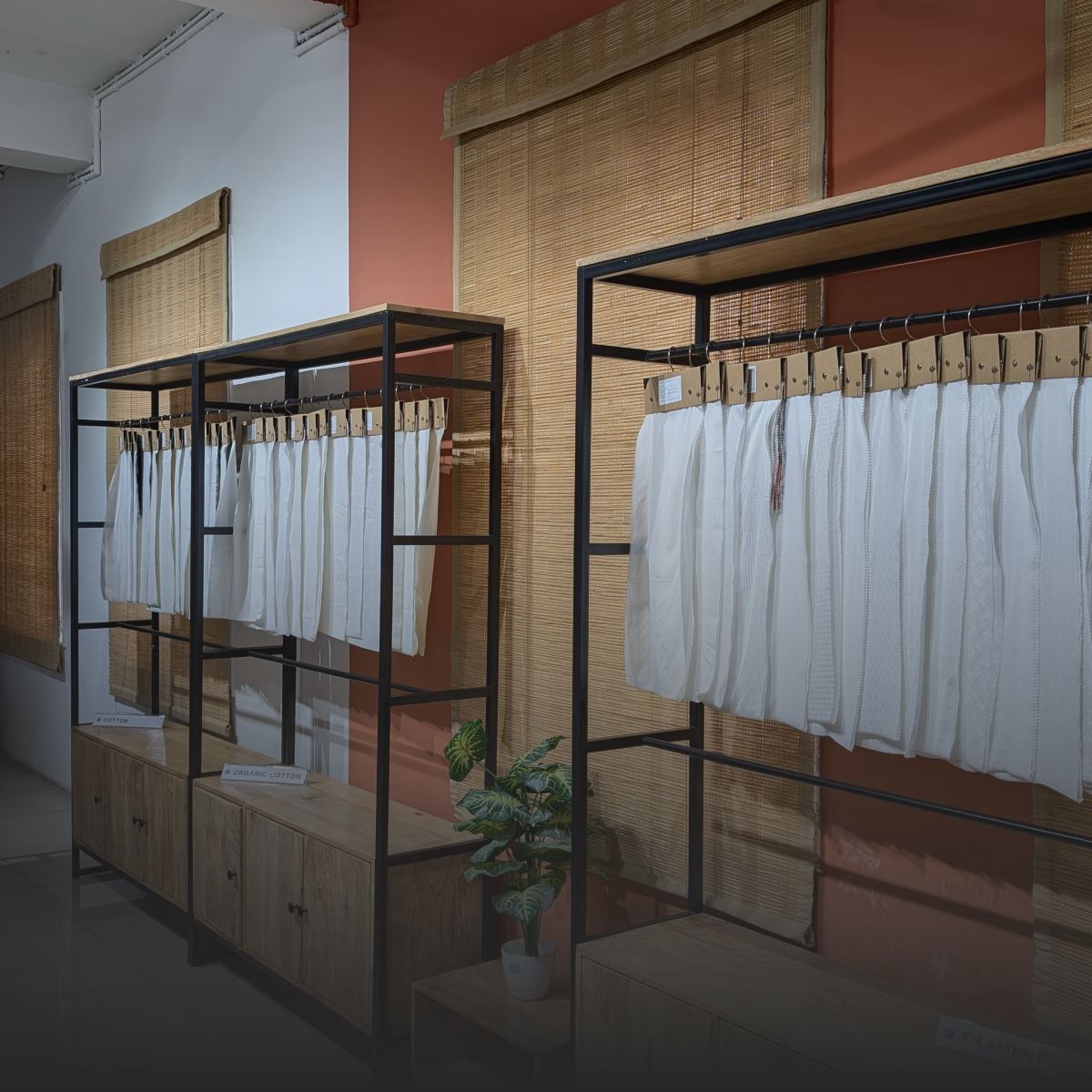
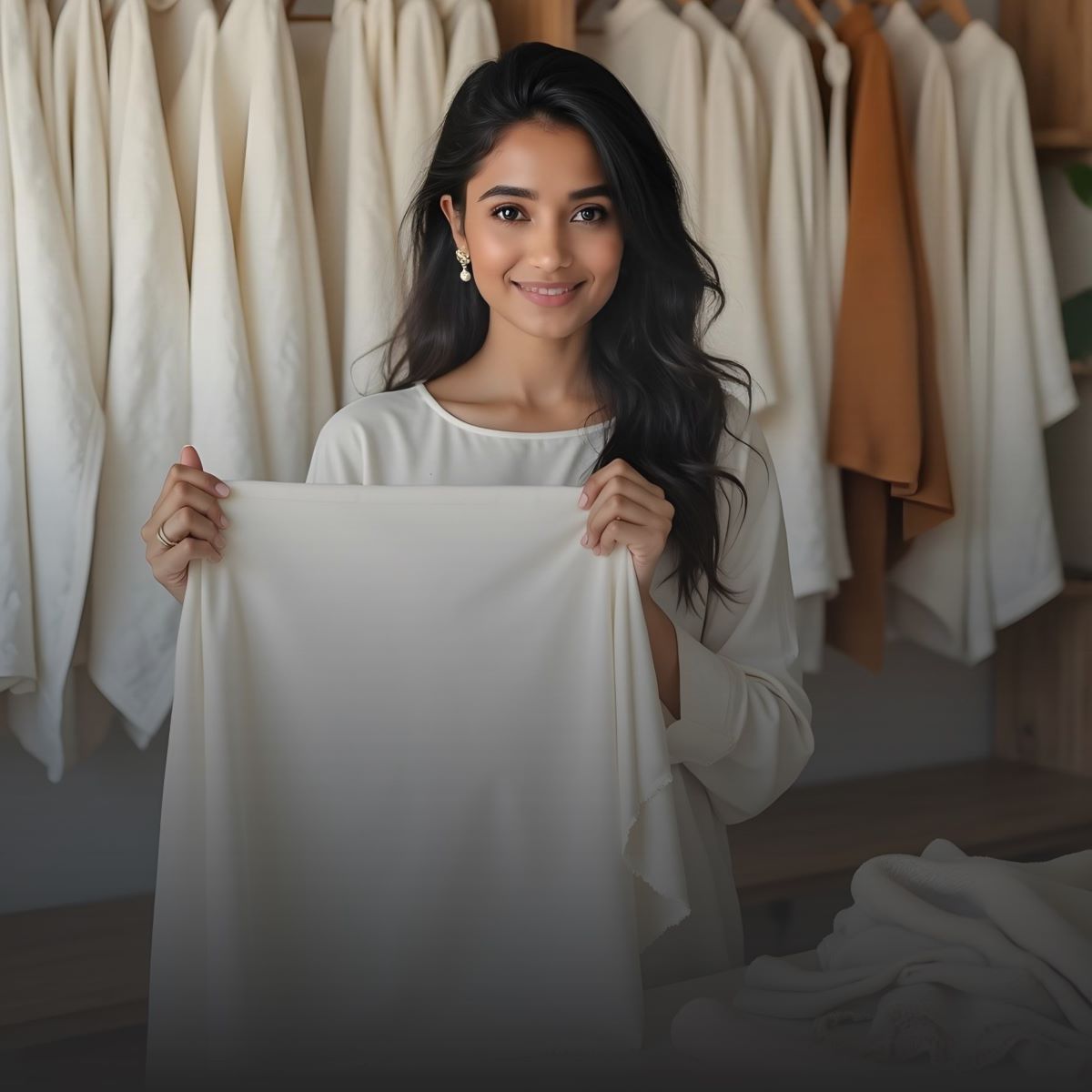

Which fabric is most breathable in summer in India is one of the most commonly asked questions by consumers and fashion enterprises, especially when dealing with a wholesale fabric supplier and preparing summer collections. Indian summers are long, hot, and increasingly unpredictable due to global warming, with temperatures reaching 40°C and heavy humidity in many areas.
As a result, the demand for the most breathable fabric for summer continues to rise in everyday wear, Summer Dresses Clothing, ethnic wear, kidswear, and resort wear. For Summer Dresses Garmenting brands, fabric selection has a direct impact on comfort, garment performance, customer happiness, and repeat sales. In the following article, we will look at which materials are appropriate for summer and can help you beat the heat.
What Makes a Fabric Breathable in Indian Summers?
Breathable fabrics let air flow freely, releasing body heat and controlling sweat. Breathability is essential in Indian summers, with high temperatures, humidity, and prolonged exposure to heat. Heat and moisture are trapped in non-breathable fabrics, leading to discomfort, skin irritation, and reduced wearability.
Many technical and material considerations impact a fabric's performance in hot Indian conditions. Breathable fabrics for Indian summers usually have these traits:
- Airflow through the fabric weave allows heat dissipation.
- Natural or cellulosic fibre composition, which absorbs and releases moisture efficiently.
- Effective moisture absorption and evaporation, reducing sweat buildup.
- Lightweight fabric construction (low GSM) that does not weigh down the garment.
When these qualities come together, fabrics feel noticeably cooler against the skin, cause less irritation and friction, and stay comfy even after long hours of wear.

Why Woven Fabrics Perform Better in Indian Heat
Woven fabrics are made by weaving yarns together in a crisscross pattern. This leaves tiny holes between the threads that let air flow freely. Because of this, breathable woven fabrics are much better for Indian weather than materials that are dense and trap heat.
It's clear that woven materials work better in hot and humid places:
- Better airflow and ventilation prevent heat buildup.
- Reduced sweat cling, especially in high-humidity regions.
- Improved comfort during prolonged wear, even outdoors.
- Ease of dyeing, printing, and finishing, supporting summer colour palettes.
- Suitability for both casual and tailored silhouettes, from dresses to kurtas.
Because of these benefits, woven fabrics are the most popular choice for summer clothes in India, both in cities and in the countryside. They are used for ethnic and western clothes, kids' clothes, uniforms, and vacation wear.
Most Breathable Fabrics for Summer in India
Here are some facts about fabrics that let air pass through them that will help fashion brands and businesses choose the right fabrics for their summer clothing lines:
Cotton – The Most Breathable Fabric for Indian Summers
Many users say cotton fabric is the most breathable fabric for summer in India. Because it is made of natural fibres, it lets air flow well and soaks up sweat well, making it perfect for hot and muggy weather. Cotton is also soft on the skin and simple to clean, which makes it a good choice for daily use.
Cotton is often used for:
- Summer dresses and tunics.
- Kurtas, shirts, and casual tops.
- Kidswear and school uniforms.
- Loungewear and sleepwear.
Cotton is still the safest, most flexible, and most popular fabric choice for companies that make summer dresses.
Linen – Best Fabric for Extreme Summer Heat
Linen fabric is one of the woven materials that lets the most air pass through it, and it works especially well when it's hot and dry outside. Linen, which is made from flax threads, naturally cools you down because it lets go of heat quickly and dries faster than cotton.
This is what linen works best for:
- Resort and vacation wear.
- Summer shirts and trousers.
- Co-ord sets and relaxed dresses.
- Premium summer collections.
Increasingly, brands that focus on high-end, climate-friendly summer fashion are choosing linen and linen mixes.
Cotton Voile and Muslin – Ultra-Lightweight Summer Fabrics
Cotton voile and muslin are very light, woven fabrics designed to let air flow freely. They work especially well in wet places like coastal India and eastern states, where being able to breathe is very important.
A lot of people use these fabrics for:
- Women’s blouses and kurtis.
- Babywear and kidswear.
- Dupattas and summer overlays.
- Inner layers in multi-piece outfits.
Their feather-light feel lets you layer without making your body heat rise.
Viscose and Rayon – Breathable with a Cooling Feel
Viscose and rayon are regenerated cellulosic fabrics that are known for being cool, smooth, and fluid. Because they are good at absorbing sweat and feel cool on the skin, women like to wear them in the summer.
Some common uses are:
- Summer dresses and skirts.
- Printed tops and shirts.
- Co-ord sets.
- Resort and casual wear.
These fabrics are also often bought as RFD fabrics (Ready to Dye), allowing brands to create their own prints and colour stories for each season.
Bamboo and Sustainable Cellulosic Fabrics
As breathable, eco-friendly summer fabrics, bamboo-based and other sustainable organic fabrics are becoming increasingly popular. They are good for the environment and work well, so buyers who care about both will like them.
Some important perks are:
- Natural breathability.
- High moisture absorption.
- Antibacterial properties.
- Soft, premium hand feel.
These fabrics are great for high-end, comfortable, and eco-friendly summer designs.

Best Breathable Fabrics for Indian Summer – Comparison Table
|
Fabric |
Breathability |
Moisture Control |
Best Use |
|
Cotton |
Very High |
High |
Everyday summer wear |
|
Linen |
Very High |
Medium |
Extreme heat & resort wear |
|
Cotton Voile |
Very High |
Medium |
Humid climates |
|
Muslin |
Very High |
Medium |
Layering & ethnic wear |
|
Viscose / Rayon |
High |
High |
Dresses & fashion wear |
|
Bamboo |
High |
High |
Sustainable collections |
Fabrics to Avoid in Indian Summers
Some fabrics keep heat in and should not be worn in hot Indian weather:
- Polyester.
- Nylon.
- Heavy denim.
- Non-breathable synthetic blends.
These materials make it harder for air to flow, which makes you sweat more and makes you less comfortable overall.
How to Choose the Right Fabric for Summer Dresses Clothing
To choose the right fabric, brands and designers have to ensure that the design goals align with how the fabric will perform across different climates and with customers' preferences.
Before choosing materials for summer dresses, you should think about:
- Target climate and geographic region.
- End-use garment category.
- Fabric weave structure and GSM.
- Ease of care and maintenance.
- Sourcing flexibility and MOQ.
Smart cloth choices based on data help reduce returns and build customer trust over time.
Why Fabric Sourcing Matters for Summer Collections
It's not enough to just pick out the right fabric. Consistency, quality, and scalability are all ensured by reliable sources, especially for Summer Dresses Garmenting.
Today's fashion brands need:
- Low MOQ fabric sourcing.
- Custom dyeing and printing.
- Access to greige and RFD fabrics.
- Sampling before bulk production.
This is where the right sourcing partner becomes essential.
How Fabriclore Supports Breathable Summer Fabric Sourcing
Fabriclore is a tech-enabled sourcing tool that makes it easier and more modern for fashion brands around the world to access India's vast textile ecosystem. With more than 10 years of hands-on experience sourcing, dying, and printing fabrics, Fabriclore is an expert at finding breathable woven fabrics and sustainable summer fabrics that work well in hot, muggy places. Today, 500+ brands trust Fabriclore for its reliable quality, adaptability, and clear sources.
Fabriclore is different from traditional sourcing models because it combines deep textile knowledge with a digital-first approach. This makes it faster for buyers to find, assess, customise, and scale fabrics. This is especially helpful for summer collections, where comfort and market success are closely linked to lightweight GSM, colour accuracy, and consistency.
Fabriclore supports brands through:
- A wide range of woven fabrics, from greige to dyed and finished stages.
- Sustainable and cellulosic fabrics suitable for summer wear.
- Low MOQ sourcing for designers, boutiques, and growing labels.
- Option to buy fabric swatches before bulk order.
- Custom dyeing and print development on RFD fabrics.
- Export-ready production support exclusively for international clients.
This integrated model cuts down on lead times, lowers the risk of buying, and lets you confidently find fabrics that are ready for summer.
Conclusion
Which fabric lets the most air through in India during the summer? The clear answer is cotton. Close behind are linen, cotton voile, muslin, viscose, and bamboo fabrics, which change based on the weather and the type of clothing.
Woven fabrics are still the best choice for Summer Dresses Clothing and other summer categories because they let air flow, are comfortable, and last a long time. Fashion brands and businesses can create summer lines that sell well, grow quickly, and meet changing customer needs by choosing the right materials and partnering with experienced platforms like Fabriclore.
FAQs
1. Which Fabric Is Most Breathable In Summer In India?
Natural fibres, ventilation, and moisture absorption make cotton the most breathable fabric for summer in India. It is ideal for everyday wear, summer dresses, ethnic clothing, kidswear, and loungewear, as it keeps the body cool and reduces sweating. Depending on the environment and garment type, linen, cotton, voile, muslin, viscose, and bamboo are also breathable.
2. Why Are Woven Fabrics Better For Indian Summers?
In the hot Indian summers, woven fabrics work better because their structure allows air to flow continuously, helping heat escape and preventing sweat from sticking to the fabric. Woven fabrics let more air pass through them than thick or synthetic fabrics. They are also more comfortable to wear for long periods and work well in India's hot, humid climate.
3. What GSM Is Best For Breathable Summer Fabrics In India?
When it comes to Indian weather, fabrics that let air pass through usually work best between 80–160 GSM. For extreme heat and humidity, fabrics with a lower GSM rating work best. On the other hand, fabrics with a slightly higher GSM rating work well for formal summer clothes like dresses, kurtas, and pants without sacrificing comfort.
4. Which Fabrics Should Be Avoided During Indian Summers?
In the summer in India, you should avoid fabrics like polyester, nylon, heavy denim, and synthetic blends that don't breathe. These materials keep heat in, stop air from moving, make you sweat more, and are uncomfortable, especially when it's hot and muggy outside.
5. How Can Fashion Brands Source Breathable Summer Fabrics With Low MOQ?
Working with a sourcing platform with extensive expertise, like Fabriclore, can help fashion brands find summer fabrics that are airy and require little maintenance. Brands can get woven and eco-friendly fabrics, as well as custom printing and dying, greige, and RFD options. They can also buy fabric swatches before a bulk order to reduce sourcing risk and ensure fabric performance.
We also happen to be a magnet for suggestions, and would love to catch yours….throw us yours on hello@fabriclore.com
Learn, Create & Grow with us 

Also Read:
1. Best Fabrics for Summer Dresses in 2026


