
Woven fabric clothing in Australia is a key growth area, as the Australian clothing industry is steadily moving toward structured, breathable, and season-agnostic styles. Brands are increasingly relying on online woven fabric suppliers to meet evolving design, sustainability, and scale needs for everything from vacation shirts and linen dresses to workwear pants and kidswear.
Because more buyers are seeking bulk fabric, custom development, and low-risk production, designers, private labels, and fashion businesses in Australia need to understand how woven fabrics are sourced, produced, and scaled.
Understanding Australian Woven Fabric Clothing

Clothes made from textiles that are made by weaving warp and weft yarns together are called woven fabric clothes. This design gives woven fabrics their unique qualities: stability in dimensions, longevity, and keeping its shape.
These homes are especially valuable in Australia because:
- A climate that is warm to mild in most places.
- A lot of people want casual tailoring and resort dress.
- Growth in school outfits, kids' clothes, and casual clothes.
Woven fabrics, on the other hand, work well in clothes where structure, durability, and surface finish are important. This is why they are a main choice for names that sell in both the U.S. and abroad.
Why Woven Fabrics Matter More in 2026
By 2026, Australian fashion companies will not only focus on how things look. What they are optimizing for is:
- Repeatability from season to season.
- Following the rules for survival.
- Cost-effectiveness without making too much.
Because of this, a lot of brands are turning to fabric wholesale and online woven fabric buying models that give them more freedom without giving up control.
In practical terms, woven fabrics offer:
- Better breathability for summer apparel.
- Higher abrasion resistance for workwear.
- Improved print clarity for design-led collections.
Most Common Woven Fabrics Used in Australian Clothing

Most Australian brands work with a small but useful library of knitted fabrics.
Primary Woven Fabrics
- Cotton poplin for shirts, uniforms, and dresses.
- Linen for resort wear, summer co-ords, and relaxed tailoring.
- Twill for trousers, chinos, and utility wear.
Secondary & Supporting Fabrics
- Viscose and rayon for clothes for women.
- Denim for everyday pants and jackets.
- Satin for dressy events and vacations.
Because of the weather and the way people like to live, sourcing cotton fabric wholesale and linen cloth wholesale is still a very popular search term among Australian artists.
Where Australian Brands Source Woven Fabrics
Australian fashion brands and businesses use a type of buying called "hybrid," which combines local access with global scale.
Common Sourcing Routes
- Local fabric stores for sampling and design development.
- Domestic distributors supplying limited wholesale fabric.
- Global fabric suppliers offering customisation and volume.
Brands in Sydney, Melbourne, and Brisbane often start locally, then move online as collections scale and repeatability becomes critical.
The Shift Toward Online Fabric Sourcing
The rise of online woven fabric suppliers is one of the most noticeable changes of the last few years. This change is caused by a need:
- Pricing that is clear.
- Cut down on the minimum order size.
- Consistent access to fabric.
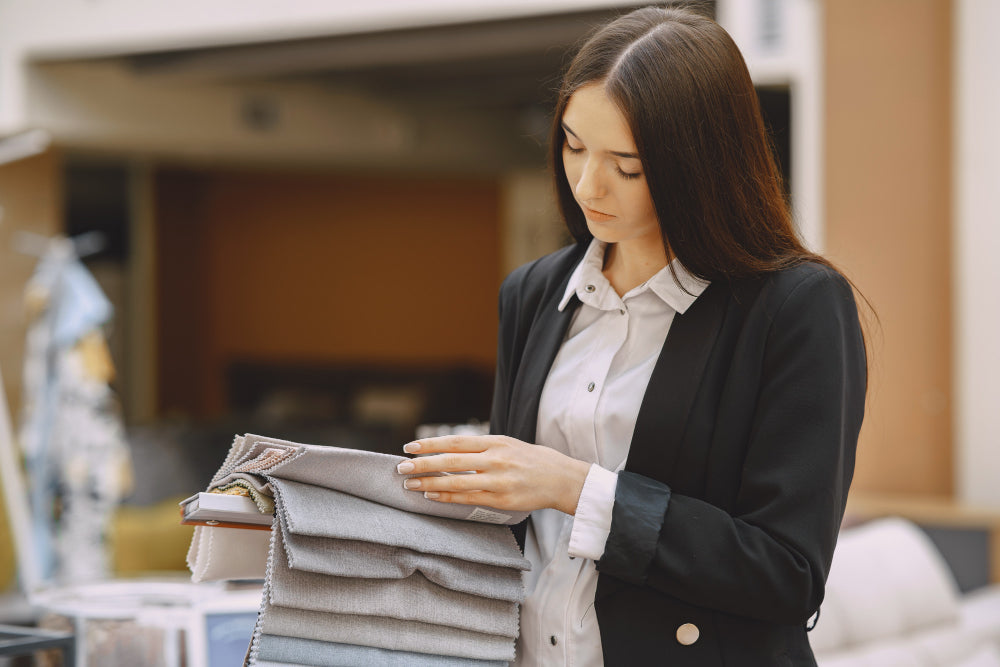
Brands can compare specs, ask for examples, and buy fabric swatches online before committing to production. This lowers the risk of both money and inventory.
Fabriclore: Best Woven Fabric Supplier and Garment Manufacturer in Australia

Fabriclore has been in business for more than ten years and has become a one-stop shop for Australian fashion companies that need to source materials and make clothes.
Fabriclore is a digital platform for finding fabric that connects brands with verified textile mills. It gives brands options and makes it easy to start production.
Fabric Sourcing Capabilities
Based on its platform offerings, Fabriclore provides:
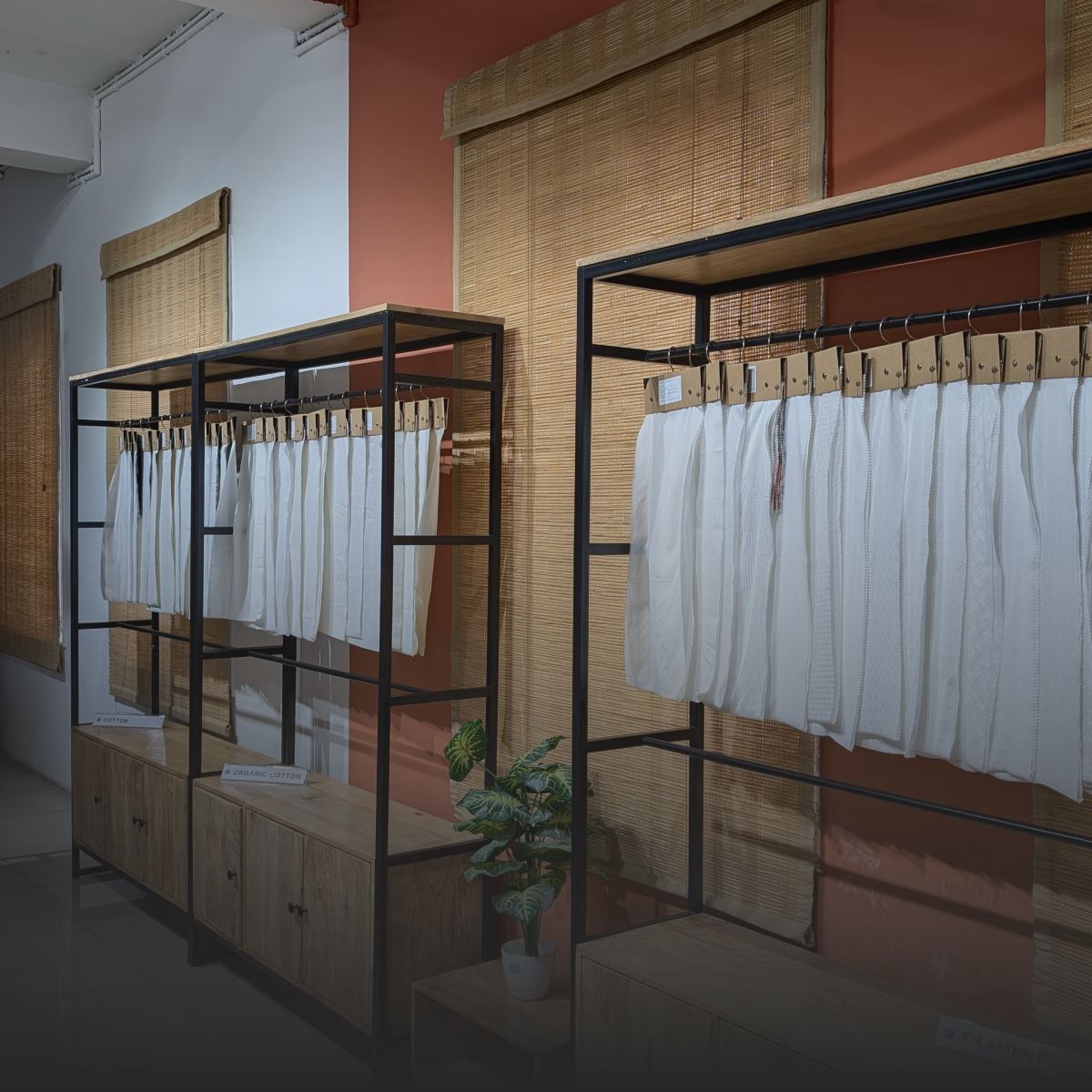
- Greige woven fabrics.
- RFD (Ready for Dyeing) fabrics.
- Solid dyed and yarn-dyed woven fabrics.
- Printed woven fabrics across cotton, linen, viscose, and blends.
Brands can buy fabric swatches online before order bulk fabric, ensuring accuracy in colour, texture, and performance.
Wholesale Fabric and Low MOQ Advantage
High minimum order numbers have long been a big problem for Australian brands. Fabriclore solves this problem by providing fabric wholesale with low MOQs, which lets:
- There will be capsule sets from small businesses.
- Designers will try out new shapes.
- Private brands can grow slowly without having too much inventory.
This method works well with Australia's shopping scene, which is dominated by small stores.
Clothing Manufacturer in Australia: From Fabric to Finished Garments
Fabriclore helps with all aspects of Garment Manufacturing in Australia, not just fabric sourcing. With this platform, All-in-One Garment Manufacturing with Low MOQ services, brands can choose fabrics and have clothes made all at once, without having to deal with multiple sellers.
Categories that are supported are:
- Men’s shirts, trousers, and overshirts.
- Women’s dresses, blouses, and resort wear.
- Kidswear and uniforms.
- Home textiles and madeups.
This integrated model is particularly valuable for brands seeking custom apparel manufacturing with low MOQ while maintaining quality control.
Sustainability and Responsible Production
In Australia, sustainability has gone from being a value add to a business must. More and more, consumers expect:
- Getting fiber in a responsible way.
- Less water and chemicals were used.
- Production methods that are clear.
Fabriclore helps brands meet both regulatory and consumer expectations by providing sustainable fabric choices, traceable sourcing, and a Sustainable Garment Manufacturer in Australia with Ethical Production Practices aligned with global standards.
The Future of Woven Fabric Clothing in Australia
Looking ahead, several trends are shaping the market:
- Increased use of breathable, natural woven fibres
- Growth of digital printing on woven bases
- Greater reliance on global sourcing with local design focus
Brands that combine thoughtful design with reliable fabric suppliers and scalable production systems will be best positioned to grow.
Conclusion
Clothing made from woven fabrics is still very important to Australia's fashion business. Local sourcing helps with early innovation, but for long-term success, you'll need to be able to get consistent fabrics, low MOQs, and systems that are ready for production.
Australian brands can safely source fabrics, grow in a way that is good for the environment, and make collections that meet both market demand and operational realities when they work with experienced platforms like Fabriclore.
FAQs
1. What Is Woven Fabric Clothing Used For In Australia?
In Australia, woven fabric is often used for shirts, dresses, pants, vacation wear, kids' clothes, uniforms, and home decor. Woven fabrics have structure, let air pass through, and last a long time, so they can be used for both rigid and warm-weather clothing.
2. Where Can I Buy Woven Fabric Online For Clothing In Australia?
There are global sourcing sites that ship to Australia where Australian brands can buy woven fabric. Before making bulk orders, these platforms let designers look at specs, ask for samples, and buy fabric swatches.
3. Is Wholesale Fabric Available With Low MOQs For Small Brands?
Yes. There are now a lot of online fabric stores that sell fabric in bulk and have low minimum order amounts. This is especially helpful for new businesses, boutiques, and private brands that want to try out collections without making too many.
4. What Are The Most Popular Woven Fabrics For Australian Fashion Brands?
Cotton poplin, linen, twill, viscose, denim, and satin are some of the most popular woven fabrics. Because of the weather there and people's desire for clothes that let air pass through, linen and cotton are still very popular.
5. Can Fabric Sourcing And Garment Manufacturing Be Handled Together?
Yes. Some platforms, like Fabriclore, offer both fabric sourcing and garment manufacturing services. This means that brands can go from choosing fabrics to getting finished clothes all through one supply chain, which makes it easier to control quality and wait times.
We also happen to be a magnet for suggestions, and would love to catch yours….throw us yours on hello@fabriclore.com
Learn, Create & Grow with us