

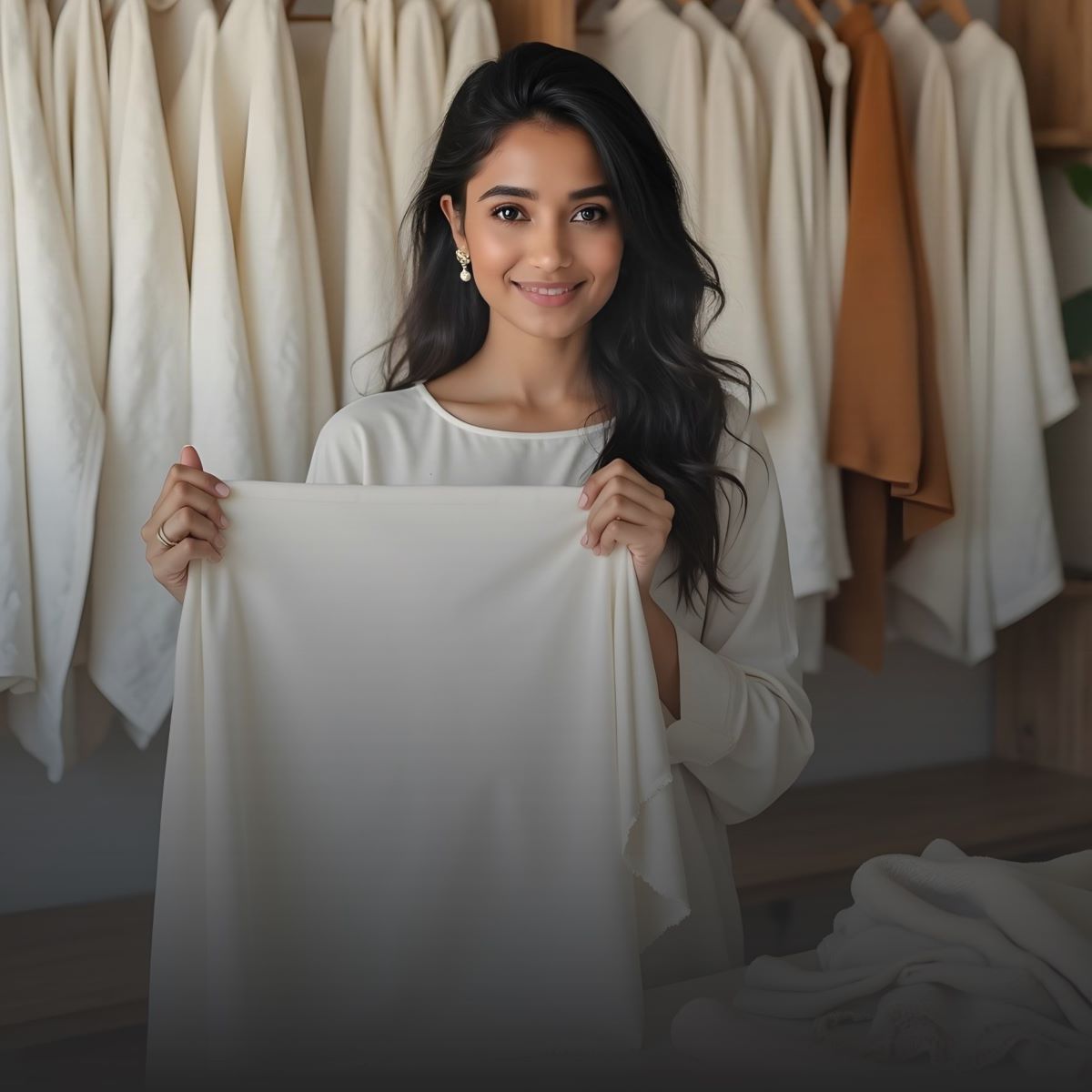

Fashion has always reflected cultural moods, social anxieties, and changing lifestyles. For years, the industry rewarded discomfort in the name of aesthetics. Tight silhouettes, impractical footwear, rigid fabrics, and carefully curated “effortless” looks shaped modern style culture across runways and social media feeds.
That relationship with fashion is beginning to change. Comfort has moved far beyond oversized hoodies. It has evolved into a broader cultural conversation about wellness, identity, and how people want to exist in their clothes. Shoppers are becoming more mindful of how clothing feels on the skin and how different fabrics impact skin sensitivity.
The shift has quietly transformed everything from luxury collections to independent fashion labels. Designers are reconsidering construction techniques, fabric choices, and silhouettes that prioritize movement and breathability. What once seemed casual or anti-fashion is now becoming central to contemporary style.
The Numbers Tell the Story
Research found that 79% of Americans prioritize comfort when buying clothes. Baby Boomers were the most likely to prioritize comfort, at 86%.
Another study was conducted on behalf of a fashion retailer among 2,000 UK consumers. The study revealed that 62% of consumers consider comfort their top priority when buying clothes, while only 16% focus mainly on style.
That gap is enormous. It represents a consumer base that has quietly but decisively reordered its priorities.
The research also showed that priorities differ sharply across age groups. For shoppers aged 55 and older, comfort is the top priority by a wide margin, at 73%. But even among 16- to 24-year-olds, 45% said comfort was a key concern when buying clothes. Comfort is not just something older shoppers want. It spans generations.
Skin Sensitivity and Comfort
The relationship between clothing and the skin is not just about softness. For individuals with conditions such as eczema and atopic dermatitis, clothing choices can directly affect their health and daily comfort. Fabrics that irritate inflamed skin are not a minor inconvenience; they can significantly worsen symptoms.
Therefore, it is important that fashion retailers make promises of comfort only when they can actually deliver on them. If not, they may face legal consequences, just like some medications do. For instance, Dupixent is prescribed for conditions like eczema, nasal polyps, and atopic dermatitis. However, the Dupixent lawsuit highlights that the drug may be linked to rare blood cancers such as cutaneous T-cell lymphoma.
According to TorHoerman Law, victims allege that the manufacturer failed to provide adequate warnings. This left individuals vulnerable to delayed diagnoses and worsening symptoms.
Similarly, clothing itself starts to carry different expectations. Consumers want garments that accommodate lived experiences rather than ignore them. Fashion is becoming less about enduring discomfort for beauty and more about adapting beauty to real bodies and real conditions.
A Cultural Shift, Not a Fashion Moment
Understanding why comfort has taken over requires looking beyond the clothes themselves. Fashion historian and podcaster Avery Trufelman has traced the roots of performance and comfort-first clothing back decades.
In a conversation on her podcast, she noted that America began prioritizing comfort in clothing at an institutional level. And it dates as far back as World War II. The military asked what soldiers actually wanted to wear, rather than what looked impressive.
She observed that the iconic olive green field jacket was the equivalent of gorpcore in the 1940s. It was strange-looking at the time, but comfortable, flexible, and dynamic. She argued that America declared comfort and performance as national values, and that this has been "deep in our psyches" ever since.
What Comfort Does to the Body and the Mind
An increasing amount of research explains why clothing comfort influences more than just physical well-being. A Nature journal study examined consumer feedback on sustainable clothing through topic modeling. It identified three major themes shaping clothing preferences:
-
Perceived quality
-
Perceived value
-
Sensory comfort
The study showed that consumers were more likely to buy and repurchase sustainable apparel.
The psychological dimension of dressing comfortably goes further still. Research on what experts call "dopamine dressing" has drawn a clear line between what people wear and how they feel.
Psychologist Karen Pine, in her book Mind What You Wear: The Psychology of Fashion, wrote that "What we wear affects how we feel so much that it can distort and determine our thoughts and judgments."
Comfortable clothes are not just easier to wear. They may actively change how a person thinks and performs.
Brands Are Listening and Innovating
The fashion industry has not been slow to respond. Nike, for instance, launched its 24.7 apparel collection in early 2025 with the stated goal of supporting "the athlete's complete lifestyle." The collection features two new technical materials.
One is ImpossiblySoft, a premium Spacer-knit fabric crafted with four-way stretch. The other is PerfectStretch, a tailored four-way stretch fabric that offers a polished appearance and smooth feel.
Nike sprinter and athlete Dina Asher-Smith, speaking about the collection, said: "As an athlete, I want to feel confident, comfortable, and strong in what I'm wearing — on and off the track. What I wear is more than just clothing. It’s an attitude and a reflection of who I am, and it impacts how I perform.”
This is not a case of a brand playing it safe. It is a major global label making comfort-first design the center of a flagship collection.
Frequently Asked Questions
How has remote work influenced modern fashion trends?
Remote work changed the relationship people have with clothing because many consumers spent years prioritizing practicality over formal appearance. Even as offices reopened, people continued gravitating toward relaxed tailoring, stretch fabrics, and versatile pieces. This shift affected both casual and luxury fashion markets, encouraging designers to create collections that balance visual appeal with flexibility.
Why are younger shoppers more interested in fabric transparency?
Younger consumers tend to research how products are made before making purchases, especially in fashion. Many consumers also associate fabric selections with sustainability and ethical production standards. As a result, brands that openly discuss textile composition and production methods often build stronger trust with modern audiences.
Can comfort-focused fashion still feel experimental and artistic?
Comfort-driven fashion does not limit creativity. Many designers are finding innovative ways to combine dramatic silhouettes, layered textures, and unconventional styling with wearable construction. Some of the most influential contemporary collections mix soft tailoring, oversized proportions, and fluid fabrics to create visually striking looks. Artistic expression in fashion is increasingly connected to functionality rather than discomfort.
Overview of Comfort in Fashion
|
Americans prioritizing comfort |
79% of Americans prioritize comfort when buying clothes |
|
UK consumer shopping habits |
62% of UK shoppers prioritize comfort when buying clothing |
|
Fashionability as a priority |
Only 16% choose clothing mainly for fashionability |
|
Skin conditions and fashion |
Fabrics can worsen eczema and atopic dermatitis symptoms |
|
Consumer psychology research |
Studies identified sensory comfort as a major purchasing factor |
|
Dopamine dressing effect |
Clothing can affect mood, confidence, and decision-making |
Fashion’s growing obsession with comfort represents far more than a temporary aesthetic cycle. It reflects a larger cultural shift toward authenticity, accessibility, and physical awareness. People are questioning why clothing should demand discomfort when style can exist alongside ease.
The industry itself is adapting to these expectations. Designers, editors, photographers, and consumers are all participating in a broader redefinition of what fashion should feel like. Soft fabrics, relaxed silhouettes, and skin-conscious design are no longer niche preferences. They are becoming foundational elements of modern style culture.

