
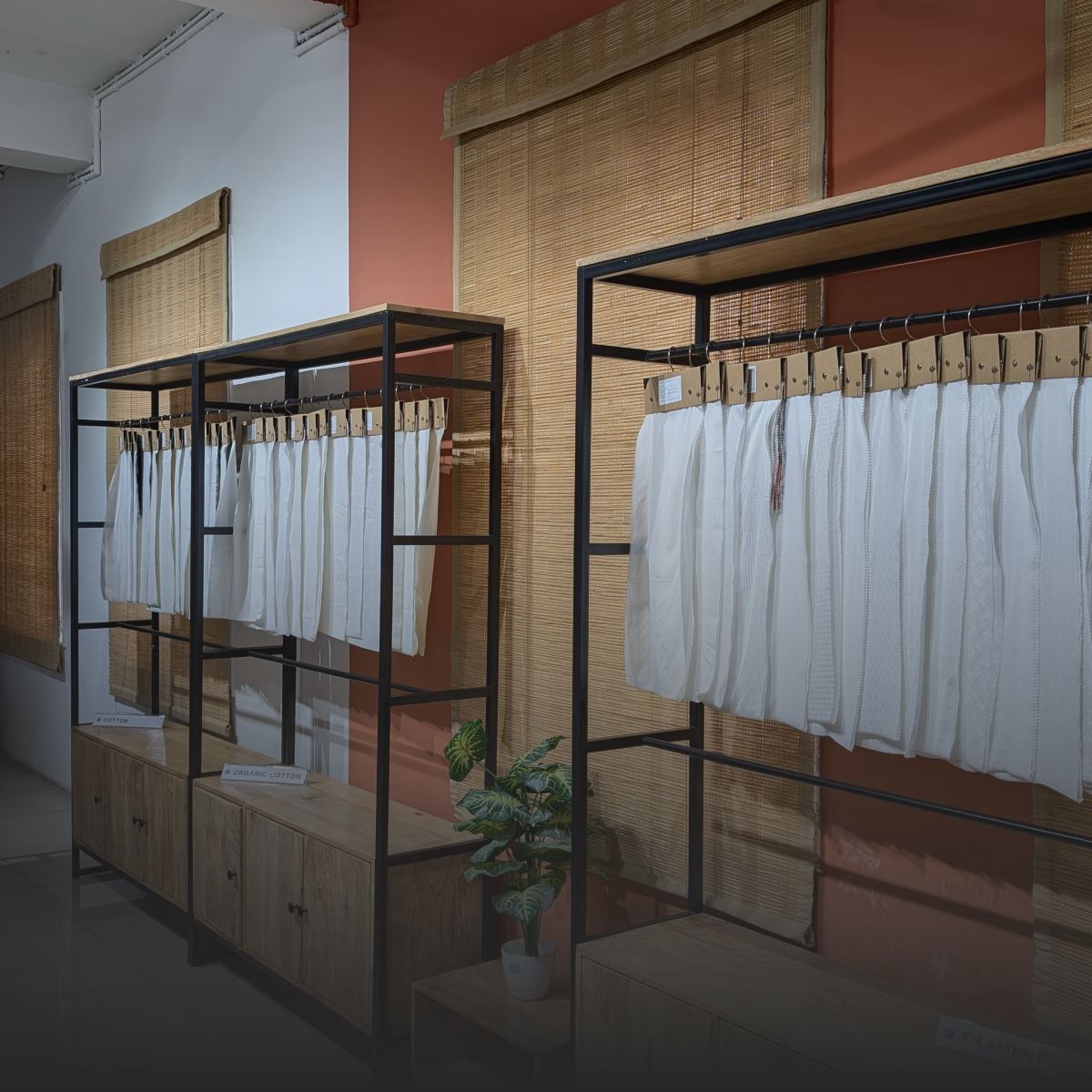
The Jaipur textile ecosystem has become a major focus for global fashion brands, sourcing workers, and clothing companies looking for trustworthy, scalable, and design-driven ways to make their products in 2026. Jaipur is an important part of the Rajasthan textile industry because it blends centuries-old craftsmanship with new industrial skills. This makes it a great place to find textiles.
From the well-known Jaipur block printing practices in Sanganer and Bagru to the growing Jaipur garment manufacturing clusters in Sitapura, the city has everything from fibers to clothes. This piece talks about the stakeholders in the Jaipur textile supply chain, market insights, sustainability, and the future outlook for the Jaipur textile industry in 2026.
Executive Summary
- Jaipur is one of the most important textile hubs in Rajasthan. It is known for both traditional crafts and new products.
- Textile areas in Jaipur, like Sanganer, Bagru, and Sitapura, are very present.
- An integrated environment that includes printing, processing fabrics, and making clothes.
- The Jaipur textile market size is thought to be worth more than ₹10 billion a year.
- An amount of about ₹3,000 crore comes from exports.
- Sustainability, compliance, and digital sourcing tools are getting more attention.
- infrastructure that is backed by the government, like textile parks and centres that make it easier to sell.
History and Heritage of Jaipur Textiles

The history of the textile industry in Jaipur goes back to the 18th century, when Maharaja Sawai Jai Singh II set up royal karkhanas to encourage skilled textile workers and artisans. These businesses were very important in making Jaipur known as a textile hub.
The ancient textile arts in Jaipur made it famous around the world.
- Handcrafted Jaipur block printing techniques.
- Tie-dye methods such as Bandhani, Jaipur and Leheriya.
- Fine weaves like Kota Doria fabrics.
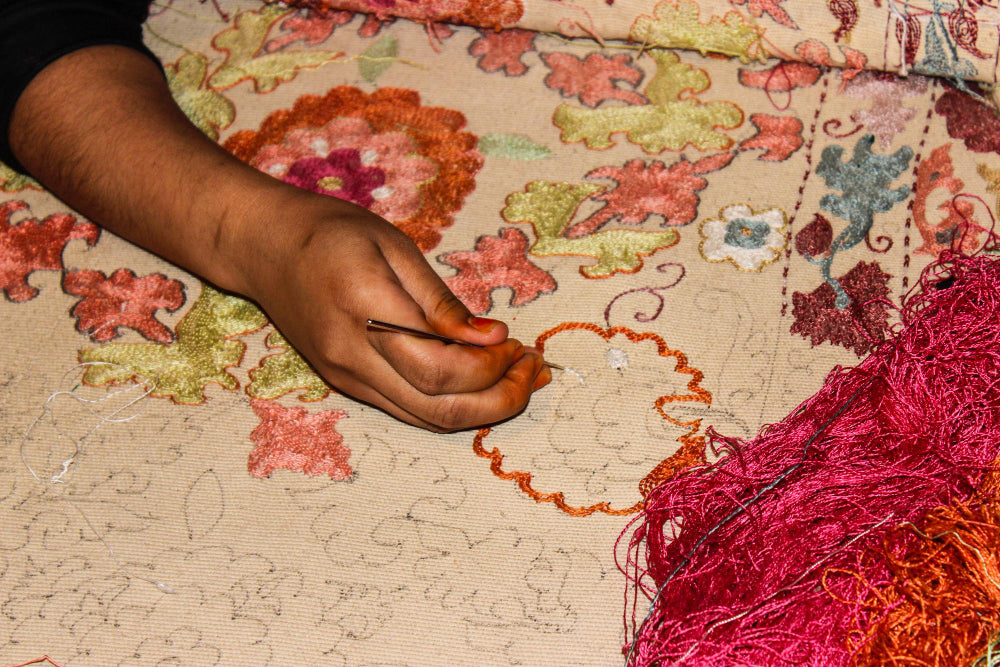
- Handloom textiles and intricate embroidery.
Not only were these skills important to culture, but they were also important to the economy because they helped build early trade networks in India and beyond. Over time, Jaipur's artisanal base turned into structured textile clusters, going from being home-based businesses to well-organised production environments.
This rich Jaipur textile heritage still has an impact on fashion styles around the world, especially in the areas of sustainable and handcrafted clothing.
Current Industrial Structure & Clusters
The Jaipur textile ecosystem of today works with a plan that combines traditional handiwork with large-scale production.
Major Jaipur Textile Clusters
- Sanganer – Global hub for block printing and dyeing.
- Bagru – Traditional resist (Dabu) printing centre.
- Sitapura Industrial Area – Major hub for Jaipur garment exporters.
- Vishwakarma Industrial Area (VKIA) – Large-scale manufacturing units.
These Jaipur textile hubs support a lot of different types of output, from making textiles by hand to making clothes for export.
Over 400 textile companies, including almost 200 exporters, are based in Jaipur. This shows how important it is becoming in global supply lines.
Key Stakeholders in the Value Chain
To do good buying, you need to know about the Jaipur textile supply chain stakeholders.
Primary Stakeholders
- Cotton and wool producers.
- Yarn suppliers and fabric mills.
- Printing and dyeing units.
- Garment manufacturers.
- Export houses.
Secondary Stakeholders
- Government agencies and policy bodies.
- Industry associations (AGES, RGTA).
- Logistics and supply chain providers.
- Digital sourcing platforms like Fabriclore.
This linked network makes sure that the environment is flexible, scalable, and specialized.
Textile Supply Chain Stages
Jaipur has a full fibre-to-fashion supply chain, which makes it a great place to source goods from start to finish.
Key Stages:
- Raw material sourcing (cotton, wool, synthetics).
- Yarn production and procurement.
- Fabric weaving and knitting.
- Dyeing and printing (Jaipur’s core strength).
- Garment manufacturing.
- Quality control and packaging.
- Distribution to domestic and export markets.
This unified plan helps with custom fabric sourcing and garment production in Jaipur, which means you don't have to rely on as many vendors.
Major Textile Products from Jaipur
Jaipur makes a wide range of fabrics for markets around the world, including.
Core Products
- Block-printed cotton fabrics.
- Bandhani Jaipur textiles.
- Kota Doria fabrics.
- Handloom and artisanal textiles.
- Ready-made garments (men, women, kidswear).
- Home textiles (bedsheets, curtains, rugs).
These items are used a lot in both cheap fashion and high-end fashion.
Geographical Clusters and Manufacturing Hubs
The ecology of Jaipur goes beyond the city and connects to larger Rajasthan textile hubs:
- Sanganer – Printing and dyeing hub.
- Bagru – Heritage textile production.
- Sitapura – Export-oriented garment cluster.
- Bhilwara – A major fabric manufacturing centre.
- Pali & Balotra – Dyeing and synthetic textile hubs.
Each cluster improves the supply chain skills of Jaipur.
Market Size and Economic Impact
Jaipur textile market size and exports show how important it is to the economy:
|
Metric |
Value |
|
Jaipur textile industry size |
₹10,000 crore |
|
Export value |
₹3,000 crore |
|
Rajasthan textile output |
$5.6 billion |
|
Employment generated |
200,000+ jobs |
The field is crucial for creating jobs and growing the regional GDP.
Export and Import Patterns
Jaipur exports textiles to major global markets, including:
- United States.
- European Union.
- Middle East.
- Emerging markets in Latin America.
Competition from Bangladesh and Vietnam still affects pricing strategies.
As online fabric sourcing platforms and global wholesale fabric suppliers enable seamless international trade, the export landscape is changing. Fabriclore offers global buyers worldwide fabric delivery, digital catalogue access and on-demand customization options to revolutionize sourcing.
These platforms offer a wide variety of fabrics—from RFD and greige to dyed, printed and ready-to-use textiles—without geographical limitations. International brands, private labels, and designers can now source directly from Jaipur-based suppliers without intermediaries.
In addition, sampling services, small-batch ordering, and transparent pricing help global buyers test, grow, and diversify their sourcing strategy.
Technology Adoption and Innovation
The Jaipur textile ecosystem is slowly changing as more and more technology is used:
- Digital sourcing platforms
- ERP-based production systems
- AI-driven demand forecasting
- Limited but growing digital printing adoption
Tech-enabled fabric sourcing in India is made possible by platforms like Fabriclore, which increases efficiency and openness.
Sustainability and Labor Practices
Sustainability is an important issue for the environment.
Challenges
- Water pollution in Sanganer.
- Lack of effluent treatment infrastructure.
- Compliance gaps among small units.
Improvements
- Common Effluent Treatment Plants (CETP).
- Adoption of eco-friendly dyes.
- Increasing traceability and certifications.
With stricter rules and more tracking, working conditions are also getting better.
Government Policies and Schemes
Some things the government is doing to help the environment are:
- Rajasthan Textile & Apparel Policy 2025.
- Scheme for Integrated Textile Parks (SITP).
- Textile Export Facilitation Centre (TEFC).
- Production Linked Incentive (PLI) scheme.
These rules make the country's facilities, exports, and ability to compete better.
Challenges & Opportunities
Jaipur is changing into an ecosystem that is more organized and competitive on a global scale.
Key Challenges
- Fragmented supplier ecosystem.
- Dependence on external fabric sourcing.
- Rising global competition.
- Compliance and sustainability requirements.
Key Opportunities
- Growth in the domestic fashion market.
- Expansion of private label brands.
- Rise of digital sourcing platforms.
- Increasing demand for sustainable textiles.
Future Outlook
The Jaipur textile industry's future outlook 2026 shows that the industry has a lot of room to grow because
- Integration of manufacturing processes
- Adoption of sustainable practices
- Expansion into global markets
- Increased digital transformation
It is believed that Jaipur will become a major centre for custom, sustainable, and scalable textile sourcing.
Fabriclore: Enabling Smarter Fabric Sourcing in Jaipur

Fabriclore is an Indian tech-enabled fabric sourcing platform that makes it easier for fashion brands around the world to get to the Jaipur textile ecosystem. Fabriclore joins traditional textile clusters with modern, scalable supply lines. They have more than ten years of experience in finding fabrics, dyeing them, and printing them.
Fabric Sourcing. Simplified.
✦ Unmatched Wholesale Price
✦ Customized Design & Printing
✦ Trusted by 500+ Fashion Businesses Globally
What Sets Fabriclore Apart:
Fabriclore has a huge selection of fabrics, from RFD and greige fabrics to fully dyed and printed textiles. This gives them options at all stages of product development. It has a strong network of verified sellers in Jaipur and other textile hubs that lets it get quality goods at a good price. The platform is made to support low MOQ production, which makes it perfect for designers, startups, and foreign private labels that want to be flexible without giving up scale.
Key Capabilities:
- Custom fabric development with dyeing and printing solutions.
- Real-time sourcing support with transparent specifications.
- Integrated end-to-end garment manufacturing.
- Scalable production aligned with global export standards.
Fabriclore makes it possible for brands to build efficient, clear, and globally competitive supply chains based on Jaipur's textile strengths by bringing together sourcing, customisation, and production into one ecosystem.
Conclusion
The Jaipur textile ecosystem highlights a strong mix of traditional skills and modern ways of making things. Jaipur is an important part of the Rajasthan textile industry, and it continues to grow with strong textile clusters, skilled artisans, and better ways to sell goods. Global fashion brands are choosing Jaipur as a place to make clothes because of its growing desire for sustainable production, digital sourcing platforms, and flexible manufacturing.
Businesses can make smart buying choices if they know about the Jaipur textile supply chain stakeholders, how the market works, and what the future holds. Using tools like Fabriclore makes it even easier to get textiles made in Jaipur in a way that is scalable, clear, and efficient for long-term global growth.
FAQs
1. What Is The Jaipur Textile Ecosystem?
The textile ecosystem in Jaipur is made up of clusters, producers, artisans, exporters, and supply chain networks that work together to make clothes and fabrics.
2. Why Is Jaipur Important In The Rajasthan Textile Industry?
Jaipur is a major hub because it has strong textile groups, traditional crafts like block printing, and the ability to make additional apparel.
3. What Are The Main Textile Products Produced In Jaipur?
Block-printed fabrics, Bandhani textiles, Kota Doria, clothing, and home textiles are made in Jaipur and sold all over the world.
4. How Do Global Brands Source Fabrics From Jaipur?
To get textiles from Jaipur, brands use sourcing platforms, exporters, and makers. To save time and money, brands often use digital platforms.
5. What Is The Future Of The Jaipur Textile Industry?
The Jaipur textile business is expected to grow in 2026 in areas like sustainability, digital sourcing, exports, and integrated manufacturing.
We also happen to be a magnet for suggestions, and would love to catch yours….throw us yours on hello@fabriclore.com
Learn, Create & Grow with us 


