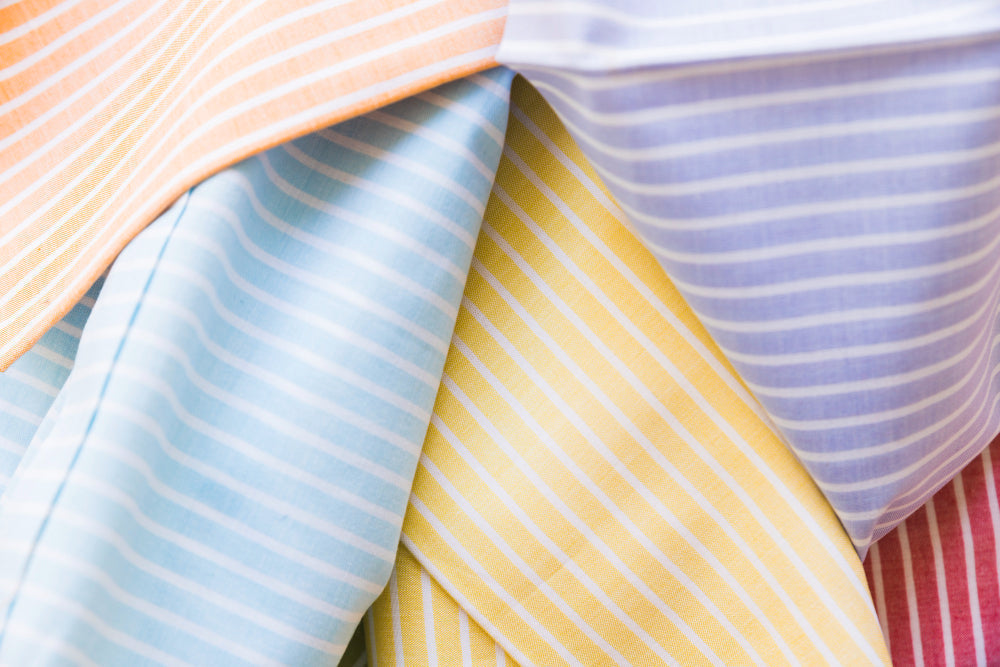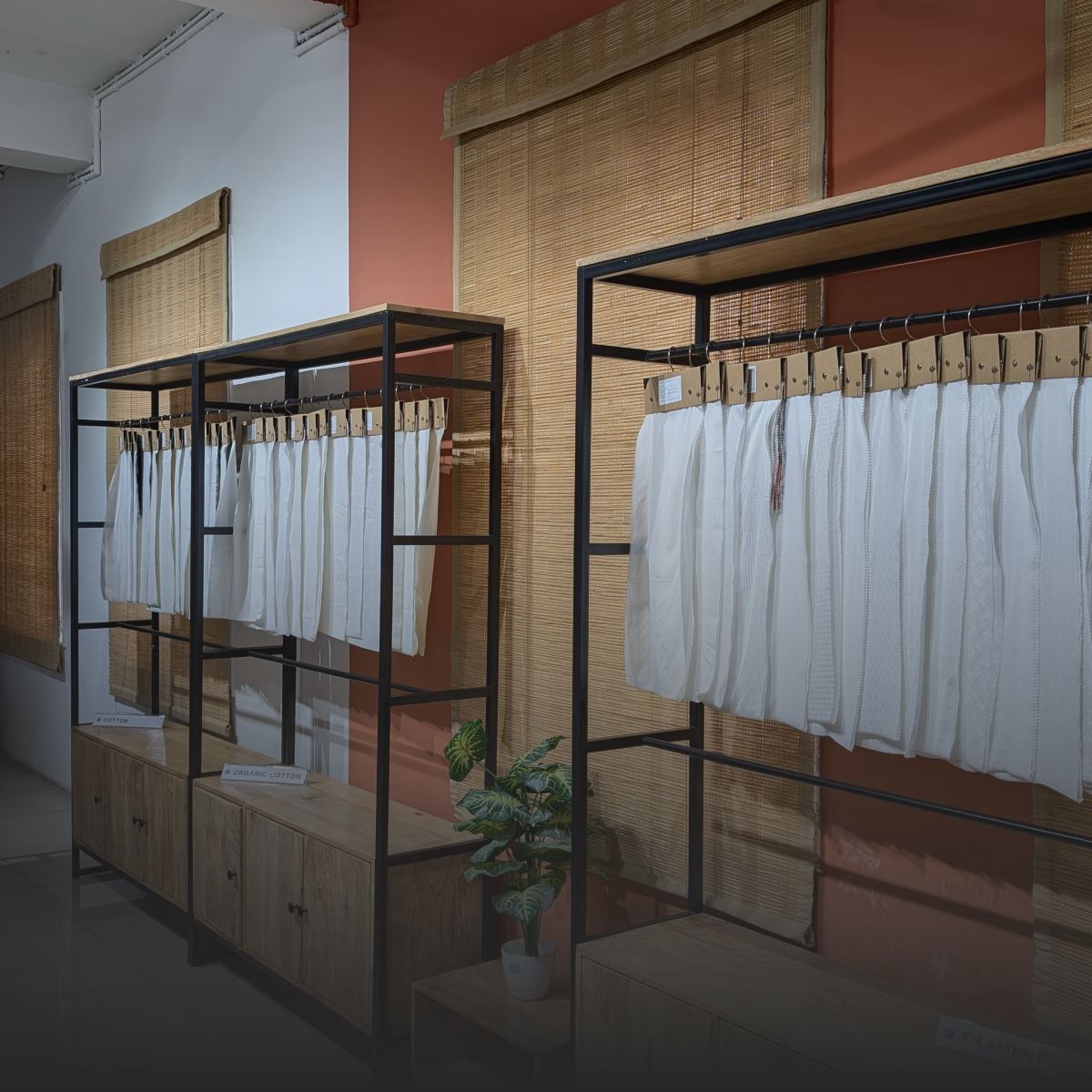

As temperatures rise around the world and fashion cycles shorten, summer dress fabric selection in 2026 is based on a lot more than how the fabric looks. For summer dresses, designers, fashion brands, boutiques, and fashion students now choose fabrics that are breathable and carefully balance comfort, drape, durability, sustainability, and scalability.
Summer dresses are still very popular in major fashion cities like Paris, Milan, New York, and Dubai. The fabric you choose has a direct effect on how well the dress fits, how quickly it sells, and how people feel about your brand in the long term.
This book talks about the best fabrics for summer dresses in 2026. It combines global fashion trends with helpful information from fabric sourcing and low-MOQ manufacturing realities. This helps designers and brands make smart decisions that will work in the future.
Why Fabric Choice for Summer Dresses Matters More in 2026
People wear summer dresses right against their skin for long periods of time, usually in hot and humid places. Buyers in 2026 want summer dresses that do more than just look suitable for the season. They want dresses that deliver performance, comfort, and responsibility.
What modern summer dresses should have:
- Natural breathability and airflow.
- Moisture absorption and cooling comfort.
- Lightweight structure without transparency issues.
- Soft drape that flatters diverse body types.
- Sustainable sourcing and ethical production.
- Colour stability despite sun exposure and frequent washing.
Fabric sourcing is not just a technical decision; it's also a business decision because choosing the wrong fabric can cause problems like too much heat, discomfort, bad fit, fast fading, and more returns.
Key Fabric Performance Criteria for Summer Dresses
In 2026, buyers and designers choose fabrics by looking at how well they perform in these main areas:

|
Fabric Property |
Importance for Summer Dresses |
|
Breathability |
Prevents heat build-up |
|
Moisture Absorption |
Keeps skin dry |
|
Lightweight GSM |
Enables day-long comfort |
|
Soft Hand Feel |
Enhances wearability |
|
Drape & Flow |
Defines dress silhouette |
|
UV & Colour Stability |
Maintains appearance |
|
Sustainability |
Influences purchasing decisions |
Global Summer Dress Trends Influencing Fabric Choices (2026)
Based on global fashion predictions and what's happening on the runway:
- Collections are mostly made up of loose silhouettes and fluid shapes.
- Wear for the beach and dresses for day to night are still popular.
- Synthetic textures and finishes don't work as well as natural ones.
- Fabrics that are eco-friendly and easy to track build trust in a brand.
- Low MOQ production allows for capsule collections and minor drops.
Because of these changes, fabrics, not cuts, are now the most critical part of successful summer dress collections.
Best Natural Fabrics for Summer Dresses in 2026
In 2026, summer dress collections will still be based on natural fabrics, which are the most breathable, comfortable, and easy-to-wear materials. They also fit with global trends toward slow fashion and sustainability.
Linen – The Ultimate Summer Dress Fabric
Linen fabric is still the most popular fabric for summer dresses around the world. Its open weave design lets a lot of air flow through, and the fact that it naturally absorbs moisture makes it feel cool, making it perfect for very hot weather.
Why linen is going to be big in 2026:
- Breathability is exceptional.
- Naturally controlling temperature.
- Textured but high-end look.
- It works for both loose and tight body shapes.
Best uses
- Midi and maxi dresses
- Shirt dresses
- Resort and vacation wear
Commercial insight
Linen blends, like linen–viscose or linen–cotton, keep airflow going while reducing wrinkles. This makes them better suited for mass production that is ready to export.

Lightweight Cotton (Voile, Lawn, Cambric, Muslin)
Summer dresses are still mostly made of cotton fabric, but fabric construction is key. Cotton weaves that are light let air flow through while still keeping their shape.
How cotton works:
- Gentle on the skin and airy.
- It's simple to print and dye.
- Cheap styles for everyday use.
Popular applications:
- Casual dresses
- Tiered silhouettes
- Kids' wear and maternity wear
More and more, eco-friendly shoppers and high-end stores are choosing organic cotton.
Ramie
Ramie is becoming more popular as an alternative to linen in 2026 summer. It is also cool, but it has higher tensile strength and natural resistance to microbial growth, which makes it perfect for summer dresses that you can wear for a long time.
Regenerated & Semi-Synthetic Fabrics Shaping Summer Dresses
In 2026, summer dresses will be different because of regenerated and semi-synthetic fabrics that combine breathable performance, fluid drape, and sustainability.
Viscose / Rayon
Viscose Rayon Fabric is still a popular fabric for summer dresses because it drapes easily, is soft, and lets air pass through it. It looks like silk but works better in hot weather.
Ideal for
- Wrap dresses
- Bias-cut silhouettes
- Modest and flowing designs
To make sure it lasts and keeps from pilling, you need high-quality viscose with controlled yarn strength.
Modal
The luxurious softness and smoothness of modal make it perfect for dressy casuals and summer styles that look like loungewear.

TENCEL™ Lyocell
In 2026, Lyocell is one of the summer dress fabrics that is growing the fastest.
- Superior moisture management
- Excellent temperature regulation
- Sustainable closed-loop production
Luxury brands and labels that care about the environment are using lyocell more and more for their high-end collections.
Sustainable Fabrics Driving Summer Dress Demand
It's no longer a niche preference to be environmentally friendly; it's now a core buying requirement.
Some popular eco-friendly summer dress fabrics are:
- Organic cotton
- Responsibly sourced viscose
- Linen from traceable supply chains
- Low-impact dyed fabrics
Higher consumer trust, stronger brand loyalty, and repeat purchases are all things that brands that use sustainable fabrics consistently see.
Best Fabrics for Summer Dresses (2026) – Quick Comparison
|
Fabric |
Breathability & Comfort |
Drape & Performance |
Best Use Cases |
|
Linen |
Very high airflow |
Medium drape |
Maxi, resort dresses |
|
Linen blends |
High comfort |
Improved drape |
Shirt dresses |
|
Lightweight cotton |
Soft & breathable |
Structured yet airy |
Casual, kidswear |
|
Organic cotton |
Skin-safe |
Stable drape |
Boutique collections |
|
Ramie |
Cooling |
Crisp & durable |
Long-wear dresses |
|
Viscose |
Cool on skin |
Fluid drape |
Wrap, modest dresses |
|
Modal |
Ultra-soft |
Flowing |
Casual luxury |
|
Lyocell |
Moisture control |
Premium drape |
Sustainable dresses |

Fabric Selection by Summer Dress Style
|
Dress Type |
Recommended Fabrics |
|
Maxi dresses |
Linen blends, viscose |
|
Midi dresses |
Cotton poplin, lyocell |
|
Resort dresses |
Linen, ramie |
|
Casual dresses |
Cotton voile, modal |
|
Modest dresses |
Viscose crepe, lyocell |
Common Fabric Mistakes to Avoid for Summer Dresses
A well-thought-out dress can fail if it is made from the wrong fabric.
These are some common mistakes:
- Making use of thick GSM fabrics that keep heat in.
- Picking viscose that isn't very good and tends to pill.
- Ignoring how stable dyed fabrics are in UV light.
- Overlooking lining breathability.
- Not testing the fabric before making a lot of it.
By not making these mistakes, you can significantly increase wearability and lower the number of returns.
Dyeing, Printing & Colour Trends for 2026
Strong demand is seen for in the summer of 2026:
- Earth tones and pastels that have been washed in the sun.
- Prints of plants and handmade goods.
- Fibers that are digitally printed for small runs.
The colors will stay the same even after being washed a lot and being out in the sun if you use good reactive dyeing and digital printing.
Low MOQ Fabric & Dress Manufacturing: Why It Matters
Fashion brands in 2026 increasingly rely on:
- Capsule collections
- Market testing
- Limited-edition drops
Low MOQ sourcing lets brands try new things without having too much stock while keeping the quality at an export level.

Fabriclore: Fabric to Finished Summer Dresses
It is crucial for designers, brands, and boutiques planning summer dress collections to have a reliable partner for fabric sourcing and clothing manufacturing. Fabriclore helps with all stages of production, from wholesale fabric sourcing and fabric swatches to low MOQ garment manufacturing. This makes it easier to make summer dresses that are ready to export without having to deal with complicated supply chains.
End-to-End Fabric Sourcing Platform
Fabriclore is a platform for finding fabrics that uses technology and has 10+ years of experience in finding fabrics, dying them, and printing them. Designers and brands can buy fabric online, get access to wholesale fabrics, and order fabric swatches to test out before making a lot of it.
Key fabric capabilities
- Greige and RFD fabrics
- Dyed and printed fabrics
- Cotton, linen, viscose, modal, and blended fabrics
- Sustainable fabric options
Clothing Manufacturing & Summer Dress Garmenting
Fabriclore also supports clothing manufacturing at low MOQ, which makes it easy for brands to go from fabric to finished clothes.
Garmenting support includes
- Summer dresses garmenting
- Cotton fabric clothing
- Linen fabric clothing
- Rayon fabric garmenting
- Apparel manufacturing for small brands, designers, boutiques, and international private labels
Fabriclore makes the supply chain simpler while making sure the quality is export-ready by combining fabric sourcing with clothing manufacturing.
Future Fabric Innovations for Summer Dresses
By late 2026 and beyond, expect:
- Cooling fibers made from plants.
- Smart fabrics that can adapt to moisture.
- dyeing methods that use very little water.
- Digitally controlled the consistency of the colors.
Comfort-driven fashion will be led by brands that change quickly.

Conclusion
Comfort, performance, sustainability, and commercial viability are what the best summer dress fabrics of 2026 have in common. Global collections are still shaped by linen, lightweight cotton, viscose, lyocell, and new eco-fibres. Low MOQ sourcing lets brands stay flexible.
Fabriclore helps designers, brands, and boutiques around the world make summer dress collections that appeal to modern customers by offering end-to-end fabric sourcing, custom dyeing and printing, and low MOQ clothing manufacturing. They do this without sacrificing quality or flexibility.
FAQs
1. What Are The Best Fabrics For Summer Dresses In 2026?
Linen, light cotton, viscose, modal, and TENCELTM lyocell are some of the best fabrics for summer dresses in 2026. These fabrics are great for modern summer fashion because they breathe well, keep moisture away, and are comfortable.
2. Which Fabric Is The Most Breathable For Summer Dresses?
Due to its open weave structure and natural airflow, linen fabric is the most airy choice for summer dresses. Fabrics made of lightweight cotton and lyocell also work really well in hot and humid places.
3. Are Sustainable Fabrics Suitable For Summer Dresses?
Yes, sustainable fabrics for summer dresses like organic cotton, viscose that is responsibly sourced, linen, and lyocell work really well. They meet the demand for eco-friendly clothing around the world while also being comfortable and long-lasting.
4. What Fabrics Are Best For Flowy And Draped Summer Dresses?
Most summer dresses that flow and drape well are made of viscose, rayon, modal, and lyocell fabrics. They are great for wrap dresses, bias-cut styles, and relaxed silhouettes because they feel soft and drape easily.
5. Can Small Brands Source Summer Dress Fabrics With Low MOQs?
Yes, a lot of fabric sourcing platforms now offer summer dress fabrics with low MOQ. Small brands, designers, and boutiques can now order fabric swatches, try out collections, and make limited runs without having to worry about having too much inventory.
We also happen to be a magnet for suggestions, and would love to catch yours….throw us yours on hello@fabriclore.com
Learn, Create & Grow with us 

Also Read Related Blogs:
1. Best Linen Summer Dresses for Every Occasion: From Casual to Formal Summer Styles
2. Cotton vs Linen vs Viscose: Best for Summer Dresses?
3. Essential Tips for Designing Pure Cotton Dresses for Summer
4. How Cotton Fabric Is The Best For Summer Season?
5. Explore the Spring/Summer 2024 Fashion Trends Fabrics & Colors