Sustainable fabrics for bulk purchase are crucial for modern fashion brands, clothing manufacturers, and private label companies, as the fashion industry is rapidly moving toward more responsible, eco-friendly production. Brands are investing in eco-friendly materials like TENCEL fabrics, recycled polyester, biodegradable textiles, and organic cotton fabric wholesale. These materials align with global sustainability goals and changing customer expectations. People who buy things today want more than just good looks. They want ethical sourcing, certified sustainable fabrics, low-impact production, and supply chains that are easy to trace. As the need for eco-friendly fabrics for clothing brands grows, choosing the right sustainable textile is important for creating designs that can be scaled up, future-ready, and environmentally friendly.
Sustainable Fabrics Market Growth: Why Brands Are Shifting Toward Eco-Friendly Textiles

The world market for sustainable fabrics is growing at a pace never seen before. The Sustainable Fabrics Market was valued at USD 37.26 billion in 2025 and is expected to reach over USD 115.72 billion by 2035, with a CAGR of over 12%.
The market is projected to reach about USD 41.28 billion in 2026. This is because consumers are becoming more aware of environmental issues, environmental laws are getting stricter, and more global fashion brands are using sustainable sourcing methods.
Some key business trends are:
Over 52% of major fashion brands have pledged to use eco-friendly materials such as recycled polyester, organic cotton, and hemp.
- More than 62% of global fashion brands now use zero-waste, recycling, or upcycling in their production.
- The clothing market is projected to make up almost 67.8% of the sustainable fabrics market.
- New sustainability rules in the EU are prompting more people to buy certified, responsible textiles from abroad.
Because of this rising need, bulk sourcing of sustainable fabrics has become one of the most important ways for fashion companies to buy in 2026.
Complete Sustainable Fabric Directory for Bulk Purchase

As more global fashion brands move toward producing in an ethical and environmentally friendly way, choosing the right sustainable fabrics for bulk purchase has become important for creating fashion lines ready for the future. Each eco-friendly fabric, like hemp, recycled polyester, and organic cotton, has its own benefits for performance, comfort, and the environment. Here is a full list of the most-wanted eco-friendly fabrics for clothing brands, along with information on where to find them, how to get certified ones, and what they're best used for.
1. Organic Cotton Fabric — The Most Popular Sustainable Fabric
Organic cotton fabric wholesale is still one of the best options for eco-friendly fashion brands because it is soft, airy, and versatile. Because it isn't grown with GMO seeds, harmful fertilizers, or synthetic poisons, it is safer and better for the environment than regular cotton. Because it is biodegradable and good for your skin, organic cotton is often used by fashion brands for T-shirts, skirts, kids' clothes, underwear, and sustainable basics.
Common bulk fabric options include:
- Organic cotton jersey.
- Poplin.
- Twill.
- Muslin.
- Canvas.
- Organic cotton blends.
Key certifications:
- GOTS
- OCS
- Oeko-Tex Standard 100
- Fair Trade
2. Hemp Fabric — High-Performance Eco-Friendly Textile
Hemp fabric for sustainable clothing is gaining popularity because it lasts a long time, requires little water, and requires few chemicals. Hemp is one of the most eco-friendly natural fibers because it naturally keeps bugs away and makes the land healthier while it grows. Hemp is often used by fashion brands for jackets, holiday clothes, work clothes, and high-end casual collections.
Common bulk fabric options include:
- Hemp canvas.
- Hemp jersey.
- Hemp-cotton blends.
- Hemp twill.
Key certifications:
- GOTS
- USDA Organic
- Oeko-Tex Standard 100
3. Organic Linen Fabric — Premium Sustainable Luxury
The lightweight and breathable nature of organic linen fabric wholesale makes it a popular choice for high-end summer and resort wear collections. Linen is made from flax fibers and doesn't require much water or chemicals to process. This makes it a great choice for fashion brands that care about the environment. A lot of high-end basics, dresses, shirts, and dressed-up casual wear are made from it.
Common bulk fabric options include:
- Greige linen.
- Dyed linen.
- Slub linen.
- Linen-cotton blends.
- Linen-viscose blends.
Key certifications:
- European Flax
- GOTS
- Oeko-Tex Standard 100
4. Recycled Polyester (rPET) — Sustainable Performance Fabric
One of the most popular types of sustainable fabric for exercise and technical clothing is recycled polyester. rPET, made from recycled PET bottles and textile waste, helps reduce landfill waste and energy use compared to virgin polyester. Because it lasts longer and doesn't get wet, brands like recycled polyester for exercise, swimwear, outerwear, and performance clothes.
Common bulk fabric options include:
- rPET jersey.
- rPET fleece.
- rPET woven fabrics.
- rPET ripstop.
- Swimwear blends.
Key certifications:
- GRS
- Bluesign
- Oeko-Tex Standard 100
5. TENCEL™ Lyocell — Closed-Loop Sustainable Fabric
High-end fashion brands use TENCEL Lyocell fabric a lot because it is very soft, keeps moisture away, and is environmentally friendly. TENCEL is made from FSC-certified wood pulp in a closed-loop process that recovers and reuses most of the chemicals used. It works great for dresses, sports, jeans, high-end basics, and skin-tight clothing.
Common bulk fabric options include:
- TENCEL woven fabric.
- TENCEL jersey.
- TENCEL denim.
- TENCEL-cotton blends.
- Modal blends.
Key certifications:
- FSC
- EU Ecolabel
- Oeko-Tex Standard 100
6. Bamboo Lyocell Fabric — Soft & Sustainable Alternative
Environmentally friendly clothing companies are increasingly using bamboo lyocell fabric because it is soft, breathable, and antimicrobial. Because it grows quickly and requires little water or chemicals, bamboo is a renewable, environmentally friendly source of fiber. It is often used for sets of baby clothes, casual wear, loungewear, and comfortable underwear.
Common bulk fabric advantages include:
- Ultra-soft texture.
- Moisture-wicking comfort.
- Breathability.
- Skin-friendly feel.
Key certifications:
- FSC
- GOTS
- Oeko-Tex Standard 100
7. Recycled Cotton Fabric — Circular Fashion Essential
Wholesale recycled cotton fabric helps circular fashion by repurposing old clothes and reducing our reliance on new cotton production. It helps brands reduce their impact on the earth and support zero-waste production goals by being made from pre-consumer waste and recycled clothing. It's used a lot for jeans, hoodies, casual wear, workwear, and outfits.
Common bulk fabric options include:
- Recycled cotton fleece.
- Denim blends.
- Casualwear fabrics.
- Uniform fabrics.
Key certifications:
- GRS
- RCS
- Oeko-Tex Standard 100
8. ECONYL® Recycled Nylon — Sustainable Fabric for Performance Wear
ECONYL® is a recycled nylon that is made from fishing nets, textile scraps, and leftover plastic from factories. It works as well and lasts as long as virgin nylon, and it helps continuous textile production. Sustainable fashion brands often use ECONYL for lines of swimwear, activewear, technical clothing, and high-end outerwear.
Common applications include:
- Swimwear fabrics.
- Stretch activewear.
- Technical outerwear.
- Performance apparel.
Key certifications:
- GRS
- Bluesign
- Oeko-Tex Standard 100
9. Organic Wool & Recycled Wool — Sustainable Winter Luxury
Organic wool and recycled wool fabrics are very popular for high-end winter clothes and knits because they naturally keep you warm, let air flow through, and last a long time. Also, recycled wool helps reduce textile waste while maintaining the soft feel and performance that high-end clothing lines expect.
Common applications include:
- Knitwear fabrics
- Luxury suiting
- Winter outerwear
- Wool blend fabrics
Key certifications:
- RWS
- GOTS
- ZQ Merino
10. Modal (TENCEL™ Modal) — Sustainable Soft Fabric for Premium Basics
The majority choose modal fabric wholesale for high-end basics because it is silky soft, light, and drapes smoothly. TENCEL Modal is made from beech wood sourced sustainably. It uses a lot less water than regular cotton and is made in a more environmentally friendly way. It's often used for T-shirts, loungewear, dresses, underwear, and athletic wear.
Common bulk fabric options include:
- Modal jersey
- Modal blends
- Rib fabrics
- Lightweight knitted fabrics
Key certifications:
- FSC
- EU Ecolabel
- Oeko-Tex Standard 100
Emerging Sustainable Fabrics in 2026
Green products are quickly getting a lot of new ideas. Now you can get the following new sustainable materials:
- Piñatex (pineapple leather)
- Banana fiber fabric
- Mushroom leather
- Apple skin leather
- Algae-based textiles
On a growing basis, high-end accessories and experimental fashion lines are using these next-generation materials.
Sustainable Fabric Comparison Table
|
Fabric |
Water Usage |
Biodegradable |
Best For |
Key Certification |
|
Organic Cotton |
Moderate |
Yes |
Basics & everyday wear |
GOTS |
|
Hemp |
Very Low |
Yes |
Streetwear & workwear |
GOTS |
|
Organic Linen |
Very Low |
Yes |
Resort & summer wear |
European Flax |
|
Recycled Polyester |
Low |
No |
Activewear & swimwear |
GRS |
|
TENCEL Lyocell |
Very Low |
Yes |
Dresses & premium basics |
FSC |
|
Bamboo Lyocell |
Very Low |
Yes |
Innerwear & babywear |
FSC |
|
Recycled Cotton |
Near Zero |
Yes |
Denim & casualwear |
GRS |
|
ECONYL Nylon |
Low |
No |
Swimwear & performance wear |
Bluesign |
|
Organic Wool |
Low |
Yes |
Knitwear & winterwear |
RWS |
|
Modal |
Low |
Yes |
Loungewear & basics |
FSC |
Certifications Every Sustainable Fashion Brand Should Check

Sustainability claims that aren't backed up by certifications can lead to buying problems.
Some important certificates are:
- GOTS — Organic fiber and ethical processing.
- GRS — Recycled content verification.
- Oeko-Tex Standard 100 — Chemical safety.
- Bluesign — Sustainable textile processing.
- FSC — Sustainable forestry sourcing.
- RWS — Responsible wool sourcing.
These certificates are becoming increasingly important for brands that want to sell their products in Europe, the UK, the USA, Canada, Australia, and the Middle East.
Best Sustainable Fabric Recommendations by Product Category
|
Product Type |
Recommended Sustainable Fabric |
|
T-shirts |
Organic cotton, Modal |
|
Dresses |
TENCEL, Linen |
|
Activewear |
Recycled polyester, Modal |
|
Swimwear |
ECONYL, rPET |
|
Outerwear |
Hemp, recycled polyester |
|
Kidswear |
Organic cotton, bamboo |
|
Denim |
Recycled cotton, TENCEL Refibra |
|
Resort Wear |
Linen blends, TENCEL |
The demand for green fabrics in clothing continues to rise worldwide. This is happening in vacation wear, activewear, premium basics, kidswear, and modern fashion collections.
Where to Source Sustainable Fabrics in Bulk

One of the hardest things for current fashion brands is finding sustainable fabrics in bulk. A lot of companies struggle with supply networks that are spread out, inconsistent fabric quality, late samples, high minimum order quantities, and limited ability to make many changes. As the trend toward sustainable fashion spreads around the world, brands need to find sourcing partners that can offer certified, eco-friendly fabrics and stable production scalability.
For design companies that want to:
- GOTS-certified organic cotton fabrics.
- TENCEL™ and LENZING™ certified fabrics.
- Sustainable dyeing and eco-friendly printing.
- Low MOQ bulk fabric sourcing.
- Shipping around the world and helping with scalable production.
For production to go smoothly and quickly, it's important to find a trusted sourcing ecosystem.
Why Fabriclore is a Preferred Sustainable Fabric Sourcing Platform
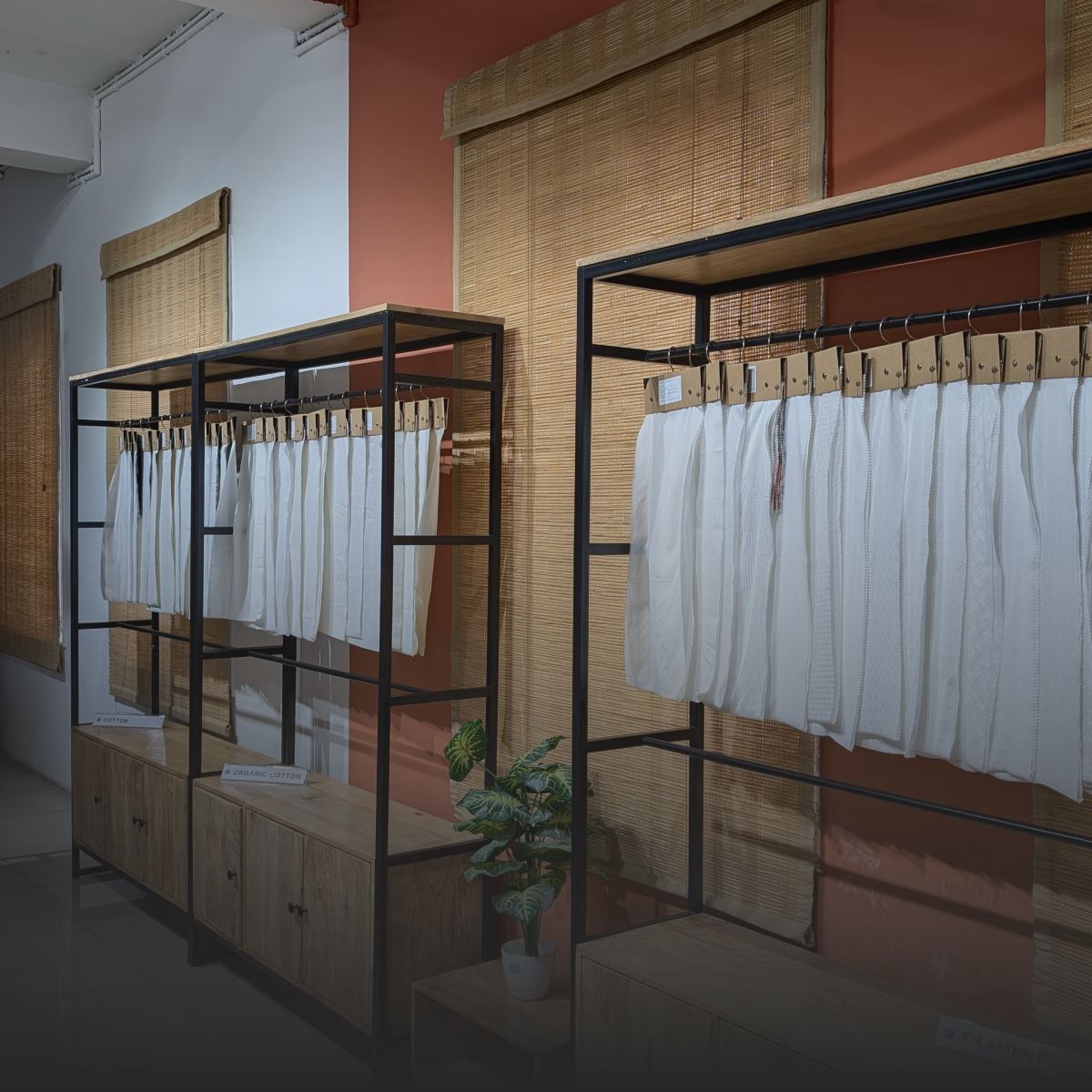
The Fabriclore Sustainable Fabric Collection has become a reliable place for fashion brands, clothing companies, and private label companies to find approved sustainable textiles that can be made in a variety of ways.
Unlike traditional sourcing methods, which involve working with multiple sellers to source fabric, dye it, print it, and make it, Fabriclore combines all these steps into a single, streamlined ecosystem. This makes it easier for brands to source products while also improving supply chain consistency, speed, and clarity.
With 5000+ fabrics at their fingertips and an instant textile discovery method, brands can quickly look for and find:
- Organic cotton fabrics.
- TENCEL™ and LENZING™ certified fabrics.
- Bemberg™ fabrics.
- LIVA™ fabrics.
- Sustainable blended textiles.
The platform also supports:
- Digital printing.
- Screen printing.
- Block printing.
- Custom dyeing.
- Sampling & swatch development.
- Fabric processing and production coordination.
Fabriclore's integrated order management system lets brands see what's happening at each step of sampling, printing, dying, and manufacturing. This helps them make more accurate plans and maintain consistent fabric quality.
Fabriclore helps brands handle everything from product development to mass production with ease. It does this by leveraging a 20-million-meter manufacturing network and 10+ years of expertise in dyeing and textile processing.
Today, 500+ global private labels trust Fabriclore to help them find sustainable fabrics and make clothes. The platform also provides worldwide sourcing and shipping support across major fashion markets, including the USA, UK, Middle East, Australia, New Zealand, Russia, Canada, and Europe.
Conclusion
Sustainable fabric buying is no longer a niche trend; it's now a must for fashion brands and clothing makers doing business today.
Brands can now choose from a wide selection of eco-friendly materials for mass fashion production. These materials include organic cotton fabric wholesale, recycled polyester, TENCEL Lyocell, hemp fabric, and new bio-based textiles.
How to pick the right eco-friendly fabric relies on:
- Product category
- Consumer expectations
- Performance requirements
- Certifications
- Pricing strategy
- Environmental goals
As global regulations tighten and eco-friendly fashion remains popular, brands that invest in certified sustainable fabrics will be better positioned to meet these regulations, grow in the fashion industry, and stay competitive in the long run.
FAQs
1. What Are The Best Sustainable Fabrics For Bulk Clothing Production?
Organic cotton, hemp, TENCEL Lyocell, recycled polyester, organic linen, bamboo Lyocell, and recycled cotton are some of the best sustainable fabrics for bulk purchase. Fashion brands often use these fabrics to make eco-friendly clothes because they last longer, cause less environmental damage, and can be produced on a larger scale.
2. Which Sustainable Fabric Is Best For Eco-Friendly Fashion Brands?
Most eco-friendly fashion brands use organic cotton and TENCEL materials because they are soft, biodegradable, breathable, and versatile. Hemp and recycled polyester are also popular materials for making clothes that last and work well.
3. Where Can Fashion Brands Source Sustainable Fabrics In Bulk?
Fashion brands can get certified sustainable fabrics in bulk from sites like Fabriclore Sustainable Fabric Collection, which offers certified fabrics in organic cotton, TENCEL, and LENZING, as well as custom coloring, printing, low minimum order quantities, and shipping worldwide.
4. What Certifications Should Sustainable Fabric Suppliers Have?
Reliable suppliers of sustainable fabric should show proof of certifications, such as:
- GOTS
- GRS
- Oeko-Tex Standard 100
- FSC
- Bluesign
- RWS
These credentials help clothing companies make sure that their items are made with safe chemicals, organic materials, and recycled materials, and that they also meet standards for processing textiles in an ethical way.
5. Which Sustainable Fabric Is Best For Activewear And Performance Clothing?
For making activewear and clothing in a way that is good for the environment, brands usually choose:
- Recycled polyester (rPET)
- ECONYL® recycled nylon
- TENCEL™ Modal
- Bamboo lyocell
Compared to regular synthetic fabrics, these are better at managing sweat, lasting longer, stretching, and performing in harsh environments.
We also happen to be a magnet for suggestions, and would love to catch yours….throw us yours on hello@fabriclore.com
Learn, Create & Grow with us 

Read Also:- Sustainable Fabrics Meeting International Eco-friendly Standards
Top Platforms to Source Sustainable Fabrics for your Fashion Brand