Today, fabric sourcing has changed from just buying materials to a key part of business strategy. For brands entering bulk apparel export, scaling private label collections, or working with an international garment manufacturer in India, sourcing decisions impact product quality, margins, and brand reputation.
Even with access to global fabric suppliers, digital tools, and growing online wholesale fabric marketplaces, many fashion brands still make expensive sourcing errors. These errors disrupt production schedules and affect customer satisfaction and growth.
This guide looks at common fabric sourcing mistakes and how brands can avoid them with better strategies, supplier relationships, and tech-enabled platforms.
Why Fabric Sourcing Is the Backbone of Fashion Success

Fabric is what makes clothes possible. It decides how something looks, feels, works, and lasts. Every choice you make about where to get breathable cotton for everyday wear, linen for vacation collections, or performance fabrics for athleisure must be in line with the market and how the clothes will be used.
Global demand for knitwear, woven clothing, outerwear, and sustainable home textiles means that brands have to carefully match fabrics like cotton jersey, fleece, linen, viscose, and blends to different kinds of clothing.
A good approach for sourcing makes sure that:
- Consistent product quality.
- Better cost control.
- Faster production cycles.
- Stronger positioning in competitive markets.
Common Fabric Mistakes, And How to Avoid Them

Brands seeking scalability may find it difficult to navigate fabric wholesale markets, worldwide fabric suppliers, and wholesale fabric online platforms. Many companies unwittingly affect product quality, schedules, and profitability through sourcing.
Building a reliable supply chain requires understanding these problems. Fashion brands' biggest fabric procurement blunders and how to prevent them for better quality, cost effectiveness, and scalable growth are below.
1. Choosing Price Over Performance
When brands work with fabric wholesalers or source from fabric wholesale markets, one mistake they often make is putting cost over quality.
Even though low prices might seem appealing, they often lead to:
- Fabric shrinkage and color fading.
- Poor durability and garment lifespan.
- Increased returns and negative customer feedback.
Consistency is very important for brands that do private-label clothing production. Finding cheap fabric may save you money up front, but it will cost you more in the long run because of poor quality.
Smart brands focus on value-based sourcing, which means finding the right balance between price, performance, longevity, and what the customer wants.
2. Not Understanding Fabric Specifications
It's amazing how many brands don't fully understand technical fabric parameters when they buy from fabric suppliers.
Important things that are often forgotten are:
- GSM (fabric weight).
- Fiber composition (cotton, viscose, blends).
- Weave type (plain, twill, satin).
- Stretch and recovery.
Ignoring these factors can lead to clothes that don't go together, like using light fabrics for structured patterns or heavy fabrics for clothing that needs to breathe.
It's important to understand specifications when buying in areas like
- Knitwear (jersey, rib, fleece).
- Woven garments (poplin, linen, twill).
- Performance fabrics (poly-spandex blends).
3. Skipping Fabric Swatches and Sampling
A lot of brands place large orders without first making sure they're safe. If you buy from local vendors or wholesale fabric online platforms, don't skip the samples. It will cost you a lot.
Before starting to make something, brands should always:
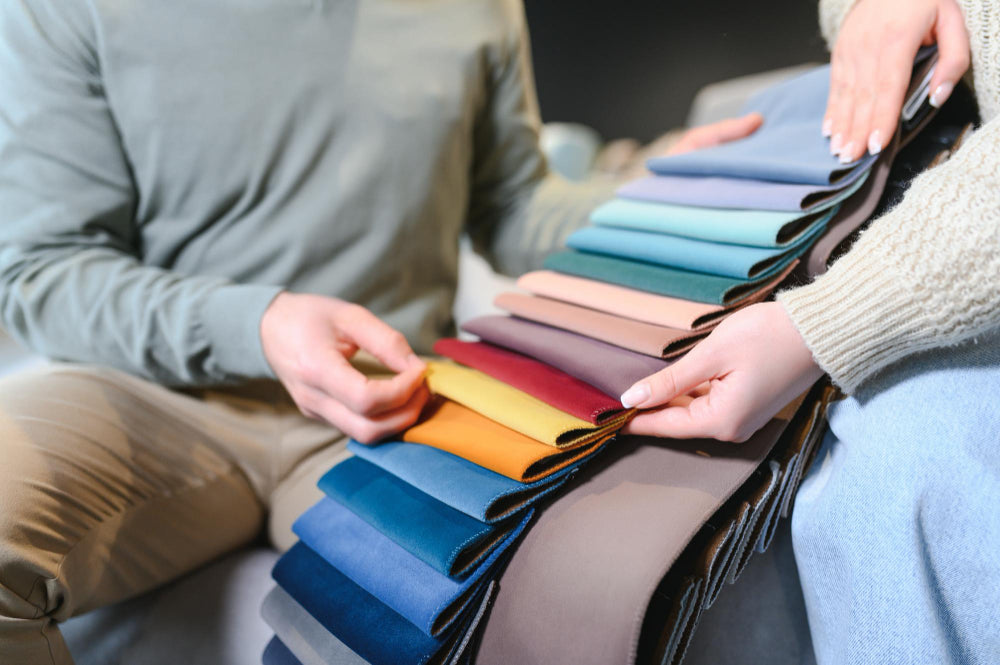
- Buy fabric swatches to evaluate texture, weight, and color.
- Compare multiple suppliers.
- Conduct wash and wear tests.
Fabric swatches are the first quality check that helps brands make sure that the end product matches what they expected.
When working with new fabric wholesalers or looking into international sourcing possibilities, sampling is even more important.
4. Ignoring Fabric Testing
Testing fabrics isn't always given enough attention, especially by new brands that are trying to save money. But skipping this step can cause major problems with the process.
Some common risks are:
- Shrinkage after washing.
- Color bleeding.
- Weak fabric strength.
- Inconsistent dyeing.
Lab tests are an important part of the buying process for professional brands because they make sure that every fabric meets standards for durability and performance before they start mass production.
5. Choosing the Wrong Fabric Supplier
There are different fabric suppliers that are not all as trustworthy, open, or high-quality. If you pick the wrong partner, it could mess up the whole supply line.
Common problems with suppliers:
- Delayed deliveries.
- Inconsistent quality across batches.
- Lack of certifications or compliance.
When brands look at providers, whether they're local or through wholesale fabric online sites, they should focus on:
- Certifications (ISO, GOTS, OEKO-TEX).
- Transparent communication.
- Proven export experience.
For long-term success in foreign markets, you need to have good relationships with your suppliers.
6. Ignoring MOQ and Inventory Planning
MOQ, or Minimum Order Quantity, is a very important part of a buying strategy. A lot of brands guess wrong about demand and end up with too much inventory.
This leads to:
- Dead stock.
- Cash flow issues.
- Storage challenges.
When brands work with manufacturers that offer low MOQ manufacturing, they can:
- Test new designs.
- Reduce risk.
- Scale gradually.
This method works especially well for new fashion names and startups.
7. Poor Production and Sourcing Timeline Planning
Fabric buying delays can throw off whole production plans. Time is very important in the world fashion market.
Reasons why delays happen often:
- Late sampling approvals.
- Supplier backlog.
- Inefficient communication.
Brands that are good at bulk apparel export use structured timelines, buffer times, and digital tools to keep track of the progress of their sourcing in real time.
8. Relying on Traditional Sourcing Methods
Traditional sourcing methods—such as manual vendor selection and offline negotiations—limit scalability and efficiency.
Modern brands are shifting toward:
- Digital sourcing platforms.
- Real-time inventory tracking.
- Online supplier comparisons.
Using wholesale fabric online platforms enables faster decision-making, broader supplier access, and improved cost transparency.
9. Ignoring Global Fabric and Fashion Trends
It is a big mistake to buy fabrics without knowing how the world demand is changing. The tastes of consumers in different countries are always changing.
Some key trends are:
- Sustainable fabrics like organic cotton and linen.
- Comfort-driven knitwear.
- Functional athleisure fabrics.
- Resort wear and co-ord sets.
Sources that follow these trends help brands stay ahead of the competition and make sure their products are a good fit for the market.
10. Neglecting Sustainability in Fabric Sourcing
Sustainability is now a must for buyers around the world. If brands don't use ethical sourcing methods, they could lose market access and reputation.
This is what sustainable buying means:
- Eco-friendly fibers.
- Responsible dyeing processes.
- Transparent supply chains.
Working with responsible fabric wholesalers raises the value of your brand and ensures you follow international rules.
11. Weak Supplier Relationships
Getting fabric is not a trade; it's a relationship. When brands move suppliers a lot, quality and communication can become inconsistent.
When you have strong relationships with reliable fabric suppliers, you can:
- Better pricing.
- Faster production.
- Innovation support.
- Priority service.
Stability and growth come from working together for a long time.
12. Poor Communication and Incomplete Tech Packs
Production mistakes often happen when brands and providers don't talk to each other clearly.
Some common problems are:
- Missing fabric details.
- Incorrect measurements.
- अस्पष्ट instructions.
Accurate production results are guaranteed by tech packs that are full of clear fabric specs, color codes, and building instructions.
13. Fabric Waste and Cost Inefficiency
Many brands don't think about the secret cost of fabric waste. Bad planning causes things to be lost and costs to go up for no reason.
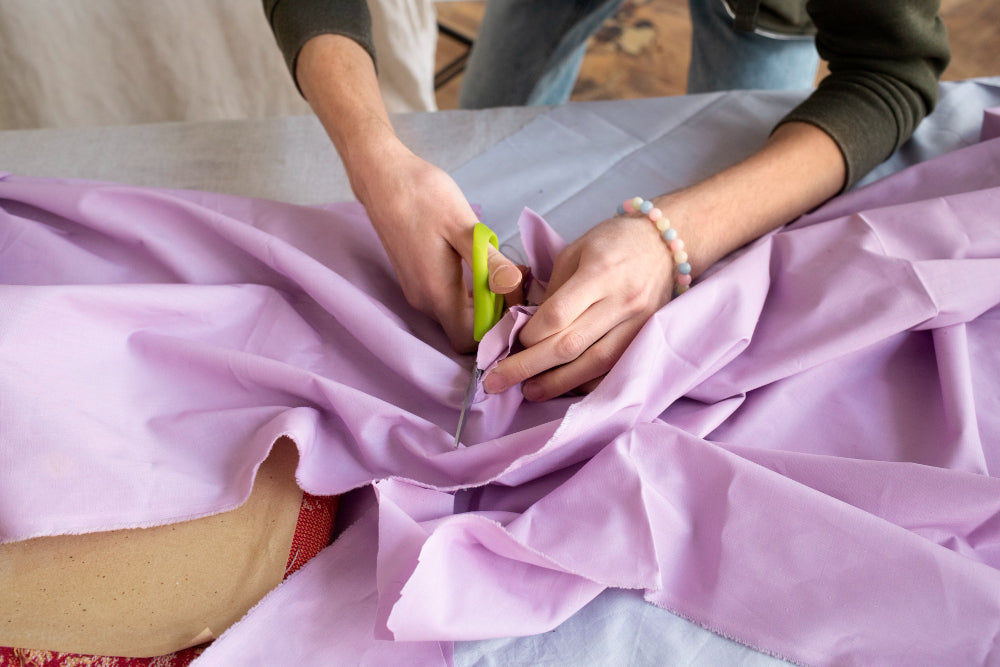
Making the best use of cloth by cutting and planning it well helps:
- Reduce costs.
- Improve sustainability.
- Enhance profitability.
14. Lack of Data-Driven Sourcing Strategy
For modern fashion sourcing, choices need to be based on data. When brands depend only on their gut feelings, they often have trouble predicting demand and finding the best ways to cut costs.
Sourcing based on data helps brands:
- Analyze fabric performance.
- Predict trends.
- Optimize procurement.
This method makes global markets more efficient and competitive.
15. Resistance to Innovation and Technology
New ideas are what will make fabric sources work in the future. Technology is changing how brands work, from AI-driven buying to digital fabric libraries.
When brands are open to new ideas, they get:
- Faster sourcing cycles.
- Reduced costs.
- Better decision-making.
In a very competitive field, people who don't want to change risk falling behind.
Building a Smarter Fabric Sourcing Strategy

Brands need to take a more holistic approach to buying if they want to do well in the fashion world today. Among these are:
- Working with trusted fabric wholesalers and global suppliers.
- Leveraging wholesale fabric online platforms for efficiency.
- Always choose to buy fabric swatches before bulk production.
- Getting sourcing to work with climate change and world trends.
- Using facts and technology to make the best choices.
Final Thoughts
Now, getting fabric isn't just an administrative task; it's a strategic growth driver. Every choice a fashion brand makes about where to get its clothes affects its future, from quality and cost to ecology and ability to grow.
If brands don't make these mistakes and instead use a tech-enabled, data-driven, and globally aligned sourcing strategy, they can:
- Improve product quality.
- Reduce risks and costs.
- Build strong supplier relationships.
- Scale efficiently in international markets.
In a field that changes quickly, the fashion leaders of tomorrow will be the brands that spend in smarter sourcing today.
FAQs
1. What Are The Most Common Fabric Sourcing Mistakes Fashion Brands Make?
Common mistakes include choosing cheap textiles over quality, not requesting fabric swatches, overlooking supplier reliability, and not using online wholesale fabric platforms for comparison and sourcing.
2. Why Is It Important To Buy Fabric Swatches Before Bulk Orders?
When brands buy fabric swatches, they can test texture, color, and durability before manufacturing. This reduces quality issues and ensures precision in huge orders.
3. How Can I Find Reliable Fabric Suppliers For My Fashion Brand?
Brands should check certifications, examine past projects, communicate openly, and compare fabric wholesale and digital sourcing platforms to find trustworthy fabric suppliers.
4. What Are The Benefits Of Sourcing From Fabric Wholesalers?
Working with fabric wholesalers provides financial benefits, supply, and growth. It optimises bulk apparel export and production procurement for brands.
5. How Does Wholesale Fabric Online Sourcing Improve Efficiency?
Online wholesale fabric systems allow firms to access worldwide inventories, evaluate suppliers, request samples, and speed up sourcing decisions with transparency.
We also happen to be a magnet for suggestions, and would love to catch yours….throw us yours on hello@fabriclore.com
Learn, Create & Grow with us