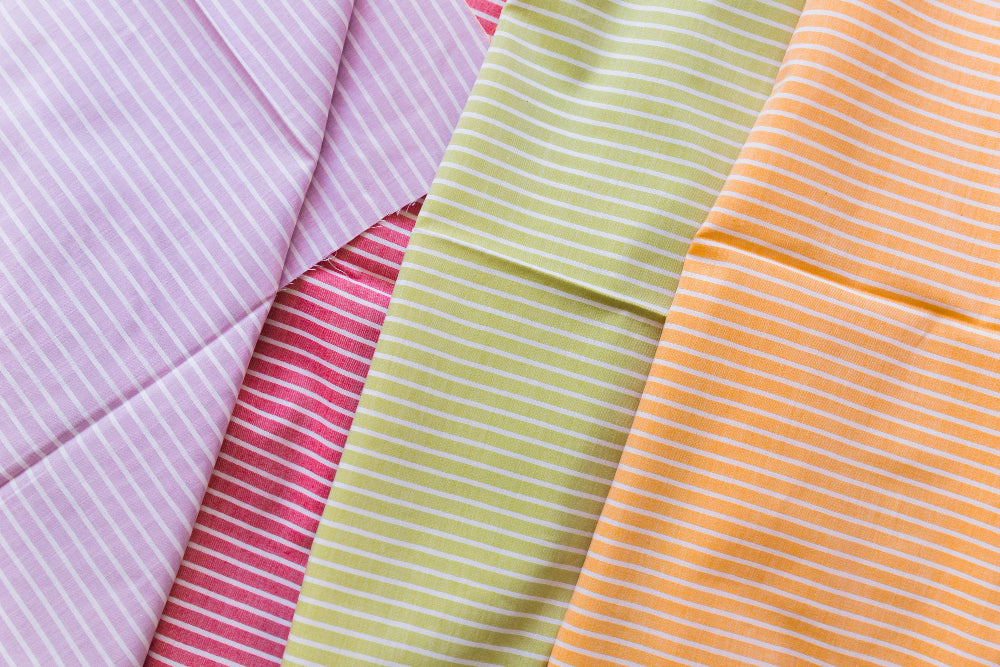
Indian fabrics trending in Europe and the USA markets are no longer just a way for fashion brands to get materials; they are now a smart choice for companies around the world. Fabric sourcing for global fashion brands used to be based on cost, but now it's more on value-based strategies that focus on long-term dependability, sustainability, and scalability.
India has become a major textile hub thanks to a strong ecosystem of fabric manufacturers in India, reliable sourcing networks, and a fibre-to-fabric supply chain that works together. Indian textiles are now influencing collections in the high-end, fast-fashion, and direct-to-consumer (D2C) markets because more people want sustainable fabric sourcing, flexible production methods, and digital procurement systems.
This piece talks about the most popular Indian fabrics based on global trade trends, consumer insights, and practical sourcing strategies for big international brands.
Why Indian Fabrics Are Gaining Global Momentum
Indian textile exports to Europe and the USA are becoming more popular because of changes in the economy, new policies, and changing customer tastes.
1. Sustainability Is Reshaping Fabric Demand
Sustainability is now a big reason people buy things. People in the West are eagerly looking for eco-friendly fabrics from India. They really want materials that don't hurt the environment.
Some important demand factors are:
- Organic and biodegradable fibers
- Low-impact dyeing processes
- Transparent and traceable supply chains
India is a world leader in sustainable textile production because it is the leader in organic cotton, linen, and regenerated fibers.
2. Global Supply Chain Diversification
Sourcing alternatives to China has become very popular very quickly. Brands have had to change where they get their goods because of rising tariffs, global risks, and problems in the supply chain.
India gives you:
- A stable sourcing ecosystem.
- Integrated manufacturing capabilities.
- Growing compliance with international standards.
Because of this, more and more global brands are working with fabric suppliers for fashion brands in India.
3. Competitive Price-to-Value Advantage
India strikes a good mix between quality and low cost. It's not like other sourcing hubs because it offers bulk fabric sourcing solutions along with flexible production models.
Because of this, India is great for:
- Startups and D2C brands.
- Private label clothing production.
- Large-scale global retailers.
Top Indian Fabrics Trending in Europe & USA

Global brands are putting an emphasis on sustainable fabric sourcing, innovation, and the ability to grow by looking into Indian fabrics trending in the European and the USA markets. Here are some of the most popular fabrics used in current fashion around the world.
1. Organic Cotton: High-Demand Sustainable Fabric
More than any other fabric, consumers still choose organic cotton. Brands can benefit from production that is certified and sourced in a traceable manner when searching for suppliers of organic cotton fabric in India.
Why it’s trending:
- Eco-friendly cultivation.
- Soft, breathable, and durable.
- Strong global certification ecosystem.
Applications:
- Everyday apparel.
- Kidswear.
- Sustainable collections.
2. Khadi: Sustainable Luxury Fabric
Khadi has evolved into a premium fabric that aligns with global sustainability goals. This represents a shift toward ethical fabric sourcing for global fashion brands.
Primary benefits:
- Production with zero energy consumption.
- Distinctively crafted texture.
- Compelling narrative quality.
Khadi is being used more and more by luxury and designer names in their collections around the world.
3. Linen: Preferred Fabric for European Markets
Linen is becoming very popular, especially in Europe. As a key material in premium natural fabric sourcing, it is known for being eco-friendly and breathable.
Key benefits:
- Lightweight and breathable.
- Biodegradable.
- Premium aesthetic.
4. Handloom Fabrics: Craft-Led Global Appeal
Handloom fabrics possess a greater authenticity and craftsmanship compared to textiles produced in factories. These fabrics are central to current trends in artisanal fabric sourcing.
Reasons brands favour them:
- Distinctive textures and designs.
- Production that adheres to ethical standards.
- Significant perceived worth.
5. Viscose & Modal: Versatile Fashion Fabrics
Viscose and modal are used a lot in fast fashion because they can be worn in many ways. These fabrics help clothing brands source fabrics on a large scale.
Key features:
- Soft, silk-like texture.
- Excellent drape.
- Cost-effective alternative to silk.
6. Technical Textiles: Growth of Performance Fabrics
More performance fabrics for activewear brands are needed because of the rise of athleisure.
Indian companies make the following:
- Moisture-wicking textiles.
- Stretchable blends.
- UV-resistant fabrics.
This area is growing very quickly in markets around the world.
7. Denim & Cotton Blends: Everyday Market Staples
Denim keeps changing to be more eco-friendly and innovative. When it comes to sustainable denim fabric sourcing, India is becoming a big player.
Trends include:
- Water-efficient processing.
- Recycled fiber integration.
- Lightweight denim.
8. Silk & Blends: Premium Textile Segment
Indian silk remains a key material in luxury fashion. It supports high-end fabric sourcing for designer brands.
Applications:
- Evening wear.
- Couture collections.
- Premium accessories.
India vs Other Sourcing Destinations

India stands out because it can provide end-to-end textile sourcing solutions that are adaptable and can grow as needed.
|
Factor |
India |
China |
Vietnam |
Bangladesh |
|
Cost Efficiency |
Competitive |
High |
Medium |
Low |
|
MOQ Flexibility |
High |
Low |
Medium |
Low |
|
Fabric Variety |
Extensive |
Strong |
Limited |
Limited |
|
Sustainability |
Strong |
Moderate |
Developing |
Limited |
|
Supply Chain |
Integrated |
Advanced |
Partial |
Basic |
Market Insights: USA vs Europe
Understanding regional demand is crucial for efficient fabric sourcing, as US and European consumption trends differ. One emphasizes scale and functionality, while the other emphasizes sustainability, workmanship, and quality textiles.
United States: Functionality & Scale
The US market focuses on:
- Performance fabrics.
- Cotton basics.
- Affordable fashion.
The demand is being driven by fast fashion fabric sourcing trends and the rise of athleisure.
Europe: Sustainability & Premium Quality
European markets emphasised:
- Certified eco-friendly fabrics.
- Linen and natural fibers.
- Artisanal textiles.
For European textile sourcing standards, compliance and traceability are very important.
Evolution of Fabric Sourcing Models
Digital and flexible methods are becoming more popular in sourcing.
Some key trends are:
- Growth of wholesale fabric online platforms.
- Increased demand for low MOQ production.
- Adoption of digital sampling.
Brands now want sourcing solutions that are open and tech-enabled.
Challenges in Indian Textile Sourcing
There are strong benefits, but there are also problems:
- Logistics and shipping delays.
- Raw material price fluctuations.
- Fragmented supplier ecosystem.
But ongoing improvements are making things more reliable and efficient.
Technology Transforming Fabric Sourcing
Technology is an important part of current sourcing:
- AI-driven demand forecasting.
- Digital fabric catalogues.
- Real-time supply chain tracking.
These new ideas help data-driven sourcing strategies for fashion brands.
Fabriclore: Enabling Smarter Global Sourcing
Fabriclore offers a tech-enabled fabric sourcing platform in India that is made for speed, flexibility, and scalability to help global fashion brands find their way through India's complicated textile market. It has been finding fabrics, dying them, and printing them for more than ten years, and its seamless, integrated method makes the whole process easier, from finding the materials to making the final product.
Fabric Sourcing. Simplified.
- Unmatched Wholesale Price.
- Customized Design & Printing.
- Trusted by 500+ Fashion Businesses Globally.
What Sets Fabriclore Apart:
Fabriclore has a wide range of fabrics, from RFD and greige to fully dyed and printed textiles, which helps brands make accurate designs. Its low MOQ sourcing model helps startups, designers, and private brands, and its end-to-end garment manufacturing makes it easy to go from small orders to large quantities.
Key Benefits:
- Real-time sourcing transparency and tracking.
- Detailed fabric specifications (count, weave, construction).
- Consistent quality control across production.
- Reliable, on-time global delivery.
Fabriclore helps brands make supply chains that are flexible, scalable, and competitive around the world by mixing sourcing, customisation, and manufacturing.
Future Outlook: Indian Fabrics in Global Markets

This is what will shape the future of Indian textiles:
- Rising demand for sustainable fabrics.
- Growth of digital sourcing platforms.
- Expansion of technical textiles.
- Increased customization.
Brands that use future-ready fabric sourcing strategies will be able to beat out their competitors.
Conclusion
Indian textiles quickly change global sourcing strategies by providing a good mix of innovation, scalability, and sustainability. As more fashion brands use value-driven sourcing, India's integrated supply ecosystem and wide range of fabric skills continue to make it stand out. Brands can make their supply chains more resilient and adaptive by using efficient sourcing practices, adopting sustainable production methods, and keeping up with changing customer tastes.
Indian fabrics not only help with cost-effective production, but they also help make products stand out by adding quality and craftsmanship. Getting clothes from India is becoming an important strategy for fashion companies around the world that want to build future-ready, transparent, and competitive supply networks.
FAQs
1. Which Indian Fabrics Are Trending In The European And The USA Markets In 2026?
Indian fabrics trending in the Europe and USA markets that people want the most are:
- Organic cotton (sustainable and breathable).
- Linen (premium and eco-friendly).
- Khadi (ethical and artisanal luxury).
- Viscose and modal (soft and versatile).
- Handloom textiles (unique and craft-based).
- Technical fabrics (performance and activewear focused).
These materials are becoming more popular because they last a long time, can be used in many ways, and match global fashion trends.
2. Why Are Global Fashion Brands Shifting To Fabric Sourcing From India?
Fabric Sourcing for Global Fashion Brands in India is becoming popular because it is environmentally friendly, saves money, has reliable supply lines, and gives brands access to a wide range of fabric types in one place.
3. How Does Sustainable Fabric Sourcing Influence Buying Decisions In Europe And The USA?
Sustainable fabric sourcing is very important because people want eco-friendly materials like organic cotton, linen, and handloom fabrics. This makes brands use responsible and traceable sourcing methods.
4. What Are The Benefits Of Sourcing Bulk Fabric From India For Fashion Brands?
By using bulk fabric sourcing solutions, brands can save money, make production more flexible, get access to experienced fabric suppliers, and make production more scalable. This makes India the perfect place for global production needs.
5. How Are Digital Platforms Changing Fabric Sourcing Globally?
With the rise of wholesale fabric online platforms, brands can now find suppliers from around the world, compare fabrics, order samples, and make buying easier while being more open and making decisions more quickly.
We also happen to be a magnet for suggestions, and would love to catch yours….throw us yours on hello@fabriclore.com
Learn, Create & Grow with us