Cotton and linen manufacturing in India has become an important part of global textile sourcing in 2026, thanks to rising demand for high-quality, long-lasting fabrics that can be scaled up. As fashion brands move toward value-driven strategies, India stands out with its textile supply chain, which combines easy access to raw materials with advanced manufacturing skills. India's position as a star in the cotton industry keeps getting stronger, and the country's linen manufacturing industry is growing quickly. This guide talks about cotton and linen manufacturing in India. It talks about supply lines, market trends, sustainability, and ways for buyers from around the world to find textiles.
Executive Overview: Why India Leads in Cotton & Linen Manufacturing
India's textile ecosystem has unique benefits for sourcing from around the world:
- The largest global producer in the cotton industry is India.
- Emerging leadership in linen production in India.
- Fully integrated Indian textile supply chain.
- Competitive manufacturing costs with scalability.
- Strong presence of certified and sustainable textiles.
- Growing adoption of digital sourcing platforms.
India is a unique place for foreign brands to get cost efficiency, customization, and supply chain reliability. India is a great place for long-term sourcing partnerships because buyers looking for cotton fabric wholesale options can count on consistent quality, the ability to make changes, and a steady supply of large quantities.
History and Origins of Cotton and Linen in India

There is proof from the Indus Valley Civilization that the story of India's cotton goes back thousands of years. Indian cotton materials, like muslin, used to be expensive items that were bought and sold all over the world. India has become one of the biggest makers of cotton over time. Because of how important it is to the economy, cotton is often called White Gold.
Today:
- India produces over 327 lakh bales of cotton annually.
- Cotton supports millions of farmers and workers.
- Nearly 60% of India’s textiles are cotton-based.
Linen production in India, on the other hand, is a fairly new trend. India buys high-quality European flax and turns it into linen yarns and fabrics because it can't grow flax in its own country. India has become a major centre for handling linen over the past ten years, thanks to its strong textile infrastructure and high demand for exports.
Because of this growth, buyers around the world can now find high-quality linen cloth wholesale choices that are in line with high-end and eco-friendly fashion trends.
Industry Structure & Textile Clusters in India
The Indian fabric supply chain is very big and spread out, but it works very well.
Major Cotton Manufacturing Clusters
- Gujarat (Ahmedabad, Surat)
- Maharashtra (Mumbai, Ichalkaranji)
- Tamil Nadu (Coimbatore, Tiruppur)
- Punjab & Haryana
Key Linen Manufacturing Clusters
- Gujarat (Surat, Rajkot)
- Rajasthan (Jaipur)
- Tamil Nadu
- Karnataka
India's cluster-based approach allows for specialization in spinning, weaving, dying, and making clothes, which makes bulk fabric sourcing in India work well.
This ecosystem gives buyers from around the world access to a range of fabric qualities and prices, especially when they are looking for cotton material wholesale in different parts of the world based on their production skills and areas of specialization.
Key Stakeholders in Cotton & Linen Supply Chain
It is important to know about the Indian textile supply chain stakeholders:
Primary Stakeholders
- Cotton farmers and emerging flax growers.
- Ginners and spinning mills.
- Weavers and knitters.
- Dyeing and processing units.
- Garment manufacturers.
Secondary Stakeholders
- Exporters and sourcing agents.
- Government bodies (Ministry of Textiles).
- Industry associations.
- Digital sourcing platforms like Fabriclore.
From fibers to finished clothes, this ecosystem feeds the whole process.
Supply Chain Stages: Cotton & Linen Manufacturing Explained

There is an organized flow in the Cotton Supply Chain India and the Linen Supply Chain India for making cotton and linen. This integrated method helps with the whole process of making textiles in India, ensuring quality, efficiency, and the ability to grow. To lower their risks, buyers buy fabric swatches before a bulk order to get a better idea of the quality.
Cotton Supply Chain India
- Cotton cultivation.
- Ginning (fiber separation).
- Spinning (yarn production).
- Weaving/knitting.
- Dyeing and finishing.
- Garment production.
Linen Supply Chain India
- Flax import or cultivation.
- Fiber processing.
- Yarn spinning.
- Fabric weaving.
- Finishing and treatment.
- Apparel/home textile production.
Major Products & Applications
India makes a wide range of cotton and linen goods that are sold around the world. Everyday clothes are made of cotton materials like denim and knitwear, while high-end clothes are made of linen. Brands can easily buy fabric in bulk online to save time and compare suppliers.
Cotton Products
- Yarn (carded, combed).
- Denim, poplin, cambric.
- Apparel fabrics.
Linen Products
- Linen yarn and blends.
- Premium garments.
- Home textiles (bedding, table linen).
Market Size and Economic Impact
The cotton and linen industry in India is very important to the economy:
|
Metric |
Value |
|
Cotton production |
327 lakh bales |
|
Textile exports |
$37.8 billion |
|
Employment |
45 million+ |
|
Linen imports |
15,000–20,000 tons |
India's textile industry makes a big difference in its GDP and trade.
Export & Import Patterns
India exports cotton and linen products to:
- USA
- European Union
- Bangladesh
- Vietnam
- Middle East
Cotton exports yarn and fabrics, but linen depends on flax that is brought in from other countries and only ships finished, high-value goods. Global changes in demand, prices, and sustainability affect how trade works.
Technology & Innovation in Textile Manufacturing
India is adopting modern technologies:
- High-speed spinning machinery.
- Digital textile printing.
- AI-driven demand forecasting.
- ERP-based supply chain systems.
These improvements make things run more smoothly, throw away less, and help data-driven textile sourcing strategies.
Sustainability & Labour Practices
Sustainability is a big deal in sustainable cotton linen production in India, and markets around the world want more sustainable fabric.
Key Areas
- Organic cotton cultivation.
- Reduced pesticide usage.
- Water-efficient dyeing.
- Certifications (GOTS, OEKO-TEX).
Linen has a natural edge because it is better for the environment. But problems like water use and meeting standards still need to be fixed all the time.
Government Policies Supporting the Textile Industry
Key initiatives include:
- Cotton MSP and Cotton Corporation of India.
- Production Linked Incentive (PLI) scheme.
- PM MITRA textile parks.
- National Technical Textiles Mission.
These policies strengthen India’s global competitiveness.
Challenges & Opportunities
India's textile industry is changing because of the challenges in the industry. New chances for growth in innovation, sourcing, and global demand are driving value-focused growth.
Challenges
- Climate impact on cotton farming.
- Dependence on flax imports.
- Global competition.
- Environmental compliance.
Opportunities
- Growth in sustainable textiles.
- Expansion of the linen market.
- Digital sourcing platforms.
- Value-added manufacturing.
India is making the change to value-driven textile production.
Future Outlook: Cotton & Linen Manufacturing in India
The following things will shape the future of cotton and linen manufacturing in India:
- Sustainable production practices.
- Increased global demand.
- Digital transformation.
- Expansion of textile parks.
India is likely to keep being the world's leader in making natural fibers.
Fabriclore: Simplifying Cotton & Linen Sourcing in India

Fabriclore is a tech-enabled fabric sourcing platform in India that makes it easier for private labels, fashion brands, and sourcing workers around the world to find high-quality cotton and linen fabrics. Fabriclore connects buyers directly with verified manufacturers across India's top textile clusters. They have more than ten years of experience in sourcing, dyeing, and printing fabrics. This ensures consistency, transparency, and scalability.
✦ Unmatched Wholesale Pricing through mill-level sourcing.
✦ Customized Design, Dyeing & Printing Solutions.
✦ Trusted by 500+ Fashion Businesses Globally.
Extensive Cotton Fabric Range
Fabriclore has a lot of different cotton fabrics that can be used for different home and clothing projects:
- Cotton Fabric Wholesale: Poplin, cambric, voile, satin, twill, and slub cotton.
- Organic Cotton Fabric: GOTS-certified sustainable cotton for eco-conscious brands.
- Solid Dyed Cotton Fabric: Ready-to-use dyed fabrics in multiple colourways.
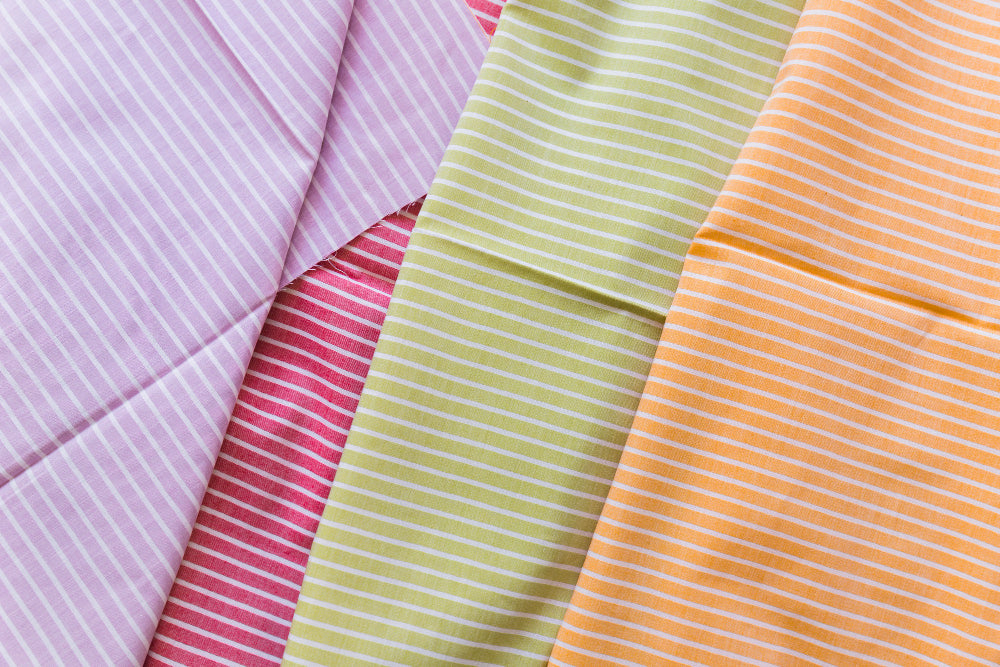
- Yarn Dyed Fabrics: Stripe, checks, and pattern-based woven cotton fabrics.
- Digital Printed Cotton Fabrics: Customized prints for fashion collections and private labels.
Because of these choices, it's simple for brands to make all kinds of collections, from daily clothes to high-end ones, with the same high quality.
Comprehensive Linen Fabric Offerings
Fabriclore provides high-quality linen fabrics for fashion and home textiles worldwide:
- Linen Fabric Wholesale: Authentic linen fabrics with breathable and durable properties.
- Solid Dyed Linen Fabric: Pre-dyed linen in versatile shades for ready production.
- Linen Digital Prints: Custom-designed printed linen fabrics for unique collections.
- Linen Blends: Linen-cotton and linen-viscose blends for improved softness and versatility.
This range works with both high-end fashion names and eco-friendly product lines.
Core Capabilities
- Users can connect with a carefully chosen group of trustworthy cotton and linen manufacturers.
- Consumers can source everything from RFD and greige fabrics to dyed and finished ones.
- Advanced creation of custom fabrics that meet the needs of designers around the world.
- Low MOQ production that is flexible, great for startups and brands that are growing.
- Integrated the whole process of making clothes, from samples to large orders.
Fabriclore's platform-driven method allows for transparent sourcing in real time, consistent quality control, and efficient global delivery, which helps brands cut down on lead times and operational complexity. Fabriclore helps companies make supply chains that are flexible, scalable, and competitive on a global scale by blending deep knowledge of textiles with digital sourcing tools.
Conclusion
The ecosystem of cotton and linen manufacturing in India is quickly growing as a worldwide sourcing hub. This is due to innovations, scalability, and sustainability. The country supports efficient and adaptable production for global fashion brands through a strong Indian textile supply chain, reliable access to raw materials, and advanced manufacturing skills.
Fabric sourcing strategies are changing because of the growing focus on responsible practices and digital transformation. This makes India a popular place for long-term partnerships. Brands can create strong, clear, and future-ready supply chains that meet the changing needs of the global market by using combined sourcing solutions and value-driven production.
FAQs
1. Why Is India A Global Leader In Cotton Manufacturing?
India is the leader in the cotton industry because it has a big base of cotton farms, a strong textile infrastructure, and an integrated supply chain that makes fibre-to-garment production on a large scale possible.
2. Is Linen Manufacturing Expanding In India?
Yes, linen production in India is growing quickly thanks to flax that is brought in from other countries, advanced processing tools, and a growing desire for high-quality, eco-friendly textiles around the world.
3. What Are The Key Products Made From Cotton And Linen In India?
India is a strong centre for cotton and linen manufacturing because it makes cotton yarns, woven and knitted fabrics, clothes, linen fabrics, blends, and home textiles.
4. How Sustainable Is Cotton And Linen Sourcing From India?
India is making sustainable textile sourcing better by growing organic cotton, dying clothes in eco-friendly ways, and getting global certifications. Linen, on the other hand, has a generally low impact on the environment.
5. What Is The Most Efficient Way For Global Brands To Source Fabrics From India?
Digital platforms like Fabriclore make it easier for global brands to find suppliers. These platforms offer fast access to verified suppliers, flexibility, and production that can be scaled up.
We also happen to be a magnet for suggestions, and would love to catch yours….throw us yours on hello@fabriclore.com
Learn, Create & Grow with us