Los Angeles has always been fertile ground for low-MOQ digital fabric printing — and for good reason. The city's culture of self-expression, thriving streetwear scene, resort fashion community, and growing sustainable apparel movement have produced some of the most distinctive small fashion labels in the United States. Independent designers here don't just want to make clothes — they want to make something that exists nowhere else.
But for most of fashion history, one structural barrier stood between a small LA label and genuinely original fabric: minimum order quantities. Screen printing required 300–1,000 yards before a single garment could be cut — thousands of dollars committed to a design that had never faced a customer.
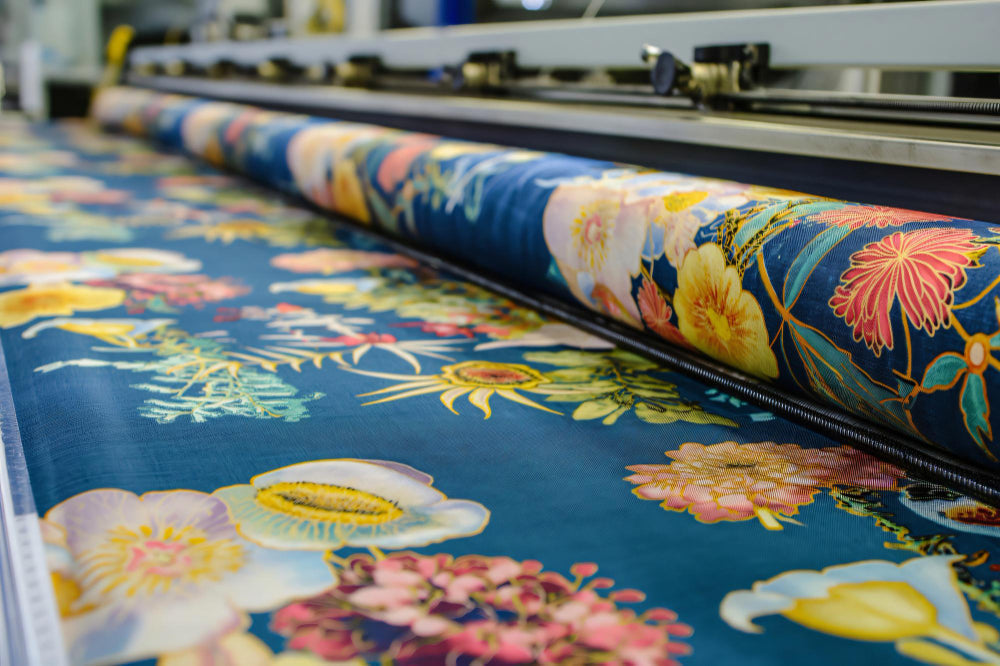
Digital fabric printing has taken down that whole wall. A small LA label can now order 100 meters of custom printed fabric, start a focused capsule collection, use real sales data to prove demand, and make lots of designs that have already worked, all through one production partner and without having to spend too much money at any point. Let's explore in the following article how small fashion labels in Los Angeles are using low-MOQ digital fabric printing to launch, grow, and build the kind of original brand identity that gets noticed — and how to do it strategically in 2026.
At a Glance
How do small fashion labels in Los Angeles benefit from low-MOQ digital fabric printing? Low-MOQ digital fabric printing allows small LA fashion labels to produce custom printed fabric from as little as 100 meters per design — with no screen setup costs, unlimited color complexity, and production timelines of 3–6 weeks. It eliminates overproduction risk, enables multi-colorway testing at minimal cost, and gives small brands access to the same print quality as established labels. Global full-stack partners like Fabriclore offer low-MOQ digital printing across 5,000+ fabrics with AZO-free inks, certified sustainable options, and reliable delivery to Los Angeles — making genuine fabric exclusivity accessible to labels at every stage of growth.
Why Low-MOQ Digital Printing Is a Game-Changer for Small LA Labels

Los Angeles is home to thousands of independent fashion designers, boutique labels, and emerging brands. Most of them share a common production frustration: the ideas are strong, the aesthetic is defined, the market opportunity is real — but the production economics of traditional textile manufacturing put original custom fabric out of reach.
Low-MOQ digital fabric printing resolves this at the structural level. Here is why it matters specifically for small LA fashion labels.
1. No Screen Setup Costs
Traditional screen printing charges $30–$150 per color, per screen — before a single yard is printed. A six-color design on a 300-yard minimum order can generate $500–$900 in setup costs alone, before fabric or printing costs are added. For a small label with a limited budget, this is often prohibitive.
Digital fabric printing has zero screen setup cost. The only variables are ink consumption, fabric substrate, and production time — making a 20-yard run almost as cost-efficient per setup as a 200-yard run.
2. Access to Unlimited Color and Design Complexity
Screen printing limits color count because each color requires a separate screen. Digital printing has no such limitation. A photographic gradient, a watercolor wash, a hand-drawn illustration with 40 tones — all print identically to a flat two-color geometric. For LA's design-driven small labels, this creative freedom is transformative.
3. Elimination of Overproduction Risk
The fashion industry's most destructive financial pattern — producing more than the market can absorb — is structurally built into traditional minimum order models. A small label that orders 500 yards of a screen-printed fabric is betting its cash flow on a design that has never been market-tested.
Low-MOQ digital printing inverts this model. Order 100 meters, produce 50–70 garments, launch to market, measure response. Scale what sells. Retire what doesn't. The financial exposure on a failed design is a fraction of what traditional minimums would demand.
4. Original Brand Identity From Day One
The most commercially distinctive small fashion labels in Los Angeles — the ones that build loyal followings, attract press coverage, and secure wholesale accounts — are the ones whose fabric cannot be found anywhere else. Custom digital printed fabric is the most direct path to that exclusivity, now accessible from quantities that small labels can actually afford and use.
7 Specific Benefits of Low-MOQ Digital Fabric Printing for Small LA Labels
1. Launch a Debut Collection Without Overcommitting
A small LA label's first collection sets the brand's tone — but it is also the highest-risk production moment, because demand is completely unproven. Low-MOQ digital printing allows a debut collection to be built on 100–150 meters of custom fabric per design — enough to produce 50–70 garments per style for a market-testing launch.
If the collection hits you, change the order. Ignore a plan that doesn't work if it does. The risk to the money is limited. The brand's personality is set. Real sales data make it easy to see the way to scale up.
2. Test Multiple Colorways Before Committing to One
Color is one of the most significant drivers of purchase decisions in fashion — and one of the least predictable before designs reach customers. A small label can produce the same print in three colorways at 30 yards each (90 yards total) rather than committing to 300 yards of a single colorway. Real customer response data then drives the bulk order decision.
Industry observation: When small LA fashion labels try colorways at low MOQ before going big, they regularly see higher sell-through rates on bulk reorders. This is because production decisions are based on market data, not gut feelings.
3. Produce Limited-Edition Drops That Build Brand Desire
Los Angeles's streetwear and contemporary fashion culture is built on scarcity and exclusivity. A small label that releases 30-yard limited-edition drops of a custom digital print — with no restock — creates exactly the kind of demand signal that larger brands with rigid production calendars cannot replicate.
Low-MOQ digital printing makes this way of making things really possible. Every drop is different. Each design is one of a kind. And the brand story is written for you: original pictures made in small numbers that you can't find anywhere else.
4. React to Trends Without Long Lead Times
LA's fashion market — particularly streetwear, resort, and contemporary — moves faster than any other US fashion ecosystem. A 16-week screen printing pipeline cannot serve a design trend that peaks in eight weeks. Short-run digital fabric printing compresses the design-to-delivery timeline to 3–6 weeks — enabling small labels to react to cultural moments that their slower competitors miss entirely.
|
Production Method |
Design to Delivery |
MOQ |
Setup Cost |
|
Screen printing |
10–16 weeks |
300–1,000 yards |
$150–$900/design |
|
Low-MOQ digital printing |
3–6 weeks |
100 meters |
$0 |
|
POD digital printing |
1–2 weeks |
1 yard |
$0 |
5. Build a Sustainable Brand Story From Fabric Upward
California leads the US in sustainability consumer expectations and retail buyer requirements. For small LA labels positioning around sustainability, low-MOQ digital printing on certified sustainable fabrics — GOTS-certified organic cotton, GRS-certified recycled polyester, FSC-certified TENCEL™ — provides the verified credentials that support a genuine sustainability story.
The combination of on-demand production (eliminating overproduction waste) + certified sustainable fabric + AZO-free digital printing creates a supply chain narrative that LA's most value-driven consumers respond to — and that retail buyers increasingly require as a condition of doing business.
6. Validate Before Wholesale, Not After
Most small fashion labels approach wholesale buyers too early — with designs that have not been market-tested and production economics that have not been proven. Low-MOQ digital printing enables a smarter sequence:
- Design and produce at low MOQ
- Launch direct-to-consumer (e-commerce, pop-ups, LA boutiques)
- Build sell-through data and customer feedback
- Approach wholesale buyers with proven demand — not just a lookbook
This sequence lowers the risk of talking to wholesale buyers and greatly raises the conversion rate with boutique buyers who see strong design and proven market traction.
7. Scale From Low MOQ to Bulk With One Partner
The most dangerous moment in a small LA label's growth journey is the transition from low-MOQ printing to bulk production — because most labels switch suppliers at that point, introducing color shift, quality variation, and production inconsistency that can undermine an entire season.
The strategic solution is a full-stack production partner who serves both ends of the spectrum — offering 100-meter development runs and 20,000-meter monthly bulk programs with identical fabric substrates, ink formulations, and quality standards. Color consistency from sampling through bulk is guaranteed only when the same partner manages both.
Best Fabrics for Low-MOQ Digital Printing for Small LA Labels
Fabric choice determines ink system, hand feel, washfastness, and commercial value. Here is how the four most relevant substrates perform for small LA fashion labels — mapped to LA's key product categories.
|
Fabric |
Ink System |
Best LA Application |
Washfastness |
|
Cotton |
Reactive |
Sustainable fashion, capsule collections, children's wear |
★★★★★ |
|
Polyester |
Sublimation |
Activewear drops, swimwear, yoga collections |
★★★★★ |
|
Viscose / Modal |
Reactive |
Resort wear, boho fashion, draped dresses |
★★★★★ |
|
Silk |
Acid Ink |
Luxury scarves, lingerie, occasion wear accessories |
★★★★☆ |
Fabriclore: Low-MOQ Digital Fabric Printing Partner for Small LA Fashion Labels

Custom Digital Printed Fabric From 100 Meters — Delivered to Los Angeles
For small fashion labels in Los Angeles seeking a production partner who combines low-MOQ accessibility with the fabric range, quality infrastructure, and scaling capability of a full-stack manufacturer — Fabriclore is one of the most trusted global digital fabric printing partners serving LA-based brands in 2026.
Fabriclore is a technology-driven, full-stack textile sourcing, digital printing, and apparel manufacturing partner based in Jaipur, India — with 10+ years of expertise in dyeing and printing, trusted by 500+ fashion brands worldwide, and shipping reliably to Los Angeles via DHL, FedEx, UPS, and ARAMEX.
What Makes Fabriclore the Right Partner for Small LA Labels
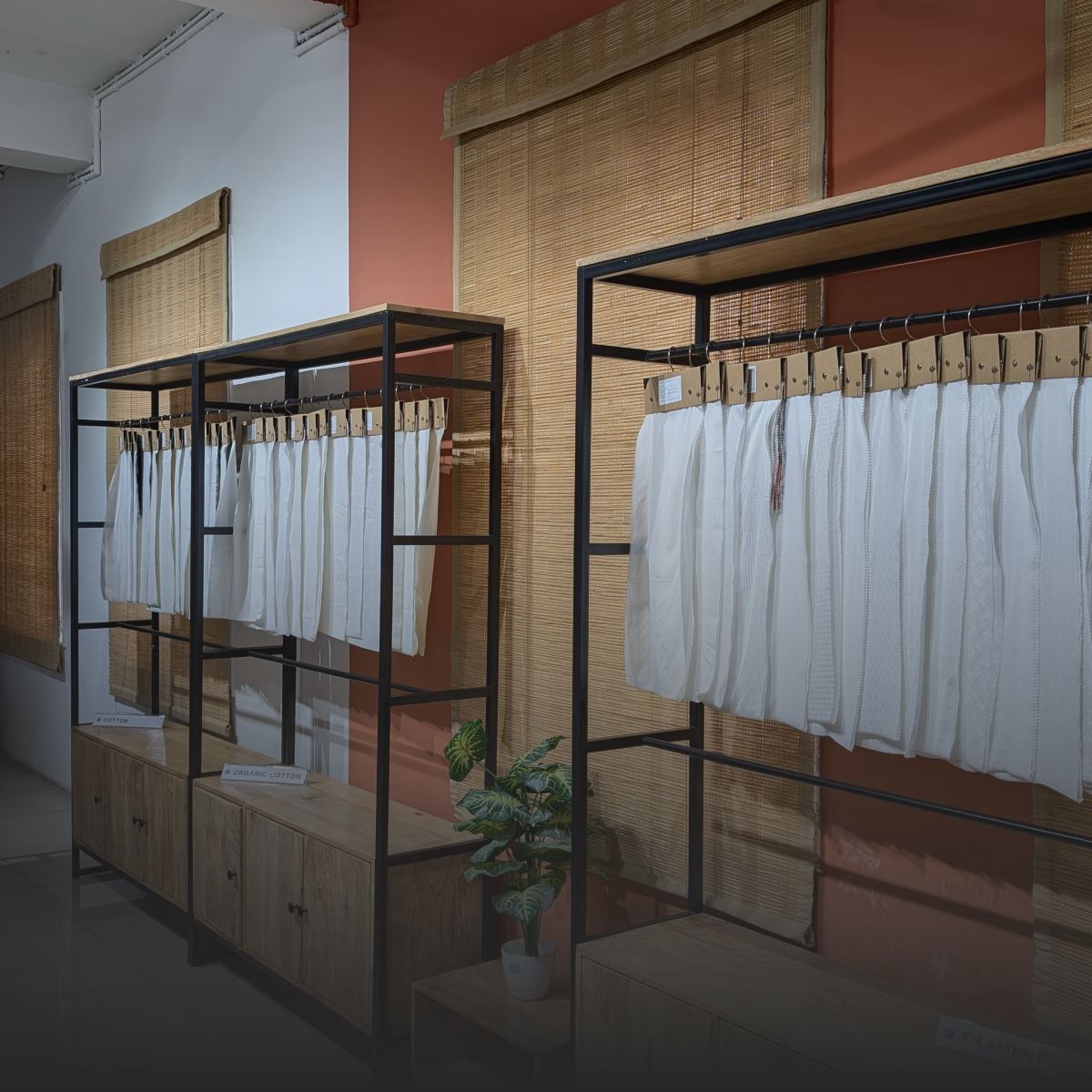
Fabriclore's digital print sample yardage collection allows small labels to order pre-printed fabric samples across Cotton Poplin, Viscose, Modal, Linen, Georgette, Chiffon, and Poly Satin — with no minimum quantity — shipped via DHL/FedEx to Los Angeles. Verify color accuracy, hand feel, and print quality before placing a production run.
Once sample yardage is approved, production begins from 100 meters per design — with a CAD digital approval and physical strikeoff sign-off before any fabric goes to press. No production proceeds without the brand's documented approval.
|
Capability |
Verified Detail |
|
Digital printing MOQ |
100 meters per design (up to 1,50,000 meters) |
|
Monthly bulk capacity |
20,000+ meters per month |
|
Fabric library |
5,000+ natural, sustainable, and blended options |
|
Printable fabrics |
Cotton, Silk, Polyester, Viscose, Linen, Nylon, Chiffon, Georgette, Blends |
|
Print technologies |
Reactive, sublimation, pigment, screen, block printing |
|
Ink standard |
AZO-free as standard |
|
In-house quality testing |
Colorfastness, shrinkage, spotting, metering — every meter |
|
Swatch sampling |
No minimum — DHL/FedEx to Los Angeles |
|
Production lead time |
21–45 days |
|
Shipping to LA |
DHL, FedEx, UPS, ARAMEX + sea freight for bulk |
|
OEM garment manufacturing |
Men's, women's, kids' wear — private label available |
|
Certified sustainable fabrics |
Organic Cotton (GOTS), TENCEL™ (FSC), EcoVero™ (OEKO-TEX), rPET (GRS), Modal |
|
Brands served |
500+ globally |
Why Small LA Labels Stay With Fabriclore as They Scale
The most strategically valuable aspect of Fabriclore for a small LA label is not the 100-meter MOQ — it is that the same partner handles 100-meter development runs and 20,000-meter seasonal programs with identical quality standards and color consistency. When a small label grows into a mid-size brand, there is no supplier transition, no color shift, no quality disruption. The production relationship that started with a debut capsule collection became the backbone of a commercial-scale seasonal manufacturing program.
Sustainable Fabric Options for LA's Eco-Positioned Small Labels
For small LA labels building sustainability-positioned collections, Fabriclore carries certified sustainable fabrics for custom low-MOQ digital printing:
- Organic Cotton — GOTS-certified
- TENCEL™ Lyocell — FSC-certified
- EcoVero™ Viscose — OEKO-TEX certified
- LENZING™ Modal — FSC and OEKO-TEX certified
- Recycled Polyester (rPET) — GRS-certified
Full certification documentation available on request — essential for LA boutique buyers and contemporary retailers with sustainability sourcing requirements.
Common Mistakes Small LA Labels Make With Low-MOQ Digital Printing
Experience across hundreds of small-label production programs reveals the same mistakes appearing repeatedly. Each one is avoidable.
- Skipping the strikeout. The most expensive mistake in custom digital fabric printing is approving a design digitally and going straight to production. A physical strikeoff of 1–3 meters reveals color shift, sharpness issues, and hand feel problems that no screen preview can predict. Always order one.
- Under-specifying the fabric. "Cotton" is not a specification. 40s poplin at 110 GSM in 58-inch width is a specification. Vague fabric descriptions lead to wrong substrates, wrong ink systems, and costly reprints.
- Switching suppliers between low MOQ and bulk. Testing with one supplier and scaling with another introduces color inconsistency that is nearly impossible to fix after production. Build the relationship from sampling and stay with the same partner as you scale.
- Treating low MOQ as a permanent cost structure. A low MOQ is a way to make sure something is true. Once a design shows that there is a market for it, it needs to be scaled up to bulk production (300m+) to protect profits as the label grows into wholesale channels.
- Making sustainability claims without certification. In LA's retail market, "eco-friendly" without GOTS, GRS, or OEKO-TEX documentation is a liability. Require certificates in writing before making sustainability claims to buyers or consumers.
Practical Checklist for Small LA Labels Starting With Low-MOQ Digital Printing
Before ordering:
- Design file prepared in TIFF or PNG at 300 DPI, sRGB color mode
- Seamless repeat tile verified before file submission
- Fabric specification confirmed — fiber content, GSM, width, construction
- Supplier's ICC profile requested and applied to artwork
- Certification requirements confirmed if using sustainable substrates
Before production:
- Strikeoff ordered and physically reviewed — not just digitally approved
- Color accuracy checked against digital proof
- Hand feel and drape assessed on washed sample.
- Production order confirmed in writing — quantity, fabric spec, color standard.
Before scaling to bulk:
- Sell-through data collected (target: 70%+ within 60–90 days)
- Wholesale buyer interest confirmed
- Design locked — no further changes before bulk commitment
- The same supplier confirmed for bulk as used for the low-MOQ run
Conclusion
Low-MOQ digital fabric printing has made genuinely original, exclusive custom-printed fabric commercially accessible to small fashion labels in Los Angeles — from a 100-meter debut collection to a full seasonal program — without the overproduction risk that once made this impossible.
The labels that grow the fastest use it as a strategic tool for confirmation, not as a permanent way to keep costs down. Test with a low MOQ. Use real sales figures to prove it. Use the same partner, quality, and color uniformity to make large quantities of patterns that have already been tried and tested.
Los Angeles's independent fashion ecosystem produces some of the most culturally distinctive labels in the world. The ones that last combine creative originality with production intelligence.
Start with a sample yard. Confirm with a strikeoff. Launch at 100 meters. Scale what sells.
FAQ
Q1: What Is Low-MOQ Digital Fabric Printing For Small Fashion Labels?
A: Low-MOQ digital fabric printing for small fashion labels is custom textile printing at minimum order quantities as low as 100 meters per design — with no screen setup costs, unlimited color complexity, and production timelines of 3–6 weeks. It allows small LA labels to produce original custom-printed fabric for capsule collections, debut launches, and limited-edition drops without the overproduction risk of traditional minimums.
Q2: Where Can Small Fashion Labels In Los Angeles Get Low-MOQ Digital Fabric Printed?
A: Small LA fashion labels can use local print shops (LA House of Prints, United Printex, DTLA Print) for 5–25-yard short runs, POD platforms for single-yard testing, and global full-stack partners like Fabriclore for custom digital fabric printing from 100 meters with 5,000+ fabric options, AZO-free inks, and DHL/FedEx delivery to Los Angeles. Digital print sample yardage is available from Fabriclore without a minimum.
Q3: How Much Does Low-MOQ Digital Fabric Printing Cost For Small LA Labels?
A: How much does small-batch digital fabric printing cost in Los Angeles:
- Local LA print shops: $20–$65/yard for 5–25 yard runs
- POD platforms: $15–$45/yard for single yards
- Full-stack partners (100m dev run): Competitive wholesale dev rates
Per-yard cost at low MOQ runs 3–5× higher than bulk pricing — but eliminates the overproduction risk of traditional minimums. The financial logic strongly favors a low MOQ for unproven designs.
Q4: What Is The Minimum Order For Custom Digital Fabric Printing In Los Angeles?
A: MOQ depends on the supplier. Local LA print shops typically accept 5–25-yard orders. POD platforms accept single-yard orders. Fabriclore offers production-scale custom digital fabric printing from 100 meters per design — with digital print sample yardage available at no minimum quantity shipped to Los Angeles. For small LA labels, the 100-meter development run is the most commercially viable low-MOQ entry point.
Q5: Can Small LA Fashion Labels Use Low-Moq Printing For Sustainable Collections?
A: Yes. Fabriclore offers low-MOQ digital printing on certified sustainable fabrics — GOTS Organic Cotton, FSC TENCEL™, OEKO-TEX EcoVero™, LENZING™ Modal, and GRS Recycled Polyester — from 100 meters with certification documentation on request. For small LA labels positioning around sustainability, this combination of on-demand production + certified sustainable fabric + AZO-free inks creates a verifiable supply chain narrative from fiber to finished garment.
Q6: How Long Does Low-MOQ Digital Fabric Printing Take For Los Angeles Labels?
A: Typical production timelines for small-batch digital fabric printing:
- Local LA print shops: 1–10 business days
- POD platforms: 3–7 business days
- Fabriclore (global full-stack): 21–45 days production + 5–6 days air freight to LA
Total timeline with Fabriclore: likely 6–8 weeks from when the design is approved to when it is delivered in Los Angeles for low-MOQ test runs.
Q7: How Do Small LA Labels Scale From Low-MOQ Printing To Bulk Production?
A: The most effective path:
- Launch at 100 meters with a full-stack partner like Fabriclore.
- Measure sell-through within 60–90 days — target 70%+ for scale decision.
- Scale to 300–500 meters (mid-run), then to 500m+ (bulk) with the same partner — same fabric substrate, same ink formulation, same quality standard.
When going from sample to bulk, you should never switch suppliers. The most frequent and expensive problem that happens when you do this is color mismatch.
Q8: What Fabrics Work Best For Low-MOQ Digital Printing For Small La Fashion Labels?
A: The best fabrics for small-batch digital printing in LA depend on the product category:
- Cotton (reactive ink) for sustainable fashion, contemporary apparel, and children's wear
- Polyester (sublimation) for activewear, swimwear, and streetwear
- Viscose and Modal (reactive) for resort wear and draped fashion
- Silk (acid ink) for luxury accessories and scarves.
Fabriclore carries all these substrates for custom digital printing from 100 meters.
We also happen to be a magnet for suggestions, and would love to catch yours….throw us yours on hello@fabriclore.com
Learn, Create & Grow with us