Made in India fabrics for global fashion brands have become a smart way to get fabrics in 2026 because of their quality, ability to be scaled up, and environmental friendliness. Value-driven sourcing is becoming more popular among buyers around the world. India's strong base of raw materials and well-integrated textile environment help this trend. It is now possible for brands to be flexible without sacrificing efficiency thanks to advanced manufacturing, digital buying platforms, and trustworthy low MOQ fabric supplier networks. India is a popular place to source modern textiles because it can make natural fibres, mixed fabrics, and performance textiles. This article talks about how Made in India fabrics for global fashion brands are changing the way goods are shipped around the world.
Why Global Fashion Brands Prefer Made in India Fabrics

India is still the most popular place to buy goods because it can mix traditional craftsmanship with large-scale industrial production. India's integrated textile supply chain makes it possible to source everything from fibers to finished clothes without having to go through a lot of different sellers.
Some important benefits are:
- Competitive manufacturing costs.
- Skilled workforce and textile expertise.
- Export-ready infrastructure.
- Growing sustainability compliance.
India provides dependability, flexibility, and the ability to grow over time for companies that source fabrics for global fashion brands.
Key Fabric Categories Driving Global Demand
Fabrics made in India for global fashion names are becoming trendier because they can be used for a variety of styles, are good for the environment, and are new in cotton, linen, and other advanced textiles that work with both high-end and low-end fashion.
1. Cotton Fabrics: The Backbone of Global Apparel
India is one of the biggest cotton producers in the world, which makes it an important part of cotton fabric manufacturing in India.
Some popular cotton materials are:
- Poplin, cambric, voile.
- Denim and twill.
- Organic cotton fabrics.
- Knit jersey and interlock.
Cotton is still very popular because it breathes well, is comfortable, and can be used for a wide range of things, including basics, casual wear, and kids' clothes.
2. Linen Fabrics: Premium and Sustainable Choice
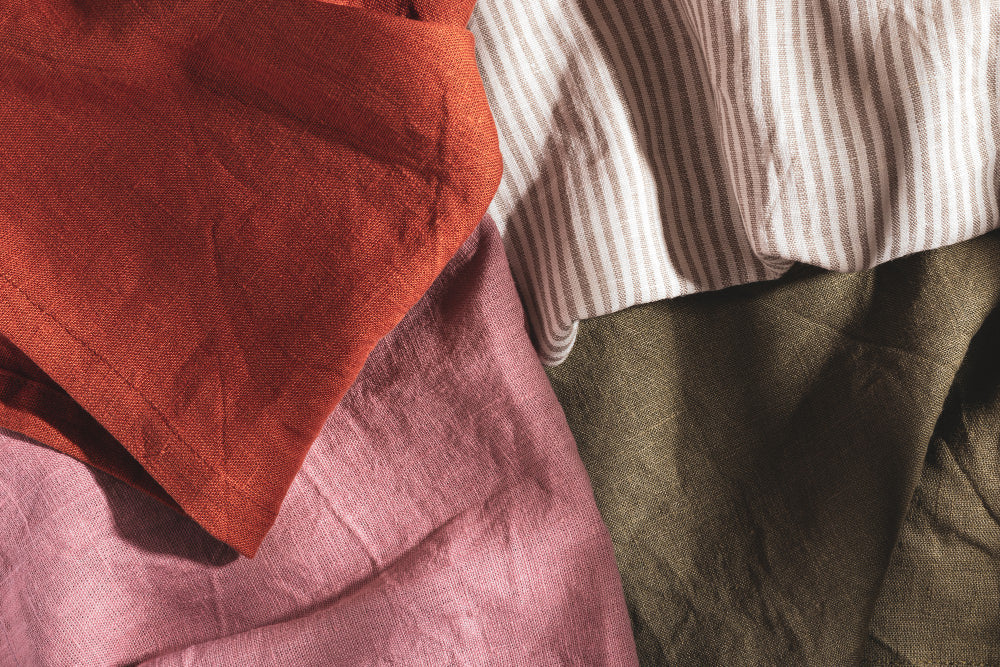
Linen is very popular right now, especially in European countries. Linen supports sustainable fabric sourcing in India because it is long-lasting and good for the environment.
Key applications:
- Summer apparel.
- Resort wear.
- Premium home textiles.
Linen is becoming a vital component for high-end and environmentally-friendly fashion brands as the market for natural fabrics grows.
3. Handloom & Artisanal Fabrics
India's strength is its long history of making clothes by hand. Fabrics such as
- Khadi.
- Handloom cotton.
- Ikat.
- Block-printed textiles.
Because these fabrics can be used to tell stories, they are perfect for brands that want to stand out and be environmentally friendly.
4. Viscose, Modal & Blended Fabrics
Many fast fashion and modern clothes are made from regenerated fibers like viscose and modal. What they offer:
- Soft texture.
- Excellent drape.
- Cost efficiency.
These materials are necessary for brands that want to be able to grow and stay affordable.
5. Technical & Performance Fabrics
With the rise of athleisure, India is also expanding in performance fabric manufacturing India.
Key features:
- Moisture-wicking.
- Stretchable blends.
- UV protection.
As clothing brands move toward making clothes that are more useful, this group is growing quickly.
India’s Textile Supply Chain Advantage
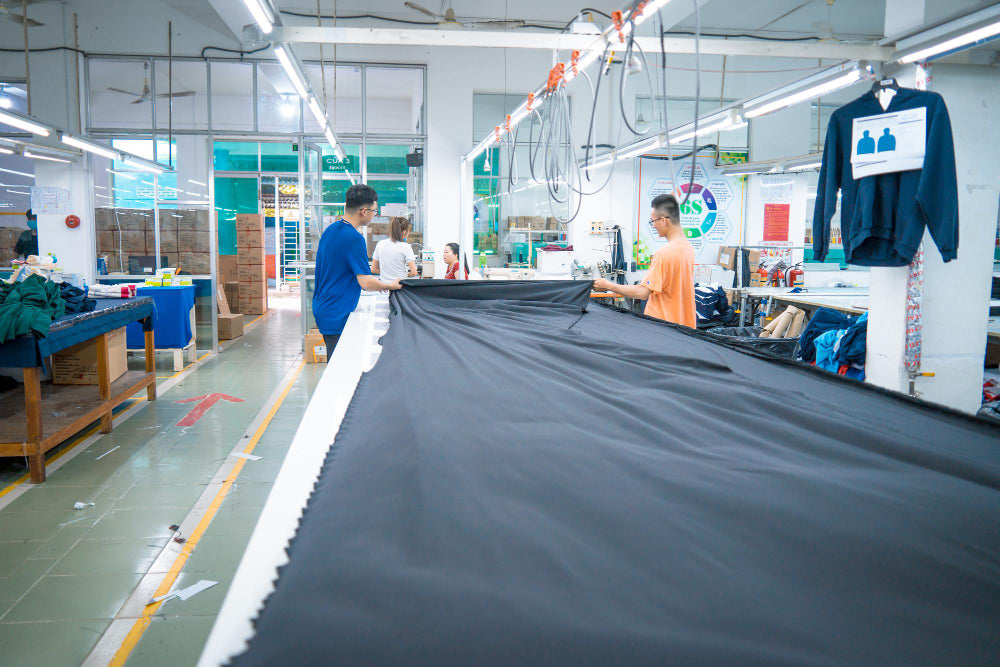
End-to-end textile manufacturing in India is one of the main reasons India is so successful around the world.
Supply Chain Structure:
- Raw material production (cotton, fibers).
- Spinning and yarn production.
- Fabric weaving/knitting.
- Dyeing and finishing.
- Garment manufacturing.
This vertical integration allows brands to:
- Reduce lead times.
- Improve quality control.
- Lower sourcing risks.
This integrated model makes sure that buyers who look for bulk fabric sourcing in India get consistent and efficient service.
Sustainability: A Key Driver for Global Brands

Sustainability is no longer a choice; it's a must. India is quickly catching up to world standards for sustainability.
Key Sustainable Practices:
- Organic cotton farming.
- Water-efficient dyeing techniques.
- Use of natural dyes.
- Recycling and waste management.
Eco-friendly fabric sourcing in India is becoming easier with the help of certifications like GOTS and OEKO-TEX.
An increasing number of individuals around the world are choosing brands that are honest, which makes sustainability a very important factor in sourcing choices.
Digital Transformation in Fabric Sourcing
The growth of technology has changed how clothing brands get fabrics. These days, buyers can:
- Browse catalogues online.
- Compare suppliers.
- Order samples.
- Track production.
Platforms that offer wholesale fabric online services are making the buying process faster and more effective.
This change backs up:
- Data-driven decision-making.
- Reduced sourcing time.
- Greater transparency.
Digital sourcing is no longer a choice for current brands; it's a must.
Low MOQ Manufacturing: Supporting Emerging Brands
India has changed with the times by introducing low MOQ manufacturing in India.
This is particularly beneficial for:
- Startups.
- D2C brands.
- Designers.
- Boutique labels.
Low MOQ production allows brands to:
- Test new designs.
- Reduce inventory risk.
- Scale gradually.
This flexibility makes India a preferred destination for both small and large brands.
Challenges in Sourcing Made in India Fabrics
Even though Made in India fabrics for global fashion brands are becoming more popular, problems with sourcing, like logistics delays, broken supply chains, and compliance gaps, still make things less efficient, so it's important to work together with suppliers in a smart way.
Key Challenges
- Supply chain fragmentation.
- Logistics delays.
- Raw material fluctuations.
- Compliance inconsistencies.
These risks are going down, though, thanks to better technology and digital tools.
Opportunities for Global Fashion Brands
India offers significant growth opportunities for brands willing to invest in long-term partnerships.
Key Opportunities:
- Growth into eco-friendly styles.
- Access to a wide range of cloth types.
- Bulk creation that saves money.
- Custom creation of fabrics.
India's growing skills can help brands that are working on global fabric sourcing strategies.
How to Source Made in India Fabrics Efficiently

Buyers must focus on supplier verification, sampling, and digital buying strategies to ensure quality, consistency, and scalability in order to find Made in India fabrics for global fashion brands.
Best Practices:
- Work with verified suppliers.
- Request fabric samples.
- Check certifications.
- Use digital platforms.
- Build long-term relationships.
Fabriclore: Enabling Smarter Fabric Sourcing
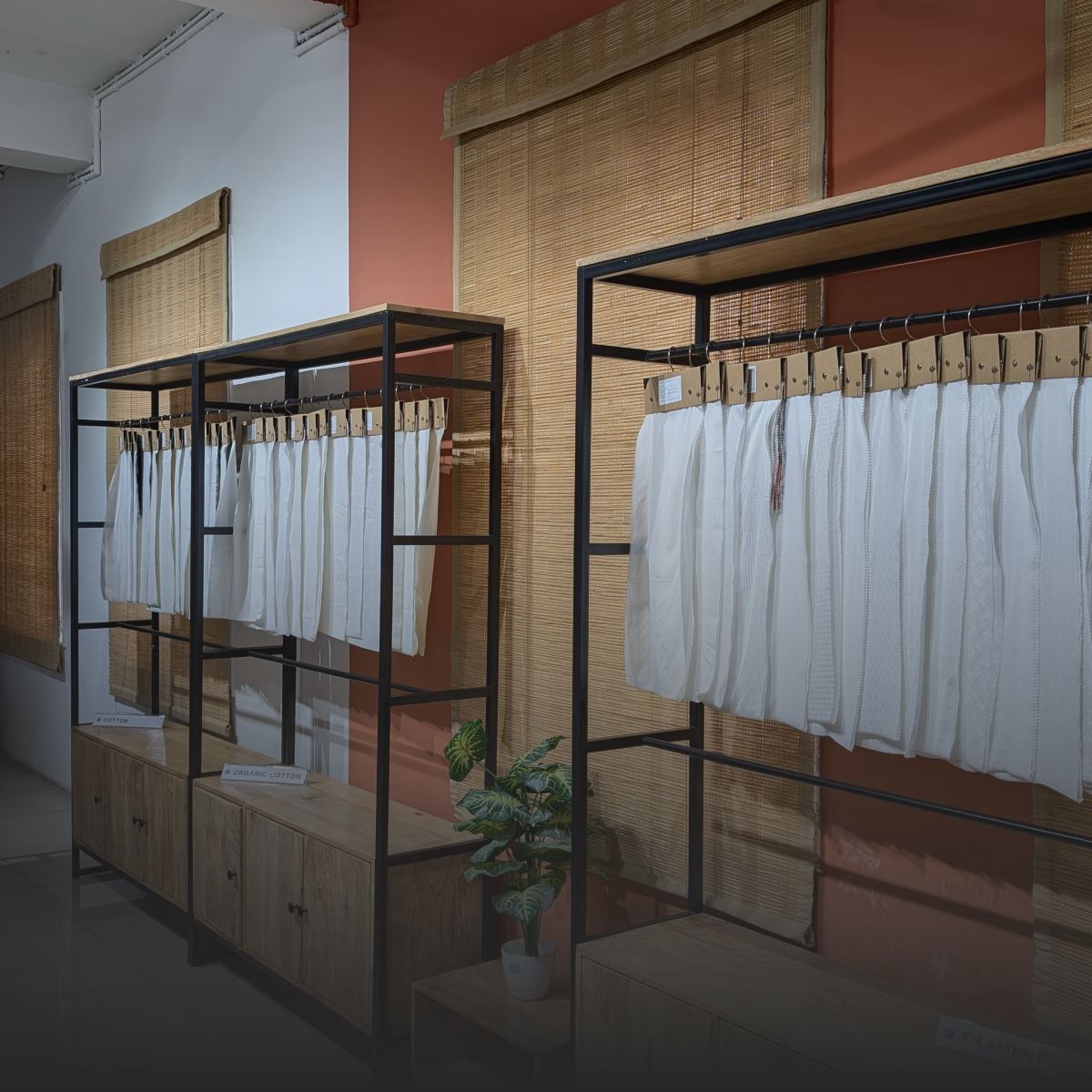
Fabriclore is a fabric sourcing platform in India that uses technology to make it easier for global fashion brands to find textiles, develop new ones, and make more of them. Fabriclore is a trusted wholesale fabric supplier in India's main textile clusters. It has been fabric sourcing, dyeing, and printing for more than ten years and connects buyers with a carefully chosen network of verified mills, artisans, and makers.
What Fabriclore Offers:
- Complete sourcing ranges from RFD, greige, to dyed and printed fabrics.
- Extensive portfolio of cotton, linen, viscose, and blended fabrics.
- Custom fabric development with digital printing and dyeing solutions.
- Flexible low MOQ sourcing tailored for startups and growing brands.
- Integrated end-to-end garment manufacturing from sampling to bulk.
Key Advantages:
- Real-time inventory access and sourcing transparency.
- Detailed fabric specifications, including count, weave, and construction.
- Consistent quality assurance across production stages.
- Faster sampling with streamlined development cycles.
- Reliable global shipping and delivery tracking.
Fabriclore combines traditional textile knowledge with digital efficiency to help brands create supply lines that are flexible, scalable, and competitive on a global scale.
Future of Made in India Fabrics
India's textile business will grow in the future thanks to new ideas, environmental protection, and going digital.
Key Trends:
- Growth in sustainable textiles.
- Expansion of technical fabrics.
- Increased automation and AI adoption.
- Rise of digital sourcing platforms.
India is expected to keep being the world's leader in textile production because it has answers that can be scaled up and will work in the future.
Conclusion
With a strong focus on quality, sustainability, and scalability, Made in India fabrics for global fashion brands are changing the way the world buys clothes. India has a sourcing ecosystem that is ready for the future, thanks to its advanced integrated textile supply chain India, reliable production skills, and growing digitalisation. Brands can find a wide range of fabric options that meet the needs of today's market, from natural fibres to advanced textiles. Businesses can make their supply lines more stable and competitive by working with trusted fabric suppliers, using platforms like Fabriclore, and using strategic sourcing methods. This will also help them be more efficient and grow in the global fashion markets over the long term.
FAQs
1. Why Are Global Fashion Brands Sourcing Fabrics From India?
Global fashion brands like to get their fabrics from India because it has a stable supply chain, low prices, and good quality.
- Wide variety of fabrics.
- Scalable manufacturing.
- Sustainable sourcing options.
- Strong export capabilities.
2. What Fabrics Are Most Commonly Sourced From India By Fashion Brands?
India is a common place for fashion brands to get cotton, linen, viscose, handloom textiles, and performance fabrics. Because they are versatile and good quality, these materials are used a lot in everyday wear, high-end collections, and sustainable fashion.
3. Is India A Good Option For Sustainable Fabric Sourcing?
Yes, India is a great place to get eco-friendly fabrics. The country has internationally certified textiles, eco-friendly dyeing methods, and organic cotton, all of which help brands meet their sustainability goals and foreign standards.
4. Can Small Fashion Brands Or Startups Source Fabrics From India?
Indeed, India is a great place for small brands and new businesses to start up because many makers offer low MOQ production. This lets companies try out different ideas, lower the risk of running out of stock, and grow slowly without having to make big investments all at once.
5. What Is The Best Way To Source Fabrics From India Efficiently?
Digital sourcing platforms, working with verified suppliers, and getting samples before making a lot of fabric are the best ways to get fabrics from India quickly. This keeps the quality consistent, makes it easier to compare suppliers, and makes the production process run more smoothly.
We also happen to be a magnet for suggestions, and would love to catch yours….throw us yours on hello@fabriclore.com
Learn, Create & Grow with us