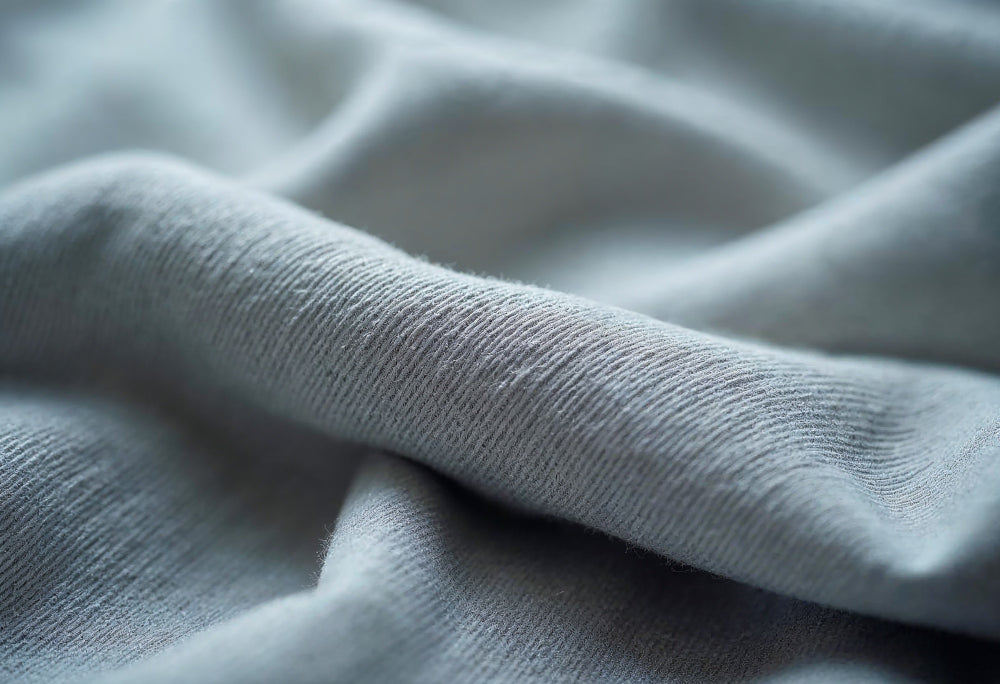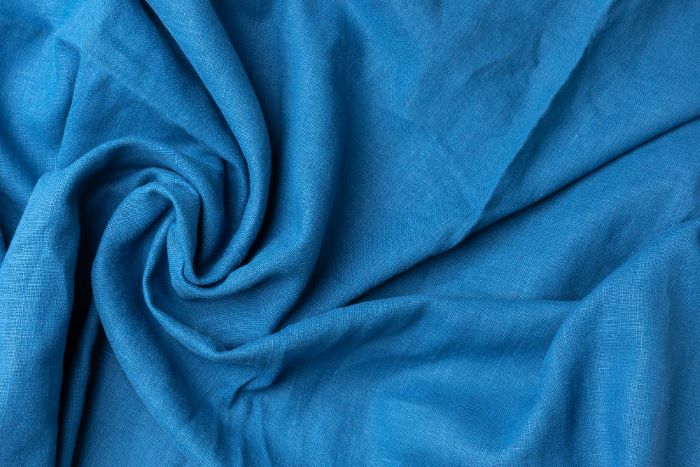
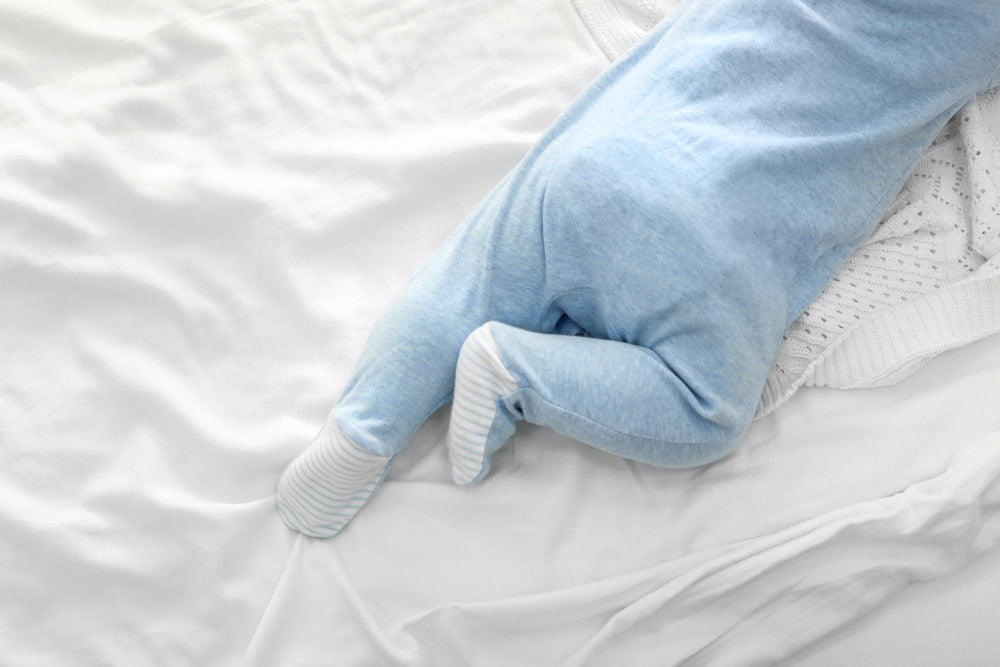
When it comes to choosing soft cotton fabric for babywear manufacturing, is not just about the textile; it's a vital safety choice. Fabric performance is critical because babies have immature immune systems, limited temperature regulation, and sensitive skin. This is why soft cotton is still the most popular choice in baby clothing shops around the world.
Parents today are actively looking for baby clothes that are safe, breathable, chemical-free, and friendly to the skin. This makes brands raise their buying and quality standards. When babywear brands, startups, and private labels choose the right cotton fabric by buying from trustworthy cotton fabric wholesalers, it directly affects product safety, customer trust in the brand, compliance with regulations, and the brand's long-term growth. The following article has more information.
Why Cotton Is the Preferred Fabric for Babywear
Cotton fabric has been used in baby clothing for years since it is naturally soft, safe and comfy for babies and toddlers.
Key Reasons Cotton Is Ideal for Babywear
- Naturally soft and gentle on baby skin.
- Breathable fiber structure reduces heat buildup.
- High moisture absorption keeps babies dry.
- Hypoallergenic when processed correctly.
- Durable enough to withstand frequent washing.
- Biodegradable and environmentally responsible.

What Makes Cotton Soft for Babywear?
Not all cotton fabrics are suitable for baby clothes. When making baby clothes, the softness has to last and not wash out.
Factors That Determine Softness in Babywear Cotton
- Fiber length (long-staple cotton performs b etter)
- Yarn quality and spinning method
- Fabric construction (knit vs woven)
- Fabric finishing processes
- Absence of harsh chemical treatments
Soft cotton fabric for baby clothes must keep its softness after being washed many times. This makes both fiber choice and fabric tech very important.
Types of Soft Cotton Fabric Used in Babywear Manufacturing
Each type of babywear requires a different method of fabric-making. We are telling you the most commonly used soft cotton fabric types for making baby clothes.
1. Organic Cotton Fabric for Babywear
Organic cotton fabric is made using natural growing methods and gentle processing. It feels soft on the skin and allows air to pass easily, which makes it suitable for baby clothes worn for long hours.
Benefits
- Extremely soft and breathable.
- Reduced risk of skin irritation.
- Environmentally responsible.
- Ideal for premium and eco-conscious babywear brands.
Common Babywear Uses
- Newborn bodysuits
- Onesies and rompers
- Baby sleepwear
2. Cotton Jersey Fabric
Because of its stretch, flexibility, and comfort, cotton jersey is a great knitting fabric for everyday baby clothes.
Benefits
- Lightweight and breathable
- Naturally stretchy without elastane
- Comfortable for movement
Common Babywear Uses
- Baby T-shirts
- Bodysuits
- Soft leggings

3. Interlock Cotton Fabric
Interlock cotton is a double-knit fabric that is smoother and thicker than jersey, which makes it last longer.
Benefits
- Soft on both sides.
- Better shape retention.
- Suitable for frequent washing.
Common Babywear Uses
- Baby sleepsuits.
- Winter babywear.
- Premium basics.
4. Cotton Muslin Fabric
This Muslin cotton fabric is a lightly woven fabric appreciated for its lightness and airiness.
Benefits
- Highly breathable.
- Becomes softer with each wash.
- Ideal for warm climates.
Common Babywear Uses
- Swaddles.
- Baby blankets.
- Summer babywear.
5. Cotton Rib Fabric
The ribbed knit structure of cotton rib cloth gives it natural elasticity.
Benefits
- Snug but comfortable fit.
- Good stretch recovery.
- Maintains softness over time.
Common Babywear Uses
- Baby vests.
- Cuffs and necklines.
- Baby thermals.
Knit vs Woven Cotton for Babywear
Knit and woven constructions are things that fabric makers need to know about to pick the right cloth.
Knit Cotton Fabrics
- Softer and stretchier.
- Better movement and comfort.
- Ideal for daily babywear.
Woven Cotton Fabrics
- More structured.
- Less stretch.
- Used for wraps, blankets, and accessories.
Most babywear brands prioritize knitted cotton fabrics due to superior comfort.

Safety & Certifications for Baby Cotton Fabric
In the manufacturing of babywear, there can be no compromise on fabric quality and safety, as children's skin is soft and delicate.
Essential Certifications
- OEKO-TEX® Standard 100.
- GOTS (Global Organic Textile Standard).
- REACH compliance (for EU markets).
- ISO quality standards.
Certified fabrics ensure regulatory compliance and consumer trust.
GSM & Fabric Weight for Baby Clothing
GSM directly impacts comfort.
Recommended GSM Ranges
- 120–160 GSM: Lightweight babywear.
- 160–200 GSM: All-season garments.
- 200–240 GSM: Winter wear and blankets.
Correct GSM prevents overheating and discomfort.
Dyeing & Printing Considerations for Baby Cotton Fabric
Babywear fabrics require safe colouration methods.
Best Practices
- AZO-free dyes
- Water-based printing
- Minimal chemical finishing
- Colorfastness testing
Soft pastels and minimal prints are preferred for newborn clothing.
Sustainability Trends in Babywear Cotton Fabrics
These days, Gen-Z parents are aware of sustainability and are looking for more eco-friendly baby clothes.
Key Trends
- Organic and regenerative cotton.
- Low-impact dyeing.
- Reduced water usage.
- Ethical labor practices.
People now take sustainability into account when they buy things.
Common Babywear Products Made from Soft Cotton
Soft cotton is used across all babywear categories:
- Bodysuits and onesies.
- Rompers and sleepsuits.
- Pajamas.
- Baby blankets and swaddles.
- Hats, mittens, and booties.
Each product demands specific fabric properties, reinforcing the need for informed sourcing.
Where to Buy Soft Cotton Fabric for Babywear Manufacturing
These days, baby clothing brands and makers are increasingly turning to online fabric sourcing platforms to buy soft cotton fabrics, as they offer a wider fabric selection, flexible MOQs, production-ready materials, and openness.
When buyers use the internet to source materials, they can look at certified baby-safe cotton fabrics, compare details, order samples, and easily scale up production without being limited to what's in stock at local stores. This method works really well for new businesses, private-label brands, and baby clothing brands that focus on exports and want to ensure their suppliers are reliable and consistent over time.
Soft Cotton Fabric Varieties for Babywear Available via Fabriclore
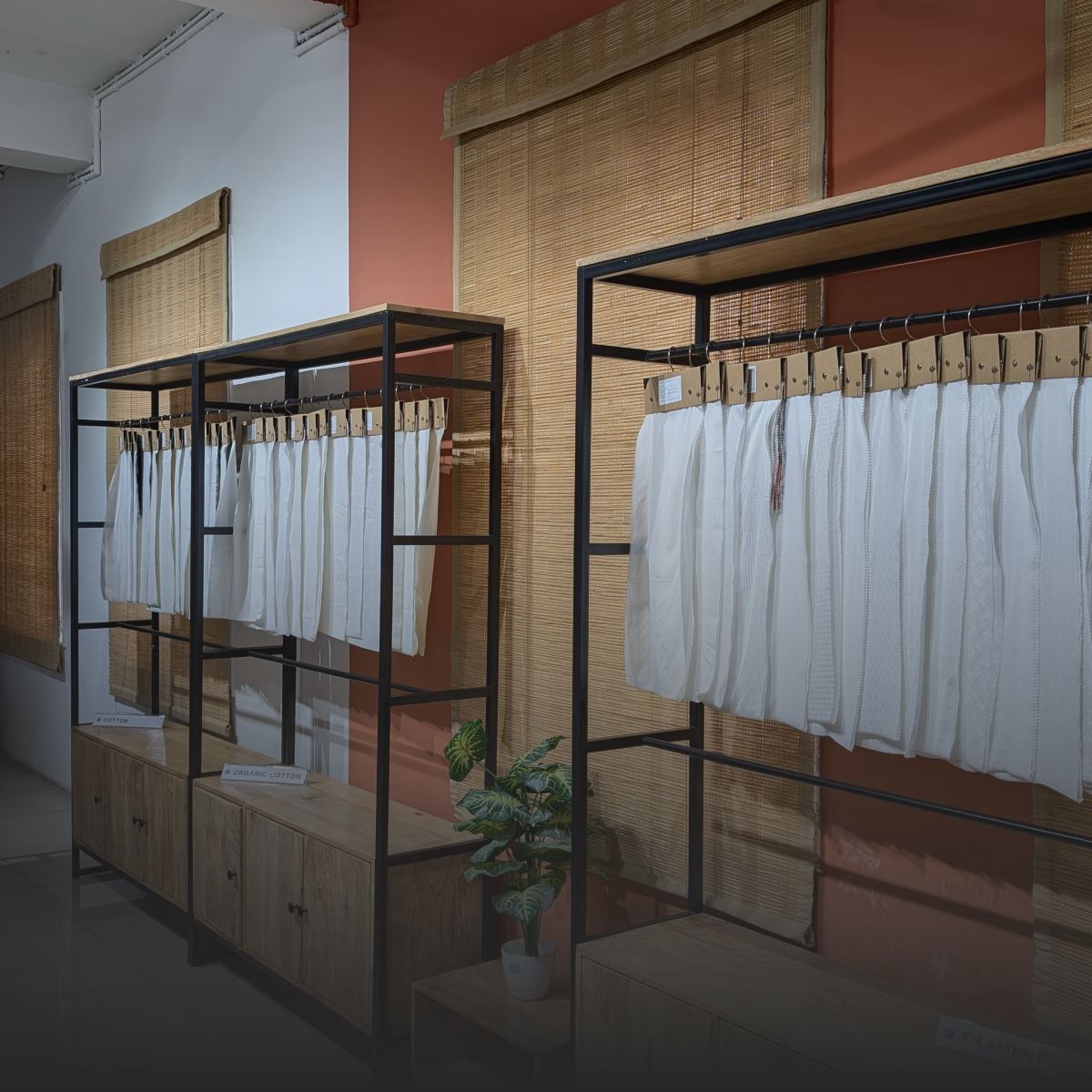
Fabriclore gives babywear makers, startups, and private labels access to a full range of soft cotton fabrics made just for baby clothes. These fabrics come in different processing stages: Greige, RFD, and dyed. This lets brands control how soft and safe the fabrics are and how much they can customize them. They also benefit from low MOQ sourcing and production-ready consistency.
Fabriclore-Supported Soft Cotton Fabrics for Babywear
Fabriclore provides high-quality production-oriented fabrics, making them suitable for babywear brands, exporters, and makers who need to produce high-quality items repeatedly.
|
Soft Cotton Fabric Type |
Knit / Woven |
Processing Stage |
Babywear Suitability |
|
Organic Cotton |
Knit & Woven |
Greige, RFD, Dyed |
Newborn & infant wear |
|
Cotton Jersey |
Knit |
Greige, RFD, Dyed |
Bodysuits, T-shirts |
|
Interlock Cotton |
Knit |
RFD, Dyed |
Sleepsuits, winterwear |
|
Cotton Rib |
Knit |
RFD, Dyed |
Vests, cuffs, thermals |
|
Cotton Muslin |
Woven |
Greige, RFD, Dyed |
Swaddles, blankets |
|
Cotton Poplin / Cambric |
Woven |
Greige, RFD, Dyed |
Baby accessories |

Fabriclore Services & Key Advantages for Babywear Brands
For baby clothes manufacturing, Fabriclore serves as an end-to-end sourcing ecosystem, helping companies from fabric selection to garment production. Its services are meant to help baby clothing companies achieve scalable growth, ensure their materials are delivered safely, and save money.
Fabriclore’s Core Services & USPs:
- Low-MOQ sourcing of soft cotton fabric for babywear.
- Greige, RFD, dyed, and custom-developed cotton fabrics.
- Baby-safe fabric recommendations based on end use.
- Fabric swatches and sampling before bulk production.
- Managed dyeing and print development.
- Comfort and safety with GSM and finish customization.
- Globally recognized export-ready quality.
- Integrated low-MOQ custom garment production.
- Startups, designers, boutiques, private labels, exporters.
Fabriclore is a reliable fabric sourcing partner for baby clothing brands. Those who care about quality, safety, and growth. This online platform offers a wide range of customization options and flexible, low-MOQ term manufacturing support for international brands.
Challenges in Babywear Fabric Sourcing (and How to Avoid Them)
When fashion businesses, brands, and boutiques seek the best cotton fabric supplier for baby apparel, they face numerous challenges. I'll give you some of them, along with solutions.
Common Challenges
- Inconsistent softness.
- Fabric shrinkage.
- Chemical residues.
- MOQ limitations.
How to Avoid Them
- Buy fabric swatches before bulk.
- Verify certifications.
- Use RFD fabrics for controlled dyeing.
- Work with babywear-experienced suppliers.
Future of Soft Cotton Fabric in Babywear Manufacturing
The fashion landscape is evolving swiftly, and the industry must adapt to these transformations. Innovation is transforming babywear textiles in this exciting new era.
Emerging Developments
- Traceable cotton supply chains.
- Improved enzyme-washed finishes.
- Plant-based fiber blends.
- AI-driven fabric inspection.
Brands adopting future-ready cotton fabrics will lead the next generation of babywear.

Conclusion
Soft cotton cloth remains at the heart of babywear manufacturing because it offers the best comfort, safety, and adaptability. No matter what type of baby clothes you're making, cotton provides plenty of safe options, from organic cotton and jersey knits to muslin and rib fabrics.
Success for fashion and babywear brands depends on selecting the right cotton, emphasizing safety certifications, and using babywear-specific textiles. Soft cotton fabric symbolizes care, comfort, and quality in a trust-driven market.
Fabriclore offers a wide variety of cotton fabrics to help you do it all. You can buy fabric swatches first, try them, and then order more. It also makes it easier to produce kids' clothes by having low minimum order numbers (MOQs).
FAQs
1. What Is The Best Cotton Fabric For Babywear Manufacturing?
Organic cotton, cotton jersey, interlock cotton, and cotton muslin are the best types of cotton for making baby clothes. These fabrics are safe for kids when they are made without harmful chemicals. They are soft, breathable, and friendly to the skin.
2. Is Organic Cotton Better Than Regular Cotton For Baby Clothes?
Yes, organic cotton is better for baby clothes because it is grown using natural methods that don't harm plants, rather than chemicals. This is perfect for baby and newborn clothes because it reduces the risk of skin irritation.
3. What GSM cotton Fabric Is Suitable For Baby Clothing?
The accurate GSM of kids' clothes varies by fabric type, season, and how comfy the clothes are. Picking the right GSM makes clothing cosy, airy, and temperature-regulating.
- 120–160 GSM: Best for newborns and summer clothing; lightweight and highly breathable.
- 160–200 GSM: Ideal for children's clothing in all seasons; offers the perfect balance of softness and durability.
- 200–240 GSM: Suitable for children's winter clothing and blankets; provides warmth without feeling heavy.
Choosing the right GSM for fabric ensures that children's clothing is comfortable, delicate, and durable.
4. Where Can I Buy Soft Cotton Fabric For Babywear Manufacturing?
The best place to buy soft cotton for making baby clothes is online fabric sourcing platforms that offer certified, baby-safe cotton fabrics, low minimum order quantities, fabric samples, and customization options. Online sourcing can scale up and down more easily, and it is more consistent than local shops.
5. Can I Order Fabric Swatches Before Bulk Babywear Production?
Yep. Reputable fabric providers allow customers to order cotton fabric swatches before placing bulk orders. This helps ensure the fabric is soft, has the right GSM and colour, and is suitable for baby clothes. This lowers the risk of production and fabric waste.
We also happen to be a magnet for suggestions, and would love to catch yours….throw us yours on hello@fabriclore.com
Learn, Create & Grow with us 

Also Read Related Blogs:
1. Starting a Kids Clothing Brand and Want to Enquire About Kids Streetwear Fabrics?
2. Looking for Solid Knit Jeans Fabric for Kids and All-Over Printed Jersey Fabric for Ladies?
3. I Want to Print My Own Prints for Kidswear on a Comfortable Fabric