European fashion blends style with function. For Summer 2026, that balance is more evident than ever. In France, Italy, Spain, Germany, the UK, and the Nordic countries, European brands are focusing on linen and cotton fabrics for their warm-weather collections. This choice isn't just a passing trend. It shows climate facts, consumer preferences, sustainability standards, and changing production methods.
Premium resortwear from Southern Europe and minimalist brands from the North are defining the design, sourcing, and manufacturing of European summer linen and cotton clothing. This article discusses why natural fibres are essential in Summer 2026, how brands use them, and how Fabriclore enables scalability through customisation and low MOQ production.
The European Summer 2026 Landscape: What Has Changed
The summers in Europe have been very different in the last few years. Instead of planning for short heat windows, designers now plan for longer warm seasons that need fabrics that can do more than one thing.
European Summer 2026 is based on three facts:
- Longer heat waves and hotter summers.
- Stronger rules on sustainability and tracking.
- People are choosing comfort over synthetics that are in style.
Because of this, brands are moving away from heavy blends and fibers that trap heat. Instead, they are buying linen fabric wholesale and sourcing cotton fabric that works well in real life.
Design priorities for SS26 include:
- Breathability and airflow.
- Natural texture and drape.
- Long-term wearability.
- Responsible and traceable sourcing.
These priorities align directly with linen and cotton.

Why Linen Fabric Leads European Summer 2026 Collections
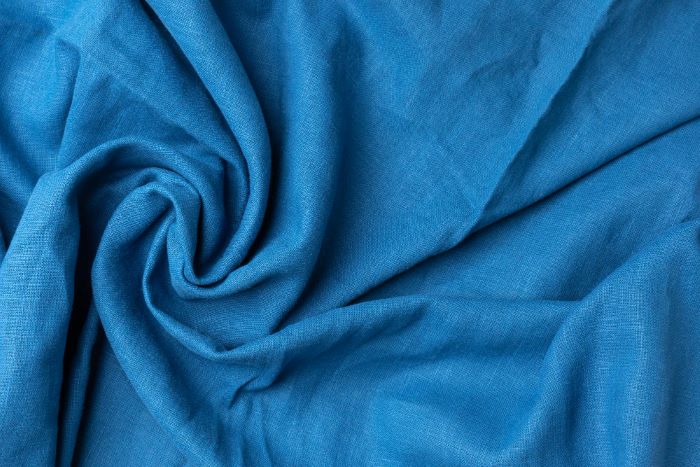
European brands have been using linen fabric a lot this summer because it performs well in very hot weather and is environmentally friendly. Designers choose linen not just because it looks good, but also because they know it is comfortable, durable, and environmentally friendly.
Climate Performance in Real European Summers
Linen fibers are naturally hollow, which lets air flow through them and evaporates moisture quickly. This makes linen very useful during long heat waves in Central and Southern Europe. Clothes made from sources that offer linen fabric wholesale offer:
- Natural body temperature regulation.
- Faster drying in humid conditions.
- Comfort during long daytime wear.
Fabrics such as summer dresses, shirts, casual tailoring, and resortwear are made from linen because of its qualities.
Design Compatibility With European Aesthetics
In European fashion, simple elegance is more popular than high-shine finishes. This way of thinking about design is supported by linen's matte finish, natural texture, and easy drape. Linen is used a lot in SS26 for:
- Resortwear and vacation capsules.
- Minimalist and heritage-inspired collections.
- Contemporary womenswear and menswear.
Sustainability and Regulatory Alignment
Linen is one of the natural fibers that uses the least amount of resources. When European brands buy linen fabric wholesale, they get the following:
- Low water usage during cultivation.
- Minimal chemical processing.
- Long fiber lifespan and durability.
This makes it easier for linen to comply with European sustainability and eco-labelling rules.

Why Cotton Remains Essential for Summer 2026
Linen is better at keeping you cool, but cotton remains the mainstay of summer wardrobes in Europe because it's comfortable, versatile, and easy to make.
Versatility Across Product Categories
Cotton can be used for many different summer clothes, which lets brands keep the fabric the same from one collection to the next. Some common uses are:
- Shirts, blouses, and co-ords.
- Dresses and casual trousers.
- Kidswear and everyday basics.
- Loungewear and sleepwear.
Because of this, cotton fabric sourcing is vital for brands that handle a wide range of products.
Comfort and Skin Compatibility
When it's hot in Europe, people want to stay comfortable all day. Cotton fabric is naturally soft, breathable, and gentle on the skin throughout the year, not just in the summer. So you can wear it all day without becoming irritated.
Manufacturing Predictability and Repeatability
Cotton supports scalable production because it offers:
- Consistent GSM control.
- Predictable dye behaviour.
- Reliable repeatability for reorders.
For brands planning to restock and repeat the Summer/spring collection, 26 drops, cotton is a great choice.
Linen vs Cotton: How European Brands Use Both Together
European brands don't have to choose between linen and cotton for summer 2026. To find a good balance between performance, price, and design intent, they use both.
|
Use Case |
Preferred Fabric |
|
Extreme heat garments |
Linen |
|
Everyday wear |
Cotton |
|
Tailored summer looks |
Linen blends |
|
Kidswear |
Cotton |
|
Resort and vacation wear |
Linen |
|
Casual basics |
Cotton |
Many brands add cotton linings to linen outer layers to make them more comfortable, last longer, and retain their shape.

Design Trends Driving Linen and Cotton Demand in Spring/ Summer 26
Europe's SS26 design trend is toward comfort-driven silhouettes, subtle details, and looks defined by materials. Linen and cotton fabric naturally help with this change.
- Relaxed Shapes: SS26 is all about loose cuts, shirts that are too big on the body, boxy dresses, and pants with drawstrings—linen and cotton drape naturally, which lets air and movement flow.
- Natural Colour Palettes: Off-white, sand, clay, sage, sky blue, and soft greys are all in style right now. When used on natural fibers, these tones make the texture and depth stand out the most.
- Texture-Led Minimalism: Designers are replacing heavy prints with fabric textures. The linen weave and the softness of cotton make things look interesting without being too designed.
Sustainability as a Commercial Requirement, Not a Marketing Claim
Sustainability is no longer a choice or a sign in Europe. Now, brands need to think about:
- Fiber origin
- Dyeing impact
- Fabric lifecycle
- Supply chain transparency
Brands can better meet these needs with linen and cotton than with synthetic materials.
Why Linen and Cotton Support Circular Fashion
- Biodegradable at the end of life
- Durable for extended wear
- Easier to recycle
These traits help Europe's push for fashion systems that use circular production.
Why Low MOQ Matters for European Summer Collections
European brands are increasingly launching:
- Smaller seasonal drops.
- Limited capsule collections.
- Market-testing assortments.
When demand's not clear, large MOQs increase the risk. Brands can be responsive and flexible without committing too much inventory if they have access to low-MOQ linen and cotton fabric.

How Fabriclore Supports European Brands for Summer 2026
Fabriclore is a global platform for finding fabrics. It has been helping European and international fashion brands for more than 10 years. It gives brands the freedom and consistency to source linen and cotton fabrics at different stages of production.
In addition to sourcing, Fabriclore is an all-in-one platform for fabric sourcing, customization, and clothing manufacturing for international brands.
This means European labels can manage their entire supply chain from a single place. Brands can get greige, RFD, dyed, and printed fabrics, request custom dyeing and printing, and start making clothes right away without working with multiple vendors.
This all-in-one method makes development easier, reduces production risks, and helps keep costs down. Over 500 international brands trust Fabriclore for scalable, transparent, and export-ready production because European brands can get fabrics, customize them, and make finished clothes from a single, dependable partner.
Linen Fabric Solutions Through Fabriclore
Fabriclore's linen sourcing helps with the development of SS26 and bulk production by:
- Greige linen fabric for development.
- RFD linen for custom dye programs.
- Solid dyed linen aligned with SS26 palettes.
- Digitally printed linen for capsule collections.
Some relevant collections include wholesale linen, solid-dyed linen, and digitally printed linen made just for you.
Cotton Fabric Solutions for European Brands
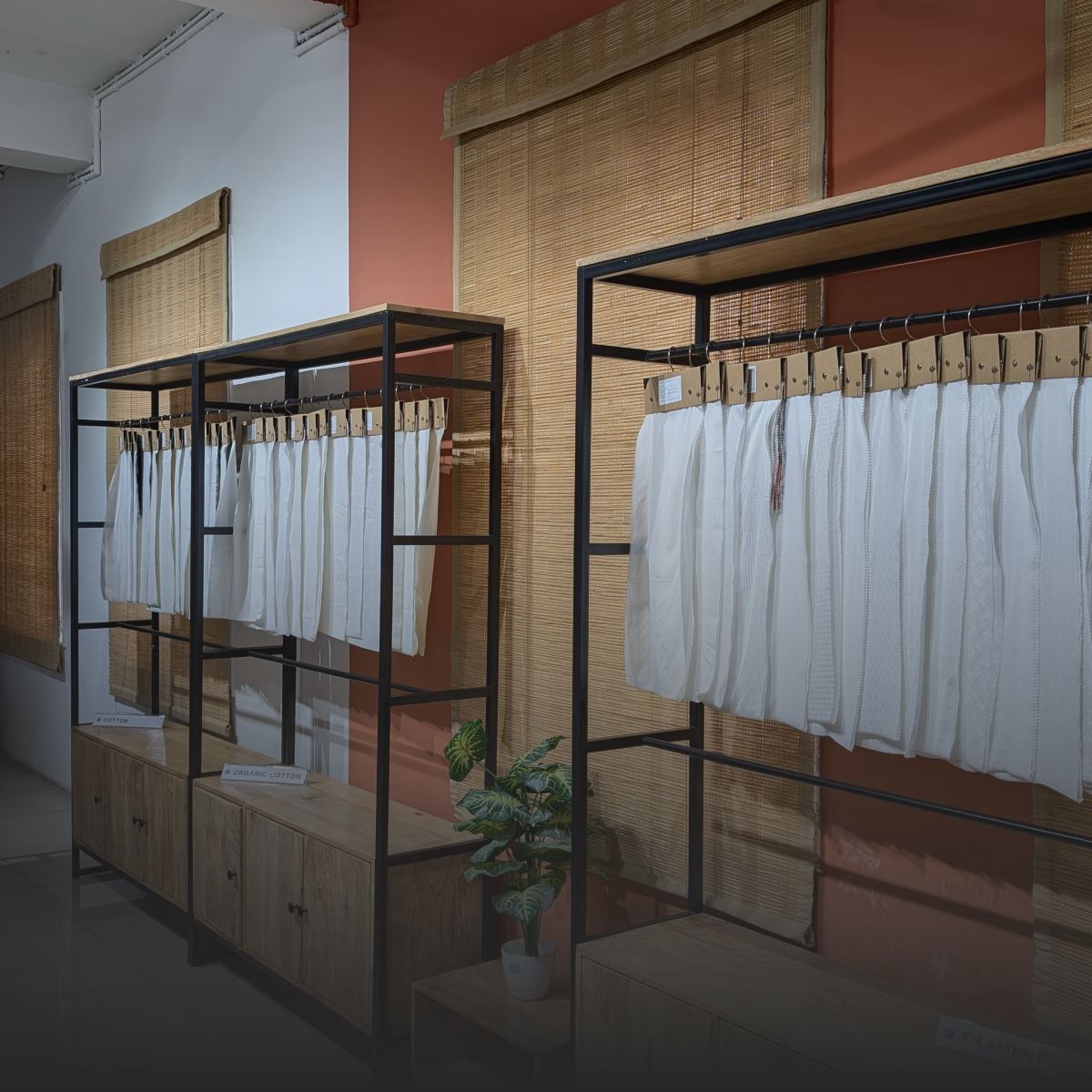
Fabriclore also helps with sourcing cotton fabric in several different areas:
- Lightweight cotton for summer tops.
- Structured cotton for dresses and shirts.
- Yarn-dyed cotton for consistency.
- Organic cotton options for sustainable lines.
- Digitally printed cotton for seasonal stories.
With these options, brands can stay the same in both small and large production runs.
Supporting Apparel Manufacturing With Low MOQ
Fabriclore does more than just find fabrics. It is also a custom apparel manufacturer with low MOQ, which helps:
- Small batch production.
- Repeat seasonal collections.
- International private labels.
- Boutique and DTC brands.
By sourcing fabrics and making clothes simultaneously, brands reduce development delays, fabric mismatches, and production errors.
Why European Brands Avoid Synthetic Summer Fabrics in 2026
Synthetic fabrics present clear challenges:
- Poor breathability.
- Heat retention.
- Environmental scrutiny.
- Recycling limitations.
People are avoiding heavy polyester summer clothes, especially in high-end and mid-range markets. Linen and cotton naturally solve these issues.
Cost Control Without Compromising Quality
European brands remain cost-aware but quality-driven. Linen and cotton offer:
- Predictable pricing.
- Lower long-term risk.
- Strong consumer acceptance.
When bought through platforms like Fabriclore, which give brands access to mills and low MOQs, these fabrics can still be sold by smaller brands.
Who Is Driving Linen and Cotton Demand in Europe
- Sustainable fashion labels.
- Resortwear brands.
- Contemporary womenswear labels.
- Comfort-focused menswear brands.
- DTC brands are testing seasonal drops.
This demand is for all kinds of labels, from high-end to mid-range to new ones.

Final Outlook: Linen and Cotton Define European Summer 2026
Linen and cotton fabrics are not going to be in style this summer (2026). These are strategic choices based on how well the product works in different climates, how easy it is to make, how comfortable it is for customers, and how well it meets sustainability standards.
Brands in Europe that do well are those that:
- Choose breathable natural fibers.
- Source responsibly.
- Maintain flexibility through low MOQs.
- Align fabric development with design intent.
Fabriclore helps brands build summer collections that will work in the future by providing export-ready fabrics, customization help, and integrated manufacturing.
You can't avoid linen and cotton in Europe this summer. They are important.
FAQ’s
Why Do European Brands Prefer Linen And Cotton For Summer 2026?
European brands prefer linen and cotton for Summer 2026 because both are natural fibres that breathe better, keep moisture away, and are more comfortable not only in hotter climates but in all seasons. They meet European sustainability standards, consumer demand for eco-friendly fabrics, and provide consistent, long-term sourcing, making them ideal for SS26 collections.
Is Linen Better Than Cotton For Hot European Summers?
Linen works better in very hot weather because it naturally lets air flow through it and quickly evaporates moisture, making it perfect for summer clothes. But cotton is still necessary for everyday wear because it is soft, long-lasting, and uniform. Most European brands use both linen and cotton together to get the best of comfort, price, and design options.
Are Linen And Cotton Considered Sustainable Fabrics In Europe?
Yes. Linen uses less water and chemicals, but cotton lasts longer and can be recycled. Both help Europe reach its circular fashion goals, and it's easier to trace and label them as eco-friendly than synthetic fabrics.
How Do European Brands Source Linen And Cotton Fabrics With Low MOQs?
Fabric sourcing platforms worldwide help European brands find low-MOQ linen and cotton fabrics at various stages, including greige, RFD, dyed, and printed. This lets brands try out their SS26 collections, keep an eye on inventory, and increase production without committing to too many items at once.
How Does Fabriclore Support European Brands For Summer 2026 Collections?
For European brands, Fabriclore offers sourcing, customisation, and low-MOQ apparel manufacturing for linen and cotton fabrics, all in one place. Fabriclore helps brands create, test, and produce multiple SS26 collections with consistency and control by providing access to greige, RFD, dyed, and printed fabrics, as well as support for garment production.
We also happen to be a magnet for suggestions, and would love to catch yours….throw us yours on hello@fabriclore.com
Learn, Create & Grow with us 

Also Read Related Blogs:
1. Best Linen Summer Dresses for Every Occasion: From Casual to Formal Summer Styles
2. Top Fabrics for U.S. Summer Fashion: Stay Cool and Stylish in Hot and Humid Weather
3. How Cotton Fabric Is The Best For Summer Season?
4. Explore the Spring/Summer 2024 Fashion Trends Fabrics & Colors
5. What Are the Best Cotton Fabrics for Summer Clothing?
6. Online Store to Buy Linen and Cotton Fabric in Europe