The global fashion environment is transforming woven fabric clothing in India in two ways. However, centuries-old weaving traditions define cultural identity.
However, sustainable fibres, modern technology, and global fashion are changing how woven clothing is designed, produced, and consumed.
India is no longer just about sarees and handlooms in 2026. It supplies "slow luxury, everyday fashion, corporate wear, and export-ready garments to worldwide markets as a global hub for structured woven apparel.
The article talks about how Indian clothing made from woven fabrics combines traditional skills with new ideas for the future. It also talks about why this style is still essential for local wardrobes and global shopping.
What Is Woven Fabric, and Why Does It Matter?

Cloth is made by weaving two sets of thread, known as the warp and weft, at right angles on a loom. This structure produces robust, long-lasting fabrics that keep their shape, making them perfect for durable clothing.
Here's how India makes woven fabric:
- Handloom weaving is a collaborative effort.
- Weaving on a powerloom and in a mill for scale.
- Digital jacquard and automatic looms that are highly accurate.
Because of this range, woven fabric clothing can be used for both high-end, hand-made items and mass-produced clothes.
The Indian Woven Fabric Landscape in 2026
In 2026, India's woven clothing industry sees a clear shift in customer behavior and brand strategy planning.
Key Market Shifts:
- A move away from fast fashion and towards slow luxury.
- Sustainable woven fabrics are becoming more popular.
- The rise of Indo-Western and everyday structured wear.
- This is because global private labels and DTC brands are buying more.
No longer are woven fabrics used only for ethnic or special-event clothes. They are now an essential part of everyday travel, job, and resort clothes.
Traditional Woven Fabrics: The Foundation
India’s weaving heritage remains the backbone of its fashion identity.
Iconic Traditional Woven Fabrics:
- Khadi for regular clothes that let air flow.
- Banarasi silk for ceremonial and special-event outfits.
- Chanderi and Maheshwari for a light and elegant look.
- Ikat and Jamdani for telling stories based on patterns.
- Kota Doria for a clear look that's great for summer.
What has changed in 2026 is not the fabric itself, but how it is used.
The New Trend: Re-Engineering Tradition for Modern Wear

People are changing the shapes of traditional woven fabrics to make them more modern and better suited to current life.
Indo-Western Woven Clothing:
- Handloom Ikat transformed into midi dresses and blazers.
- Chanderi is used for structured shirts and co-ord sets.
- Banarasi weaves are used to make jackets, corsets, and evening separates.
This change lets brands maintain their roots while staying up to date with global fashion standards.
The 2026 Material Revolution: Beyond Cotton
India's next wave of woven clothing is driven by bio-based and regenerative fibres, even as cotton remains a key material.
New Woven Fabrics That Are Sustainable:
- Hemp mixes are strong and good for warmer climates.
- Using Tencel and linen to make clothes that are fluid and airy.
- A high-end fabric made from banana fibres that looks like silk.
- High-tech recyclable fibres that feel natural in your hand.
These materials help India become a bigger player in sustainable fashion exports.
Anti-Fit and Comfort-Led Silhouettes
A defining trend in woven fabric clothing for 2026 is the rise of Anti-Fit design.
Why Anti-Fit Works:
- Fits the humid conditions of India.
- Flows air and keeps you comfortable for long periods.
- Fits with the trend for casual clothing around the world.
- Back sizes that are gender-neutral and fit everyone.
Woven fabrics are ideal for Anti-Fit garments because they maintain structure without clinging.
Smart Wovens and Functional Innovation
Now technology is being built into the loom.
Improvements in the functionality of woven fabrics:
- Textiles that control temperature to keep you cool.
- Antimicrobial woven finishing to keep odors at bay.
- Fabrics that can handle moisture for tropical climes.
- Yarns that don't fade in the sun for outdoor use.
India is now a leader in practical woven clothing thanks to these new ideas.
2026 Aesthetic Direction: Texture Over Print
Indian fashion for weaving is moving away from designs that cover large areas.
Important trends in art:
- Fabrics with lots of different textures, like slubs, ribs, and 3D jacquards.
- Neutral and emotionally stable colour schemes.
- A minimalist building with interesting textures.
This method supports designs that last and look good for a long time.
Woven Fabric Clothing Categories Driving Growth

Woven fabrics are used for more than just traditional garments. They are structured, comfy, and sturdy, making them ideal for daily wear, workwear, children's clothing, and accessories.
Key Growth Categories in Woven Fabric Clothing
|
Category |
Key Garments |
Fabric Advantage |
Primary Use Cases |
|
Menswear |
Shirts, trousers, chinos, loungewear |
Shape retention, breathable structure |
Corporate wear, daily essentials |
|
Womenswear |
Dresses, co-ords, fusion wear |
Elegant drape with stability |
Office wear, occasion apparel |
|
Kidswear |
Cotton garments, uniforms |
Soft, breathable, durable |
Casual wear, school clothing |
|
Accessories |
Scarves, stoles, woven bags |
Texture, longevity |
Styling, functional add-ons |
India’s Woven Manufacturing Ecosystem
India's strong point is that its supply line is all connected.
Important Textile Groups:
- Tamil Nadu to ship clothes.
- Gujarat is where you can weave cotton.
- West Bengal is known for its silk and linen.
- Ikat and blended fabrics are made in Telangana.
This variety enables growth and specialisation.
Why Global Brands Source Woven Clothing from India
- Many types of fabric to choose from.
- skilled building for clothes with a lot of structure.
- Competitive prices and the ability to sell.
- Customisation is possible for printing, dyeing, and sewing.
Large-scale manufacturing and small batch production are both encouraged in India.
Sustainability as a Business Requirement
In 2026, sustainability is no longer optional.
Why Woven Fabrics Support Sustainable Fashion:
- Long garment lifespan.
- Biodegradable natural fibers.
- Lower microplastic impact.
- Compatibility with circular fashion systems.
Brands sourcing woven fabric clothing in India benefit from this alignment.
The Future of Woven Fabric Clothing
India is transitioning from a traditional textile economy to a future-focused woven fashion powerhouse.
What Lies Ahead:
- More new and useful woven fabrics will be made.
- More low-MOQ manufacturing methods are being used.
- More clothing made from recyclable materials is being exported.
- Heritage and new ideas will continue to mix.
Where to Buy the Best Woven Fabrics in India

For fashion brands, designers, and manufacturers, finding the right sourcing partner is just as crucial as choosing the right fabric.
A reliable sourcing partner makes it easy for brands to scale from small batches to large-scale production, while keeping costs down and maintaining design quality.
Let's explore one such platform that provides wholesale fabrics and guarantees consistent quality, scalable production, and reliable delivery dates.
Fabriclore: A Trusted Fabric Sourcing Partner
Fabriclore is known as one of the best wholesale fabric suppliers in India because it offers transparent wholesale pricing and allows customers to buy fabric swatches before committing to large orders. Fabriclore is a global platform for sourcing fabrics with over 10 years of experience in sourcing, dying, and printing. It helps brands find textile solutions that are ready to export and can be scaled up. Over 500 international brands trust Fabriclore to deliver on time, consistently, and with the right changes.
Fabriclore offers:
- Greige fabrics for product development.
- RFD fabrics for custom dyeing.
- Dyed and finished fabrics for bulk production.
- Low MOQ sourcing, starting from around 300 meters (varies by fabric).
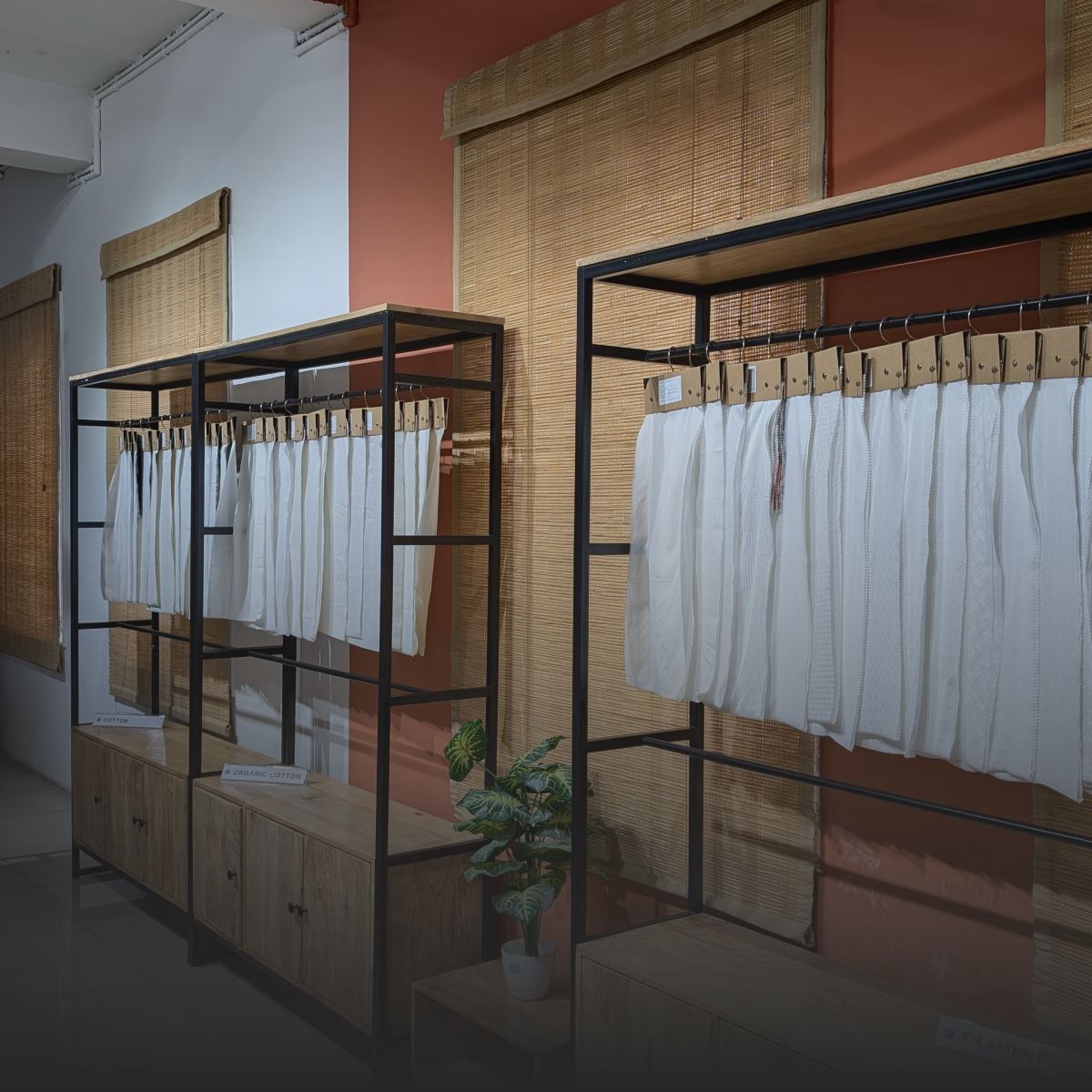
Clothing manufacturers and designers can order fabric swatches before buying large quantities. This lets them test the fabric's quality, drape, and performance before they start making clothes.
Fabriclore’s Garment Manufacturing Capabilities
Fabriclore does more than just find fabrics. They are also a custom apparel manufacturer with low MOQ that helps brands with everything from ideas to finished clothes.
Manufacturing Expertise:
Fabriclore specialises in woven fabric silhouettes across:
- Men’s wear: Shirts, trousers, chinos, loungewear.
- Women’s wear: Formalwear, casualwear, ethnic fusion.
- Kids’ wear: Casual, formal, ethnic, activewear.
- Accessories: Scarves, stoles, bags, scrunchies.
The fashion business can reduce development delays, fabric incompatibilities, and production risks by using a single platform for sourcing and manufacturing.
Conclusion: The Loom of Tomorrow

The phrase woven fabric clothing in India is no longer just a matter of custom. It now stands for new ideas, long-lasting materials, comfort, and global significance.
India is changing the way woven clothing is made for 2026 and beyond by combining old weave techniques with new materials, cutting-edge technology, and careful design.
For shoppers, woven clothing is long-lasting and always in style.
It gives brands the power to grow and stand out.
It shows the fashion business around the world how to grow slowly and responsibly.
Platforms like Fabriclore let brands safely build the future of woven fashion, rooted in India and ready for the world. These platforms combine fabric sourcing, customisation, and low-MOQ garment manufacturing.
FAQs
1. Why Is Woven Fabric Clothing In India Important For Global Fashion Brands?
Woven fabric apparel in India combines traditional artistry with modern, mass production. India supplies structured woven fabrics to global fashion brands for durability, quality, and scalability.
Global businesses use online fabric sourcing systems like Fabriclore to produce timeless collections, maintain strong margins, and satisfy changing consumer expectations without compromising quality.
2. Which Woven Fabrics From India Are Trending Globally For 2026 Fashion Collections?
In 2026, global brands that buy from India, such as organic cotton fabric, Khadi, Banarasi, Chanderi, Ikat, hemp blends, TencelTM, and regenerative woven fabrics, will be able to make structured, eco-friendly clothes ready to sell.
3. Why Do International Brands Source Woven Fabric Clothing From India?
International fashion brands, boutiques, designers, and businesses buy woven-fabric clothing from India because the country offers the most options for sourcing fabrics, manufacturing, and customising.
Brands gain from:
- Wholesale fabric sourcing with consistent quality.
- Customization across dyeing, printing, and weaving.
- Low MOQ options for testing and scaling collections.
- Reliable garment manufacturing for structured woven silhouettes.
4. How Does Sustainability Impact Woven Fabric Clothing In India?
Sustainability is what drives sourcing choices in 2026. Indian sustainable woven fabrics are long-lasting, biodegradable, have a lower impact on microplastics, and comply with regulations. This helps brands reduce waste, build credibility, and meet global standards for responsible fashion.
5. Where Can Brands Source Wholesale Woven Fabric And Garment Manufacturing Together In India?
Fabriclore is a reliable sourcing and manufacturing partner for brands looking to get wholesale woven fabric in India and have clothes made.
Fabriclore has a complete system that includes the following:
- Wholesale woven fabrics at greige, RFD, dyed, and printed stages.
- Buy fabric swatches before bulk ordering to test quality and drape.
- Low MOQ sourcing, starting around 300 meters (fabric-dependent).
- Custom apparel manufacturing with low MOQ for woven garments.
With 10+ years of experience and trust from 500+ international brands, Fabriclore enables brands to move seamlessly from fabric selection to finished woven apparel through a single, reliable system.
We also happen to be a magnet for suggestions, and would love to catch yours….throw us yours on hello@fabriclore.com
Learn, Create & Grow with us