
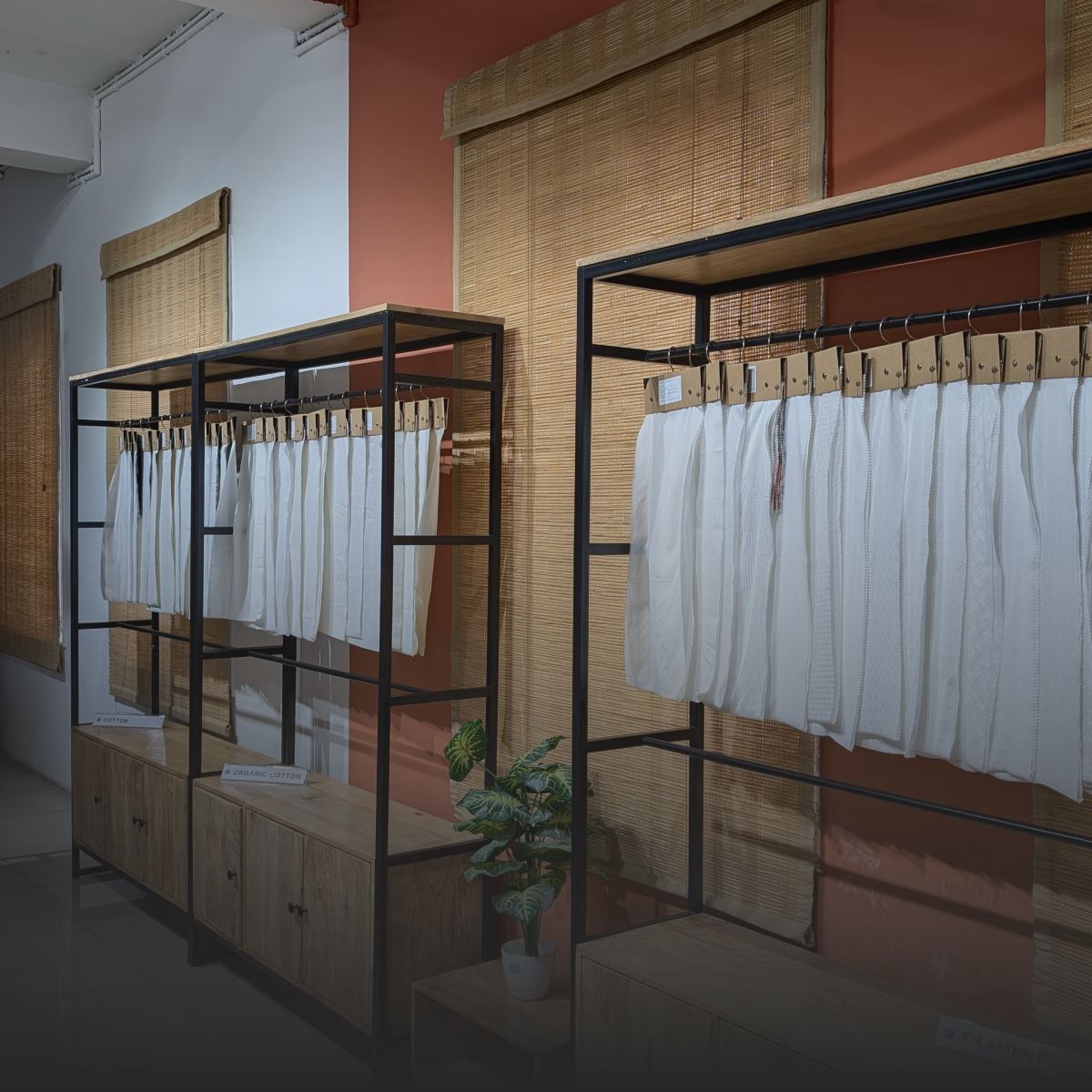

Summer isn't just a season; it's also a test of how well clothes work. Picking the best summer woven fabrics for private label clothing brands is important because it affects how comfortable the clothes are, how the brands are positioned, how many clothes are sold, and how many people order again.
People in the US, UK, Europe, Australia, the Middle East, and emerging countries want to buy:
- Low MOQ summer fabric sourcing for private label brands.
- Sustainable woven fabrics for summer clothing.
- Bulk summer fabrics wholesale.
- Custom dyed summer woven fabrics.
- Private label clothing production with fabric sourcing.
This guide provides a lot of information on high-performance summer weave fabrics, global sourcing strategies, and why online fabric sourcing platforms like Fabriclore are becoming the partners of choice for global brands looking to grow.
Why Summer Fabric Selection Impacts Private Label Success
When companies look into the best summer fabrics for clothing brands, they're not just following trends. They're also keeping an eye on risk and performance.
Summer woven fabrics affect:
- Customer comfort in hot climates.
- Brand premium perception.
- Garment drape and silhouette structure.
- Return rates due to shrinkage or discomfort.
- Dye consistency across bulk production.
- Reorder reliability for best-selling SKUs.
When private brands go global, fabric consistency is more important than a short-term price advantage.
Performance Criteria for High-Quality Summer Woven Fabrics
Before brands choose a summer fabric, they need to look at these technical factors:
- Breathability: Natural weave fabrics allow air to flow, making them less thermally dense.
- Moisture Absorption: Fabrics for summer should dry quickly and wick sweat away.
- Lightweight GSM: The best GSM range for summer woven fabrics is 80-180 GSM, depending on the type of clothing.
- Drape & Fall: For flowing shapes, you need soft drapes that don't compromise the shape.
- Dye- and print-friendly: It's important for private labels to use Pantone colors and digital writing that is clear and doesn't leave marks.
- Compliance with sustainability: Customers around the world want fibers that break down naturally and make it clear where they came from.

Best Summer Woven Fabrics for Private Label Clothing Brands
Based on global market trends, these summer woven fabrics are the most likely to sell well.
1. Cotton Poplin
Cotton poplin is still one of the best summer woven fabrics for private label clothing brands, especially for brands looking to make clothes and seeking bulk cotton poplin fabric wholesale. Its balanced weave structure lets air flow through while still giving it enough body for structured shapes.
Ideal For:
- Men’s Oxford and resort shirts.
- Women’s blouses and dresses.
- Kidswear uniforms.
- Lightweight co-ord sets.
GSM Range: 100–140 GSM
Why It Works:
- Structured yet breathable.
- Excellent surface for custom printing.
- Cost-efficient for scaling production.
- Easy to dye consistently for repeat orders.
When brands work with a knitted fabric wholesaler, cotton poplin performs reliably and is highly likely to be reordered.
2. Linen & Linen Blends
Linen is always at the top of the list for companies looking for the best linen fabric for summer private-label brands. It sets the standard for high-end summer clothing worldwide thanks to its natural airflow and strong sustainability focus.
Ideal For:
- Resort sets.
- Relaxed trousers.
- Linen blazers.
- Vacation wear collections.
GSM Range: 120–180 GSM
Why It Works:
- Exceptional airflow in hot climates.
- Strong eco-conscious perception.
- Supports premium brand storytelling.
- High demand across European and Australian markets.
Linen blends make clothes last longer and fight wrinkles better while keeping the breathable structure that makes linen so important for summer collections.
3. Tencel (Lyocell) Woven
Environmentally conscious private label apparel brands like Tencel woven fabric. Tencel woven fabric is eco-friendly and has a luscious drape, making it ideal for global markets.
Ideal For:
- Fluid dresses.
- Wrap tops.
- Luxury summer shirts.
- Soft tailored trousers.
GSM Range: 110–170 GSM
Why It Works:
- Biodegradable fiber base.
- Advanced moisture management.
- Smooth, premium finish.
- Strong dye absorption for vibrant colors.
As sustainability rules become increasingly important for foreign private labels, demand for eco-friendly summer woven fabrics wholesale continues to rise.

4. Rayon & Viscose
When brands look for lightweight viscose woven fabric for summer clothing, they often choose rayon because it drapes easily and is relatively inexpensive. It gives things a soft look and a sense of movement, which is why resort and vacation designs like it.
Ideal For:
- Printed resort dresses.
- Beachwear.
- Lightweight tops.
- Vacation capsule collections.
GSM Range: 90–150 GSM
Why It Works:
- Fluid, movement-friendly drape.
- Competitive pricing for scaling.
- Ideal for digital and screen printing.
- Strong global demand in fast-fashion and resort segments.
For markets that care a lot about price, rayon is still a good woven choice.
5. Chambray
Summer chambray fabric for private label shirts is perfect for brands that want a denim-inspired look without the weight of summer clothes. Chambray has a standard woven look and is light enough to breathe in.
Ideal For:
- Casual shirts.
- Shirt dresses.
- Utility-inspired summer pieces.
GSM Range: 110–160 GSM
Why It Works:
- Durable yet breathable.
- Minimalist, versatile appeal.
- Strong repeat demand in menswear and unisex categories.
Chambray supports brands that make everyday summer basics.
6. Seersucker
When brands look for the best seersucker fabric for resort wear, they look at how well it moves air and how it feels. The puckered weave of seersucker naturally lifts the cloth away from the skin, allowing more air to flow.
Ideal For:
- Summer suits
- Kidswear
- Resort co-ords
GSM Range: 100–150 GSM
Why It Works:
- Natural ventilation effect.
- Wrinkle resistance.
- Classic seasonal relevance across global markets.
Seersucker is still a great fabric for structured summer clothing in warm places.

Fabric GSM Comparison Table for Summer Private Labels
|
Fabric Type |
Ideal GSM |
Breathability |
Print Compatibility |
Sustainability Appeal |
Best For |
|
Cotton Poplin |
100–140 |
High |
Excellent |
Moderate |
Shirts & dresses |
|
Linen |
120–180 |
Very High |
Good |
High |
Resort & tailoring |
|
Tencel Woven |
110–170 |
High |
Excellent |
Very High |
Premium dresses |
|
Rayon |
90–150 |
Moderate-High |
Excellent |
Moderate |
Printed garments |
|
Chambray |
110–160 |
Moderate |
Good |
Moderate |
Casual shirts |
|
Seersucker |
100–150 |
High |
Moderate |
Moderate |
Resort wear |
How Private Label Brands Should Source Summer Woven Fabrics
When big brands look for a low MOQ woven fabric supplier for private label clothing, they usually need the following:
- Flexible minimum order quantities.
- Custom dyeing & Pantone matching.
- Swatch-first approval.
- Greige and RFD fabric options.
- Bulk reorder continuity.
- Transparent testing reports.
- Integrated garment manufacturing.
Production delays happen when buying is spread out. Structured sourcing makes things run more smoothly.
Why Fabriclore Is the Best Platform for Summer Woven Fabric Sourcing
It is a global tech-enabled fabric sourcing platform that has been finding, dyeing, and printing fabrics for over 10 years. It works with private companies in Europe, the US, the UK, the Middle East, Australia, and Canada, and more than 500 fashion brands trust it.
What Makes Fabriclore Different?
1. Complete Fabric Range
- Greige woven fabrics.
- RFD (Ready for Dye) fabrics.
- Mill-dyed fabrics.
- Digital Printed & screen printed summer fabrics.
- Organic and sustainable woven options.
2. Low MOQ Support
- Suitable for startups.
- Flexible scaling.
- Sampling-friendly quantities.
3. Swatch-First Approval
By buying a fabric swatch, brands can check the GSM, drape, shrinkage, and color before ordering a large quantity of fabric.
4. Custom Dyeing & Printing
Advanced printing technology and Pantone-matched color ensure colors remain consistent.
5. Integrated Garment Manufacturing
Fabriclore is also a custom apparel manufacturer with low MOQ that provides the following:
- Private label clothing production.
- Label & packaging customization.
- Bulk apparel export readiness.
- International quality compliance.
6. 20+ Quality Checkpoints
Ensures:
- Shrinkage control.
- Seam compatibility.
- Colorfastness.
- Fabric strength validation.
Fabriclore vs Traditional Fabric Sourcing: Comparison
|
Criteria |
Traditional Retail |
Generic Wholesaler |
Fabriclore Platform |
|
MOQ Flexibility |
Limited |
Moderate |
High |
|
Custom Dyeing |
Rare |
Limited |
Available |
|
Swatch Testing |
Basic |
Limited |
Structured |
|
Sustainable Options |
Limited |
Varies |
Extensive |
|
Garment Manufacturing |
No |
No |
Integrated |
|
Global Export Support |
No |
Limited |
Yes |
|
Quality Testing Transparency |
Low |
Moderate |
High |
Fabriclore stands out by combining fabric sourcing + garment manufacturing + quality control within one ecosystem.

Summer Fabric Trends 2026: Data-Driven Insights
Global market research shows:
- Increased demand for breathable natural fibers.
- Growth in resort & vacation wear.
- Earth-tone palettes and textured surfaces.
- Lightweight oversized silhouettes.
- Sustainability as a purchase driver.
Private brands that choose fabrics based on climate data and customer behavior outperform their competitors.
Common Fabric Sourcing Mistakes
- Skipping shrinkage testing.
- Ignoring fiber blend impact.
- Overlooking GSM suitability.
- Choosing the lowest price over consistency.
- Not planning reorder continuity.
Structured sourcing prevents production mishaps and margin loss.
Final Thoughts
To choose the best summer woven fabrics for private-label clothing brands, you need to strike the right balance between durability, cost-effectiveness, breathability, and sustainability. Because they are comfortable and easy to sell, cotton poplin, linen, Tencel, rayon, chambray, and seersucker remain the best choices worldwide. But choosing the right clothes isn't enough on its own.
Brands need to work with a dependable woven fabric wholesale supplier that can deliver consistent quality, clear GSM standards, and stable production time after time. Both low MOQ flexibility and combined production support are important for growth.
Online fabric sourcing platforms like Fabriclore offer complete solutions, from greige fabric to finished clothes. This allows private labels to globally grow ethically, govern the supply chain, and generate profitable, long-lasting lines.
FAQs
1. What Is The Most Breathable Woven Fabric For Summer Clothing Brands?
Linen is the most breathable woven cloth for summer, followed by cotton poplin. Both fabrics are popular choices for private-label summer woven clothing brands because they let air move and keep you cool.
Why linen is the best textile for breathability:
- The nature of natural fibers lets the most air flow through.
- High ability to absorb water.
- Not too heavy but strong.
- These are great for resort wear and holiday collections.
Another great choice is cotton poplin, which is:
- It's smooth and tightly knit, but it lets air pass through.
- GSM that is easy to carry (100–140 GSM).
- It's simple to print and dye.
- It looks good with shirts, dresses, and coordinates.
Private-label brands that want to sell in tropical or warm areas should still stick to linen and cotton poplin in the summer.
2. What Gsm Is Best For Summer Woven Garments?
For summer woven fabrics wholesale production, the best GSM range is usually 90-170 GSM, but this depends on the type of clothing and its structural needs.
For private label clothing brands, the following GSM rules are suggested:
- 90–120 GSM → Lightweight tops, blouses, resort dresses.
- 110–140 GSM → Summer shirts, casual dresses.
- 140–170 GSM → Relaxed trousers, structured summer sets.
Picking the right GSM makes sure that the fabric breathes without losing durability. For repeat production stability, names that work with a woven fabric wholesale supplier need clear GSM specifications.
3. Is Tencel Better Than Cotton For Summer Clothing?
For summer collections, which is better: Sustainable Tencel woven fabric or cotton? The choice rests on how the brand is positioned and how the clothes are designed.
Tencel fabric is great for luxury resorts and fluid shapes because it better manages moisture, drapes more smoothly, and feels great to the touch. And cotton, on the other hand, has organized breathability and lasts a long time.
Tencel is often the material of choice for private-label clothing brands that care about eco-friendliness and softness. Cotton is still a very reliable fabric for basic, structured clothes.
4. Can Startups Source Summer Woven Fabrics With Low MOQ
Yes, structured sourcing platforms and reliable woven fabric wholesale suppliers can help startups find low-MOQ summer woven fabrics for private-label brands.
New brands should buy in bulk at low MOQ because:
- Less risk with the supplies.
- Less money needed up front.
- Being able to try out new ideas.
- Better control of cash flow.
- After the market is proven, flexible growth.
When a new business starts collecting from a source that allows low MOQs, they don't have to worry about having too much stock.
5. Why Is Integrated Fabric Sourcing Better For Private Label Clothing Brands?
Integrated sourcing brings together fabric sourcing and garment production into a single process. This plan gives brands that are looking for a reliable woven fabric wholesale supplier more control and the ability to grow.
Key advantages of integrated sourcing:
- Faster sampling and development timelines.
- Consistent color matching across batches.
- Centralized quality control.
- Reduced supplier fragmentation.
- Easier bulk apparel export coordination.
When private-label clothing brands use integrated sourcing systems, production delays are reduced, and the supply chain is more stable in the long run.
We also happen to be a magnet for suggestions, and would love to catch yours….throw us yours on hello@fabriclore.com
Learn, Create & Grow with us 

Also Read:
1. Top Breathable Woven Fabrics for Indian Summers
2. Lightweight Woven Fabrics for Women’s Fashion Brands
3. Best Woven Fabrics for Summer Heat (2026 Guide)
4. Export-Ready Woven Fabrics for Global Fashion Brands


