

One of the most significant technical decisions in clothing development is figuring out GSM for summer clothing. GSM (grams per square metre) directly affects how well a garment breathes, drapes, blocks light, feels, and performs in hot climates. When planning their seasonal collections, fashion brands, designers, and private label manufacturers often look for the best GSM for summer shirts and dresses, the best fabric weight guide for light fabrics, and the best GSM for hot-weather fabrics.
If you choose the wrong fabric weight, it could be uncomfortable, see-through, shrink, and cause customers to leave. This detailed GSM guide explains how to choose the right fabric weight for summer clothes, offering technical information, suggestions for specific garments, sourcing strategies, and best practices for ensuring your swatches are accurate.
What is GSM in Fabric?
GSM, which stands for grams per square metre, is a unit of measurement for fabric weight and density. This information helps figure out whether a fabric is light, medium, or heavy.
- Lower GSM = lighter, more breathable fabric.
- Higher GSM = heavier, more structured fabric.
Selecting the right GSM for summer clothes lets air flow, comfort, and durability without sacrificing drape or opacity.
Why GSM Matters for Summer Clothing
Brands look at the best fabric weight for summer clothing. What GSM affects:
- Breathability and ventilation
- Moisture absorption
- Drape and flow
- Transparency or opacity
- Durability after washing
- Garment structure
When it's hot outside, fabrics that are too heavy trap heat, while fabrics that are too light may see-through or lose their shape.
Ideal GSM Ranges for Summer Fabrics
Here is a structured GSM reference guide for clothing for warm weather:
|
Fabric Type |
Ideal Summer GSM |
Common Use |
|
Cotton Poplin |
100–140 GSM |
Shirts, dresses |
|
Cotton Voile |
80–120 GSM |
Lightweight tops |
|
Linen |
120–180 GSM |
Resort wear |
|
Tencel Woven |
110–170 GSM |
Fluid dresses |
|
Rayon/Viscose |
90–150 GSM |
Printed garments |
|
Chambray |
110–160 GSM |
Casual shirts |
|
Seersucker |
100–150 GSM |
Summer tailoring |
|
Twill (Lightweight) |
150–200 GSM |
Trousers |
This table provides brands looking for lightweight fabric GSM charts for summer with a structured way to make choices.

Lightweight vs Medium Weight Fabric: What’s Best for Summer?
When picking the right GSM for summer clothing, it's important to know the difference between lightweight and medium-weight fabrics. The choice depends on the type of garment, the desired drape, the required opacity, and the weather. Lighter fabrics let more air flow through and feel softer, but slightly heavier ones are better for everyday wear because they last longer and have more structure.
Lightweight Fabrics (80–130 GSM)
When it's hot and humid, and clothes need to breathe the most, lightweight fabrics are often used. Because these fabrics are soft and move easily, they are great for layered looks and loose silhouettes.
Ideal for:
- Blouses.
- Resort dresses.
- Beachwear.
- Layered silhouettes.
Advantages:
- High breathability.
- Soft drape.
- Enhanced airflow.
Challenges:
- Potential transparency.
- Lower durability.
Medium-Light Fabrics (130–180 GSM)
Medium-weight fabrics are a good mix of comfort and support. They are often chosen for clothes that need to keep their shape while still being breathable enough for summer.
Ideal for:
- Structured shirts.
- Co-ord sets.
- Casual trousers.
Advantages:
- Balanced drape and durability.
- Better opacity.
- More stable structure.
This GSM range is where most summer clothing collections fall, as it's flexible without sacrificing comfort.
How GSM Affects Different Summer Garments
The best GSM depends on the type of garment, its construction, and how well you want it to perform. Understanding how fabric weight affects its function helps brands and designers choose fabrics that are comfortable, long-lasting, and effective at defining a silhouette.
- Shirts: For summer shirts, they must breathe and drape well. 100–140 GSM for cotton poplin and 110–160 GSM for chambray are usually the best GSM ranges for summer shirts, as they allow air to flow without sacrificing transparency.
- Dresses: Flowy summer dresses need light fabrics that let the wearer move around easily while still providing enough coverage. Dresses work well between 90 and 150 GSM, depending on how they are layered and how opaque they need to be.
- Trousers: For structure and wear resistance, summer trousers need a slightly higher GSM while still being breathable. To find the right balance between comfort and durability, lightweight trousers usually need 150–200 GSM.
- Kidswear: For all-day comfort, summer clothes for kids need to be soft and let air flow through them. Cotton fabrics with a weight of 100-140 GSM are breathable and comfortable. They are also flexible and soft against the skin.
Fabric Composition vs GSM: What Matters More?
Fibre composition also affects how well something works in the summer, along with GSM.
- Cotton = Breathable, structured.
- Linen = Superior airflow.
- Tencel = Moisture regulation.
- Rayon = Fluid drape.
- Blends = Enhanced durability.
The best summer fabric has the right GSM and a performance-driven fibre composition.
Summer Clothing Fabric GSM Selection: Steps
Following an organized, practical evaluation procedure makes choosing the proper GSM for summer clothing easier. In warm climates, fabric weight affects ventilation, comfort, durability, and garment performance.
If you are still curious? How to Choose the Right Fabric GSM for Summer Clothing: Please follow the steps below:
- Step 1: Define the Garment Category: Identify whether you make shirts, dresses, pants, or kids' apparel. Each category needs a distinct fabric weight for comfort and structure.
- Step 2: Choose the Best GSM Range: Choose a GSM based on airflow, opacity, and silhouette.
- Step 3: Assess Fabric Composition: Examine GSM and fabric type (cotton, linen, Tencel, mixes) for summer performance.
- Step 4: Order Fabric Swatches: Verify transparency, drape, texture, and hand feel of fabric before buying bulk ordering.
- Step 5: Assess Performance: Check shrinkage and dye quality to avoid post-production difficulties.
Common Mistakes When Choosing GSM for Summer
Choosing the wrong GSM fabric for summer clothing can lead to poor performance, unhappy customers, and more returns, especially in warm, humid climates.
- Choosing low GSM without checking for transparency.
- Ignoring how shrinkage works.
- Forgetting about how fabrics flow and drape.
- Choosing heavy GSM for places that are humid.
- Not validating the swatch.
These risks are lower with structured sourcing.

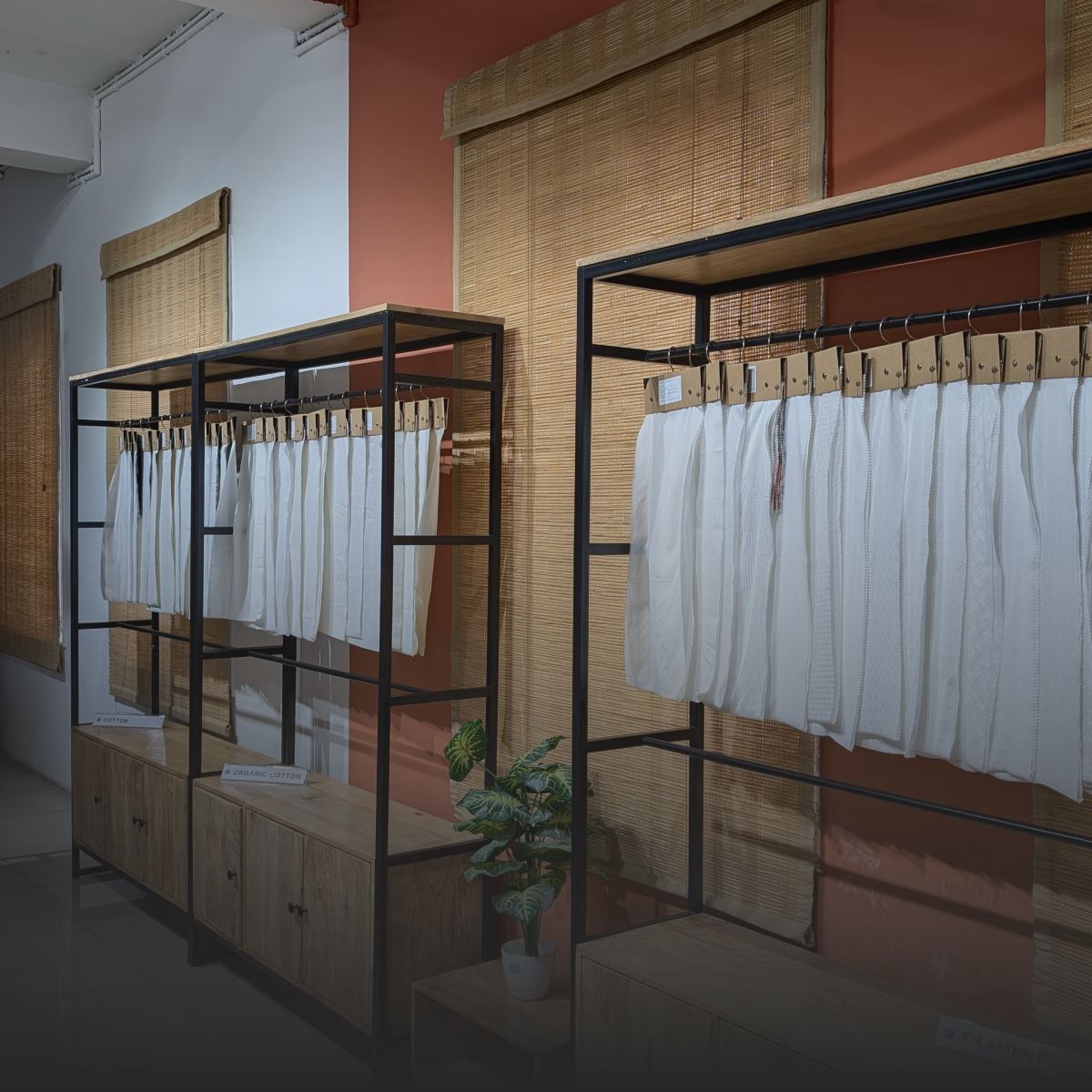
Why Fabric Swatches Are Essential Before Bulk Production
Brands should always buy fabric swatches online to ensure quality before committing to mass production.
Because Fabriclore uses a swatch-first model, brands can review specs before scaling.
Details about the Swatch are:
- Composition
- Blend ratio
- Weave construction
- Width
- GSM/GLM
Brands can do the following after getting a swatch:
- Hand feel
- Texture
- Fabric flow and drape
- Transparency or opacity
- Dyeing quality for solid fabrics
- Printing quality for printed fabrics
Shop Fabric Swatches Now – Test GSM, feel, drape & dye quality before bulk production.
Fabriclore: Structured GSM-Based Fabric Sourcing
With over 10 years of experience in fabric design, dyeing, and printing, Fabriclore is a technology-enabled platform for finding fabrics. It helps new businesses, small shops, and private labels from around the world that are looking for low MOQ fabric sourcing and reliable fabric wholesale solutions for summer clothing brands. Fabriclore helps businesses streamline their supply chains while keeping quality and performance standards high by combining precise sourcing with integrated garment production.
Fabriclore gives you:
- Greige fabrics.
- RFD fabrics (Ready for Dye).
- Mill-dyed fabrics.
- Digital and screen printed textiles.
- Low MOQ sourcing for emerging brands.
- Custom dyeing with Pantone matching.
- Integrated garment manufacturing.
- Custom apparel manufacturer with low MOQ.
Each product listing includes full technical information, such as fabric GSM for summer clothing, fabric composition, blend ratio, weave construction, and width. Because of this, brands can look at specifications online and feel safe when they buy fabric online with detailed GSM information before they confirm bulk production.
Fabriclore is trusted by more than 500 global brands. Its structured, data-driven sourcing reduces supplier fragmentation and improves lead times.
Data-Driven Approach to Summer Fabric Selection
Modern brands no longer rely on guesswork. They use:
- Sales data by climate region.
- Return rates linked to fabric transparency.
- Consumer comfort feedback.
- Sustainability compliance metrics.
By selecting the right summer fabric GSM guide for fashion brands, you can:
- Customer retention
- Brand credibility
- Production efficiency
- Inventory planning
Sustainability & GSM: Finding the Balance
Sustainability in sourcing is growing around the world. When looking at eco-friendly fabrics:
- Organic cotton (100–140 GSM).
- Tencel woven (110–170 GSM).
- Certified linen (120–180 GSM).
Balanced GSM selection ensures the system will last without sacrificing performance.
Final Verdict
Choosing the right GSM for summer dresses is a strategic decision that affects comfort, durability, see-through, and brand positioning. Depending on the type of garment and its structure, most summer fabrics that let air pass through are between 90 and 170 GSM.
But GSM isn't enough on its own. Before ordering a lot of fabric, brands need to make sure they like the composition, weave, dye quality, and drape of the swatches they receive. Fabriclore and other structured platforms make this process easier by combining fabric development, low MOQ sourcing, and garment manufacturing into a single, well-coordinated system. This enables the creation of summer collections that are both scalable and weather-appropriate.
FAQ’s
1. What Is The Best Gsm For Summer Clothing?
The GSM is best for summer clothing between 90 and 170, depending on the fabric, weather, and type. Choose the right fabric weight to ensure it breathes, lasts, and is comfortable to work with in hot weather.
- 90–130 GSM – Perfect for summer dresses, blouses, resort wear, and light tops that need to let air flow and drape softly.
- 100–140 GSM – Fits summer shirts that need to breathe and everyday cotton clothes.
- 150–200 GSM – Recommended for lightweight trousers and structured clothes that need to last without getting too hot.
Choose the right GSM to improve clothing performance, balance opacity, and boost long-term customer satisfaction in warm climates.
2. Is A Lower GSM Always Better For Hot Weather?
Not necessarily. Extremely low GSM fabrics may become transparent or less durable. Balanced GSM selection ensures breathability without compromising structure.
3. How Can I Check GSM Before Bulk Production?
You can order fabric swatches for clear information on GSM, composition, and weave. Before you confirm bulk production, you should always test the feel, drape, and opacity.
4. What GSM Is Best For Summer Shirts?
Plenty of summer shirts are made from cotton poplin between 100 and 140 GSM.
5. Does GSM Affect Fabric Transparency?
Yes. In general, fabrics with a lower GSM are see-through, especially when they are lighter in colour. Before buying in bulk, you should test the swatch first.
We also happen to be a magnet for suggestions, and would love to catch yours….throw us yours on hello@fabriclore.com
Learn, Create & Grow with us 

Also Read:
1. Top Breathable Woven Fabrics for Indian Summers
2. Lightweight Woven Fabrics for Women’s Fashion Brands
3. Best Woven Fabrics for Summer Heat (2026 Guide)
4. Export-Ready Woven Fabrics for Global Fashion Brands


